Yes, cooked lentils can be frozen without ruining them, provided you cool them quickly, pack them well and do not leave them sitting at room temperature for too long. Freezing is a practical way to cut waste, especially if you batch cook soups, dals, stews or plain lentils for salads and lunch boxes.
The main trade-off is texture, not safety. Some lentils come back almost unchanged, while others soften, split or turn slightly grainy after thawing. If you freeze them while they are still fresh, in sensible portions and with as little air in the container as possible, they usually reheat well and are easy to use in everyday meals.
Can cooked lentils be frozen safely?
Cooked lentils can be frozen safely at home. The key point is not the freezing itself, but what happens before the container goes into the freezer.
Food safety depends on three things. First, the lentils need to have been cooked properly in the first place. Secondly, they need to be cooled promptly after cooking. Thirdly, they need to be frozen while they are still in good condition, not after several days in the fridge when you are trying to rescue them at the last minute.
In UK home kitchens, the practical rule is simple. Once lentils are cooked, do not leave them out for hours. Get them cooled and into the fridge or freezer as soon as reasonably possible. If they are in a large hot pan, divide them into shallower containers so the heat escapes faster. That matters more than whether you freeze them in glass, plastic or freezer bags.
If your lentils are part of a mixed dish, the same principle applies. A lentil curry, lentil soup or lentil Bolognese-style sauce can all be frozen safely if cooled and stored promptly. Safety is not usually the problem. Quality is what changes first.
It is also worth separating food safety from food quality. Freezing does not improve lentils that were already overcooked, stale or starting to spoil. It simply pauses the condition they were in when frozen. If they were mushy before freezing, they will still be mushy after thawing.
If you often cook a large batch, it helps to know how chilled storage compares with freezing. We have covered how long cooked lentils keep in the fridge safely, because the decision to freeze often comes down to when you are realistically going to eat them.
How to freeze cooked lentils step by step
The best method is straightforward and worth doing properly, because small details make a noticeable difference to texture and waste.
Start by cooling the lentils as soon as you have finished cooking. If they are plain boiled lentils, drain them well first. Excess liquid turns into ice crystals and can leave them softer after thawing. If they are meant to stay in their cooking liquid, as with soup or stew, let the dish cool in a shallow container rather than in a deep stockpot.
A practical step by step method looks like this:
-
Spread or divide the lentils to cool faster.
Transfer them from the hot pan into shallow dishes or smaller tubs. A large, dense mass stays warm for too long in the middle. -
Let steam escape briefly.
Leave the lid off for a short time so condensation does not build up inside the container. Do not leave them sitting out for ages. You are aiming to cool them, not air them for an afternoon. -
Portion them for how you actually cook.
Freeze in meal-sized or half-meal portions. A big one-litre tub is convenient on freezing day and annoying later if you only need a spoonful for soup or a portion for one person. -
Choose suitable packaging.
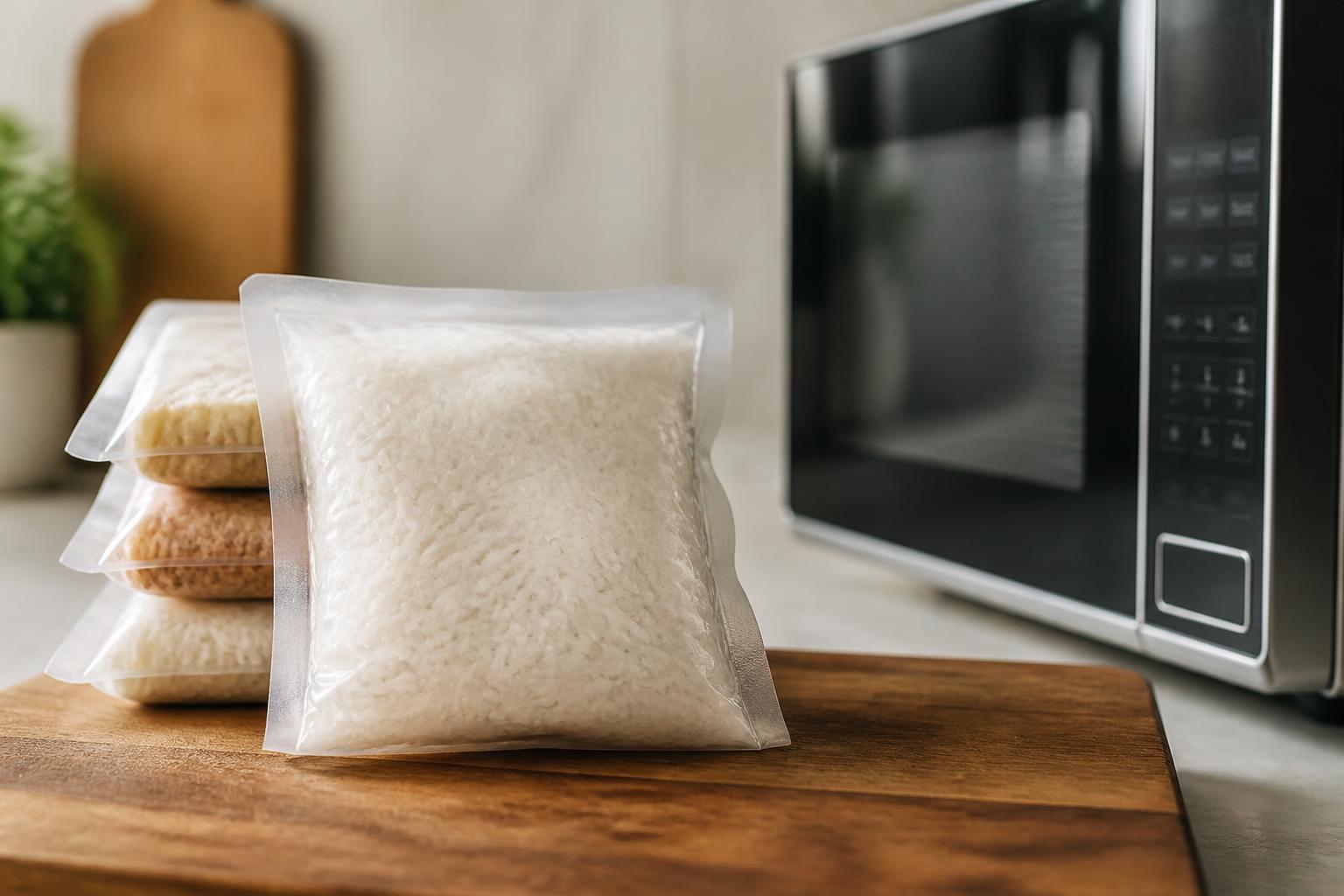
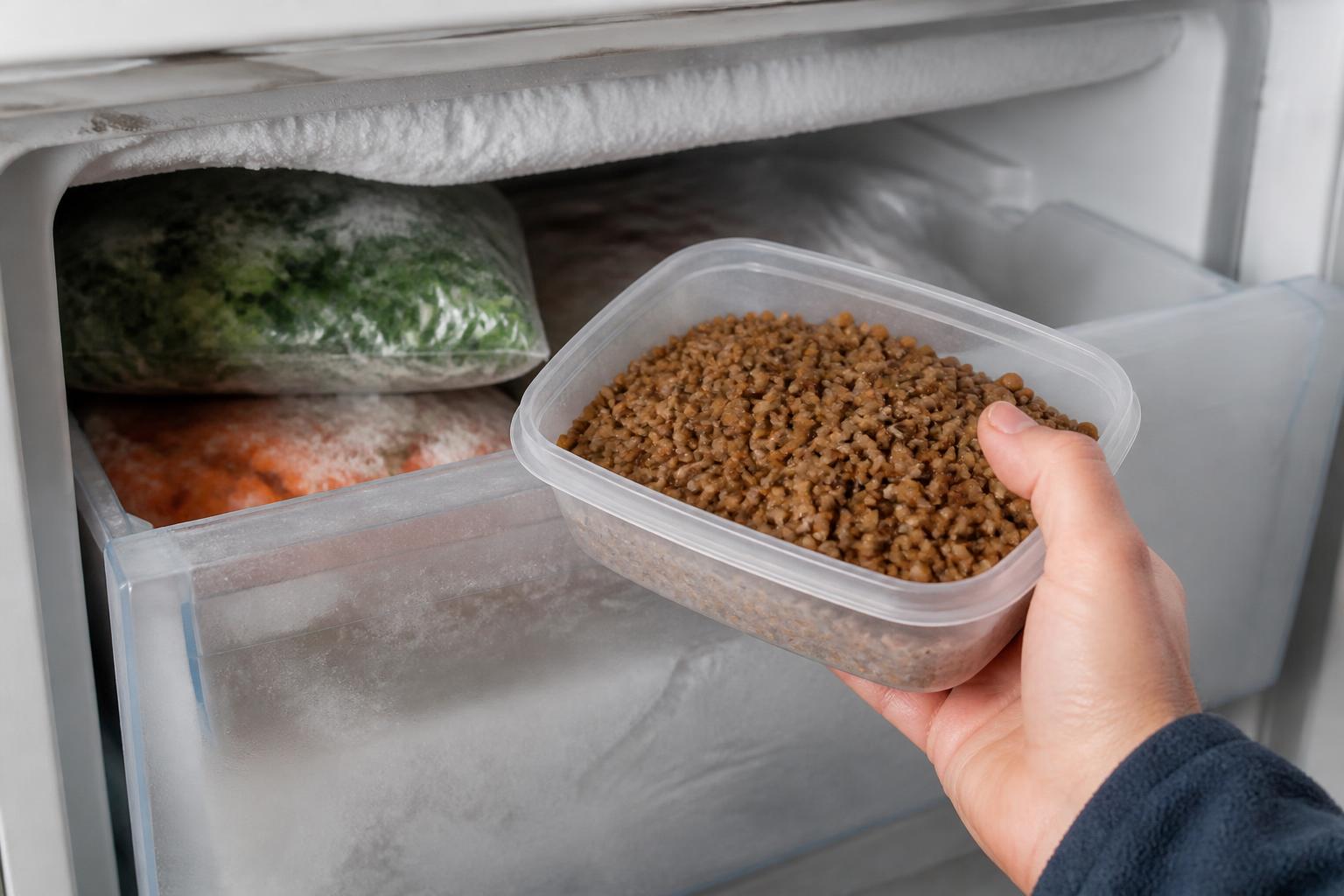
Use freezer-safe tubs, well-sealed freezer bags or rigid containers with tight lids. Bags work well if you press out the air and freeze them flat. Flat packs stack neatly and thaw faster. -
Leave space if the dish is liquid.
Soups and saucy lentil dishes expand slightly as they freeze, so do not fill the container right to the brim. -
Label clearly.
Write the contents and the date. “Brown lentils, cooked, 12 Nov” is much more useful than trying to guess whether a frozen brick is lentil soup or chilli three months later. -
Freeze promptly.
Once cooled, get the lentils into the freezer rather than leaving them in the fridge for days first.
If you want to preserve texture, one small trick helps. Cook lentils until just tender rather than very soft if you already know they are going into the freezer. They will soften a little more on reheating.
Plain cooked lentils also freeze better when they are not heavily dressed. If you have tossed them with lots of oil, delicate herbs or watery salad vegetables, the result after thawing is usually less appealing. In that case, freeze the lentils plain and add the rest later.
If you batch cook other pulses, the same general method applies. Our guide to freezing cooked chickpeas safely at home covers many of the same storage points.
How long do frozen lentils keep?
Frozen cooked lentils remain safe for a long time if they stay fully frozen, but their best quality does not last indefinitely.
For everyday home use, we would treat about three months as a sensible quality window for cooked lentils. They may still be safe after that if they have remained continuously frozen, but they are more likely to dry out, pick up freezer burn or lose texture and flavour.
This is the distinction that matters. Food safety and eating quality are not the same thing.
At freezer temperatures, bacterial growth is effectively paused. That is why freezing is such a useful storage method. But freezing does not stop oxidation, moisture loss or structural damage completely. Over time, lentils can become duller in flavour, softer in texture or patchy where ice crystals have formed.
How long they keep well depends on a few factors:
- whether they were frozen while still fresh
- how much air was left in the packaging
- whether they are plain or in a sauce
- how stable your freezer temperature is
- whether the container gets opened and moved around often
A plain, well-drained portion of green or brown lentils in a tightly sealed bag often keeps its quality better than a loosely covered tub of lentil soup that has been sitting near the freezer door.
If you are storing lentils in a freezer compartment inside a fridge rather than in a separate freezer, quality may drop faster because the temperature tends to fluctuate more. That is not unique to the UK, but it is common in many homes, so it is worth bearing in mind.
The best habit is to rotate stock. Put newer portions behind older ones and use the oldest labelled pack first. That sounds obvious, but it is what stops “I know I froze some lentils at some point” becoming six anonymous containers with frost around the lid.
What happens to texture after freezing?
Texture is where freezing makes the biggest difference.
Brown and green lentils usually freeze best because they tend to hold their shape better. Puy lentils can also freeze reasonably well if they were not overcooked to begin with. Red lentils are a different case. They already break down easily during cooking, so after freezing and reheating they often become much softer and more puree-like.
That is not necessarily a problem. It simply means previously frozen red lentils are better suited to soups, dals and sauces than to dishes where you want distinct lentils in a salad or grain bowl.
Why does freezing change texture? Mostly because water inside the food forms ice crystals. Those crystals disrupt the structure of the lentils. Once thawed, some of that structure is lost, so the lentils may feel softer, split more easily or seem slightly grainy. Reheating then pushes them a bit further in the same direction.
A few common texture outcomes are normal:
- lentils become softer than when first cooked
- some split skins appear
- saucy dishes thicken after thawing
- plain lentils seem drier on the outside but softer in the centre
That does not mean they have gone off. It is simply what freezing does.
The best uses for previously frozen lentils are usually forgiving dishes, such as:
- soups
- curries and dals
- stews
- pasta sauces
- shepherd’s pie-style fillings
- blended dips
- warm grain bowls
They are less ideal for lentil salads where you want a firm bite, especially if the lentils were already very soft before freezing.
If texture matters to you, freeze lentils in the form you are most likely to reheat directly into a cooked dish. That way any slight softening feels natural rather than disappointing.
How should you thaw and reheat them?
There are three sensible ways to thaw and reheat cooked lentils, and the best one depends on the portion size and the dish.
The first option is to thaw them in the fridge. This is the gentlest method and usually gives the best texture. Move the container from freezer to fridge and let it defrost there, ideally overnight. Once thawed, reheat until piping hot all the way through.
The second option is to use the microwave. This is useful for single portions. Defrost using the microwave setting if your appliance has one, or use short bursts on medium power, stirring between each round so the centre does not stay cold while the edges overheat.
The third option is to reheat from frozen. This works well for soups, curries and saucy lentil dishes. Tip the frozen block into a saucepan with a splash of water if needed, cover loosely and heat gently at first, stirring as it loosens. Once fully defrosted, bring it up to a proper steaming heat before serving.
A few practical points matter here:
- Reheat only the portion you need.
- Stir thoroughly, because dense foods can be hot at the edges and cold in the middle.
- If using a microwave, pause and stir more than once.
- If the lentils seem dry after thawing, add a little water, stock or sauce.
- If they have become too soft for one dish, use them in another, such as soup or a blended sauce.
In UK food guidance, the familiar home rule is to reheat leftovers until they are piping hot throughout. That is a plain-language rule most readers recognise and can use easily in practice.
As for refreezing, it is better not to make a habit of thawing and refreezing cooked lentils. Each cycle tends to damage texture further, and repeated handling adds more opportunity for poor temperature control. If you thawed them in the fridge and have not left them out, they may still be safe to cook and use, but quality usually goes downhill. Portioning before freezing is the easier answer.
When should you not freeze or eat them?
There are times when freezing cooked lentils is not a good rescue plan, and times when thawed lentils should be thrown away rather than used up.
Do not freeze lentils if they have already been left out at room temperature for too long. Freezing does not undo unsafe handling. It only pauses further change. If the lentils spent hours on the counter after dinner or were forgotten in a switched-off slow cooker, the safest choice is not to keep them.
Do not freeze lentils that are already on the edge of spoiling in the fridge. If they smell off, look slimy or have been sitting around long enough that you are doubtful, trust that doubt. Freezing stale food gives you stale food later.
After thawing, do not eat lentils that show obvious spoilage signs such as:
- a sour, fermented or unpleasant smell
- slime or unusual stickiness
- visible mould
- strange discolouration not explained by the recipe
- fizzing or pressure when opened, if that is not normal for the dish
A texture change on its own is not the same as spoilage. Softness, splitting or thickening can be normal after freezing. Bad smell, slime or mould are different.
Be cautious too with mixed dishes that include ingredients that do not thaw well or may spoil faster in practice, such as cooked rice, seafood or dairy-rich sauces. The lentils themselves may freeze well, but the whole dish has to be judged as a whole.
If you are storing packaged lentil meals rather than homemade ones, the label matters. The UK keeps its own food labelling framework after leaving the EU, although many principles still look familiar. If a prepared product says “do not refreeze once defrosted” or gives a specific storage instruction, follow that pack guidance. If you want a refresher on what labels are actually telling you, our guide to reading food packaging labels with less guesswork is useful background.
The simplest rule is this. Freeze cooked lentils while they are still fresh, cool them promptly, and use them within a reasonable time. If anything about their storage history is unclear, or if they smell or look wrong after thawing, do not try to be economical with them.

Questions about this article or a correction to suggest? Get in touch. Read more about our editorial approach.