Yes, cooked chickpeas can be frozen safely at home, provided you cool them promptly, pack them well and keep them frozen solid. For most households, freezing is a practical way to avoid waste when you have cooked a large batch from dried chickpeas, or when you have leftovers from soups, stews or traybakes.
The main point is not whether freezing is possible, but how you handle the chickpeas before they go into the freezer. Like other cooked foods, they should not be left sitting at room temperature for hours. If they are cooled, portioned and frozen properly, they are useful to keep on hand for quick meals, from curries and casseroles to hummus and salads.
Can cooked chickpeas be frozen?
Yes, cooked chickpeas freeze well in most home kitchens. If you are wondering can you freeze cooked chickpeas, the answer is straightforward, yes, in both plain and lightly seasoned forms.
Freezing makes the most sense when you have:
- cooked too many dried chickpeas at once
- opened a large batch and will not use them within a few days
- meal-prepped for future lunches or dinners
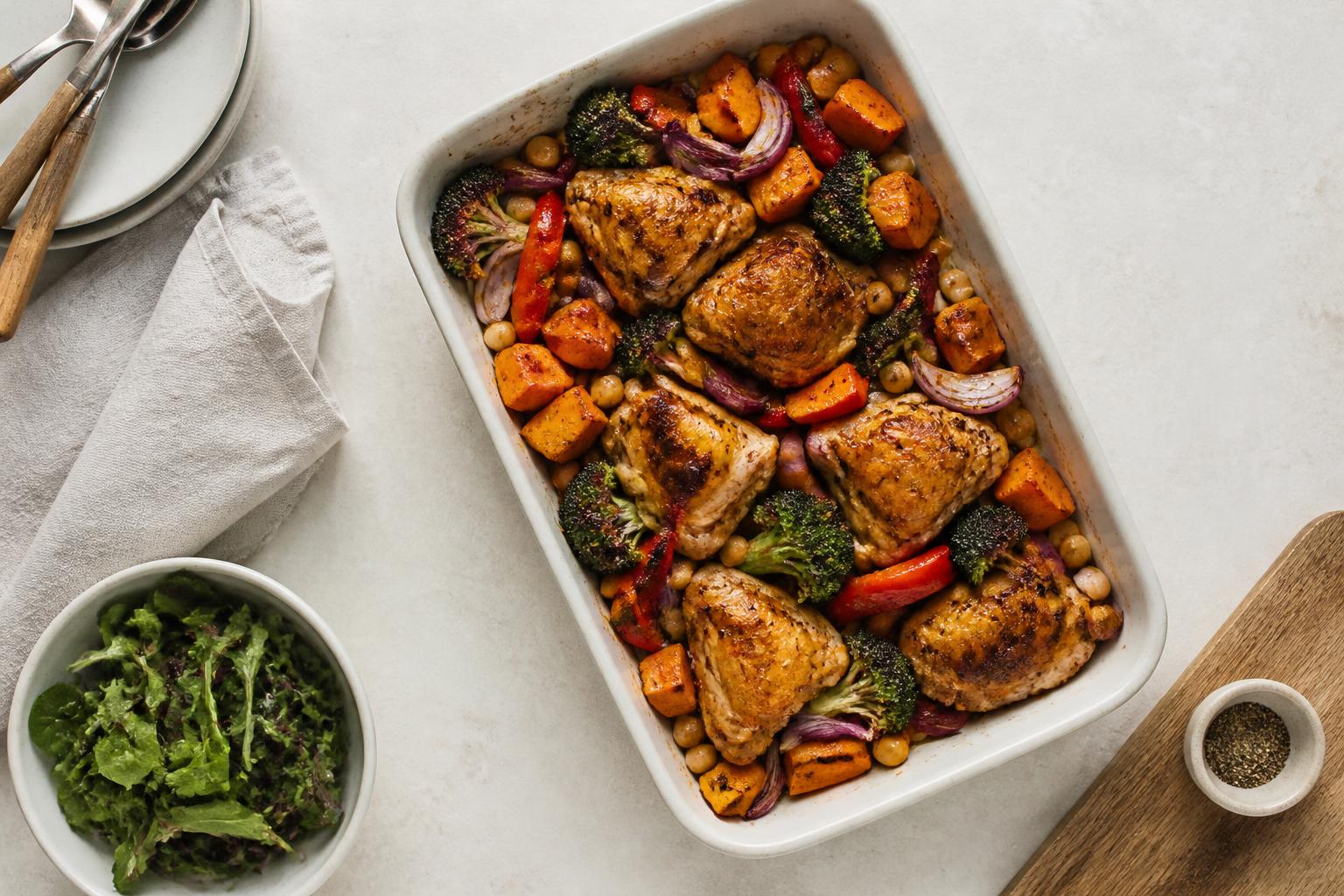
- made a dish where chickpeas are one ingredient among others, such as a soup or tomato-based stew
Plain cooked chickpeas are usually the easiest to freeze successfully. They are versatile, easy to portion and can be added later to many meals. Chickpeas that are already in a strongly dressed salad, mixed with crisp vegetables, or combined with dairy-based sauces may not come back as well in texture after thawing.
From a food safety point of view, freezing does not improve food that was already mishandled. If the chickpeas have been left out too long, freezing them later does not make them safe again. In UK home food safety guidance, the key is to chill cooked food as quickly as practical, then refrigerate or freeze it without delay. The same principle applies whether the chickpeas were boiled from dried or are leftovers from a cooked dish.
Freezing is especially sensible if you cook beans and pulses in bulk to save time or money. If that is part of your routine, our guide to eating well for less in the UK covers more practical ways to make everyday ingredients go further.
How to cool and freeze them safely
The safest approach is simple, cool the chickpeas quickly, divide them into useful portions, pack them tightly and label them clearly.
1. Cool them promptly
Once the chickpeas are cooked, drain them if needed and let steam escape. Do not leave a large hot pan on the worktop for the rest of the evening. In a warm kitchen, that gives bacteria more opportunity to multiply.
For faster cooling:
- spread plain cooked chickpeas on a clean tray or large plate
- divide a big batch into shallow containers rather than one deep tub
- keep them out only long enough for the heat to drop
- move them into the fridge once they are no longer piping hot
In UK practice, we generally aim to refrigerate cooked food as soon as it has cooled enough. Some official advice phrases this as cooling within a couple of hours before chilling. The exact wording varies, but the practical message is the same, do not leave them sitting out all afternoon or overnight.
2. Portion them before freezing
Freeze chickpeas in the amounts you actually use. Good portion sizes might be:
- one person portions for salads or lunch bowls
- roughly a tin-sized amount for recipes that would normally use canned chickpeas
- family portions for curries, soups or casseroles
Small portions freeze and thaw more quickly, and you are less likely to defrost more than you need.
3. Choose suitable packaging
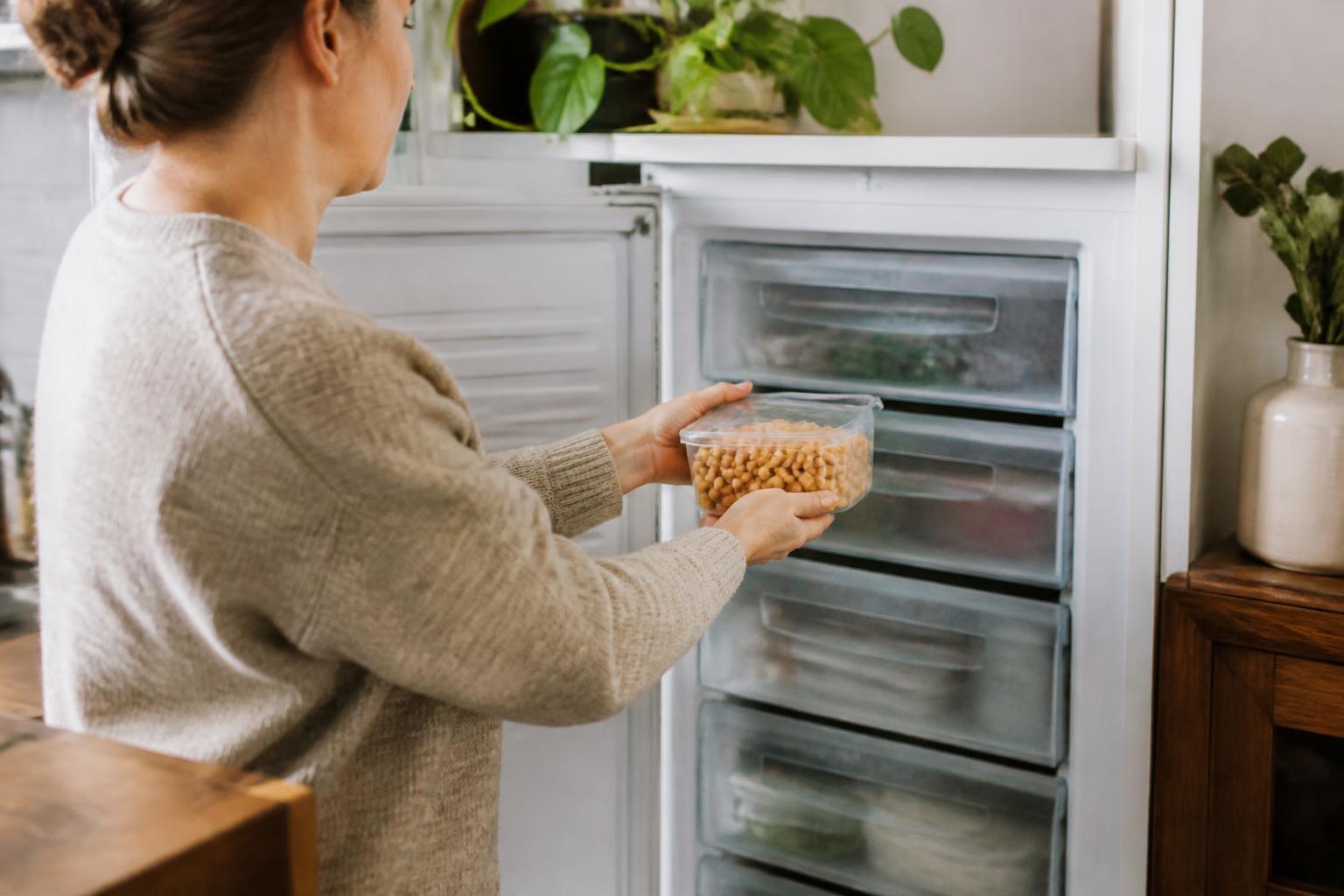
Use freezer-safe containers or freezer bags that can be sealed properly. The aim is to reduce contact with air, which helps limit freezer burn and drying out.
You can freeze cooked chickpeas in two main ways:
- Dry-packed, where the drained chickpeas go into a bag or tub with little or no liquid
- In cooking liquid, where the chickpeas are covered with a little of their cooled cooking water
Dry-packed chickpeas are handy for roasting later, blending into dips, or stirring into dishes. Chickpeas frozen with a little liquid may stay slightly softer and can work well for soups and stews.
If using bags, press out excess air before sealing. If using rigid tubs, leave a little headspace only if there is liquid inside, because liquid expands as it freezes.
4. Label everything
Write the name and freezing date on each pack. It sounds basic, but unlabelled tubs are how good intentions turn into mystery freezer clutter.
A useful label might include:
- cooked chickpeas
- plain or seasoned
- date frozen
- portion size, if relevant
5. Freeze them quickly
Place the packed chickpeas in the coldest part of the freezer where possible, with space around them until frozen. Do not stack lots of warm containers tightly together if you can avoid it. Faster freezing generally helps quality.
For home freezers in the UK, a temperature of -18C or below is the usual benchmark for long-term frozen storage. Many domestic freezers are set around this level.
One more practical point, if the chickpeas were originally cooked from dried, make sure they were fully cooked before freezing. Undercooked pulses are not pleasant to eat and will not improve in the freezer.
How long do frozen chickpeas keep?
Frozen cooked chickpeas remain safe indefinitely while kept continuously frozen at a proper freezer temperature, but quality gradually declines. That distinction matters.
Safety and quality are not the same thing:
- Safety is about whether harmful bacteria have been controlled through proper cooking, cooling, freezing and thawing
- Quality is about texture, flavour and appearance
In a well-run home freezer, cooked chickpeas are usually at their best within about 3 months. Many people keep them longer, up to 6 months, with acceptable results, especially if they are going into soups, stews or blended dishes rather than being served on their own.
Over time, you may notice:
- drier surfaces
- slight freezer burn
- softer texture after thawing
- less fresh flavour
These changes do not necessarily mean the chickpeas are unsafe. They mean they may be less enjoyable.
Storage life also depends on what exactly you froze. Plain chickpeas tend to keep their quality better than chickpeas in mixed dishes with delicate vegetables or creamy sauces. A tomato-based chickpea stew often freezes better than a chickpea salad with cucumber and herbs.
If your freezer is opened frequently, overfilled, or prone to temperature fluctuation, quality may drop sooner. Ice crystals, repeated partial thawing and poor seals all shorten the useful life of frozen foods.
A simple rule for home use is this, freeze only what you expect to use in the next few months, and rotate older portions to the front. That keeps the freezer practical rather than aspirational.
What happens to texture after freezing?
Texture is where most people notice the difference. Frozen and thawed chickpeas are usually a little softer than freshly cooked ones. The skins may loosen slightly, and some chickpeas split or become more floury inside.
That is normal. Water inside the chickpeas forms ice crystals during freezing, and those crystals affect the structure of the bean. The result is not usually dramatic, but it is noticeable if you compare them side by side with freshly cooked chickpeas.
For that reason, frozen cooked chickpeas are often best in dishes where a slight softness does not matter, or is actually helpful. They work particularly well in:
- soups
- stews
- curries
- casseroles
- pasta sauces
- blended dips such as hummus
- mashed or crushed bean fillings
- traybakes where the chickpeas are mixed into a saucy dish
They are usually less ideal for recipes where you want a firm bite, such as:
- crisp salads
- grain bowls with lots of fresh raw vegetables
- pan-fried dishes where the chickpeas need to stay very intact
- roasting for a crunchy snack after thawing
That said, thawed chickpeas can still be used in salads if texture is not the main priority. It helps to drain them well and add them to robust ingredients rather than very delicate ones.
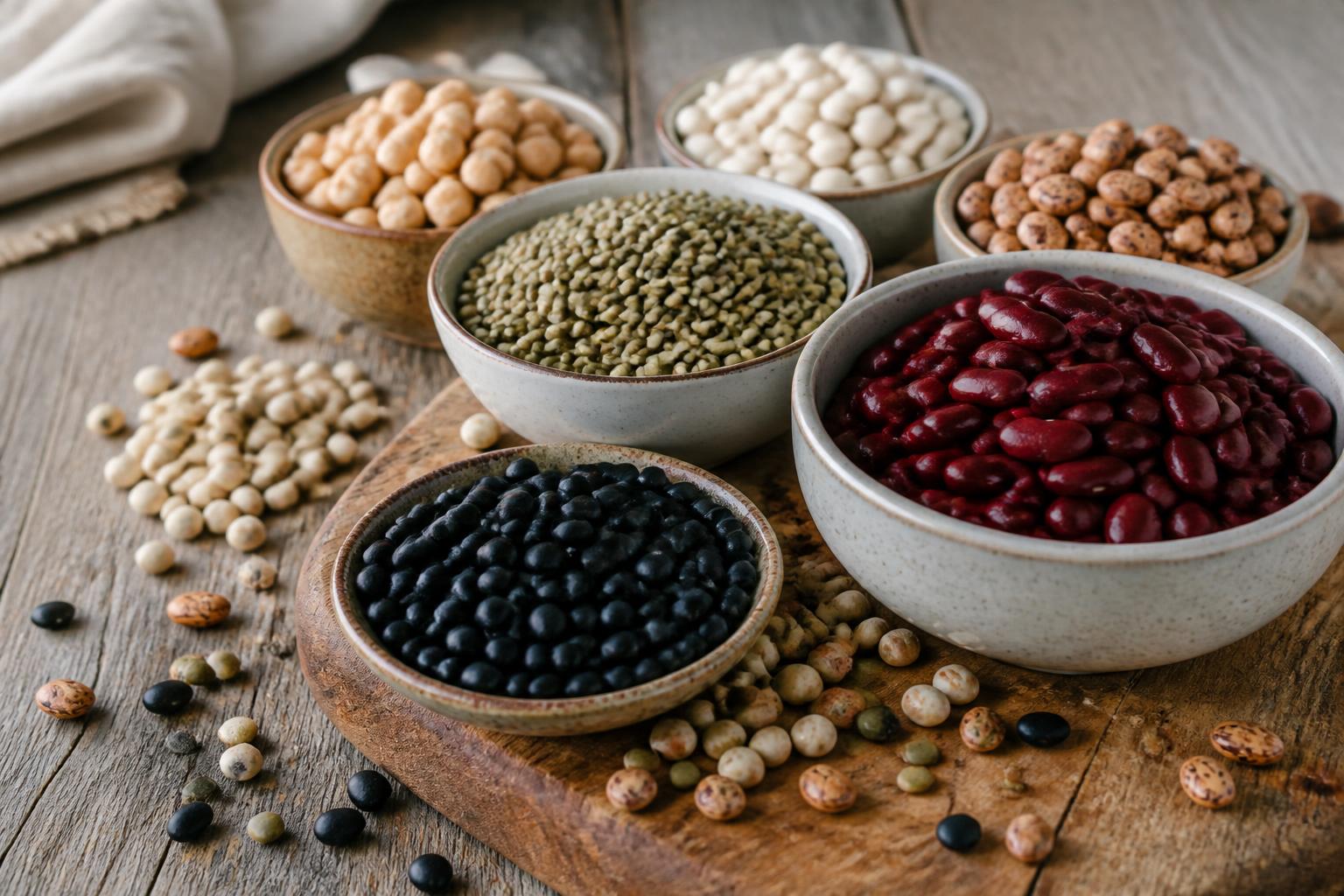
If you are comparing pulses for meal planning, our piece on which beans give you the most protein may also be useful, especially if chickpeas are one of several beans you rotate through the week.
A few practical texture tips:
- Freeze chickpeas when just tender, not cooked to collapse
- Avoid overcooking them before freezing if you plan to reheat them later
- Use thawed chickpeas in dishes with some moisture, which helps disguise any slight dryness
- Blend thawed chickpeas while still cool or just defrosted for smoother hummus
How to defrost and reheat chickpeas
There are several safe ways to thaw cooked chickpeas, and the best one depends on how you plan to use them.
Defrosting in the fridge
This is the safest and most controlled option. Put the container or bag in the fridge and let it thaw gradually, usually overnight for a larger portion or a few hours for a small one.
Fridge thawing is the best choice when you want the chickpeas for salads, lunch boxes or recipes where you need to see their condition before cooking.
Once thawed in the fridge, use them within a day or two. Keep them chilled until needed.
Defrosting in the microwave
If you need them quickly, use the defrost setting or a low power setting in the microwave. Stop and stir or shake them partway through so they thaw evenly.
Microwave thawing is best when the chickpeas are going straight into a hot dish afterwards. If they begin to warm significantly during defrosting, treat them as food that needs prompt use rather than putting them back in the fridge for too long.
Cooking or reheating from frozen
In many cases, you do not need to thaw chickpeas at all. You can add frozen cooked chickpeas straight to:
- soups
- stews
- curries
- chilli-style dishes
- pasta sauces
Because they are small, they heat through fairly quickly. Stir them into the dish and make sure they become properly hot all the way through before serving.
If reheating chickpeas on their own, whether in a pan, microwave or sauce, the aim is to get them steaming hot throughout. In UK food safety terms, reheated leftovers should be piping hot. If they are part of a sauce or stew, bring the dish to a full, even heat and stir well.
What about leftovers after reheating?
Only reheat the portion you plan to eat. Repeated cooling and reheating is where quality and safety both start to suffer.
If you thawed the chickpeas in the fridge and have not reheated them yet, you may be able to use the remainder within the next day or so, provided they have stayed chilled. If you have already reheated them, cool any leftovers promptly and refrigerate, then use them soon. Reheating more than once is best avoided.
If the chickpeas smell odd, look dried out and discoloured, or have been left out too long after thawing, it is better to discard them.
Can you refreeze them?
You can sometimes refreeze cooked chickpeas that were thawed in the fridge and kept cold, but quality will usually worsen. The texture tends to soften further, and moisture loss becomes more noticeable.
We would not treat refreezing as the default plan. It is far better to freeze in smaller portions from the start. If the chickpeas were thawed in the microwave or warmed at room temperature, do not refreeze them unless they have been fully cooked again as part of a hot dish, and even then quality may be poor.
For practical weeknight cooking, frozen chickpeas are most useful when you think of them as a convenience ingredient rather than something that must come back exactly like fresh. They save time, reduce waste and fit neatly into batch cooking. They also work well in colder-weather dishes, particularly the sort of meals we cover in our guide to healthy winter foods for balanced everyday meals.
So, can you freeze cooked chickpeas safely at home? Yes, absolutely. Cool them quickly, pack them properly, keep portions manageable and use them within a sensible timeframe for the best quality. If you do that, a batch of cooked chickpeas in the freezer can make everyday meals easier without compromising safety.

Questions about this article or a correction to suggest? Get in touch. Read more about our editorial approach.