Eating well for less in the UK is usually less about finding special “budget health foods” and more about building ordinary meals from reliable basics, then wasting as little as possible. A lower food bill and a healthier diet can sit together quite comfortably when we base most meals on staples such as oats, potatoes, rice, pasta, beans, eggs, frozen vegetables, fruit and a few flexible proteins.
For most households, healthy eating on a budget in the UK means aiming for balance rather than perfection. We do not need expensive supplements, premium snack brands or a fridge full of highly perishable “good intentions”. What works is a realistic weekly shop, simple meals that get used up properly, and enough label-reading to spot genuine value.
What healthy eating on a budget really means in the UK
A sensible budget approach starts with UK healthy eating guidance, not with the idea that every meal must be ideal. In practice, that means building most of the week around foods that support the broad shape of the Eatwell Guide. Fruit and vegetables matter, but they do not all need to be fresh. Carbohydrates such as potatoes, bread, pasta, rice and oats are not something to fear, especially when they form the base of affordable meals. Beans, pulses, eggs, fish and dairy, or alternatives, all have a place depending on your budget and preferences.
This matters because many people assume eating well becomes expensive the moment they try to “eat healthy”. Often the cost rises because the shop shifts towards convenience products marketed as healthy, rather than ordinary ingredients. A bag of oats, a tin of chickpeas, a bag of frozen peas and a carton of plain yoghurt usually do far more practical work than a basket of individually packaged bars, protein puddings and premium ready meals.
A realistic budget also allows for the way people actually live. If you work long hours, have children, share a house, or rely on one main weekly shop, the best plan is one you can repeat. There is no point designing a week of ambitious cooking if half the ingredients spoil before you use them. Healthy eating on a budget in the UK is usually about consistency, not chasing a perfect menu.
It also helps to separate nutrition from food guilt. Budget meals do not have to look like social media meal prep. Beans on wholemeal toast with grilled mushrooms is a perfectly respectable meal. A baked potato with tuna and sweetcorn is too. So is vegetable pasta with grated cheese, or lentil soup with bread. These are ordinary UK foods, and that is part of why they work.
Where labelling and standards are concerned, UK shoppers should remember that some rules now differ from the EU. Nutrition panels and ingredient lists remain familiar, but front of pack traffic-light labelling is a UK system used widely on packaged foods, whereas EU countries do not all use the same front of pack format. For everyday shopping here, those traffic lights can be useful, as long as we read them with a bit of context.
How to plan a lower-cost food shop that still covers the basics
The cheapest healthy shop is rarely the one built aisle by aisle on impulse. It is the one planned around meals, overlaps and likely waste. We find it easier to start with five or six evening meals, then work backwards into breakfast, lunch, snacks and cupboard top-ups.
A practical weekly plan often includes:
- Two meals based on beans or lentils
- Two meals based on eggs, fish or chicken
- One pasta meal
- One potato-based meal
- One flexible leftover meal
That structure stops the shop from becoming too meat-heavy, which is where many budgets get stretched. It also creates overlap. If we buy carrots, onions and peppers, we can use them across chilli, pasta sauce, soup and traybakes. If we buy a loaf, eggs and some cheese, we have options for quick lunches and simple fallback dinners.
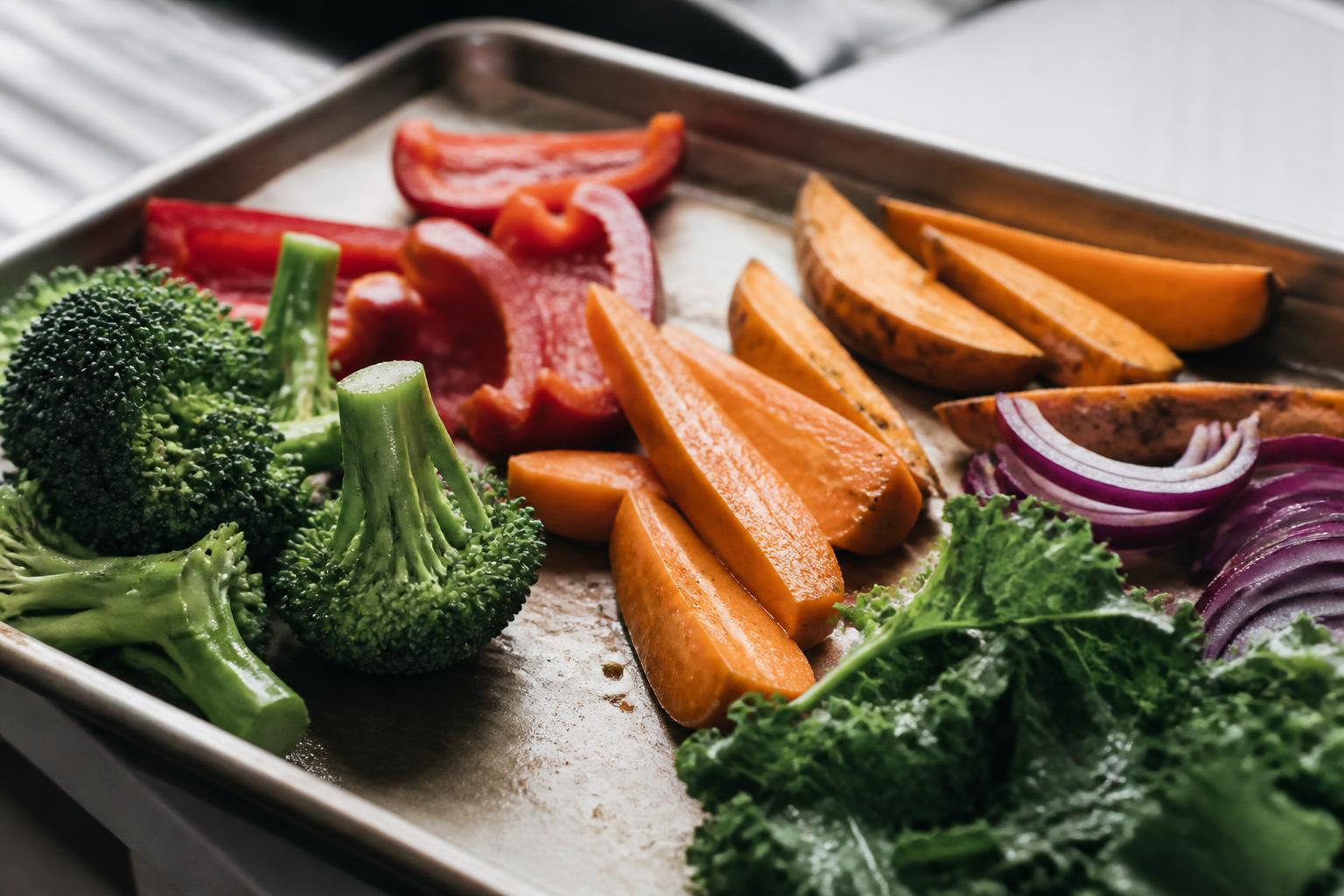
It helps to list what needs using first. Fresh spinach, herbs, berries and soft salad leaves spoil quickly. Cabbage, carrots, apples, frozen vegetables and tinned tomatoes last much longer. If money is tight that week, we would rather have produce that survives real life than delicate ingredients that end up in the bin.
A lower-cost shop usually works best when we divide it into four groups:
-
Base carbohydrates
Oats, bread, rice, pasta, potatoes, noodles, wraps -
Protein and filling foods
Beans, lentils, eggs, yoghurt, milk, tinned fish, peanut butter, tofu, chicken if wanted -
Fruit and vegetables
Frozen peas, frozen mixed veg, onions, carrots, bananas, apples, tinned tomatoes, whatever seasonal fresh produce is genuinely good value -
Flavour and cooking basics
Oil, stock cubes, curry powder, garlic, herbs, soy sauce, mustard, tomato puree
That last group is often overlooked, but it is what turns cheap ingredients into meals people actually want to eat.
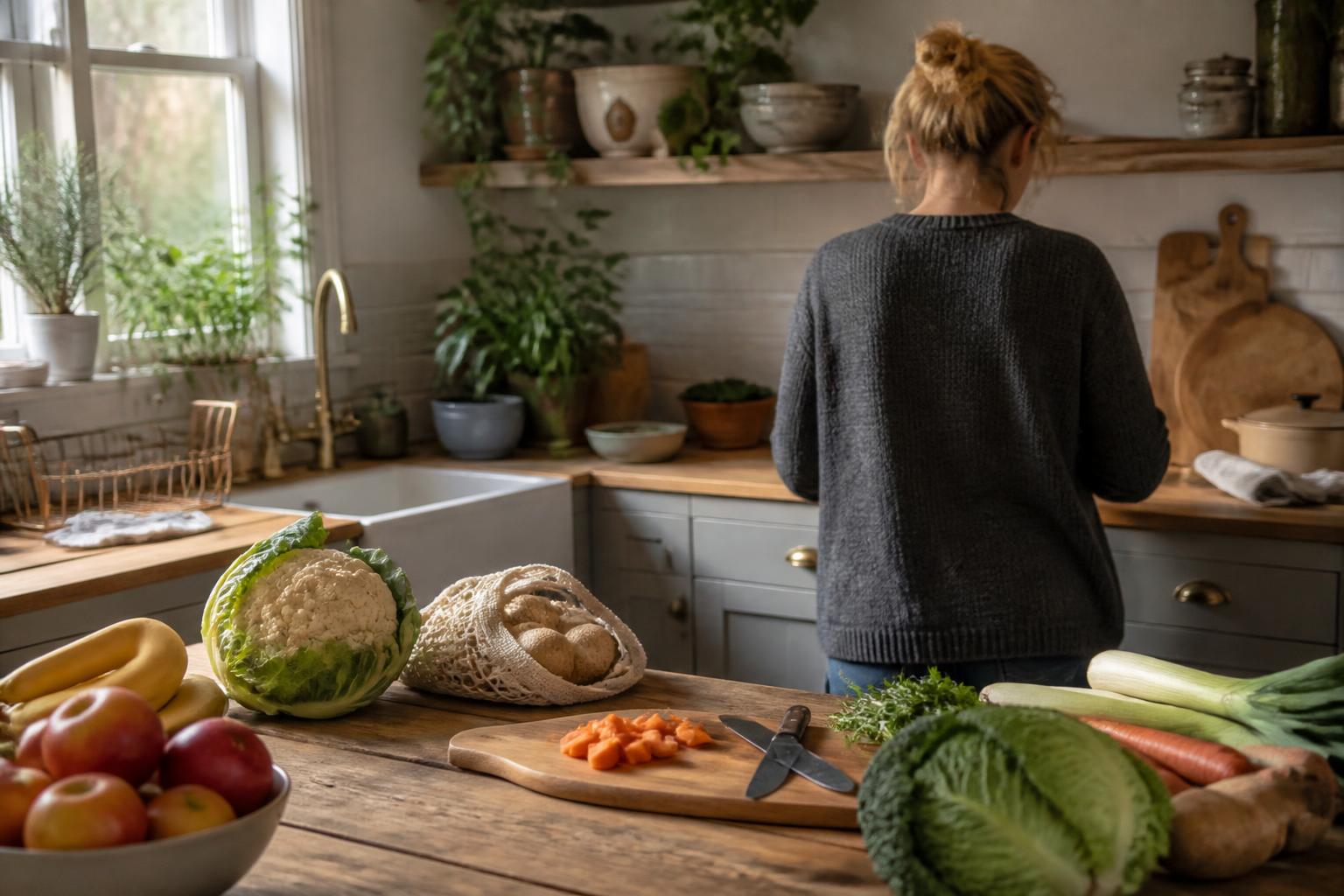
Planning around waste is just as important as planning around price. A large cauliflower can be good value if we already know where it is going. If not, a smaller pack of frozen broccoli may be cheaper in reality because none is thrown away. The same goes for bulk packs of fruit, large tubs of salad and giant loaves that stale before the end of the week.
If you are trying to make healthier changes without rebuilding your whole routine, our guide to starting with a few manageable food changes goes into that in more detail.
Which foods usually give the best value for money
Some foods repeatedly earn their place in a budget shop because they are affordable, filling and useful across multiple meals.
Beans and pulses are near the top of the list. Tinned beans are convenient and usually still low-cost, while dried lentils can be especially economical and cook quickly compared with many dried beans. They add fibre and protein to soups, curries, stews, pasta sauces and salads. The trade-off is that not everyone finds them satisfying on their own, so they often work best combined with other ingredients rather than treated as a direct replacement for everything else.
Oats are one of the strongest value buys in the supermarket. Porridge is cheap, filling and easy to vary with banana, apple, cinnamon, yoghurt or peanut butter. Oats also work in overnight oats, homemade flapjacks and as a bulking ingredient in meatballs or veggie burgers. The main thing to watch is added sugar in flavoured sachets, which are usually poorer value than plain oats.
Eggs are another staple with strong value. They cook quickly, work at any meal, and can rescue an understocked fridge. Omelettes, frittatas, egg fried rice, boiled eggs for lunches, shakshuka-style tomato dishes and simple scrambled eggs on toast all stretch well. The limit is shelf life and household preference. They are useful, but still need using in time.
Frozen vegetables deserve more respect than they often get. Peas, spinach, mixed vegetables, green beans and berries can be excellent buys because they reduce waste and are already prepped. Fresh produce still has its place, but frozen options are often the more practical purchase for smaller households or anyone juggling busy weekdays.
Tinned fish can be good value, especially sardines, mackerel and tuna. It stores well and can become sandwiches, pasta, fishcakes, jacket potato toppings or rice bowls. The trade-offs are worth noting. Some varieties can be high in salt, sauces can add sugar, and tuna should not be the only fish in the rotation. Oily fish such as sardines and mackerel often offer better nutritional value for the price.
Potatoes remain one of the most useful lower-cost foods in the UK. They are filling, versatile and often cheaper than many convenience carbohydrates. Baked potatoes, wedges, mash, soups and traybakes all make sense on a budget. Bread and pasta can also be very good value, especially when chosen in forms your household will actually use up.
Plain yoghurt, milk and cheese can be cost-effective too, depending on how they are used. A large tub of plain yoghurt can cover breakfasts, snacks and cooking. Cheese is easy to overspend on, but a block used for grating generally goes further than pre-grated packs or individually wrapped portions.
Fruit that tends to give steady value includes bananas, apples, oranges and frozen berries. Berries sold fresh can be expensive and spoil quickly, so frozen often makes more sense for porridge, yoghurt and smoothies.
For readers looking for simple ingredient changes rather than a full reset, we have also covered easy food swaps for ordinary UK meals.
How to compare prices and labels without getting misled
The shelf price is only the start. In UK supermarkets, the unit price, usually shown per 100g, per kg, per litre or per item, is often the quickest way to compare products properly. This matters because pack sizes are designed to make direct comparison awkward. A smaller pack with a lower headline price can be worse value per 100g than a larger one, but the reverse is also true.
A larger pack is not automatically better value if:
- The unit price is higher
- You will not use it before it spoils
- It pushes you to buy more than you need
- It ties up more of the week’s food budget than is sensible
This is common with fresh meat, bagged salad, berries, bakery items and multipack snacks. True value is what gets eaten, not what looked cheap in the trolley.
Traffic-light labels can be helpful for quick comparisons between similar products. In the UK, red, amber and green markers usually show whether a food is high, medium or low in fat, saturated fat, sugars and salt, per 100g or 100ml, and sometimes per portion. This is especially useful when choosing between soups, breakfast cereals, ready meals, sauces and yoghurts.
But traffic lights need context. Olive oil may show more red than a low-fat dressing, yet that does not make it a worse everyday ingredient when used reasonably. Cheese may show red for saturated fat and salt, but small amounts can still fit well into a balanced diet. The labels are most useful when comparing like with like, such as one tomato soup against another, not when comparing completely different foods.
Ingredients lists tell us other things the front of pack does not. They are listed in descending order by weight, so the first few ingredients matter most. If a “wholegrain” cereal is still mainly sugar, or a fruit yoghurt contains only a small amount of fruit but plenty of sweetener, the list helps reveal that.
It is also worth checking whether a product is drained weight or total weight, especially for tinned foods. A large tin of fruit in juice or beans in sauce may look like better value than it is if much of the weight is liquid. The same goes for frozen products with coatings or glazes.
Own-label ranges are often where the best value sits, but not always in the very cheapest tier. Sometimes the mid-range own-label version has a better ingredient profile or less wasteful packaging for only a small increase. We would judge product by product, not by branding alone.
Simple meal habits that can reduce cost over the week
Most food savings happen after the shop, not at the till. A modestly priced trolley can still become expensive if ingredients are forgotten, portions are oversized, or leftovers are never reused.
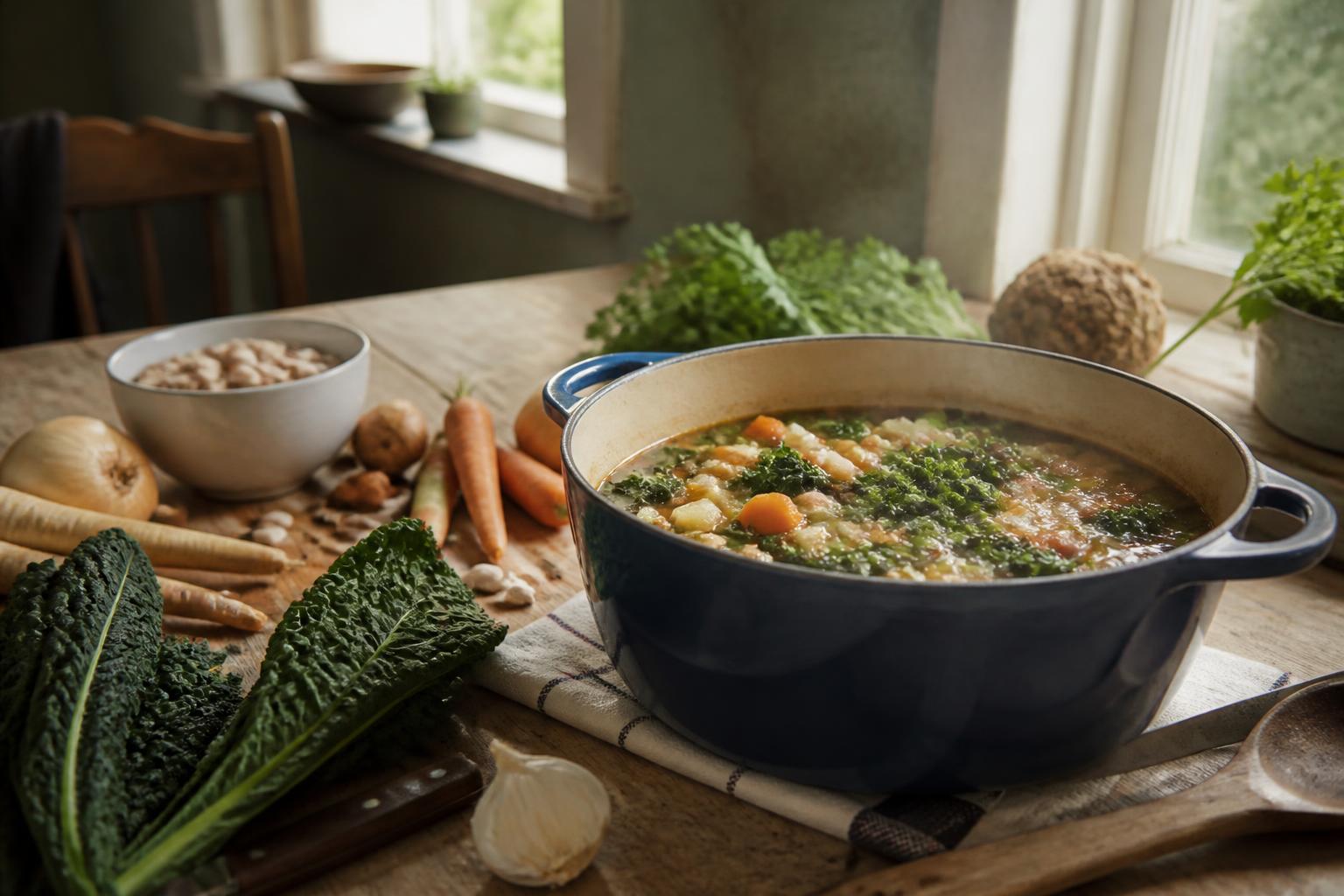
Batch cooking helps, but only when it is realistic. Cooking a huge pot of chilli sounds efficient, yet it is not useful if everyone is bored of it after one night and the rest sits untouched. A better approach is to batch-cook components or meals you know will be eaten. Chilli, lentil soup, pasta sauce, curry and bean stew all freeze well in ordinary household portions.
Portioning matters. Freezing six individual portions is usually more practical than freezing one giant tub. It gives us quick lunches, emergency dinners and better control over what gets used. Labelling with the name and date also helps, because mystery freezer boxes tend to linger.
Storage habits can save more than people expect. Potatoes, onions and bread all keep better when stored properly. Herbs can be chopped and frozen. Slightly soft peppers can be cooked into sauces. Bananas heading past their best can go into porridge, smoothies or baking. Leftover rice should be cooled quickly, chilled promptly and reheated thoroughly, following standard food safety advice.
Flexible meals are especially useful at the end of the week. Good examples include:
- Fried rice with leftover vegetables and egg
- Pasta with whatever greens, beans and cheese are left
- Soup made from soft vegetables and lentils
- Jacket potatoes with mixed toppings
- Wraps filled with leftovers from earlier dinners
These meals stop the “nothing to eat, better order in” problem, which is where many budgets quietly unravel.
Lunch is another place where costs creep up. A homemade lunch does not need to be elaborate. Leftover pasta, soup, egg sandwiches, hummus wraps, yoghurt with fruit, or a baked potato taken from home can all be inexpensive and straightforward. The key is having something ready before hunger and convenience take over.
Snacks can also distort the weekly spend. Individually packed “healthy” snacks are often poor value. Larger tubs or packs of nuts, plain yoghurt, fruit, oatcakes, popcorn kernels or cheese cut at home are usually more cost-effective. That does not mean never buying convenience snacks, only recognising what they do to the budget.
A final habit worth keeping is the short stock check before shopping. Looking at the fridge, freezer and cupboards for five minutes can prevent duplicate buying and prompt a meal plan around what is already there. Half a bag of rice, an open jar of curry paste and a bag of frozen peas may already be the start of two dinners.
If you want more practical meal inspiration in the same spirit, our piece on healthy meal ideas for ordinary UK days is a useful next step.
Eating well for less in the UK is not about stripping all pleasure from food or living on the same three meals. It is about using a small set of dependable ingredients well, understanding labels enough to buy smartly, and building habits that stop good food being wasted. Done that way, a healthier shop is often a calmer and cheaper one too.

Questions about this article or a correction to suggest? Get in touch. Read more about our editorial approach.