A banana can be part of a genuinely healthy breakfast, but on its own it often does not keep you going for very long. It gives you carbohydrate, some fibre and useful micronutrients, yet it is relatively low in protein and fat, which are the parts of breakfast that usually make the biggest difference to staying power.
A healthier banana breakfast is usually a more balanced one. In practice, that means pairing banana with foods such as oats, plain yoghurt, milk, nuts, seeds, eggs or wholegrain toast, depending on what you eat and how much time you have. The aim is not to make breakfast complicated. It is to build something that tastes good, feels satisfying and does not leave you hungry again an hour later.
What makes a banana breakfast healthier
In everyday UK terms, a balanced breakfast is not about chasing a perfect formula. It is about combining a source of carbohydrate with some protein, some fibre and, often, a little fat. That could be porridge with banana and peanut butter, Greek yoghurt with sliced banana and seeds, or wholegrain toast with banana and a side of yoghurt.
Banana alone is not a poor choice. It is simply incomplete if fullness is the main goal. A medium banana is easy to digest, portable and naturally sweet, which makes it useful on busy mornings. But if breakfast is just one banana eaten on the way out of the door, many people will find it wears off quickly. That is because it does not bring much protein, and only a modest amount of fibre compared with a meal built around oats, wholegrains, pulses, nuts or seeds.
A healthier banana breakfast also depends on what gets added around it. Banana with plain porridge is very different from banana blended into a large smoothie with fruit juice, sweetened yoghurt and syrup. Both may sound wholesome, but they do not work the same way nutritionally or practically.
Portion balance matters too. We do not need to turn breakfast into a nutrition project, but it helps to think in simple terms. If banana is the fruit element, what is the protein element? What is adding more fibre? What is likely to keep you full until lunch, rather than just getting you through the next meeting or school run?
That is usually the difference between a breakfast that sounds healthy and one that actually functions well in real life.
How bananas fit into a balanced breakfast
Bananas earn their place at breakfast for good reasons. They provide carbohydrate, which can be helpful first thing in the morning, especially if you prefer a lighter start or need something quick before commuting or exercising. They also provide potassium and vitamin B6, and they contribute some fibre.
They are also practical. Bananas are widely available, inexpensive compared with many grab and go breakfast products, and easy to use in different formats. They sweeten porridge naturally, soften overnight oats, add body to smoothies and work well sliced over toast or yoghurt.
What they do not provide much of is just as important. Bananas are not a meaningful source of protein, and they are low in fat. They are not especially high in fibre compared with foods such as oats, bran cereals, chia seeds, flaxseed, beans or wholegrain bread. So while they can improve a breakfast, they rarely make a breakfast complete by themselves.
This is why banana tends to work best as one component rather than the whole meal. Think of it as the fruit part of breakfast, not the only part. If you are making porridge, banana can bring sweetness and texture. If you are having yoghurt, it can make a plain bowl more appealing. If you are eating toast, it can turn a basic slice into something more substantial when paired with nut butter or cottage cheese.
That distinction matters because fruit often gets treated as a stand alone health shortcut. In reality, fruit is valuable, but it does not replace the role of protein rich and fibre rich foods in a filling breakfast.
Why protein and fibre matter for fullness
If the goal is a healthy banana breakfast that keeps you full longer, protein and fibre are usually the key pieces to look at. They help slow the meal down, both in terms of eating and digestion, and they tend to make breakfast feel more substantial.
Protein can come from dairy foods such as Greek yoghurt, skyr, milk or cottage cheese, or from eggs if you want a savoury side. For plant based breakfasts, soya yoghurt, fortified soya milk, nuts and seeds can all help. Oats also contribute some protein, though they are usually stronger as a fibre source than a main protein source.
Fibre matters because it adds bulk and can make a meal more satisfying. Oats are one of the easiest ways to do that at breakfast. A banana sliced into porridge or overnight oats gives sweetness and softness, while the oats bring the denser, slower burning base. Nuts and seeds can then add texture and a little more fibre on top.
A few combinations work particularly well:
- Porridge with banana and a spoonful of peanut or almond butter
- Greek yoghurt with banana, oats and pumpkin seeds
- Overnight oats made with milk or fortified soya drink, plus banana and chia seeds
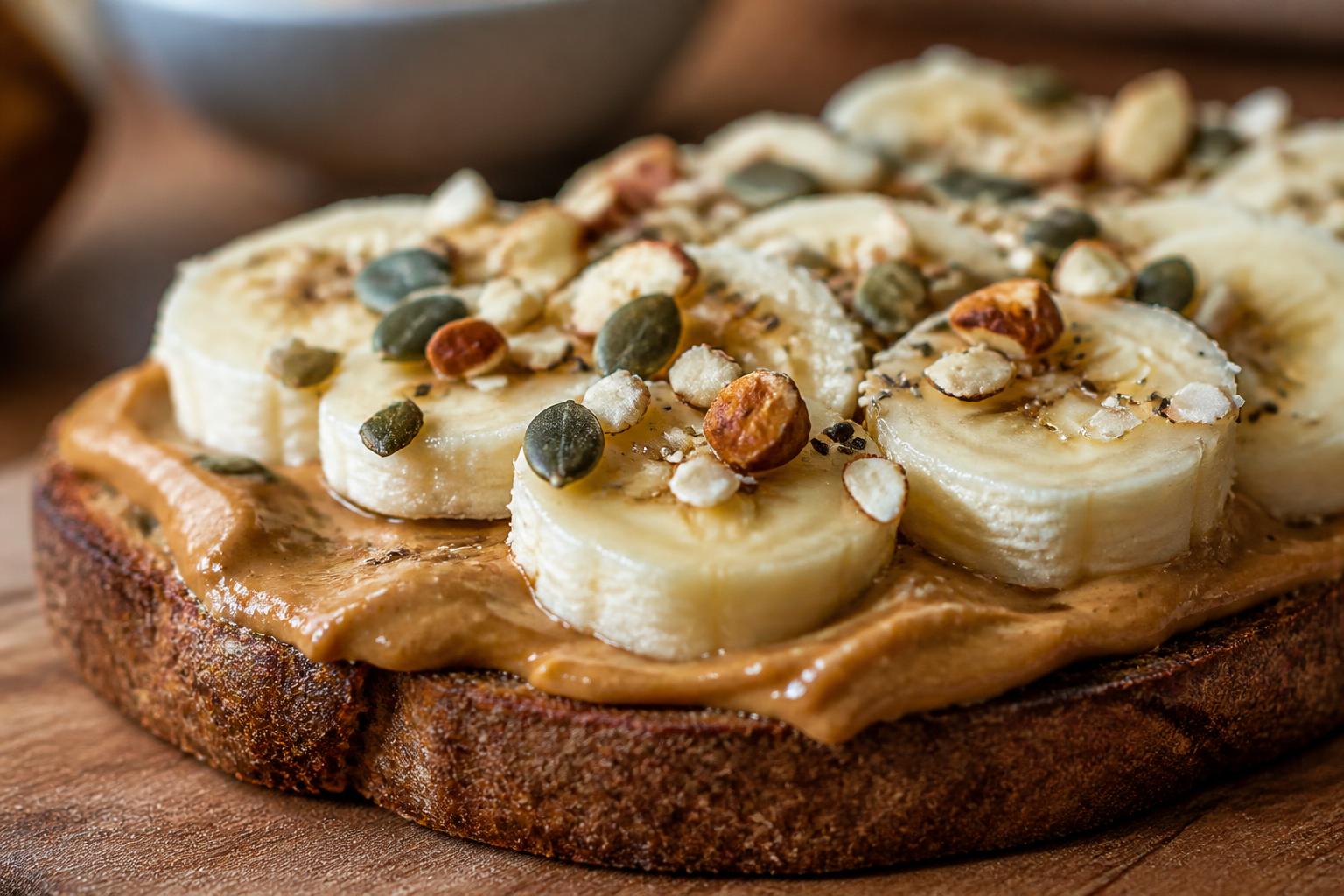
- Wholegrain toast with mashed banana and peanut butter
- Cottage cheese on toast with sliced banana and cinnamon, if you like a sweet savoury mix
None of these need to be large or elaborate. The point is that they combine roles. Banana adds fruit and sweetness. Oats or wholegrains add more fibre. Yoghurt, milk, nuts, seeds or eggs add protein and, in some cases, fat.
This is also why some breakfasts feel filling even when they are not especially big. A bowl of plain cornflakes with banana may seem light and healthy, but it can be low in both protein and fibre unless you build it up. By contrast, oats with banana and yoghurt may keep you going much longer without feeling heavy.
If you want more ideas built around the same principle, our guide to high-protein breakfasts that keep you full for longer goes into more detail.
Are some banana breakfasts less healthy than they look?
Yes, quite often. Banana has a healthy reputation, so it can make a breakfast sound better than it really is.
Smoothies are one of the clearest examples. A banana smoothie can be perfectly reasonable, especially if it is made with milk or unsweetened yoghurt and kept to a sensible size. But many versions include fruit juice, flavoured yoghurt, honey, syrups or multiple portions of blended fruit. That can push the free sugar content up, particularly if juice is doing much of the liquid work. In the UK, free sugars are the type we are advised to limit, and blending does not automatically make a breakfast healthier.
There is also a practical issue with smoothies. Because they are quick to drink, they may not feel as filling as eating the same ingredients in a bowl. A banana, oats and yoghurt breakfast eaten with a spoon often has more staying power than a large smoothie made from similar foods.
Granola bowls can be misleading for a different reason. Banana, granola and yoghurt looks balanced at first glance, but many granolas are energy dense and contain added sugars or syrups. Flavoured yoghurts can do the same. A bowl can become much sweeter and more calorie dense than expected before you have even added nut butter or dried fruit. Checking the label helps here. In the UK, the nutrition panel and ingredients list will tell you whether sugar, syrups or honey are doing a lot of the work.
Pastries and banana bread deserve the same scrutiny. A croissant filled with banana, or a thick slice of banana loaf from a coffee shop, may feel like a fruit based breakfast, but it is still usually more of a treat style option than a balanced morning meal. That does not mean never. It just means recognising what it is.
Toppings can also shift the picture. Chocolate spread, sweetened coconut yoghurt, caramel sauce and heavily sweetened cereal clusters all change the balance quickly. The breakfast may still include banana, but banana is no longer the main nutritional story.
If packaged breakfast options are part of your routine, it is worth knowing how to choose a healthier breakfast muffin in the UK, because the same label reading habits apply to breakfast bars, pastries and on the go bakes.
Does banana ripeness change the health picture?
Ripeness changes a banana quite noticeably in taste and texture. A greener banana is firmer and less sweet. A riper banana is softer, sweeter and easier to mash into porridge, pancakes or overnight oats. That much is obvious in everyday cooking.
Nutritionally, the main change is that some of the starch breaks down into simpler sugars as the banana ripens. This is why ripe bananas taste sweeter. Less ripe bananas contain more resistant starch than very ripe ones, although the exact amount depends on how green or yellow they are.
That can sound like it should create a major health divide, but in practical breakfast terms the difference is often overstated. Yes, ripeness affects sweetness and starch composition. But for most people, the bigger question is still what the banana is eaten with. A ripe banana with oats, plain yoghurt and seeds is likely to be a more balanced breakfast than a less ripe banana eaten alone.
Evidence is also limited when it comes to making strong, everyday claims about health outcomes from choosing one stage of ripeness over another in normal portions. For most readers, the useful takeaway is simple. Pick the ripeness that suits your taste and the job you want the banana to do.
Use a firmer banana if you want slices that hold their shape on cereal or toast. Use a ripe banana if you want natural sweetness in porridge or baking. If you prefer less sweetness, choose one that is more yellow than speckled. If you want something softer and easier to digest before activity, a riper one may be more appealing.
Ripeness matters, but it does not transform banana from a poor breakfast into a complete one, or the other way round.
Simple banana breakfast ideas for different mornings
A healthy banana breakfast should be easy enough to repeat. If it only works on a quiet Sunday, it is not much use on a wet Tuesday before the train.
For very quick mornings, porridge is still one of the most reliable formats. Microwave oats made with milk or fortified soya drink, topped with sliced banana and a spoonful of peanut butter, take only a few minutes and cover the basics well. If you prefer something cold, plain Greek yoghurt with banana, a handful of oats and some seeds is just as straightforward.
For portable breakfasts, overnight oats are hard to beat. Make them the night before with oats, milk or yoghurt, banana and chia seeds, then take the jar with you. A wholegrain wrap with banana and nut butter also travels well, though it works best if eaten the same morning rather than packed far in advance.
For sit down breakfasts, banana works well in a bowl with more texture. Try porridge with walnuts and cinnamon, or a thicker yoghurt bowl with banana, toasted oats and pumpkin seeds. If you want something more substantial, have banana on wholegrain toast with peanut butter, and add a boiled egg or a pot of plain yoghurt on the side.
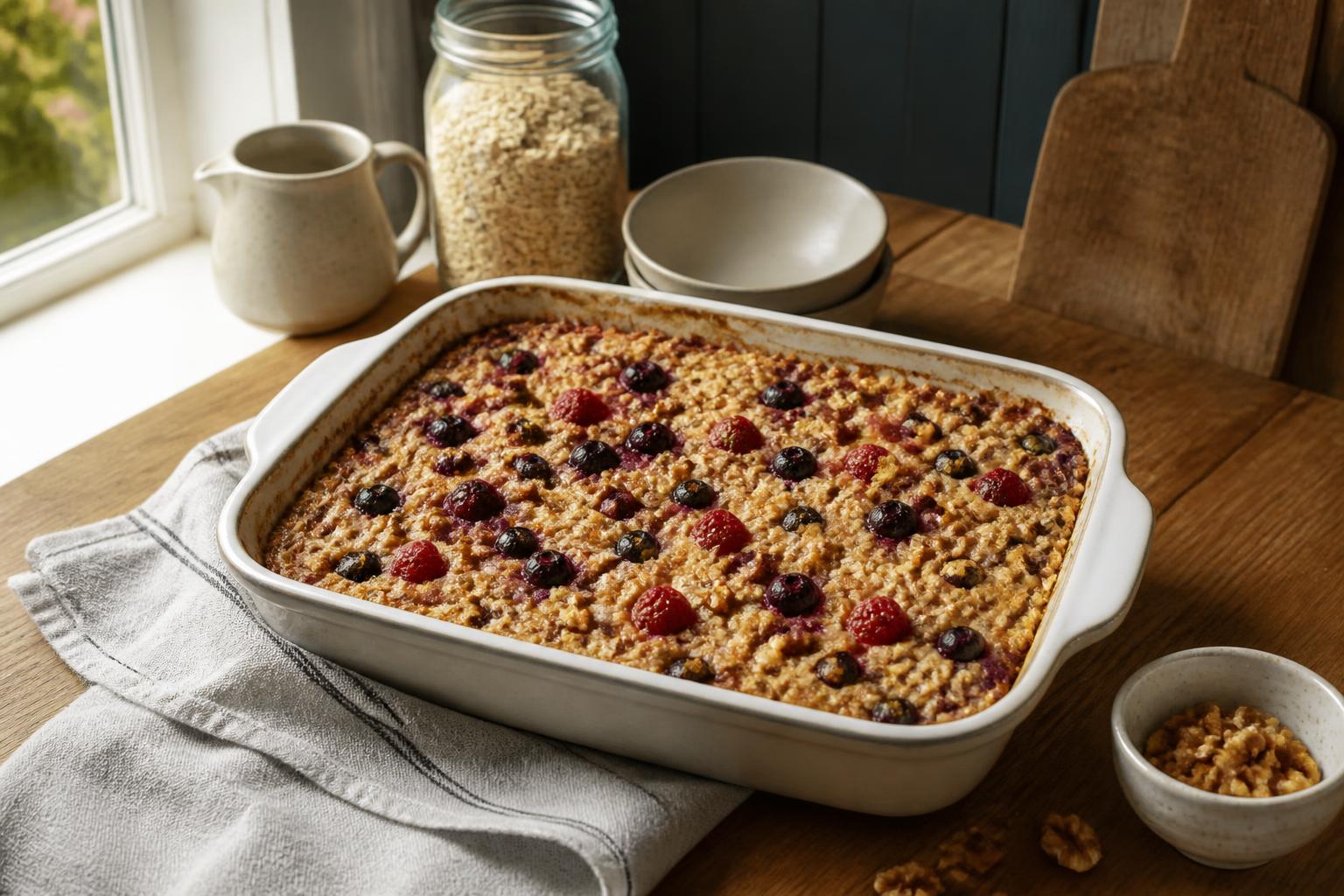
If you like baking ahead, oat based breakfasts can make busy mornings easier without relying on pastries or sugary cereal bars. Our round up of baked oatmeal breakfasts that stay practical and filling is useful if you want something you can portion out across the week.
Plant based eaters have plenty of options too. Banana pairs well with soya yoghurt, peanut butter, oats, chia seeds and fortified plant drinks, all of which can help make breakfast more filling. If that is your usual pattern, our guide to healthy vegan breakfasts that keep you full for longer covers more combinations built on the same logic.
A few realistic combinations for different mornings:
- Two minute breakfast: plain yoghurt, banana, oats, seeds
- Desk breakfast: overnight oats with banana and peanut butter
- Weekend breakfast: porridge with banana, walnuts and cinnamon
- Portable option: wholegrain toast or wrap with banana and nut butter
- Lighter breakfast: banana with skyr or Greek yoghurt and a few chopped nuts
There is no need to force banana into breakfast if you do not enjoy it. But if you do, it is one of the easiest fruits to build around. The trick is not to expect it to do every job on its own.
A healthier banana breakfast is usually a balanced one, with banana as the fruit element rather than the entire meal. Add a source of protein, bring in more fibre, watch out for sweetened extras, and the result is much more likely to keep you satisfied through the morning.

Questions about this article or a correction to suggest? Get in touch. Read more about our editorial approach.