A breakfast that keeps you full for longer usually does two things at once. It gives you a meaningful amount of protein, and it still looks like a balanced meal rather than a protein delivery system. In practice, that means pairing protein with fibre, some healthy fats, and foods that bring vitamins and minerals rather than relying on sweetened bars, oversized pastries, or heavily marketed “high protein” snacks.
For most people, a healthy high-protein breakfast is built from ordinary foods you can buy in any UK supermarket, such as eggs, Greek-style yoghurt, skyr, milk, kefir, oats, nuts, seeds, beans, and wholegrain bread. The best option is the one you will actually eat on a weekday, whether that is porridge with yoghurt and seeds, eggs on toast with tomatoes, or a pot of skyr with fruit and oats.
What makes a breakfast high in protein and still healthy?
There is no single legal definition of a high-protein breakfast in everyday use, but a practical starting point is a meal that gives noticeably more protein than a typical bowl of low-fibre cereal with milk or a slice of toast with jam. For many adults, that often means aiming for roughly 20g or more of protein at breakfast, though needs vary with body size, appetite, age, activity level, and the rest of the day’s eating.
Protein matters because it helps make a meal more satisfying and contributes to muscle maintenance. But protein on its own is not a shortcut to a good breakfast. A meal can be high in protein and still be unbalanced if it is high in salt, high in added sugar, low in fibre, or based mostly on ultra-processed products with little else going for them nutritionally.
A healthy high-protein breakfast usually includes:
- A clear protein source, such as eggs, yoghurt, milk, cottage cheese, tofu, or beans
- A fibre source, such as oats, wholegrain bread, fruit, berries, beans, or seeds
- Some micronutrient-rich foods, such as fruit, vegetables, nuts, or dairy alternatives fortified with calcium and vitamins
- A sensible level of saturated fat, salt, and added sugar for the portion eaten
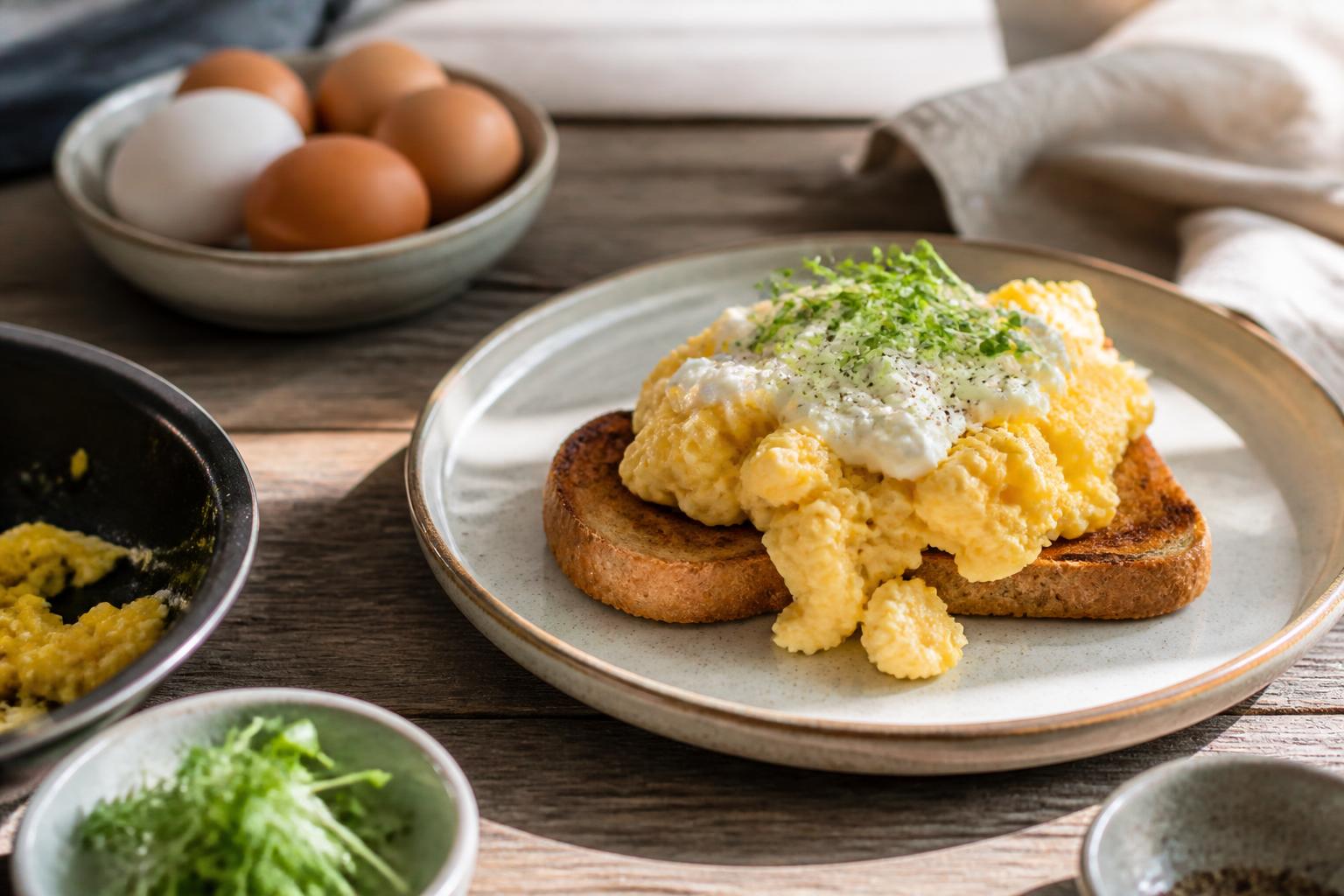
This is why two breakfasts with similar protein totals can be very different nutritionally. Scrambled eggs on wholemeal toast with grilled mushrooms is a different proposition from a sweetened “protein” pastry and an energy drink. Both may contain protein, but only one is likely to support fullness, steadier energy, and better overall diet quality.
It is also worth remembering that breakfast does not have to be traditional. Leftover lentils on toast, a smoothie bowl with yoghurt and oats, or a bean-based savoury wrap can all work perfectly well if they fit your routine.
How protein at breakfast may help with fullness
Evidence suggests that protein can help increase satiety, which is the feeling of fullness after eating, and may help some people feel less hungry later in the morning. That is one reason protein-rich breakfasts are often easier to stick with than breakfasts based mostly on refined starches and sugar.
There are a few likely reasons for this. Protein tends to be digested more slowly than highly refined carbohydrates, and meals that include protein often need more chewing and have more structure. In real meals, protein also often comes alongside fats and fibre, which can further slow digestion and help a breakfast feel more substantial.
That said, people do not all respond in the same way. Fullness depends on more than protein grams. Portion size, fibre content, sleep, stress, habitual eating patterns, activity, and even whether you prefer sweet or savoury foods can all affect how satisfied you feel. A small pot of high-protein yoghurt may contain plenty of protein on paper, but if it is low in volume and not paired with fruit, oats, or seeds, it may not keep you going for very long.
The form of the meal matters too. Liquid breakfasts can be convenient, but many people find that a drink does not satisfy them in the same way as a bowl or plate of food. If you do prefer a smoothie, it often helps to build it more like a meal, with yoghurt or milk, oats, nut butter, seeds, and fruit, rather than relying on fruit alone.
This is why we look at breakfast as a whole pattern, not just a protein number. If you want a breakfast that keeps you full, protein helps, but it usually works best when combined with fibre-rich carbohydrates and a realistic portion.
Foods that can raise protein without making breakfast less balanced
The easiest way to increase protein at breakfast is to use familiar foods that also bring other nutrients.
Eggs are the obvious example. They are versatile, widely available, and work well with wholegrain toast, spinach, tomatoes, mushrooms, or beans. The meal becomes more balanced when eggs are part of a plate that includes fibre and produce, rather than just extra meat and cheese.
Greek-style yoghurt and skyr are useful because they are concentrated sources of protein and easy to pair with fruit, oats, nuts, and seeds. Plain versions are usually the most flexible, because flavoured pots can carry a lot of added sugar. A bowl of plain yoghurt with berries, oats, and chia seeds is often a better everyday choice than a sweetened “protein” dessert pot sold in the breakfast aisle.
Milk and fortified unsweetened soya drink can also help. Both can lift the protein content of porridge, overnight oats, or smoothies. In the UK, fortified dairy alternatives can contribute calcium and sometimes iodine or vitamins B12 and D, but not all are fortified to the same level, so labels matter.
Oats deserve a place here even though they are not a high-protein food in the same way as eggs or yoghurt. They bring soluble fibre, which can help with fullness, and they combine well with higher-protein ingredients. Porridge made with milk, then topped with yoghurt or nut butter and seeds, is very different from instant sugary oats made with water.
Nuts and seeds add smaller amounts of protein, but they also bring fibre and unsaturated fats. Peanut butter, almonds, pumpkin seeds, hemp seeds, and chia seeds can all make breakfast more substantial. The key is to use them as part of a meal, not as a health halo around a low-fibre breakfast biscuit.
Beans are underused at breakfast. Baked beans, especially lower-sugar and lower-salt versions where available, can provide protein and fibre together. They work well on wholemeal toast, with eggs, or alongside grilled tomatoes and mushrooms.
For plant-based eaters, tofu and unsweetened soya yoghurt are practical options. Tofu scramble can be built much like scrambled eggs, and soya yoghurt can anchor a breakfast bowl with fruit and oats. If you want more plant-based ideas, our guide to healthy vegan breakfasts that keep you full for longer takes this further.
How to build a high-protein breakfast at home
The simplest approach is to use a repeatable pattern rather than chasing recipes.
One reliable pattern is protein plus wholegrain carbohydrate plus fruit or veg.
Examples:
- Eggs on wholemeal toast with grilled tomatoes
- Cottage cheese on seeded toast with sliced cucumber and pepper
- Baked beans on toast with mushrooms
- Tofu scramble with wholegrain wrap and spinach
A second pattern is protein plus oats plus fruit plus seeds.
Examples:
- Porridge made with milk, topped with Greek-style yoghurt and berries
- Overnight oats with skyr, apple, cinnamon, and chia seeds
- Plain yoghurt with oats, banana, walnuts, and pumpkin seeds
A third pattern is a portable breakfast pot.
Examples:
- Skyr with a handful of oats and chopped fruit
- Kefir with berries and a spoon of nut butter
- Unsweetened soya yoghurt with muesli and seeds
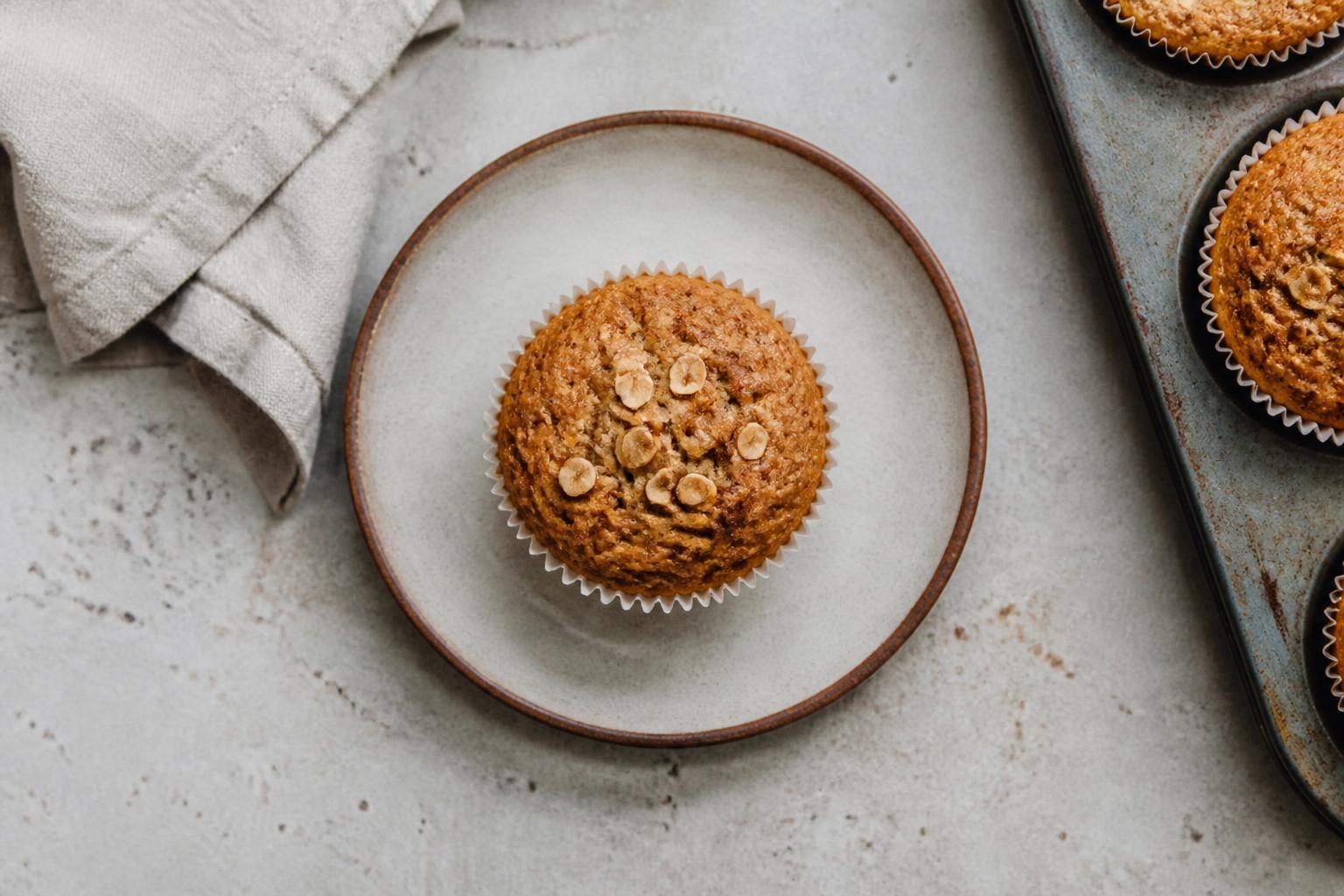
If mornings are rushed, build from supermarket basics that need little preparation. Keep eggs, plain yoghurt, frozen berries, oats, wholemeal bread, and nut butter at home. Frozen fruit is often as useful as fresh, and it reduces waste. Batch-cooked egg muffins can work too, but they should not replace a proper breakfast if they are tiny and low in fibre. If you buy one on the go, our guide on how to choose a healthier breakfast muffin in the UK covers what to look for.
Budget matters as well. A high-protein breakfast does not need branded powders or premium snack pots. Some of the most cost-effective options are porridge made with milk, eggs on toast, beans on toast, or plain yoghurt with oats and fruit. Branded “protein” products are often more expensive per portion and not necessarily more filling.
For households with mixed needs, keep the core breakfast adaptable. One person may add peanut butter, another may add extra fruit, and another may swap dairy for fortified soya. The same base can suit different appetites without requiring separate meals.
When high-protein breakfast ideas become less healthy
The most common problem is assuming that more protein automatically means healthier. It does not.
Some breakfast products marketed as high in protein are also high in added sugar. This is common in flavoured yoghurts, granola-style snack pots, breakfast biscuits, and bars. A product can sound functional and still be close to a dessert in composition.
Salt is another issue, especially in processed meat-heavy breakfasts. Bacon, sausages, and some meat substitutes can push salt levels up quickly, particularly when paired with bread, sauces, and cheese. In the UK, front-of-pack traffic light labels can help you spot whether a product is high in salt, sugar, or saturated fat at a glance.
Low fibre is a quieter problem. A breakfast can contain plenty of protein but still leave you hungry if it is based on low-fibre foods alone. Think of a protein shake with little else, or a couple of chicken sausages without any fruit, vegetables, or wholegrains. Fullness usually improves when protein is part of a more complete meal.
Ultra-processed marketing deserves scrutiny too. “Protein-packed”, “fitness”, “fuel”, and “guilt-free” are not nutrition standards. We focus instead on what is actually in the food: protein per serving, fibre, free sugars where relevant, salt, saturated fat, and how processed the product is relative to simpler alternatives.
Portion distortion can also make a breakfast less healthy. Adding multiple protein extras to one meal, such as protein cereal, protein yoghurt, protein granola, and protein spread, may simply create an expensive breakfast high in calories but not especially balanced. More is not always better.
This is especially relevant with breakfast bars and flapjacks, which are often sold as practical, wholesome options. Some are useful as occasional convenience foods, but many are still confectionery-adjacent in sugar and portion size. If that is your usual breakfast format, compare options carefully using our guides to how to make a healthier breakfast bar at home and how to judge a healthier breakfast flapjack.
How to read labels on cereals, yoghurts and breakfast snacks
When comparing convenient breakfast foods, the back-of-pack nutrition table and ingredients list usually tell you more than the front of the pack.
Start with the serving size, but do not stop there. In the UK, labels typically show values per 100g and sometimes per portion. Per 100g is the best way to compare similar products across brands, because portion sizes can be set very differently.
For cereals, look at:
- Protein, if you are specifically trying to raise it
- Fibre, because this strongly affects how filling the cereal is likely to be
- Sugar, especially in granolas, clusters, and children’s cereals
- Salt, which can vary more than people expect
A cereal marketed for protein may still be low in fibre and high in sugar. Oats, shredded wheat, and some no-added-sugar mueslis often provide a better base than heavily sweetened “fitness” cereals. Then you can add protein with milk, yoghurt, nuts, or seeds.
For yoghurts, check:
- Protein per 100g or per pot
- Total sugars, while remembering that plain dairy yoghurt contains naturally occurring lactose
- Ingredients list, to see whether sugar, syrups, or sweeteners are doing most of the work
- Fat content, in context of the whole meal rather than in isolation
A plain Greek-style yoghurt with fruit you add yourself is often easier to assess than a flavoured pot with multiple sweeteners and flavourings. For plant-based yoghurts, also check whether they are fortified with calcium and key vitamins.
For breakfast snacks, bars, and on-the-go pots, pay attention to:
- Protein, but also fibre
- Free-sugar-heavy ingredients near the top of the list, such as syrups or glucose blends
- Salt, especially in savoury items
- Whether the product is realistically a meal or just a snack with protein added
Traffic light labels are useful in the UK because they flag high, medium, or low levels of fat, saturated fat, sugars, and salt per portion. They are voluntary rather than mandatory, and they are not used in exactly the same way across Europe, so imported products may present information differently. Where UK and wider EU practice differ, the practical point for shoppers here is that front-of-pack colours can help, but the per 100g table remains the fairest comparison tool.
A good rule is simple. If a product makes strong protein claims, ask what else comes with it. If the answer is lots of sugar, little fibre, and a long ingredients list designed to sound healthy, it may not be the breakfast that keeps you full for longer.
A healthy high-protein breakfast does not need to be perfect or complicated. It needs enough protein to make the meal substantial, enough fibre to support fullness, and enough everyday practicality that you will choose it again tomorrow.

Questions about this article or a correction to suggest? Get in touch. Read more about our editorial approach.