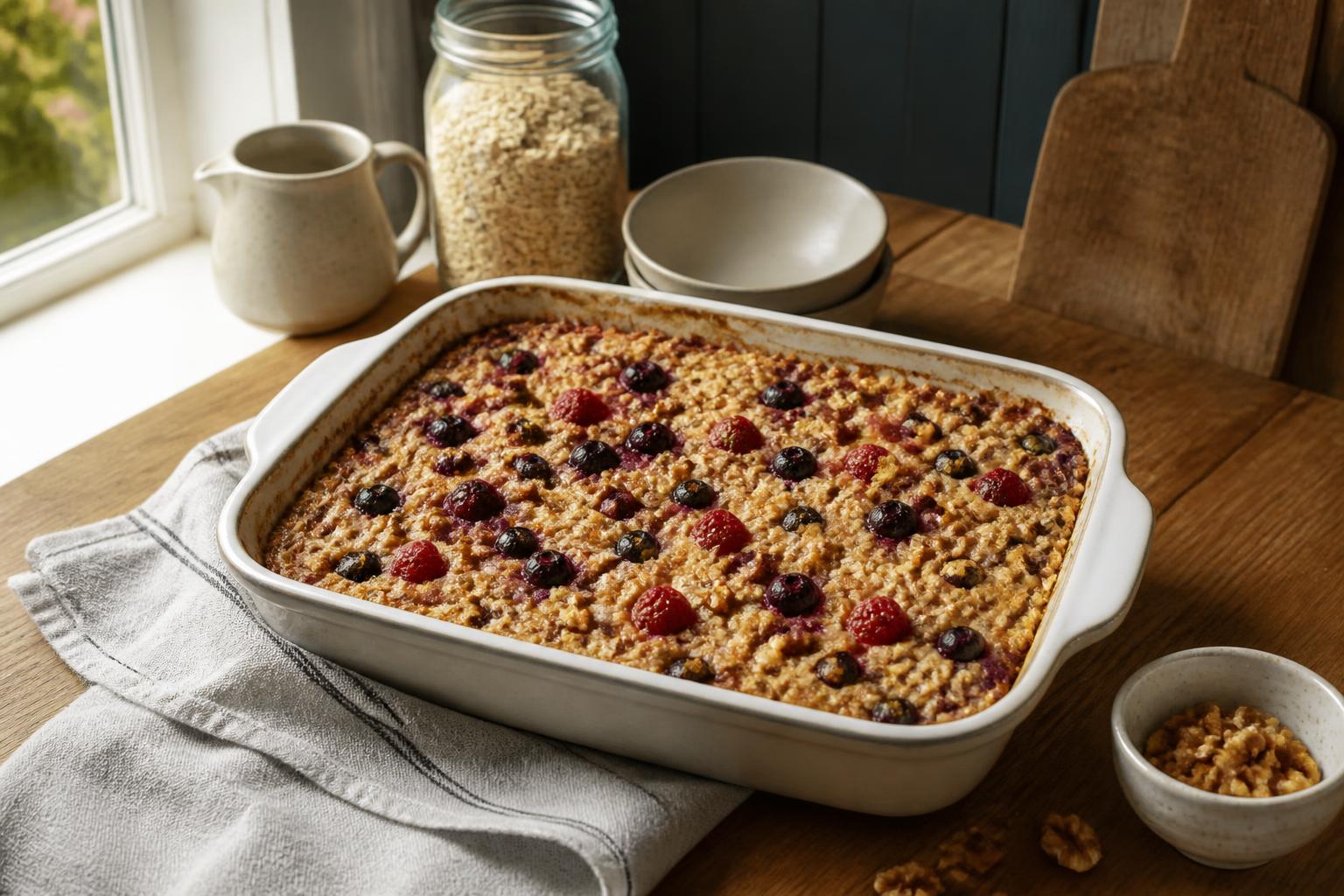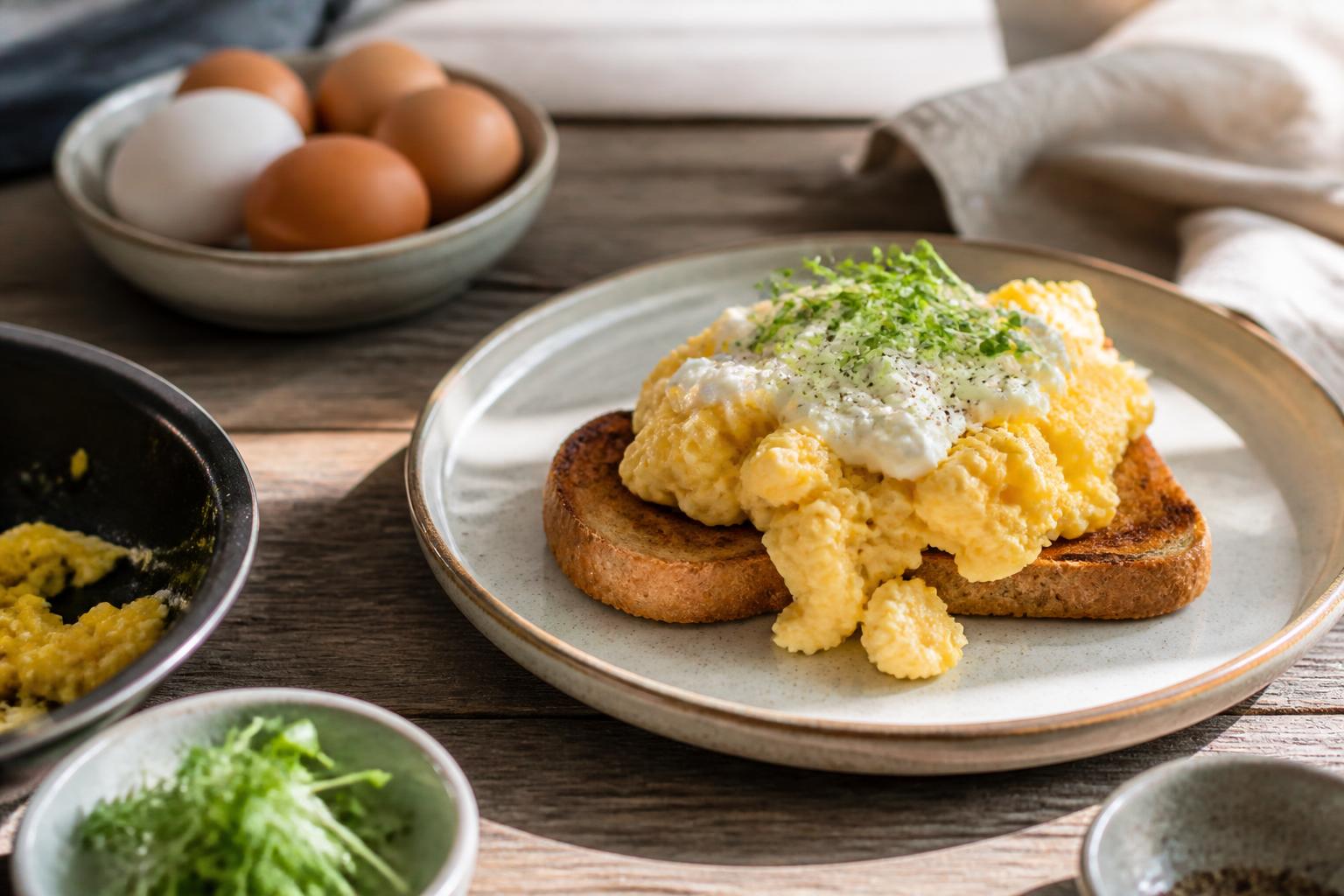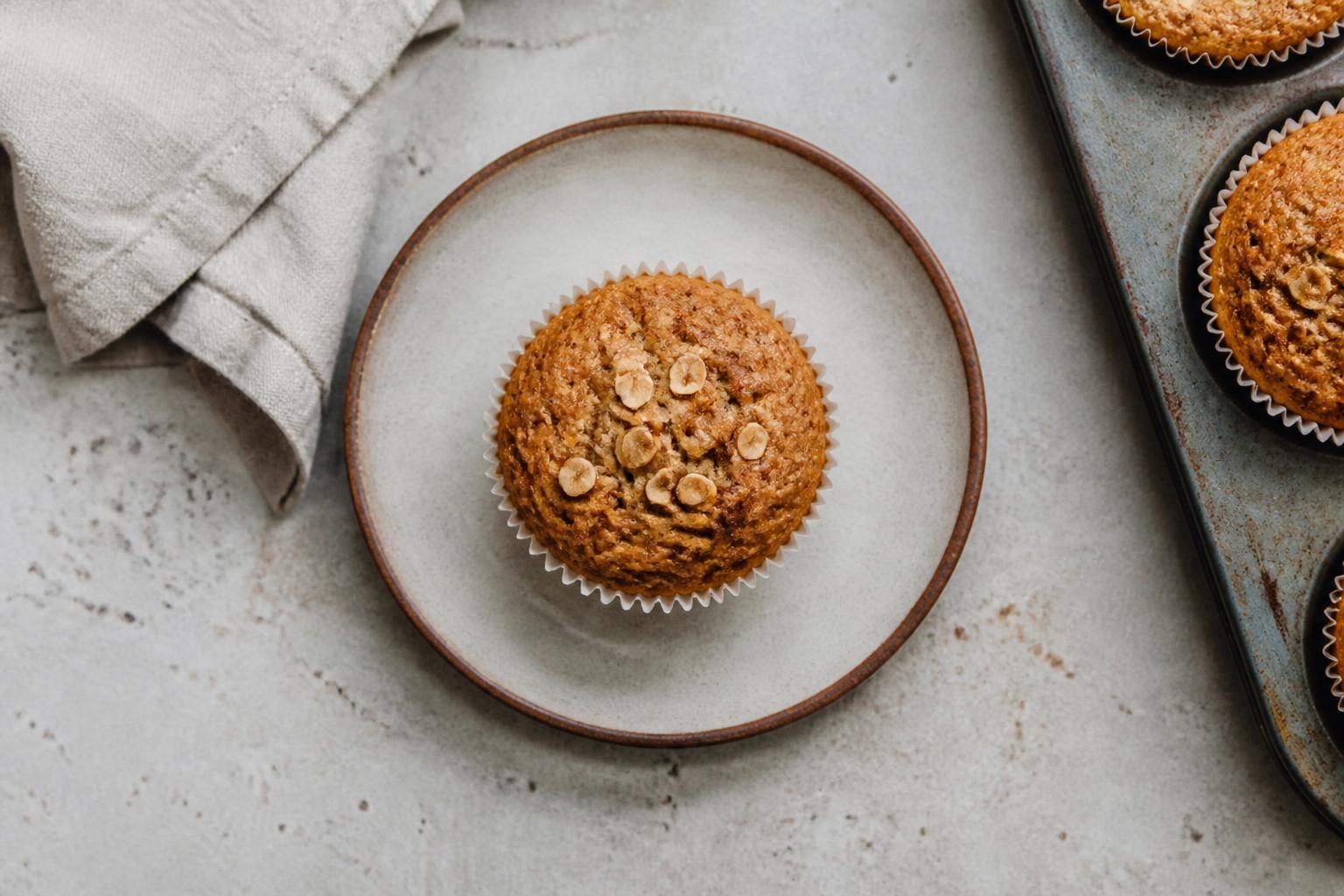
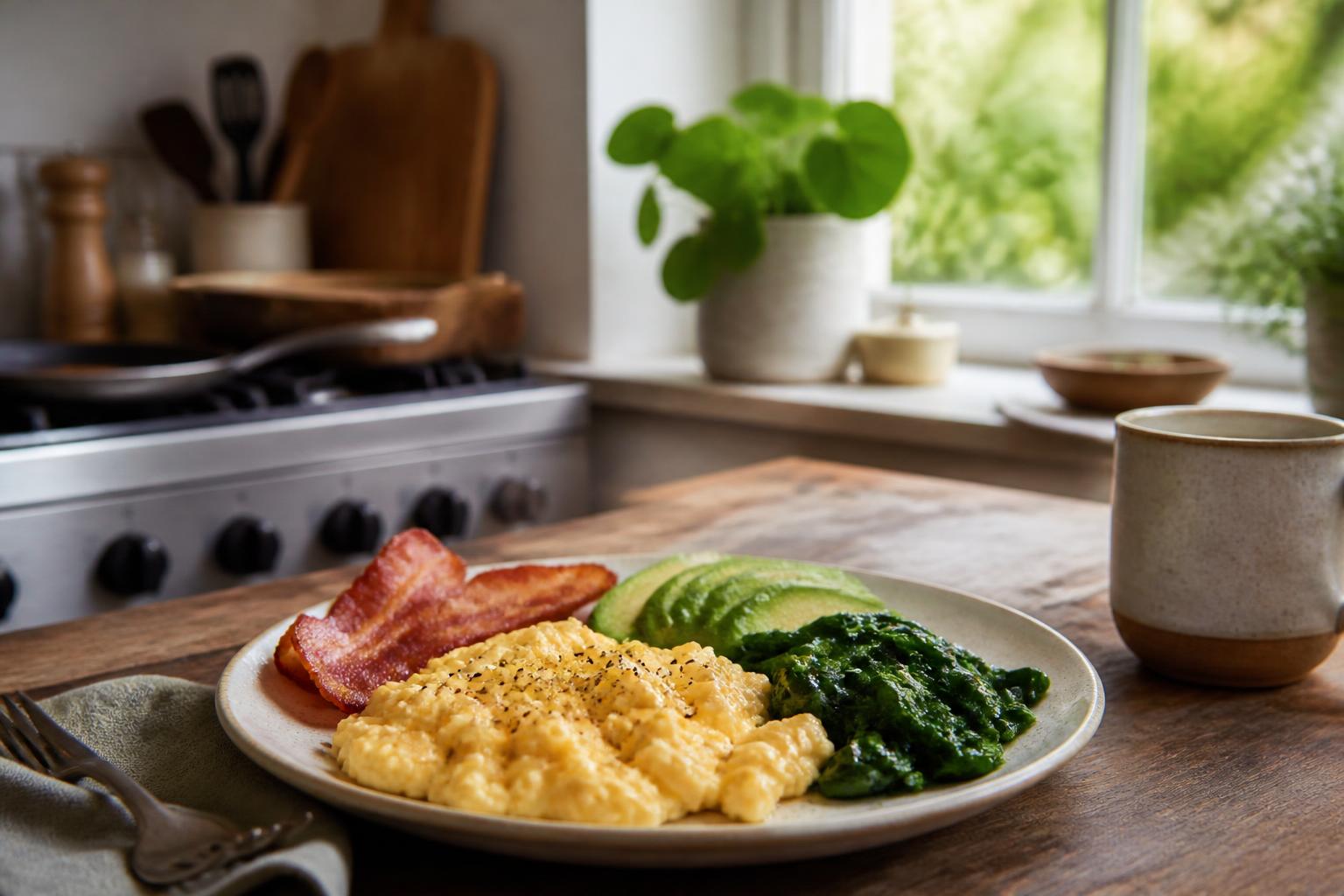
A healthy keto breakfast is not just any breakfast with the toast removed. In practical terms, it keeps digestible carbohydrate low enough to fit a ketogenic way of eating, while still giving you enough protein, fibre and micronutrients to make it a sensible meal rather than a plate of fat with a “low-carb” label attached.
That distinction matters, because plenty of products sold as keto are low in carbohydrate but still heavily processed, light on fibre and easy to overeat. For most people, the best approach is simple food built from eggs, yoghurt, nuts, seeds, avocado and lower-carb vegetables, with packaged products treated as occasional helpers rather than the backbone of the routine.
What makes a breakfast keto, and what makes it healthy?
A keto breakfast is one that keeps carbohydrate low, usually by avoiding or sharply limiting foods such as bread, cereal, oats, granola, most tropical fruit, fruit juice and sugary yoghurt. In everyday meal terms, that often means centring breakfast on eggs, full-fat dairy, nuts, seeds, olives, avocado and vegetables rather than on grains.
What counts as “keto” varies from person to person. Some people aim for very low daily carbohydrate intake, others simply want a lower-carb breakfast that helps appetite and blood sugar feel steadier through the morning. That is why the label alone is not enough. A breakfast can be low in carbs and still not be especially healthy.
For us, a healthier keto-style breakfast usually has four practical features.
First, it contains enough protein to be filling. Eggs, Greek yoghurt, cottage cheese and smoked salmon do more for satiety than coffee with cream or a “bulletproof” style drink made mostly from fat.
Second, it includes some fibre. Keto diets can become fibre-poor quite quickly if breakfast is built only around meat, cheese and butter. Chia seeds, flaxseed, nuts, avocado, raspberries and vegetables help here.
Third, it is based mainly on recognisable foods rather than ultra-processed substitutes. There are now keto cereals, keto bars and keto breads in most larger UK supermarkets and online, but many rely on long ingredient lists, sweeteners and refined fats. They may fit the carbohydrate target while doing little for overall diet quality.
Fourth, it keeps portions realistic. Cheese, cream, nut butters and nuts can all fit a healthy keto breakfast, but they are energy-dense. A breakfast that is technically low in carbs can still be far more substantial than you intended.
If you are not following a strict ketogenic diet, it is also worth reading our guide to healthy low-carb breakfasts that keep you full for longer, because many people want the practical benefits of a lower-carb morning without needing the tighter limits of keto.
Which foods fit a healthier keto breakfast?
The simplest building blocks are easy to find in UK shops, from Aldi and Tesco to local convenience stores.
Eggs are usually the most versatile base. Boiled eggs, scrambled eggs, omelettes, egg muffins and baked eggs all work. They provide protein and are easy to pair with vegetables. Spinach, mushrooms, tomatoes and courgettes are common choices, though tomatoes need a little more care if you are keeping carbs very low.
Greek yoghurt and some natural full-fat yoghurts can also fit, provided you check the label. Plain versions are usually much lower in sugar than flavoured ones. In UK supermarkets, “Greek style” and “Greek” are not always nutritionally identical, so compare the carbohydrate and protein per 100g rather than relying on the front of pack wording.
Cottage cheese and soft cheese can be useful too. Cottage cheese tends to be higher in protein than cream cheese, which makes it more filling for many people.
Nuts and seeds are practical additions rather than automatic mains. Almonds, walnuts, pecans, chia seeds, pumpkin seeds and ground flaxseed all add texture, fats and some fibre. Chia and flax are especially useful if your breakfast pattern otherwise lacks fibre. Nut portions are worth watching, because a small handful is very different from a generous bowl.
Avocado is popular for good reason. It is relatively low in carbohydrate, provides fibre and is easy to pair with eggs, smoked fish or leftover cooked vegetables. It can also replace toast as the “base” of a quick breakfast plate.
Lower-carb vegetables are what often separate a healthier keto breakfast from a heavier one. Spinach, mushrooms, peppers, cucumber, radishes and salad leaves can all be worked in without much effort. A breakfast omelette with spinach and mushrooms is nutritionally quite different from a plate of bacon and cheese alone.
Berries, especially raspberries, blackberries and strawberries, can fit in modest amounts. They are not as low in carbohydrate as eggs or avocado, but they are often a more useful choice than highly sweetened “keto” toppings and syrups.
Unsweetened drinks matter too. Tea and coffee are naturally very low in carbs, but the extras can change that quickly. Milk contributes some carbohydrate because of lactose. That does not mean it is “bad”, but it is worth counting if you are being strict. Unsweetened almond drink is usually lower in carbohydrate than dairy milk, though it is often lower in protein as well.
What should you watch for on labels?
In the UK, nutrition labels usually give values per 100g or 100ml, and often per portion as well. For keto breakfasts, the line most people look at first is carbohydrate. That is sensible, but it should not be the only thing you check.
Start with “carbohydrate”, then look underneath at “of which sugars”. In UK and EU style labelling, carbohydrate already excludes fibre, so you do not need to subtract fibre from the total in the way some American advice suggests. That difference matters if you read a lot of online keto content from the US.
A product can be relatively low in total carbohydrate and still contain a fair amount of sugar if the portion is large enough, so look at both lines together. Flavoured yoghurts, breakfast drinks and “protein” puddings are common examples.
Next, check fibre. Many packaged low-carb products are low in carbohydrate because grain has been replaced with refined starch alternatives, sweeteners or added fats. A better option usually has at least some meaningful fibre from seeds, nuts or vegetables.
Then look at protein. For breakfast, this often tells you more about likely fullness than the fat figure does. Two products with similar carbs can perform very differently through the morning if one is mostly fat and the other has a solid amount of protein.
Ingredients matter as much as the panel. Watch for sugar in its obvious forms, but also for honey, syrups, fruit concentrates and maltodextrin. With yoghurt pots, granolas and breakfast bars, these ingredients often explain why the front of pack claim looks healthier than the numbers suggest.
Sweeteners are a separate judgement. Some people are happy using products sweetened with stevia or erythritol, others find they keep cravings going or cause digestive discomfort. A “keto” label does not tell you whether a product will suit you personally.
For drinks, be careful with ready-made smoothies, “wellness” shots and flavoured coffees. Even when they look wholesome, they are often fruit-led and much higher in carbohydrate than a keto breakfast allows.
Common keto breakfast ideas and their trade-offs
Egg-based breakfasts are usually the strongest all-round option. Scrambled eggs with spinach, an omelette with mushrooms, or boiled eggs with avocado are low in carbs, contain useful protein and can be made without specialist products. The trade-off is practicality. Some people have time to cook every morning, many do not. Batch-cooking egg muffins or boiling eggs the night before helps.
Chia pots are one of the more convenient make-ahead choices. Chia seeds soaked overnight in unsweetened milk or yoghurt can provide fibre and a pudding-like texture, and they pair well with a few berries and chopped nuts. The trade-off is that they are not especially high in protein unless you build that in with Greek yoghurt, cottage cheese on the side, or a higher-protein dairy base.
Full-fat dairy breakfasts can work well, particularly plain Greek yoghurt with seeds and a small portion of berries. The main advantage is speed. The trade-offs are twofold. First, some yoghurts marketed as indulgent or “thick and creamy” are much higher in sugar than people expect. Second, large bowls of yoghurt with lots of nuts can become surprisingly energy-dense.
Smoothies are the trickiest category. A conventional breakfast smoothie based on banana, oats, juice or dates is not keto. A lower-carb smoothie can be made with unsweetened almond drink, spinach, avocado, nut butter and perhaps a small amount of berries, but it is easy to make these too low in protein and too high in calories. Drinking breakfast can also be less satisfying than eating it. If you do use smoothies, treat them as a carefully built meal rather than a default “healthy” option.
Cooked breakfasts are where keto and health can drift apart. A full English without hash browns, beans and toast is certainly lower in carbs, but that does not automatically make it a healthy keto breakfast if it is built around large portions of processed meat and very little else. Bacon and sausages can fit occasionally, but a more balanced version usually includes eggs, mushrooms, tomatoes in moderation, spinach and perhaps avocado, with processed meat kept in proportion.
Keto cereals and breakfast bars are convenient, but they need the closest label reading. Some are genuinely lower in carbohydrate and higher in fibre than mainstream cereal. Others are expensive mixtures of chicory fibre, sweeteners and oils that leave you hungry an hour later. If you want a packaged breakfast, compare it against a bowl of plain Greek yoghurt with seeds before assuming the branded option is better.
For readers interested in fullness rather than keto specifically, our piece on high-protein breakfasts that keep you full for longer is a useful companion, because protein often determines whether a low-carb breakfast actually works in day-to-day life.
Who may need extra caution with keto breakfasts?
Some people do very well with lower-carb breakfasts. Others find them restrictive, difficult to sustain or awkward alongside medical needs. Evidence is stronger for some uses of low-carb eating than for others, and breakfast choices should not be separated from the wider context of your health.
If you take insulin or medicines that can lower blood glucose, especially sulfonylureas, changing carbohydrate intake can affect blood sugar control. A much lower-carb breakfast may mean your usual medication routine no longer matches your food intake. That is something to discuss with your GP, diabetes nurse or dietitian before making a major shift.
People with kidney disease may need tailored advice on protein, potassium or phosphate, depending on their stage of disease and treatment. A breakfast built around large amounts of dairy, nuts and seeds may not be appropriate.
If you have a history of disordered eating, rigid food rules can become unhelpful quickly. Keto frameworks can encourage all-or-nothing thinking around foods that are otherwise nutritious, such as fruit, pulses or wholegrains. In that situation, a gentler structure may be more supportive than a strict keto target.
Anyone with gallbladder issues, pancreatitis history or difficulty tolerating high-fat meals may also find some keto breakfasts uncomfortable. A lower-carb breakfast does not need to be extremely high in fat to work.
Pregnancy and breastfeeding are other times to be cautious with restrictive patterns unless you have individual clinical advice. The same applies if you are trying to manage high cholesterol, because replacing carbohydrate with large amounts of butter, cream and processed meat is unlikely to be the most helpful version of breakfast.
Children are a separate category. A ketogenic diet for a child is a medical intervention in some settings, not a casual breakfast trend. If you are feeding a family and need broader ideas, our guide to healthy breakfasts for toddlers that actually get eaten is more relevant than adapting adult keto meals.
How to build a practical keto breakfast routine
The easiest routine is based on two or three repeatable formats rather than seven different recipes.
One format is eggs plus vegetables. Keep eggs, spinach and mushrooms in the house, and you can make scrambled eggs, an omelette or egg muffins with very little thought. Add avocado or a spoonful of cottage cheese if you want more substance.
A second format is yoghurt plus seeds plus a small fruit portion. Plain Greek yoghurt, chia or flaxseed, and a few raspberries is quick, portable and easy to portion. If you are hungry soon after eating it, increase the protein before increasing the fat. That may mean choosing a higher-protein yoghurt or adding a boiled egg on the side.
A third format is leftovers. Cold cooked salmon, roast chicken, grilled vegetables or a frittata slice can all be perfectly reasonable breakfasts. Many people do better once they stop expecting breakfast to look like cereal or toast.
Planning matters more than recipes. Keep lower-carb staples visible and easy to use. Pre-wash spinach, boil eggs in batches, portion nuts rather than eating from the bag, and buy plain yoghurt instead of sweetened pots. If your weekday mornings are rushed, build around foods that require assembly rather than cooking.
It also helps to decide where you are flexible. Some people are strict on weekdays and more relaxed at weekends. Others keep breakfast low in carbs but include more carbohydrate later in the day. A routine is more likely to last if it fits your actual schedule.
Finally, do not assume that every breakfast must be branded keto to be worthwhile. In everyday UK eating, a healthy keto breakfast is usually just a simple lower-carb meal made from ordinary foods, with enough protein and fibre to keep you going. If a product needs a large front-of-pack claim to persuade you, it is often worth asking whether eggs, yoghurt, seeds or avocado would do the job more simply.

Questions about this article or a correction to suggest? Get in touch. Read more about our editorial approach.