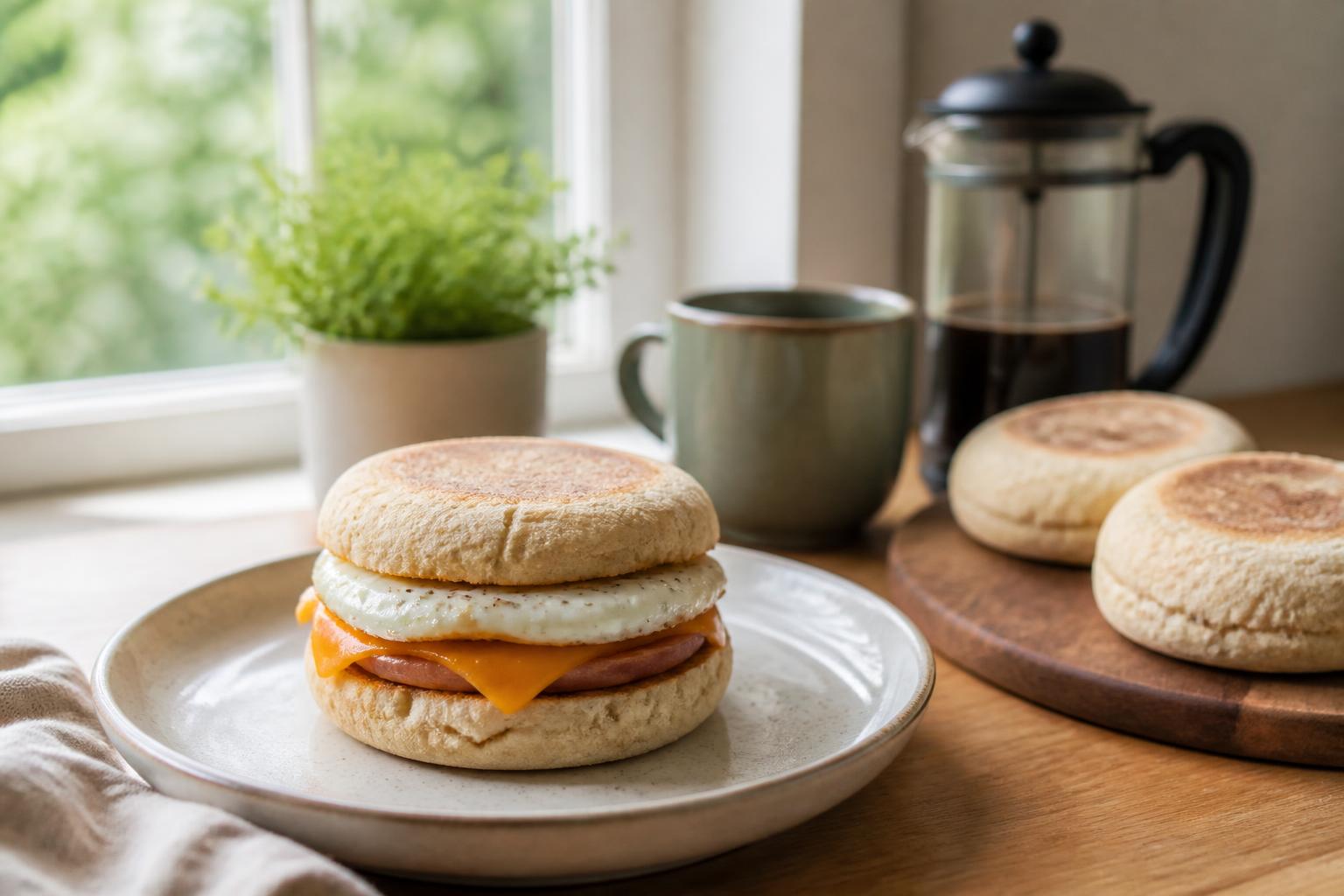
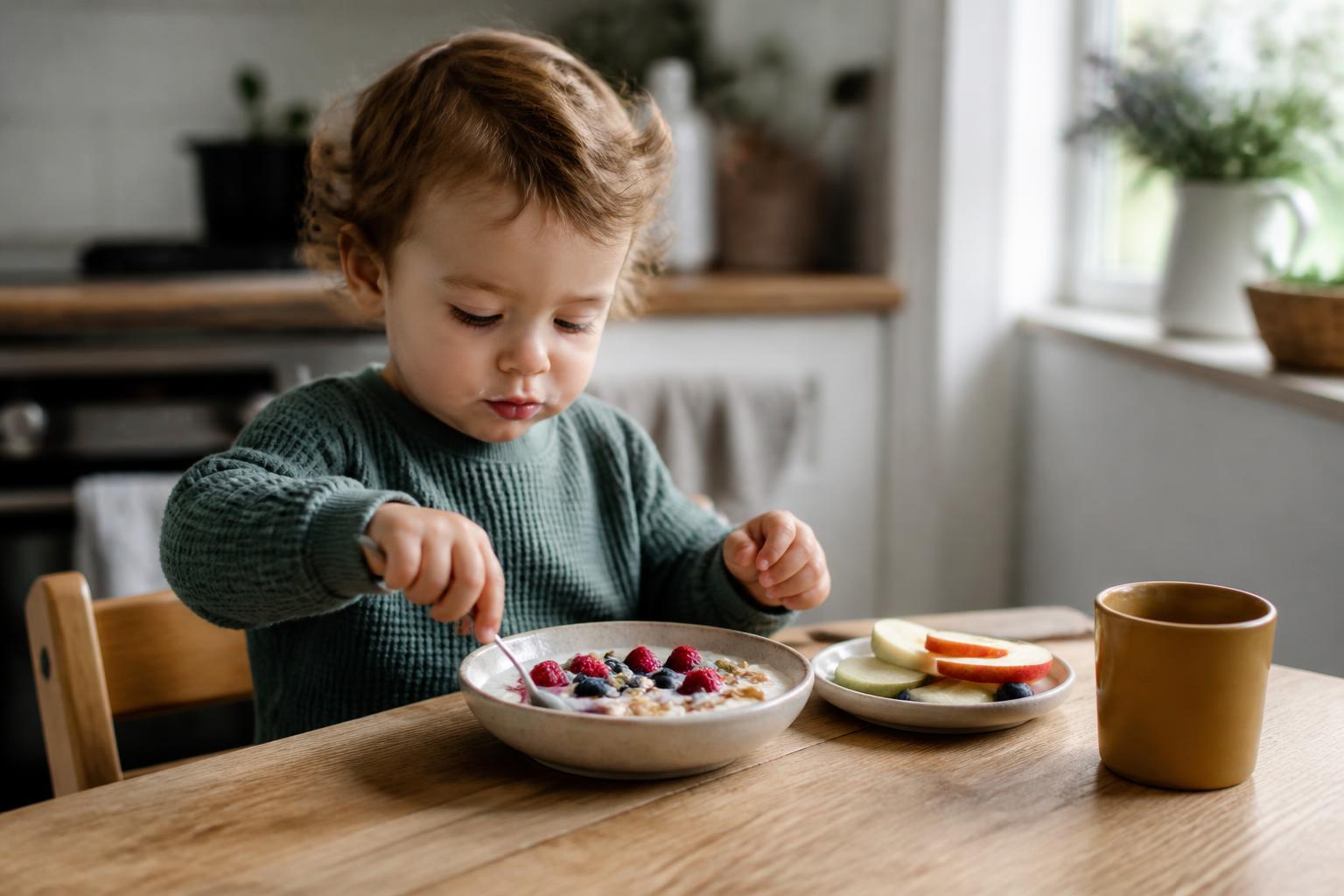
A healthy breakfast for a toddler is usually a simple mix of three things, something starchy for energy, something with protein or fat to help keep them going, and some fruit or veg where it fits naturally. In practice that might be porridge with yoghurt and berries, toast with egg and sliced pear, or plain yoghurt with banana and a few oats stirred through. It does not need to be elaborate, and it does not need to look like a perfect nursery menu every morning.
What matters most is not chasing a flawless plate. It is offering familiar foods regularly, keeping portions realistic, and accepting that toddlers often eat well one day and barely touch breakfast the next. A good healthy toddler breakfast is one that is balanced often enough, safe for their stage, and actually gets eaten at least some of the time.
What makes a healthy toddler breakfast
For most toddlers, breakfast works best when it includes a few reliable building blocks rather than a long list of “superfoods”. We look for balance across the week, not perfection at 7am.
A useful breakfast usually includes:
- A starchy food for energy, such as porridge oats, wholemeal or white toast, crumpets, unsweetened cereal, oatcakes, or a small portion of cooked potato if that is what the family is having
- A source of protein and, often, fat, such as whole milk, natural yoghurt, cheese, nut or seed butter if age appropriate and spread thinly, beans, or eggs
- Fruit or vegetables, such as banana, stewed apple, berries, pear, tomato, mushrooms, or avocado
For toddlers under two, full fat dairy is usually the norm in the UK unless a health professional has advised otherwise. Fat is not something to fear at this stage. It helps with growth and makes breakfast more satisfying. After age two, some children can move onto lower fat dairy if they are growing well and eating a varied diet, but there is no prize for making toddler food “lighter”.
Fibre matters, but so does manageability. Wholegrain foods can be useful, yet some toddlers do better with a mix of wholegrain and more refined options, especially if a very high fibre breakfast fills them up before they have eaten enough overall. If porridge made with oats works, excellent. If wholemeal toast is refused but plain toast with peanut butter is accepted, that can still be a sensible breakfast.
Sugar is where many breakfast foods become less helpful. Toddlers do not need a lot of added sugar first thing in the morning, especially when breakfast products are already easy to overeat and often low in protein. But a healthy breakfast is not ruined by one sweet element. A spoonful of mashed banana in porridge is different from a bowl of chocolate cereal. A plain yoghurt with chopped fruit is different from a dessert-style yoghurt marketed as breakfast.
We also keep in mind that toddlers are still learning how to eat. Familiarity counts. Repetition counts. A breakfast they recognise and tolerate is often more useful than a nutritionally perfect idea they reject on sight.
How much should a toddler eat in the morning?
There is no single correct toddler breakfast portion. Appetite varies hugely between children, and it also varies from one day to the next. Some toddlers wake up hungry and eat a substantial breakfast. Others take a few bites, ask for milk, and seem more interested in breakfast at mid-morning.
That is normal.
It helps to think in small, manageable amounts that can be topped up if wanted. For example:
- Half a slice to one slice of toast, cut appropriately
- A small bowl of porridge, not an adult serving
- Half a small pot of yoghurt to one small pot, depending on age and appetite
- One egg, or part of an egg, with toast fingers
- A few pieces of soft fruit rather than a full fruit salad
Many parents worry when breakfast looks tiny. Toddlers often eat in bursts across the day rather than in three proper meals. If a child eats lightly at breakfast but tends to have a good lunch and dinner, that may simply be their pattern. Equally, some children eat best in the morning and fade later.
It is usually more useful to look at intake over several days than to judge one breakfast in isolation. We would also avoid pushing extra bites once a toddler is clearly done. Pressure can backfire quickly at this age. Offering the food, sitting together where possible, and keeping the routine steady tends to work better than bargaining over every spoonful.
Drinks can affect appetite too. Large amounts of milk just before or with breakfast can fill a toddler up before they have eaten much food. Water is fine with breakfast, and milk can still have a place, but if solid food is repeatedly being crowded out, it is worth looking at timing and volume.
Everyday breakfast ideas using common UK foods
The best toddler breakfasts are often the least dramatic. Common UK foods already do the job well when they are served in toddler-friendly portions and textures.
Porridge is one of the easiest places to start. Made with milk, it gives carbohydrate, some protein, and a soft texture that suits many younger toddlers. We can stir in mashed banana, stewed apple, grated pear, nut butter, or plain yoghurt once slightly cooled. If you need variety, overnight oats can work for some children, though many toddlers prefer warm breakfasts.
Toast is practical because it is quick and familiar. Toppings make the difference. Good options include:
- Scrambled egg
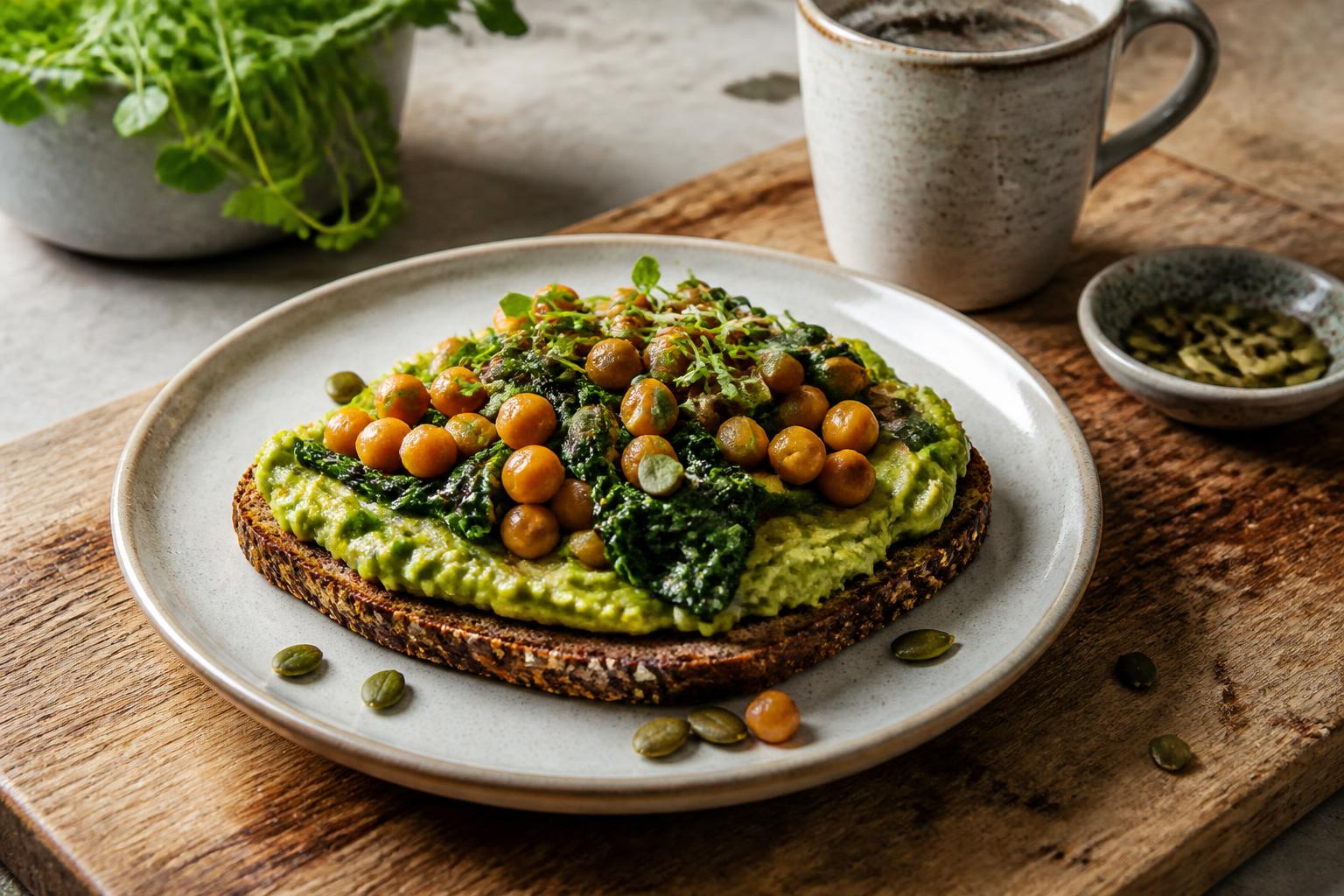
- Mashed avocado
- Thinly spread peanut butter or another smooth nut butter, if appropriate for the child
- Soft cream cheese with sliced tomato
- Baked beans, lightly mashed for younger toddlers
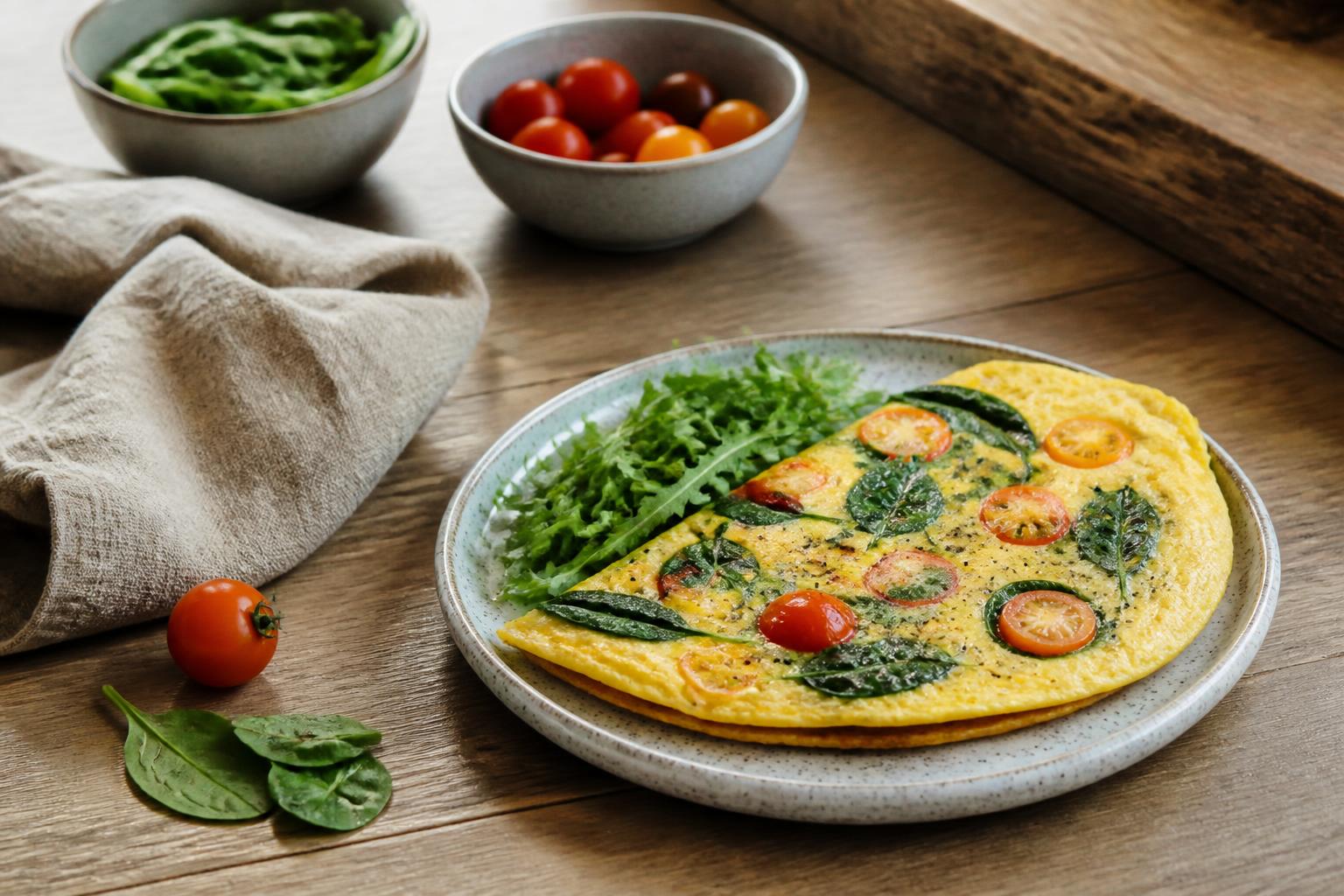
Eggs are particularly useful because they are soft, quick, and easy to pair with toast, soldiers, or chopped veg. Scrambled, boiled, or made into a simple omelette with a little cheese, they fit well into a healthy toddler breakfast without much fuss.
Yoghurt works well for children who are not keen on heavier foods in the morning. Plain full fat yoghurt with chopped or mashed fruit is usually more useful than sweetened children’s yoghurts. You can add oats, crushed wheat biscuit, or a sprinkle of ground seeds if that suits the child’s age and chewing ability. If dairy is not suitable, choose an unsweetened fortified alternative and check the label for added sugars and protein.
Cereal can also have a place, but choose carefully. Plain wheat biscuits, shredded wheat, unsweetened oat cereal, or porridge oats tend to be more useful than brightly marketed toddler cereals. Serving cereal with yoghurt instead of only milk can make it more filling.
A few easy combinations that tend to work in real kitchens are:
- Porridge with mashed banana and a spoon of yoghurt
- Toast fingers with scrambled egg and soft pear slices
- Plain yoghurt with blueberries, crushed oats, and a little nut butter stirred through
- Weetabix or a similar plain wheat biscuit with warm milk and sliced banana
- Crumpet with cream cheese and soft fruit on the side
- Mini omelette strips with toast and roasted tomatoes
- Rice pudding made with little added sugar, served with fruit, if using leftovers from another meal
If your child needs a dairy-free or gluten-free option, the same principles apply. Build breakfast from a starch, a protein or fat source, and fruit or veg if possible. We have covered similar building blocks in our guides to healthy gluten-free breakfasts that keep mornings simple and healthy vegan breakfasts that keep you full for longer, though toddler portions and textures need extra thought.
For families with older children too, some overlap helps. You do not need separate breakfasts for everyone. A batch of porridge, eggs on toast, or yoghurt with fruit can be adjusted across ages. If you are juggling school runs as well, our guide to healthy school-morning breakfasts kids will actually eat may help with ideas that scale.
Which breakfast foods are less helpful?
Some breakfast foods are not “bad”, but they are less helpful when we want a meal that keeps a toddler going and does not crowd the morning with sugar.
Sugary cereals are the obvious example. Many are low in fibre and protein, high in added sugar, and easy to eat quickly without staying power. That can mean a child is hungry again soon, or becomes used to breakfast tasting very sweet. Packaging aimed at children does not tell you much about nutritional value, so the label matters more than the cartoon on the box.
Flavoured yoghurts can be similar. Fruit yoghurt sounds wholesome, but many varieties are heavily sweetened and more like a pudding than a plain yoghurt with fruit added. Compare ingredients. If sugar or syrup is high on the list, it is usually not the strongest everyday option. In the UK, the traffic light label on the front of pack can help for a quick comparison, but it is not used on every product and it does not replace reading the ingredients list.
Pastries, brioche, chocolate spread, frosted pancakes, and breakfast biscuits are often easy sells because they are soft and sweet. The problem is usually not one specific ingredient, but the overall pattern. These foods tend to be high in sugar, often high in saturated fat, and low in the protein and fibre that help a breakfast feel substantial.
Breakfast bars and flapjacks deserve a closer look too. Some are essentially sweet snacks with oats added for marketing appeal. They may be convenient in a buggy or on a rushed morning, but they are rarely the best main breakfast for a toddler. If you use them occasionally, it is worth knowing how to judge a healthier breakfast flapjack and what makes a bar more filling than just sugary.
Juice is another one to watch. In the UK, fruit juice counts differently from whole fruit because free sugars are released when fruit is juiced. A small amount with a meal is not the same as sipping juice all morning, but water and whole fruit are usually better defaults for toddlers.
The broader point is simple. Labels matter because breakfast foods are often sold on health language that does not tell the full story. “No added sugar” can still mean a product is very sweet from concentrates or purées. “Wholegrain” does not guarantee low sugar. “Toddler” on the packet does not automatically make something nutritionally useful.
How to make breakfast safer and easier
Safety matters just as much as nutrition, especially in the toddler years when enthusiasm often outruns chewing skill.
Choking risk is the first practical issue. Foods that are round, hard, sticky, or difficult to chew need care. Whole grapes should be halved or quartered lengthways. Nut butters should be spread thinly, not served in thick spoonfuls. Hard apple is often better grated, stewed, or very thinly sliced for younger toddlers. Sausages should be cut lengthways and into small pieces rather than coin-shaped slices. Large spoonfuls of nut butter, whole nuts, and hard chunks of raw veg are not suitable for young toddlers.
Texture should match the child, not just their age on paper. One toddler at 14 months may manage soft toast strips, scrambled egg, and chopped berries well. Another still does better with porridge, yoghurt, mashed fruit, and very soft finger foods. Progression is rarely neat. If a child gags on certain textures, that does not always mean something is wrong, but it may mean we need to slow down, alter the preparation, and keep offering without pressure.
A few practical preparation habits make mornings easier:
- Cook porridge a little thicker if your child likes to self-feed, a very runny bowl can be frustrating
- Let hot foods cool properly, toddlers often reject food that is simply too warm
- Cut toast into fingers or small squares rather than serving a full slice
- Keep a few freezer staples ready, such as small portions of stewed fruit or mini omelette strips
- Use leftovers sensibly, plain cooked oats can be reheated, and extra scrambled egg or roasted tomatoes can be carried into the next morning
- Plate small portions first, seconds are easier than a mountain of untouched food
Routine helps too. Breakfast tends to go better when toddlers know what comes next, sit upright, and are not wandering around eating. We would avoid serving breakfast in the pushchair or while they are actively playing if possible, because distracted eating can make both safety and appetite harder to judge.
For very busy mornings, think in combinations rather than recipes. A starch plus a protein or fat source is the core. Fruit can sit alongside if it works. That might be toast and egg, yoghurt and oats, or porridge and fruit. The simpler the system, the more likely it is to happen consistently.
In the end, a healthy toddler breakfast is not about winning the morning. It is about offering straightforward food that supports growth, suits your child’s stage, and stands a fair chance of being eaten. If breakfast is repetitive, a bit messy, and occasionally rejected, that is still well within normal toddler territory.

Questions about this article or a correction to suggest? Get in touch. Read more about our editorial approach.