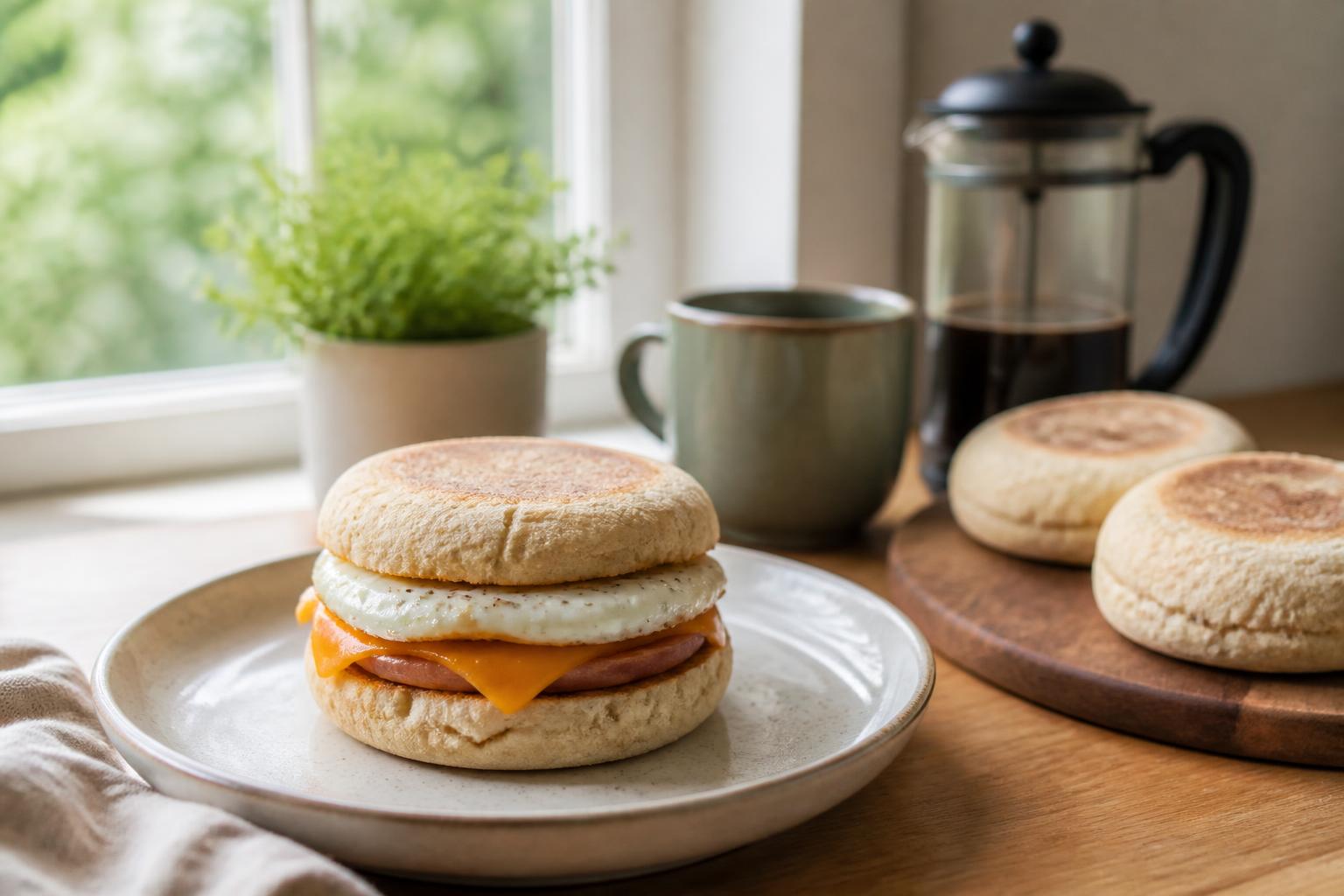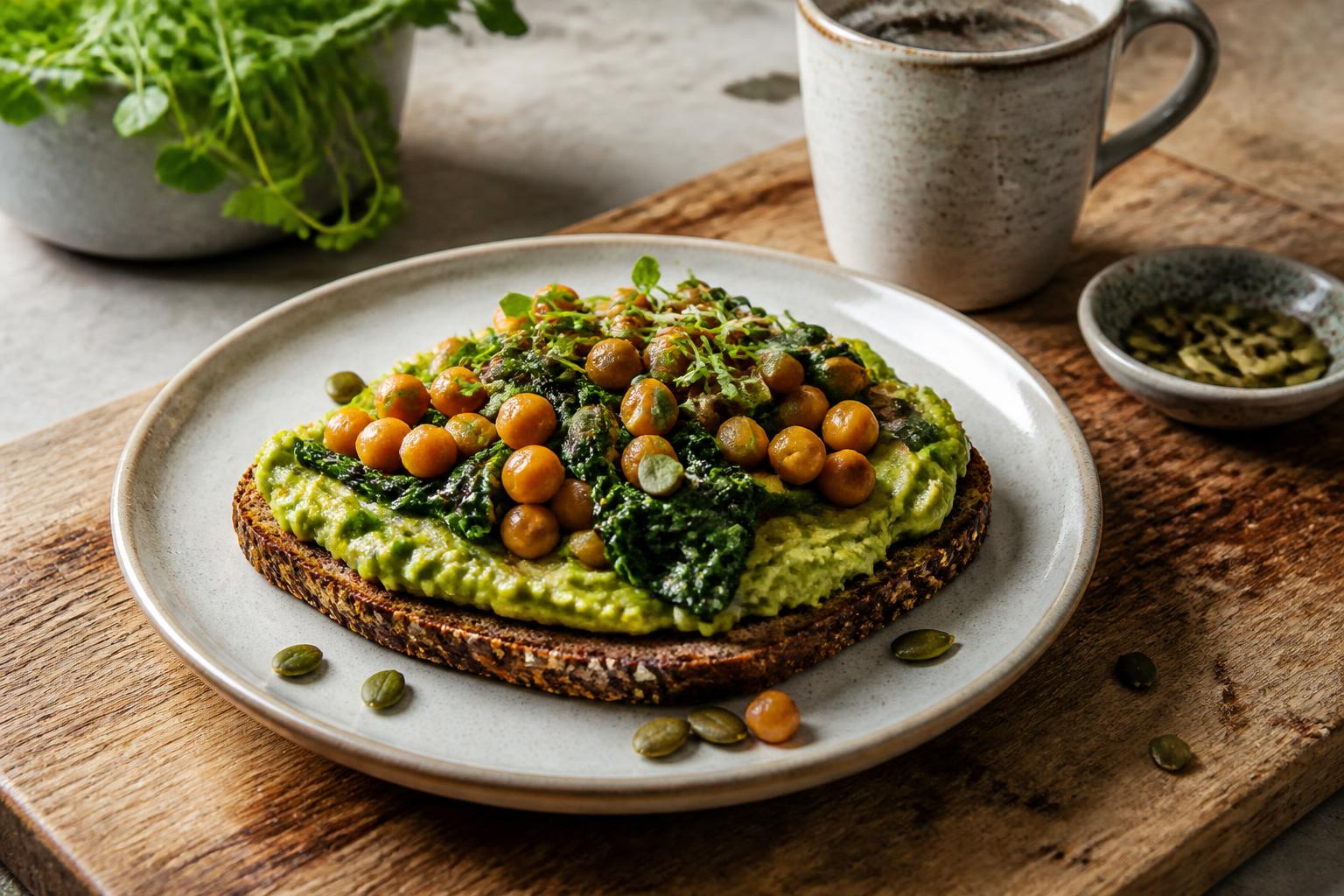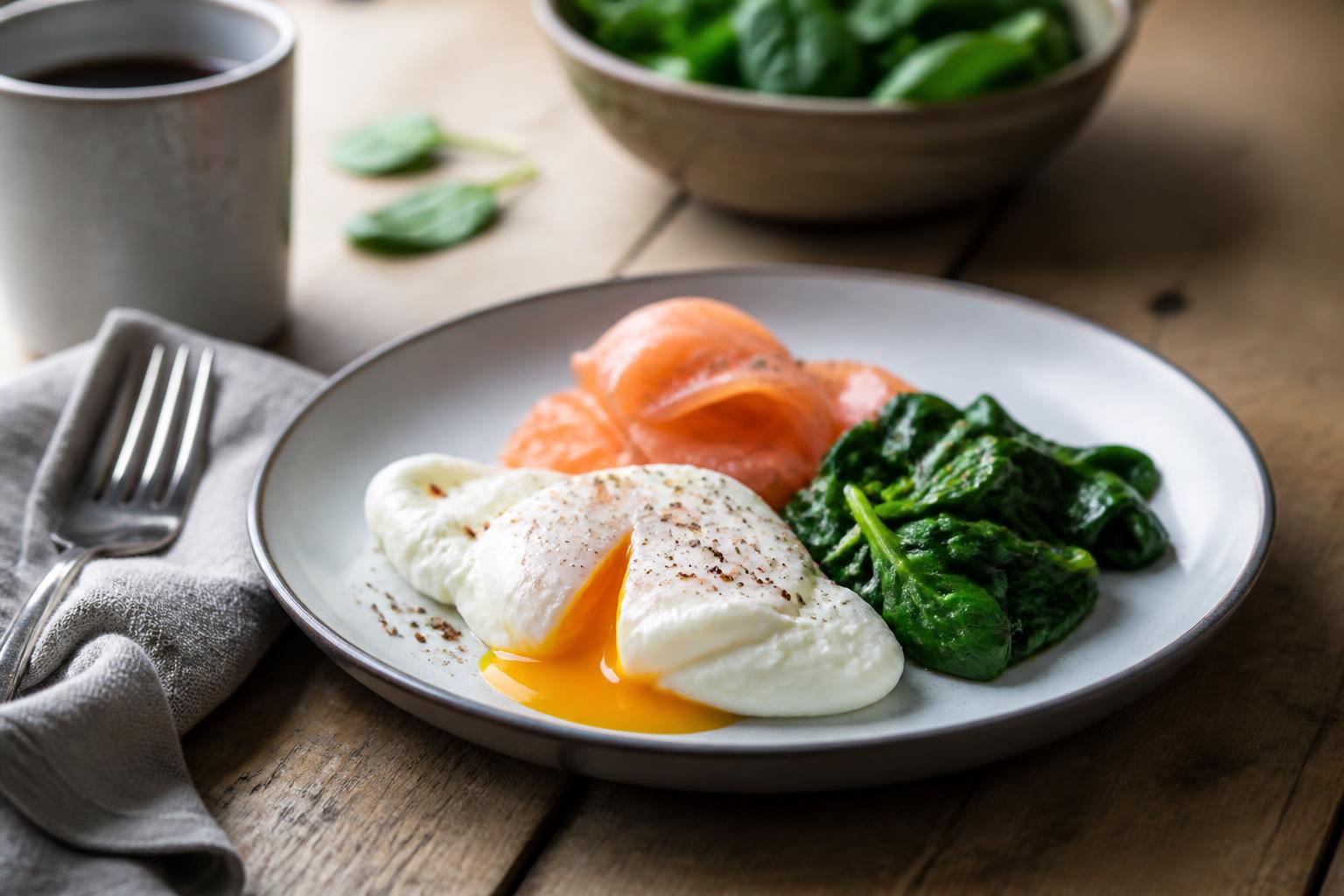
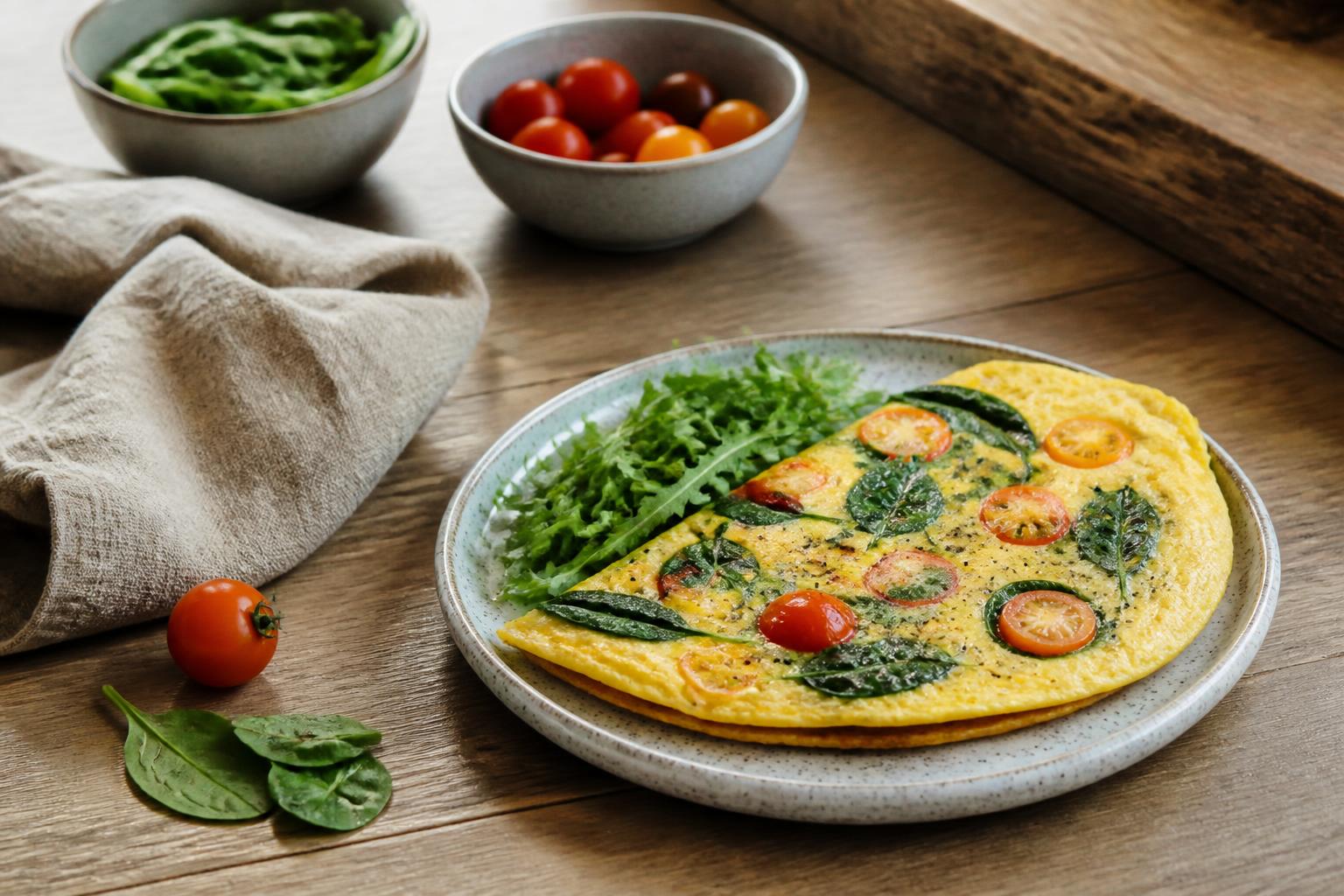
A healthy gluten-free breakfast can be simple, filling and nutritionally solid, but it is not automatically healthy just because it avoids gluten. In practice, the best options tend to look much like any other sensible breakfast in the UK, built around foods that provide steady energy, enough protein to keep hunger in check, and some fibre, rather than relying on sweetened cereals, low-fibre white substitutes or expensive specialist products.
For most people, the useful question is not “how do I make breakfast gluten-free?” but “how do I make breakfast balanced, and if I need to avoid gluten, how do I do that safely?” That distinction matters, because there is a big difference between a bowl of Greek yoghurt with fruit and seeds, a couple of eggs on potatoes, and a gluten-free pastry that is still high in sugar and low in fibre.
What makes a gluten-free breakfast healthy
A healthy breakfast is not defined by one label. It is usually a mix of carbohydrate for energy, protein for satiety, fibre for digestion and fullness, and some fat for flavour and staying power. In everyday UK terms, that might mean porridge made with gluten-free oats, eggs with beans and tomatoes, plain yoghurt with fruit and nuts, or leftovers such as roasted sweet potato with cottage cheese.
The point worth being clear about is that gluten-free alone tells us only that the product is suitable for people avoiding gluten. It does not tell us whether it is high in fibre, low in free sugars, or likely to keep us full until lunch. Many packaged gluten-free breakfast cereals, bars and breads are made with refined rice flour, maize starch or potato starch. Those ingredients can be useful, but they often produce products that are lower in fibre and protein than wholegrain wheat or rye equivalents.
That does not make them “bad”, but it does mean we need to read beyond the front of pack. A healthier gluten free breakfast is usually one that includes naturally gluten-free foods first, then uses specialist products where they genuinely help. Fruit, eggs, dairy foods, unsweetened yoghurt, nuts, seeds, potatoes, beans and certified gluten-free oats often do more nutritional work than a biscuit-like cereal or a heavily processed gluten-free muffin.
Portion and context matter too. A breakfast based mostly on refined starch can leave us hungry again quickly, even if it is labelled gluten-free. By contrast, a simpler meal with protein and fibre often feels easier to live with on a normal workday.
Who actually needs to avoid gluten?
Not everyone benefits from avoiding gluten, and the reasons for doing so are not all the same.
The clearest medical reason is coeliac disease. This is an autoimmune condition in which eating gluten triggers an immune response that damages the lining of the small intestine. For people with coeliac disease, even small amounts of gluten matter, and strict long-term avoidance is necessary. In the UK, diagnosis usually involves blood tests arranged through a GP, and often a referral for further assessment. One practical point matters before testing: people should not start a gluten-free diet first, because removing gluten can affect the test results.
Wheat allergy is different. It is an allergy to proteins in wheat, not coeliac disease, and the management can differ. Someone with a wheat allergy may need to avoid wheat specifically, but not necessarily barley or rye unless advised to do so. Symptoms can also be very different from coeliac disease and may include immediate allergic reactions. This is why a product being “gluten-free” is not exactly the same thing as being suitable for every person with a wheat allergy, and why allergen labelling still matters.
Then there are people who avoid gluten by choice, often because they feel better doing so or because they are trying to simplify eating around digestive symptoms. Some people report symptom relief, but self-diagnosis can blur the picture. The issue may be wheat, a pattern of eating, overall fibre intake, fermentable carbohydrates, or something unrelated to gluten. Diagnosis matters because coeliac disease is a medical condition with long-term consequences if missed, and because a self-imposed gluten-free diet can make proper assessment harder later on.
For readers simply exploring a healthy gluten free breakfast, the practical takeaway is straightforward. If you have a medical reason to avoid gluten, accuracy and contamination control matter. If you do not, there is no automatic health advantage in cutting gluten out, and breakfast quality still depends on the same basics as any other meal.
How to build a breakfast that is filling
A filling breakfast usually combines four things, carbohydrate, protein, fibre and fat. We do not need all of them in large amounts, but we usually notice when one is missing.
Carbohydrate is often the base. In gluten-free breakfasts, that might come from oats that are specifically labelled gluten-free, potatoes, fruit, beans or a slice of gluten-free toast. Carbohydrate is not the problem to solve. The more useful question is what comes with it.
Protein helps most with satiety. Good breakfast options include eggs, Greek yoghurt, skyr, cottage cheese, milk, kefir, peanut butter, nuts and seeds, or baked beans if the sugar and salt content suits the rest of the meal. If breakfast leaves us hungry within an hour, low protein is often part of the reason. We cover this in more detail in our guide to healthy protein breakfasts that keep mornings practical.
Fibre matters as well, especially because some gluten-free products are lower in it than standard wholegrain versions. Fruit, berries, chia seeds, flaxseed, nuts, beans and potatoes with skin can all help. Oats can be useful too, provided they are certified gluten-free if needed medically.
Fat is the part many people accidentally remove in the name of being “healthy”, then wonder why breakfast feels unsatisfying. A spoon of nut butter, some seeds, a few nuts, avocado, or the natural fat in yoghurt or eggs can make a simple meal more sustaining.
A practical formula is this:
- choose one main carbohydrate source
- add a clear protein source
- include at least one fibre-rich food
- use a modest amount of fat for flavour and fullness
That might look like:
- gluten-free oats cooked with milk, topped with berries and pumpkin seeds
- two eggs, roasted potatoes and grilled tomatoes
- plain yoghurt with banana, walnuts and chia seeds
- cottage cheese on gluten-free toast with sliced tomato
- baked beans with a poached egg and mushrooms
This approach is usually more useful than chasing a perfect ingredient list. It also makes breakfast more adaptable. If we are short on time, we can still build from the same structure with simpler foods. For more general formats that work on busy mornings, our piece on healthy breakfast foods that keep mornings practical is a useful companion.
The label checks that matter in UK shops
In UK shops, the most important distinction is between “gluten-free”, “wheat-free” and standard allergen information.
“Gluten-free” is a regulated claim. In practice, it means the food must meet the legal threshold for gluten content. For someone with coeliac disease, this wording is the key claim to look for on packaged foods where gluten risk is not obvious.
“Wheat-free” is not the same thing. A product can be wheat-free but still contain barley or rye, and therefore still contain gluten. That makes it unsuitable for coeliac disease unless it is also clearly gluten-free. This is one of the most common points of confusion on breakfast products.
Allergen labelling also matters. In the UK, cereals containing gluten such as wheat, barley and rye must be emphasised in the ingredients list. Oats are a special case. Oats themselves do not contain gluten in the same way wheat, barley and rye do, but they are often contaminated during growing, transport or processing. That is why people who need to avoid gluten should usually choose oats specifically labelled gluten-free, not just standard porridge oats.
This is one area where the practical advice is more important than broad assumptions. A granola made from oats may seem like an obvious breakfast choice, but unless the oats are certified gluten-free, it may not be suitable for coeliac disease. The same applies to oatcakes, muesli and flapjack-style products.
Imported products can add another layer of confusion, because labelling conventions are not always identical across markets. Where rules differ between the UK and the EU generally, it is safest to rely on the pack as sold in the UK and on UK allergen presentation, rather than assuming a product follows another system.
A final point on labels, “may contain” statements are advisory rather than ingredient declarations, but they still matter to some people, especially those managing allergy risk. For coeliac disease, specialist guidance is often needed when judging products with cross-contamination risk that are not labelled gluten-free.
Everyday breakfast ideas that do not rely on specialist products
The easiest way to keep a gluten-free breakfast both healthy and affordable is to start with foods that are naturally free from gluten.
Egg-based breakfasts are one of the simplest. Scrambled eggs with spinach and tomatoes, an omelette with mushrooms, or poached eggs with baked beans and grilled tomatoes all work well. Add potatoes if you want something more substantial. Leftover boiled new potatoes pan-fried in a little oil can do the job just as well as toast.
Yoghurt bowls are another reliable format. Plain Greek yoghurt or skyr with berries, banana, chopped nuts and seeds gives protein, fibre and fat without much effort. If you want more texture, add certified gluten-free oats or make a simple toasted mix from seeds and nuts rather than buying a sweetened gluten-free granola.
Porridge can absolutely fit into a healthy gluten free breakfast, provided the oats are labelled gluten-free where needed. Make it with milk for extra protein, then top with fruit and nuts rather than relying on syrups or lots of dried fruit. A spoon of peanut butter or ground flaxseed helps with staying power.
Beans are often overlooked at breakfast, but they are practical, cheap and filling. Baked beans with eggs are the obvious option, but chickpeas can work too, especially if roasted with spices and added to savoury breakfast bowls. If you batch-cook them, our guide on freezing cooked chickpeas safely at home can help with prep.
Fruit and dairy can also be enough when time is tight. A banana with peanut butter and a pot of plain yoghurt is not elaborate, but it is often more balanced than a packaged “free from” breakfast bar. That matters because many processed gluten-free breakfast options are lower in fibre or higher in sugar than they first appear. Rice-based cereals can be particularly easy to overeat without feeling especially full, and some gluten-free bars are closer to snack products than breakfasts.
None of this means specialist products have no place. Gluten-free bread, cereal or wraps can be useful, especially for convenience or for people with diagnosed coeliac disease who need safe alternatives. The point is simply that they should not be mistaken for the nutritional centre of the meal.
Common mistakes and where the evidence is uncertain
One common mistake is assuming gluten-free means healthier by default. For the general population, the evidence does not support broad claims that removing gluten improves health on its own. If someone swaps wholegrain toast for a low-fibre gluten-free alternative and calls that a health upgrade, the label may have changed but the breakfast may not have improved.
Another mistake is overlooking cross-contamination. This matters most for people with coeliac disease. Shared toasters, crumbs on butter, oat products that are not certified gluten-free, and cereal scoops used across different containers can all create problems. In a household where one person needs a strict gluten-free diet, breakfast can be a particularly common source of accidental exposure because bread, cereal and spreads are handled quickly and often without much thought.
Over-reliance on ultra-processed substitutes is another issue. Gluten-free pastries, waffles, bars and cereals can be convenient, but if they become the default, fibre intake can fall while sugar and refined starch intake rises. It is often better to use these as occasional convenience foods and build most breakfasts around simpler ingredients.
There is also uncertainty around self-directed gluten avoidance in people without diagnosed coeliac disease or wheat allergy. Some people genuinely feel better when they remove gluten-containing foods, but that does not prove gluten itself is the cause. The change may come from eating fewer highly processed foods, changing fibre intake, reducing certain fermentable carbohydrates, or simply having a more regular breakfast pattern. That is why sweeping wellness claims about gluten-free eating should be treated carefully.
A calmer and more useful approach is to ask practical questions. Does breakfast keep us full? Does it include a decent source of protein? Is there enough fibre? If gluten has to be avoided, is the product clearly suitable and safely handled? Those questions get us further than marketing language.
For many UK adults, the best answer is not a complicated “free from” routine but a handful of dependable meals made from ordinary foods. Eggs, yoghurt, fruit, beans, potatoes, nuts, seeds and certified gluten-free oats can cover most mornings perfectly well. When we build breakfast that way, gluten-free eating becomes less about chasing substitutes and more about making breakfast work.

Questions about this article or a correction to suggest? Get in touch. Read more about our editorial approach.