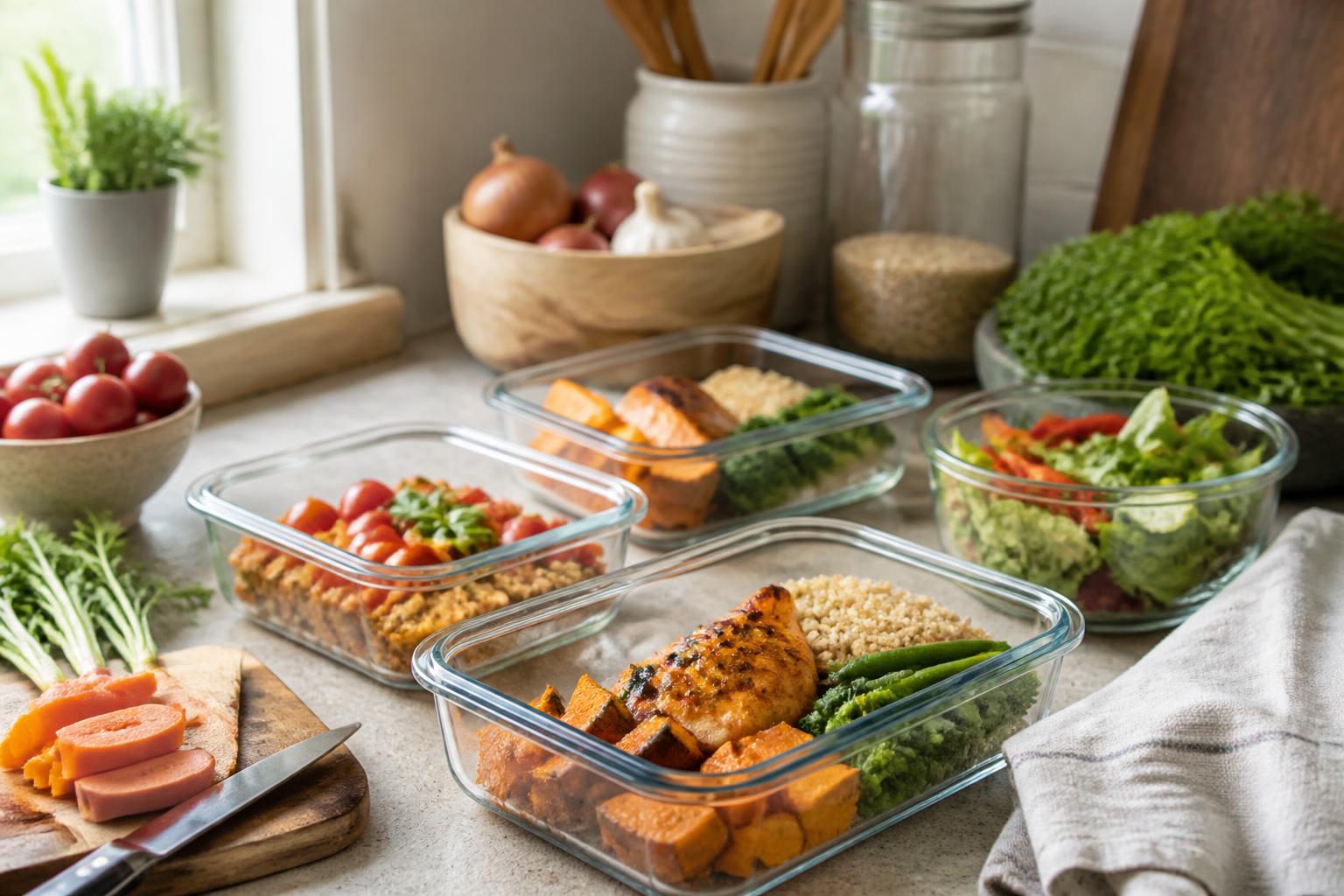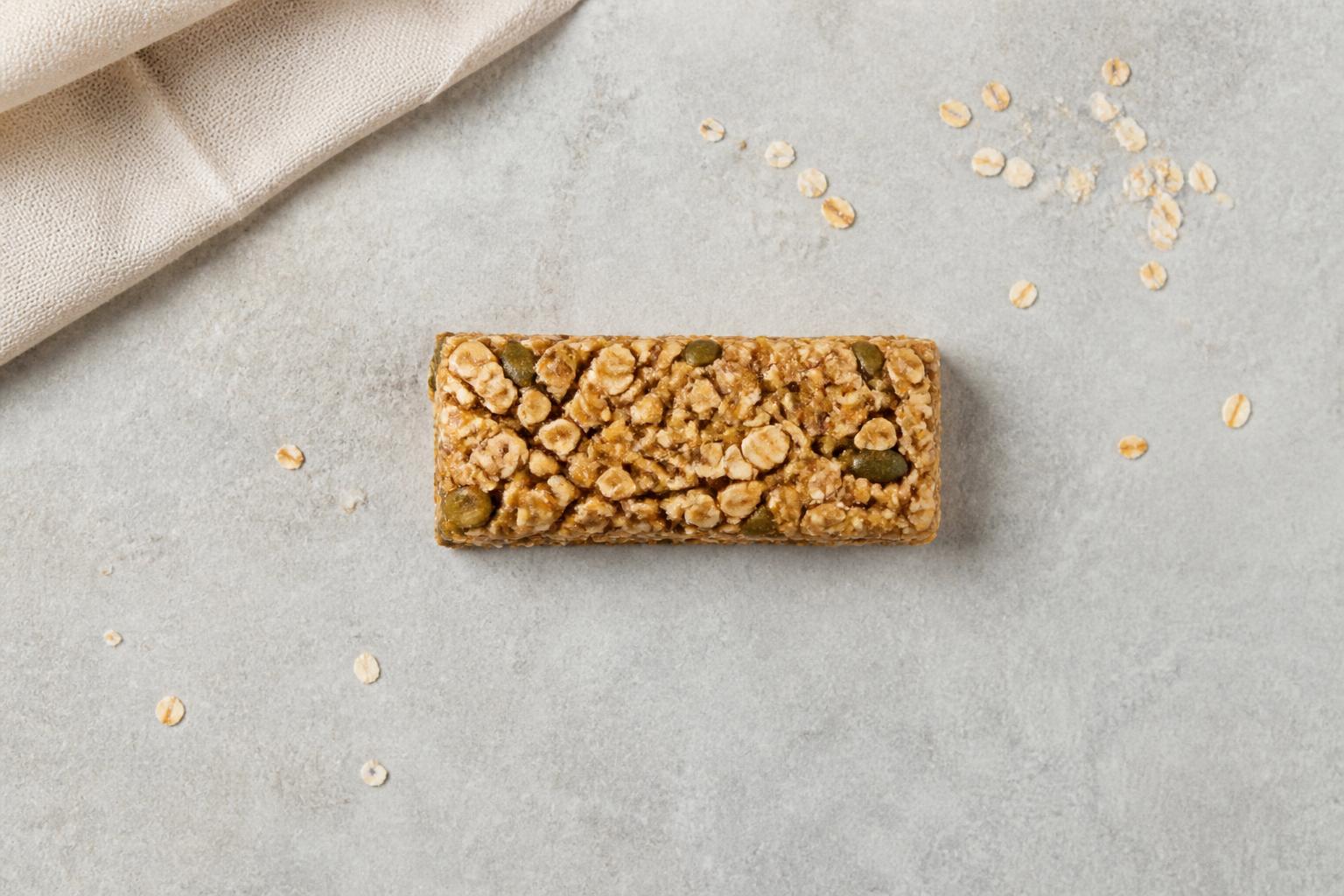

A healthy eating questionnaire is most useful when you treat it as a snapshot of routine habits, not as a pass or fail test. It can help you notice patterns you may not see day to day, such as how often vegetables appear at lunch, how quickly sugary drinks add up across a week, or whether convenience meals are doing more of the work than you realised.
Used well, it can give you a sensible starting point. Used badly, it can turn into a guilt exercise or a box-ticking exercise. The aim is neither. The best results come when you answer plainly, think about your usual week rather than your best intentions, and use the outcome to choose one practical change you can actually keep.
What a healthy eating questionnaire is actually for
A healthy eating questionnaire is designed to screen for broad eating patterns. It helps show the shape of someone’s diet over time, rather than judging a single meal, a single day, or a single “bad” week. That distinction matters.
Most questionnaires look for recurring habits. They ask how often you eat fruit and vegetables, what you usually drink, whether you rely on takeaway food, how often you choose wholegrain or higher-fibre options, and how often sweets, biscuits, pastries, crisps or sugary cereals appear. Some also ask about alcohol, meal skipping, or how often you cook from basic ingredients.
That means the result is about direction, not diagnosis. If a questionnaire suggests your fibre intake may be low, that is a prompt to look more closely at bread, cereals, pulses, potatoes, rice and pasta choices. It is not proof of a deficiency. If it flags high free sugar intake, that points to sweetened drinks, puddings, confectionery and sweet snacks worth reviewing. It does not tell you, on its own, how your blood glucose, dental health or weight will respond.
This is also why a healthy eating questionnaire does not replace medical advice. If someone has coeliac disease, type 2 diabetes, kidney disease, an eating disorder, food allergies, gastrointestinal symptoms, unexplained weight loss, or a reason to follow a prescribed diet, a broad lifestyle questionnaire is only a small part of the picture. In the UK, formal dietary assessment in healthcare may include a food diary, a 24-hour recall, medication review, symptom history, blood tests, weight history and referral to a GP or registered dietitian where appropriate.
For most readers, though, a questionnaire is still useful. It can turn vague thoughts such as “I probably snack too much” into something more specific, such as “most of my added sugar is actually coming from drinks and afternoon snacks on workdays”. That level of clarity is enough to support a better next step.
What the score can tell you and what it cannot
The score from a healthy eating questionnaire can tell you where your routine broadly lines up with standard healthy eating advice. In the UK, that usually means looking at overall balance, fruit and vegetable intake, fibre-rich starchy foods, saturated fat, free sugars, salt, and alcohol. It may also reflect how often you eat highly processed convenience foods instead of meals built from recognisable ingredients.
What it cannot do is measure your diet with clinical precision.
The first limitation is recall bias. People do not remember food intake perfectly. We tend to forget the biscuit with tea, the handful of crisps while cooking, the second drink at the pub, or the chocolate eaten in the car. We also tend to remember meals more clearly than snacks, and weekdays more clearly than weekends.
The second limitation is portion-size uncertainty. Many people know what they eat, but not how much. A bowl of cereal can mean very different amounts. A “glass” of wine may be a small measured serving or a much larger home pour. “A bit of cheese” can vary wildly. Unless a questionnaire gives clear examples, two people can answer the same question very differently while eating similar diets.
The third limitation is that screening is not the same as assessment. Screening is a quick way to identify likely strengths and likely gaps. Assessment is a fuller process used to understand intake in more detail. In UK practice, a proper dietary assessment may involve a weighed food diary, a multi-day food record, or a structured recall carried out by a professional. A questionnaire score is not trying to do that job.
This matters because people often overread the result. A high score does not mean a diet is perfect. It may still miss protein balance, calcium intake, iron intake, meal timing, energy intake, or individual health needs. A lower score does not mean someone is “eating badly” in every respect. It may simply show that one or two repeated habits, such as sugary drinks or low vegetable intake, are pulling the pattern down.
It is also worth remembering that questionnaires are built around general public health guidance. They are not tailored to every age, medical condition, cultural food pattern or budget pressure. UK advice may overlap with EU guidance in broad areas such as limiting salt and free sugars, but practical labelling can differ after Brexit, and product formulation and front-of-pack information can vary by market. If you are using labels to check your answers, use the product information shown for the UK item you actually buy.
How to answer without skewing the result
The best way to answer is to think about your usual week over the past month or so, not your ideal week and not the last 24 hours unless the questionnaire specifically asks for that.
Start with structure. Think through a normal Monday to Friday, then a normal Saturday and Sunday. Many people eat differently at weekends. Breakfast may be skipped or replaced with pastries. Takeaways may appear. Alcohol may go up. Snacks while travelling, shopping or watching sport can be easy to miss. If you answer only from your weekday routine, the result may look healthier than your real average.
Next, count drinks properly. This is one of the most common blind spots. Include tea and coffee additions, fizzy drinks, juice, smoothies, energy drinks, flavoured milks, alcohol and café drinks. A person who rarely eats dessert may still get a lot of free sugar from drinks. Equally, someone who thinks they drink “mostly water” may still have several sweetened drinks across a week.
Then think about snacks as seriously as meals. A questionnaire is easily skewed when someone gives full attention to breakfast, lunch and dinner but forgets the food between them. Biscuits at work, cereal bars, sweets from the petrol station, toast late at night, crisps with a sandwich, and “just a few” chocolates all count. If the food is habitual, it belongs in the answer.
Mixed meals need a bit more care. Lasagne, curry, pizza, burritos, sandwiches, stir-fries and ready meals can contain vegetables, protein, starch, fat and salt in proportions that are not obvious. If a questionnaire asks how often you eat vegetables, count the vegetables that are genuinely there, but do not over-credit a meal because it contains a token amount of tomato sauce or a scattering of sweetcorn. Equally, do not under-credit a stew, chilli or soup that really does contain a decent portion of vegetables or pulses.
Be realistic about frequency words. “Usually”, “often”, “sometimes” and “rarely” mean different things to different people. If a form gives ranges such as “1 to 2 times a week” or “5 or more times a day”, use those rather than your own interpretation. If it does not, pause and estimate. A rough count is better than a flattering guess.
It also helps to separate aspiration from habit. If you buy salad with good intentions and throw half of it away, answer for what you eat, not what you purchase. If you cook from scratch twice a week and rely on oven food the rest of the time, say so. Honest answers are the only ones that make the result useful.
If you want extra context, it can help to compare your answers with how UK healthy eating campaigns shape everyday food choices or to keep a short note on your phone for a few days before completing the form. That is not about perfection. It is just a way to notice what memory tends to smooth over.
The questions that matter most in UK everyday eating
In UK questionnaires, some themes matter again and again because they capture the habits most closely linked with everyday diet quality.
Fruit and vegetables usually come first. The point is not to chase perfection at every meal, but to see whether produce appears regularly and in meaningful amounts. A banana at breakfast and lettuce in a burger are not the same as routinely eating fruit, salad, vegetables, beans and pulses across the day. If a questionnaire asks about portions, think about actual servings, not just whether some plant food was present.
Fibre-rich foods are another core theme. In practice, this often means whether you choose wholemeal or granary bread, porridge oats, wholegrain cereals, brown rice, wholewheat pasta, beans, lentils, chickpeas, potatoes with skins, nuts, seeds, fruit and vegetables often enough to make a difference. Many UK adults think first about sugar and fat, but fibre is just as revealing in a questionnaire because low-fibre patterns often point to a diet built around refined snacks, white carbs and convenience foods.
Free sugars matter because they are easy to underestimate. In UK guidance, free sugars include those added to food and drink, plus sugars in honey, syrups and unsweetened fruit juice. A questionnaire may therefore pick up not only sweets and cakes but also fruit juice, sweetened yoghurt, flavoured coffee drinks, breakfast bars and sugary cereals. This catches many people out because the pattern can look “not too bad” until drinks and snack foods are counted together.
Salt is harder to judge from taste alone. Many of the main sources in the UK diet are not obviously salty, or at least not only salty. Bread, sauces, soups, processed meats, ready meals, cheese, crisps, instant noodles and takeaway foods can all contribute. A questionnaire that asks how often you eat these foods may be trying to estimate salt exposure even if it does not ask about the salt shaker directly.
Alcohol remains a key area because people often answer it loosely. A couple of drinks on Friday and Saturday can add up quickly, especially with larger home measures. If the questionnaire asks in units, use UK units rather than guessing from “glasses”. If it asks by frequency, include the drinking you do socially, not just what you have with dinner at home.
Ultra-processed convenience patterns are increasingly relevant too. Not every packaged food is a problem, and not every ready meal is nutritionally poor. Still, a questionnaire will often try to identify whether most meals come from basic ingredients or whether the week is dominated by products designed to be hyper-convenient, heavily flavoured and easy to overeat. Frozen pizza, chicken nuggets, pastries, sugary cereals, confectionery, meal deals, energy drinks and grab-and-go snacks can form a pattern even if no single item looks dramatic on its own.
These themes are useful because they reflect ordinary UK eating. They are not abstract nutrition theory. They are about what goes into the trolley, what ends up in lunch bags, what gets ordered when time is short, and what appears in the kitchen on tired evenings. If you want a practical companion to that thinking, our guide on how to use a healthy eating table for everyday meals can help turn broad advice into actual plate choices.
How to turn your answers into one useful next step
The best use of a questionnaire result is to pick one change that is specific enough to do this week.
Do not try to fix everything at once. If your answers suggest low vegetables, low fibre, frequent sugary snacks, regular takeaway meals and too many sweet drinks, that does not mean you need a total food overhaul by Monday. It means you need a starting point.
Choose the issue that is both important and workable. For one person, that may be replacing two fizzy drinks a day with water or no-added-sugar alternatives. For another, it may be moving from white bread and low-fibre cereal to wholemeal toast and porridge. For someone else, it may be adding one reliable vegetable-based lunch three times a week, or keeping fruit and nuts visible enough to become the default afternoon snack.
Make the step behavioural, not moral. “Eat better” is too vague. “Take yoghurt and fruit to work on three weekdays” is usable. “Cook from scratch more” is vague. “Make one bean chilli on Sunday and use it for two evening meals” is usable.
It also helps to anchor the change to a moment in the week. Decide when you will shop, what you will buy, and where the food will sit. If the questionnaire shows a problem with convenience eating at 5.30 pm, the answer is rarely more willpower. It is usually a better fallback meal, such as eggs, beans, wholegrain toast and frozen vegetables, or a planned batch-cooked option.
Review after two weeks, not two days. A single good day proves very little. A repeated small change is what shifts the pattern a questionnaire is trying to measure. If the step works, keep it and choose another. If it fails, make it smaller or more practical.
For readers who want a simple framework, a free healthy eating plan that works for ordinary weeks can help you translate questionnaire answers into a routine that fits work, shopping and family life. If you prefer digital prompts, we have also looked at healthy eating apps that make everyday choices simpler.
A healthy eating questionnaire is not there to label you. It is there to make your normal habits visible enough to improve. Answer it honestly, read the score modestly, and let it point you towards one change you can actually keep. That is where the value lies.

Questions about this article or a correction to suggest? Get in touch. Read more about our editorial approach.