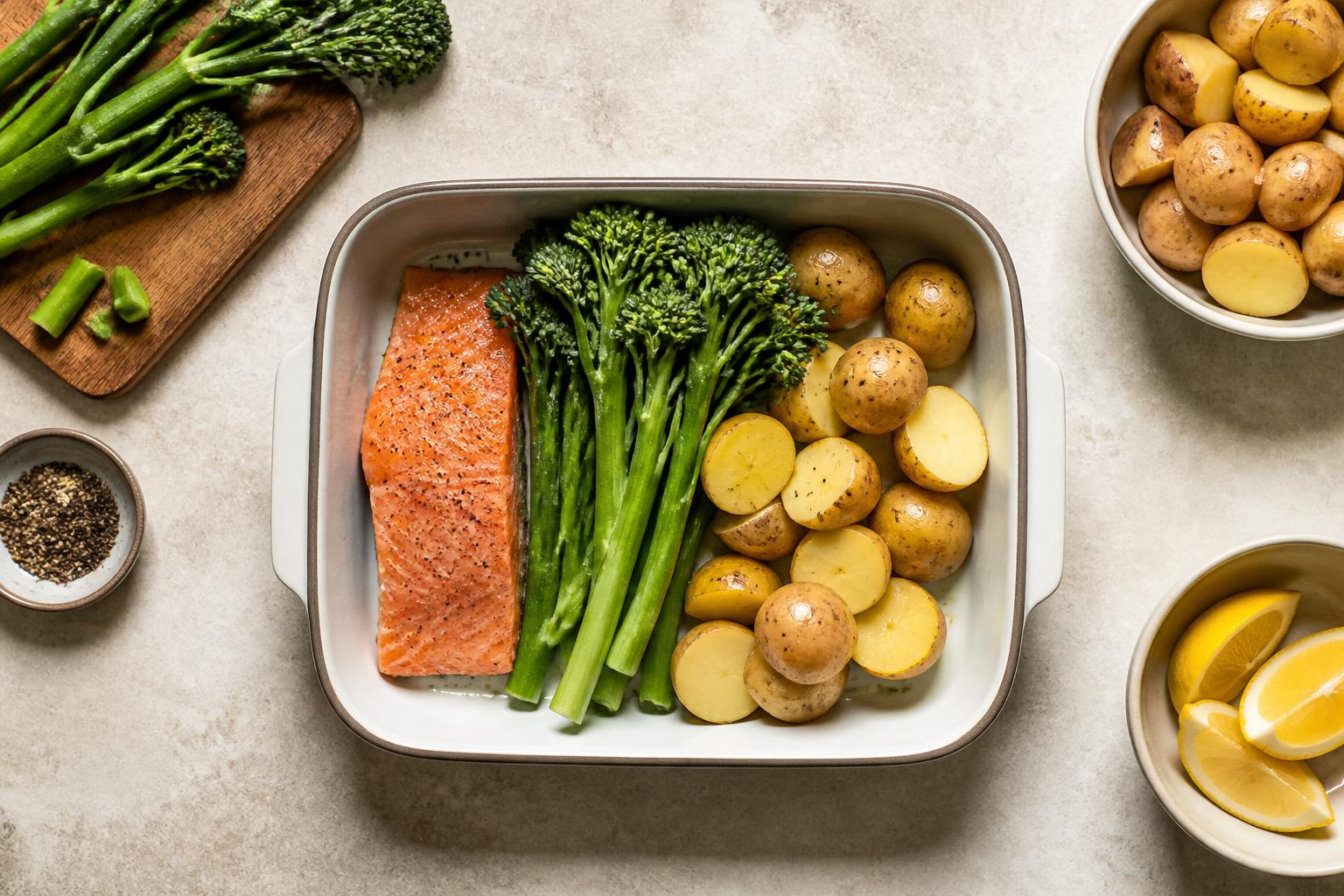
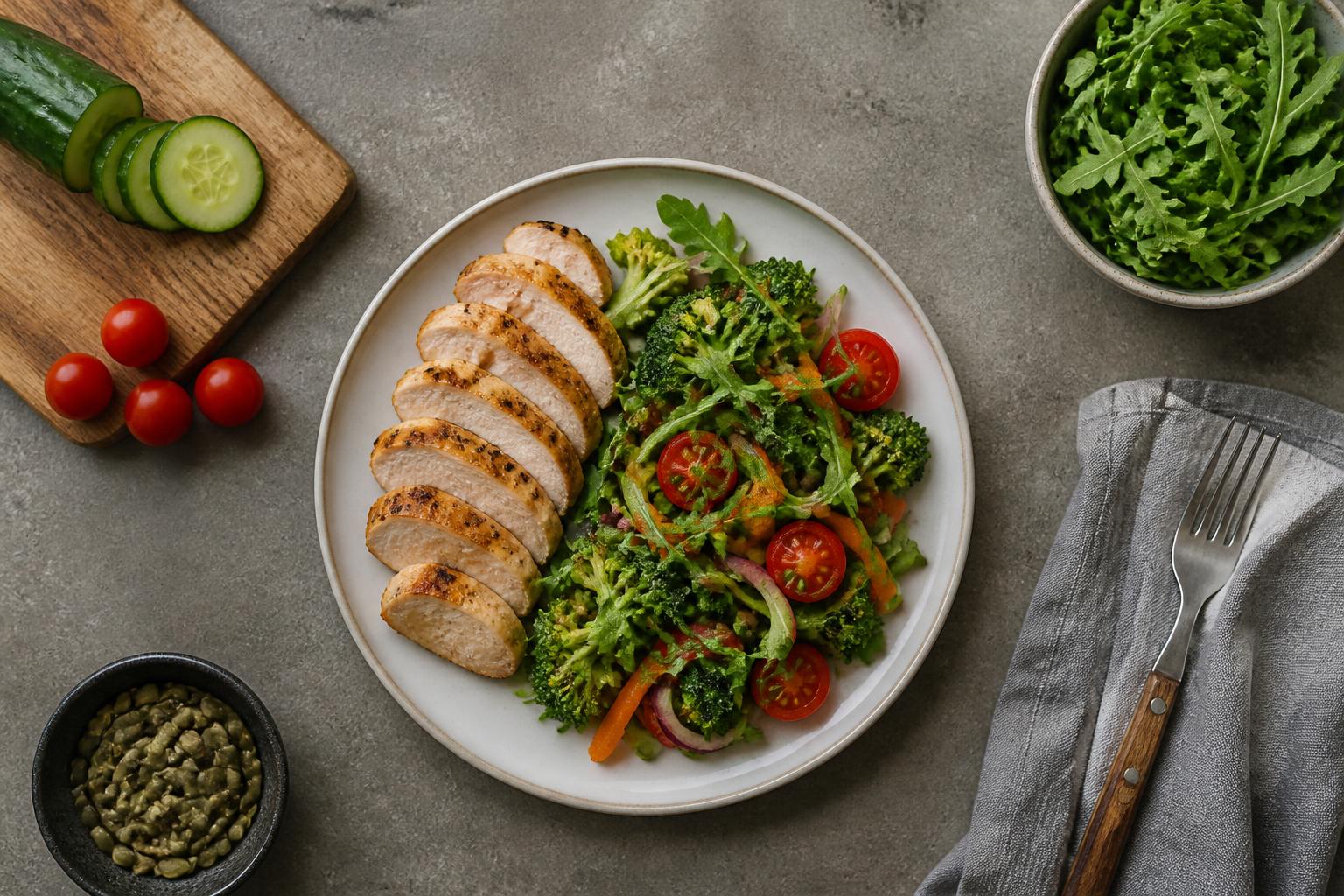
UK healthy eating campaigns do shape everyday food choices, but usually in gradual, practical ways rather than through dramatic change. Most people do not rebuild their whole diet because of a poster, a supermarket prompt or a government slogan. What these campaigns often do is make certain ideas more visible and easier to act on, such as checking sugar on a label, adding another portion of vegetables to dinner, or noticing when a snack is more of a dessert than an everyday option.
In the UK, these campaigns sit in the background of ordinary decisions. They influence what appears on packs, what schools send home, what councils promote, what supermarkets highlight and what many adults now recognise as standard nutrition advice. That matters because repeated, familiar messages can slowly change what feels normal at breakfast, in a meal deal, or when choosing between two ready meals.
What counts as a healthy eating campaign in the UK
A healthy eating campaign in the UK can mean several different things. At the national level, it may be a public health programme that encourages broad eating habits across the population. These are the campaigns most likely to set the tone for public messaging, with familiar themes around fruit and vegetables, sugar, salt, calories and healthier swaps.
There are also NHS-backed information campaigns and government communications that explain dietary guidance in more practical terms. Some are aimed at the whole population, while others focus on parents, children, or people managing weight and long term health conditions.
Below that national level, local authorities often run their own initiatives. A council public health team may promote healthier packed lunches, support community cooking sessions, or work with local leisure services and schools on food education. These do not always look like major campaigns, but they still shape behaviour by repeating the same advice in a local setting.
Schools are another important channel. Healthy eating messages appear through school food standards, lunch policies, classroom resources and letters to parents. A child learning about balanced meals at school can affect what goes into the weekly shop just as much as a national advert can.
Retailers and food brands also play a part, although their role is different. Supermarkets may run promotions around healthier choices, recipe ideas, lower salt products or front-of-pack guidance. These are not neutral public health bodies, and they have commercial aims, but they still influence how people interpret healthy eating in practice. A meal deal with clearer calorie labelling or a shelf sign pointing to higher fibre cereals changes the context in which choices are made.
So when we talk about healthy eating campaigns in the UK, we are not talking about one single programme. We are talking about a mix of public health messaging, institutional standards, local initiatives and retail communication that together make certain food choices more visible, easier or more socially expected.
Who runs these campaigns and where the advice comes from
The quality of a campaign depends heavily on who is behind it and what evidence it relies on. In the UK, the strongest public-facing advice usually traces back to government departments, the NHS, and expert advisory bodies that review nutrition evidence before it becomes public guidance.
The NHS is often the source people trust most because it translates broad dietary guidance into practical advice. NHS pages are usually written for the public, so they explain what to do in ordinary language, not in technical nutrition terms. That makes them especially influential when people are trying to decide what a healthier lunch or snack actually looks like.
Government departments and agencies also have a central role. On gov.uk, healthy eating guidance may sit within wider public health policy, food labelling rules, school food standards and obesity strategy. Over time, the names and structures of departments can change, but the important point is that formal UK advice is not usually invented for a campaign first and justified later. It tends to come from an evidence review process, then gets turned into public messaging.
Expert advisory bodies matter because they assess the science behind the headlines. In the UK, nutrition guidance has historically drawn on reviews from scientific committees and public health agencies looking at issues such as sugar intake, fibre, saturated fat and energy balance. Campaign messages often sound simple because they need to be usable, but the advice behind them should come from a more detailed review of evidence.
Source quality matters because not all nutrition advice circulating in public life is equally reliable. A social post by an influencer, a branded article that blurs marketing and health claims, and a properly reviewed NHS page may all discuss breakfast cereal or snacks, but they do not carry the same weight. If a campaign message is linked to official dietary guidance, transparent evidence review and regulated wording, it is generally more dependable than a claim designed mainly to sell a product.
This is also where UK-specific rules matter. Food labelling, nutrition claims and some aspects of public health communication are shaped by UK law and policy, not by EU rules in exactly the same way. Since Brexit, Great Britain and the EU have not always followed identical routes on food regulation, although many core nutrition principles remain familiar across both. Northern Ireland can also sit in a different regulatory position for some food labelling matters because of post-Brexit arrangements. For readers trying to make everyday decisions, the practical lesson is simple, check whether guidance is current and UK-specific, especially if advice appears to rely on EU packaging rules or older references.
The main messages UK adults are most likely to see
Most UK healthy eating campaigns return to the same set of core messages. That repetition is deliberate. Public health advice only becomes useful in everyday life when people encounter it often enough to remember it at the point of choice.
One of the most visible themes is fruit and vegetable intake. The public message is usually framed around getting enough variety and building meals that include produce more consistently, not just occasionally. In practical terms, this often means encouraging people to add fruit to breakfast, include vegetables in ready-made meals, or treat beans, pulses and frozen vegetables as realistic options rather than second-best ones.
Sugar is another recurring theme, especially free sugars in drinks, breakfast products, desserts and snacks. Campaigns often focus on foods that seem ordinary rather than obviously indulgent, such as flavoured yoghurts, cereal bars, smoothies or sauces. That matters because many people do not reassess these products unless prompted to look at the label.
Salt reduction appears regularly too, though it often gets less public attention than sugar. The key message is usually that salt intake is driven not only by what people add at the table, but by bread, sauces, processed meats, soups, ready meals, savoury snacks and other packaged foods. Campaign advice here tends to encourage comparison between similar products rather than complete avoidance.
Calories and portion awareness are common themes, particularly in relation to takeaway food, meal deals, snacks and eating out. Calorie labelling in large businesses has made this more visible in parts of the out-of-home sector. Even when people do not count calories closely, seeing the information can affect what feels like a routine lunch versus an occasional treat.
Front-of-pack nutrition labelling is another major influence. In the UK, traffic light labelling has become a familiar shorthand on many products, showing whether fat, saturated fat, sugars and salt are low, medium or high per serving or per 100g, depending on the display. It is not mandatory on all foods in exactly the same way, but it is common enough to shape shopping habits. Campaigns often lean on that familiarity because it gives people a quick comparison tool.
Fibre, wholegrains and balance across the day are also part of the picture, although they are sometimes less heavily promoted than sugar reduction. In practice, these messages matter because they help move healthy eating away from a narrow focus on what to cut out and towards what to build in.
For readers looking to turn broad advice into realistic habits, our guide to healthy eating plans that fit ordinary UK routines shows how these campaign messages translate into actual meals and shopping patterns.
How campaigns influence shopping, snacking and meals
Campaigns affect food choices most clearly when they meet people in the middle of routine decisions. Few adults sit down and redesign their diet from first principles. Most adjust what they already buy, pack, cook or pick up on the go.
In supermarkets, campaign messages often show up through label checking and product comparison. Someone who has absorbed repeated advice about sugar may start comparing yoghurts that previously looked interchangeable. A shopper who has seen enough messaging about salt may switch from one soup or pasta sauce to another without feeling they are “on a diet”. These are small changes, but they accumulate.
Snacking is one of the areas most shaped by public messaging because it happens so often and so automatically. Campaigns can make people more aware of the difference between an everyday snack and a high sugar, high salt or high calorie default. That does not mean everyone stops buying crisps, pastries or chocolate. More often, it means they become more selective about frequency, portion size and context.
Packed lunches are another good example. School and workplace conversations around healthier choices have changed what many people see as a normal lunch base. Fruit, yoghurt, wraps, pasta salads and lower sugar drinks are now more commonly framed as standard lunchbox items, while sweets, sugary drinks and oversized snack packs are more often seen as occasional additions rather than the default.
Convenience foods have also shifted under campaign pressure. Ready meals, soups, cereals and snacks are now routinely discussed in terms of their nutrition profile, not just taste and price. Manufacturers respond to that environment, sometimes through reformulation, portion changes or clearer front-of-pack information. Not every reformulated product becomes genuinely healthier in a meaningful sense, but the pressure itself changes the market.
Eating out has been influenced too. Calorie posting on menus in larger businesses has changed how some people order, especially for lunch and quick service meals. It does not tell the whole nutritional story, and many independent venues are outside those rules, but it has made energy content more visible in settings where people previously had very little information.
At home, the effect is often more subtle. Campaigns can influence how people build familiar meals, adding vegetables to pasta dishes, choosing higher fibre bread, using less sauce, or serving smaller portions of energy-dense sides. If you want a practical starting point, our piece on how to start eating healthy without overhauling everything looks at the kind of modest changes that usually last.
Where campaign advice can oversimplify or leave uncertainty
Public health campaigns have to be broad enough to work at population level. That is useful, but it also creates limits. A message that helps millions of people make slightly better choices will not always answer the more detailed questions someone has about their own diet.
One problem is simplification. “Eat less sugar” is a sensible public message, but it does not explain the difference between a high sugar dessert eaten occasionally and a daily breakfast habit built around sweetened products. “Watch your calories” may help some people compare options, but it can also flatten important differences in fibre, protein, satiety and overall diet quality.
Another limit is that campaign advice often focuses on nutrients people should reduce, because those are easier to communicate and regulate. That can leave less room for discussing meal structure, cooking patterns, appetite, culture, budget and convenience, which are often the real drivers of everyday eating.
There is also the issue of mixed evidence and changing guidance. Nutrition science does not stand still, and not every question has a tidy answer. The balance of evidence may support reducing one thing strongly, suggest caution on another, and remain less certain on a third. Public campaigns cannot always carry that nuance without losing clarity.
Individual needs vary as well. General healthy eating advice is not the same as advice for pregnancy, diabetes management, coeliac disease, food allergy, IBS, sport-focused fuelling or medically supervised weight loss. A broad campaign may be entirely sound at population level and still not be enough for a specific person.
Food labels can create uncertainty too. A product may be lower in sugar but still heavily processed and easy to overeat. A smaller portion may improve the numbers on the front of pack without changing how satisfying the food is. “Healthy” cues can also encourage people to stop comparing products critically.
That is why it helps to read campaign advice as a starting point rather than a complete system. For a closer look at practical substitutions that do not rely on simplistic good food versus bad food thinking, see our guide to healthy food swaps that fit everyday UK eating.
How to use campaign advice without treating it as a rulebook
The most useful way to approach healthy eating campaigns is to treat them as orientation, not instruction. They can point you towards patterns that are broadly associated with better health, but they are not a substitute for reading labels, noticing habits and thinking about what you actually eat repeatedly.
Start with frequency. A campaign message matters most when it applies to foods you eat often. If you buy sweetened cereal every week, the sugar guidance is relevant. If you have cake once at the weekend, broad public messaging about reducing sugar may matter less than your weekday habits.
Then look at context. A high calorie lunch after a long active day is not the same as the same lunch eaten routinely because it is the only convenient option near work. A snack that works well before a gym session may not make sense as an automatic desk snack every afternoon. Campaign advice becomes more useful when placed inside real routines.
Use labels comparatively rather than emotionally. Front-of-pack traffic lights can help you compare two pizzas, two soups or two cereal bars quickly. The ingredients list can tell you what the product is mostly made from. Nutrition information per 100g helps standardise comparisons, while per portion figures show what the manufacturer believes a serving is. None of these tools is perfect on its own, but together they are more helpful than a single headline claim.
Be careful with halo wording. Terms like “protein”, “natural”, “light”, “source of fibre” or “no added sugar” may be relevant, but they do not tell the whole story. A product can make one positive claim and still be high in salt, energy or saturated fat.
Most importantly, go back to trusted primary sources when a claim seems too neat. If a campaign message is repeated widely, check whether it aligns with current NHS advice or official UK guidance rather than relying on a retailer summary, a social post or a dramatic headline. Public campaigns are at their best when they help people notice patterns, ask better questions and make more informed everyday choices.
That is the real value of healthy eating campaigns in the UK. They do not decide what you should eat meal by meal. They shape the backdrop against which you choose, making some options easier to spot, easier to compare and easier to repeat. Used sensibly, that is enough to improve everyday food choices without turning eating into a rulebook.

Questions about this article or a correction to suggest? Get in touch. Read more about our editorial approach.