If you want to know how to start eating healthy, the shortest honest answer is this: do not try to replace your entire diet by Monday. Start with one or two changes you can repeat most days, such as adding a proper breakfast, including vegetables with dinner, or swapping some sugary drinks for water. Healthy eating is not a perfect weekly menu. It is a pattern of ordinary choices that gives you enough energy, fibre, protein, vitamins and minerals, while leaving room for real life.
For most people in the UK, the best starting point is not a strict plan, a detox, or cutting out whole food groups. It is getting a bit more structure into the day, eating more foods that keep you full, and paying attention to what is actually in the products you buy. Once those basics are in place, healthier eating usually feels simpler, cheaper and much easier to maintain.
What healthy eating actually means in everyday life
Healthy eating in everyday UK terms looks a lot less dramatic than social media makes it seem. The NHS and the Eatwell Guide give a useful practical baseline. The general idea is to base meals on higher fibre starchy carbohydrates where you can, eat plenty of fruit and vegetables, include beans, pulses, fish, eggs, meat or other proteins, choose some dairy or fortified alternatives, and use unsaturated oils in small amounts.
That does not mean every plate has to be perfectly balanced. It means your overall pattern across the week tends in that direction.
In practice, healthy eating often looks like:
- porridge with fruit and peanut butter
- a sandwich with chicken, hummus or cheddar, plus salad and fruit
- beans on wholemeal toast with grilled tomatoes
- a baked potato with tuna and sweetcorn
- pasta with vegetables, olive oil and lentils
- a stir fry with rice, tofu or chicken, and frozen veg
It also means keeping expectations realistic. If your current diet is irregular, heavy on takeaways, or built around snacks because you are busy, the first goal is not to cook from scratch twice a day. The first goal is to make your eating pattern more reliable and a bit more balanced.
A few principles are worth keeping in mind.
First, no single food makes a diet healthy or unhealthy. A yoghurt, cereal bar or ready meal is not automatically “good” or “bad”. What matters is how it fits into the rest of your day.
Second, fullness matters. Meals that contain fibre, protein and some fat are usually easier to stick to than meals that are mostly refined carbs on their own. If breakfast is just a pastry and coffee, or lunch is only a packet of crisps and a drink, you are more likely to feel hungry later and eat whatever is nearest.
Third, healthy eating should work in your actual life. If you live with children, work shifts, share a food shop with other adults, or rely on supermarket convenience food some days, your version of healthy eating needs to reflect that.
Where to begin if your current diet feels all over the place
When your diet feels chaotic, the biggest mistake is trying to fix breakfast, lunch, dinner, snacks, hydration and meal prep all at once. That usually lasts a week at best.
A better approach is to pick the one or two habits that will make the biggest difference with the least friction.
For many people, the best first steps are:
- eating at more regular times
- adding a source of protein to breakfast
- including one or two portions of fruit or veg you actually like every day
- changing what you drink most often
- making lunch more substantial, so you are not starving by mid-afternoon
Think about where your day tends to go off track. If you skip breakfast, then buy pastries at 11am, breakfast is probably the place to start. If dinner is fine but evenings turn into endless snacking because lunch was tiny, focus on lunch. If you drink several sugary drinks a day, changing that habit may be more useful than worrying about whether your pasta is wholemeal.
It helps to ask three questions:
- What is the easiest change I could repeat this week?
- What meal causes the most problems for me?
- What do I already eat that could be improved, rather than replaced?
That last point matters. It is often easier to build on what you already do than start from scratch.
For example:
- If you already eat cereal, choose one with more fibre and less sugar, and add fruit.
- If you already buy meal deals, choose a sandwich with more protein, swap in fruit, and save crisps for days you actually want them.
- If you already cook pasta, add frozen peas, mushrooms or spinach, and include beans, lentils, tuna or chicken.
This is the practical side of learning how to start eating healthy. You are not creating a new identity. You are making your normal routine work better.
If you want more examples of realistic meal patterns, our guide to healthy eating ideas that work on ordinary UK days sets this out in familiar formats rather than idealised ones.
How to build simple meals that are easier to stick to
Simple meals are usually the ones people can repeat. A useful rule is to build meals from three parts:
- a starchy carbohydrate or other filling base
- a source of protein
- fruit, vegetables, or both
You do not have to measure everything exactly. You are aiming for a meal that is satisfying and reasonably balanced.
Breakfast
A good breakfast does not need to be elaborate. It should simply keep you going.
Useful options include:
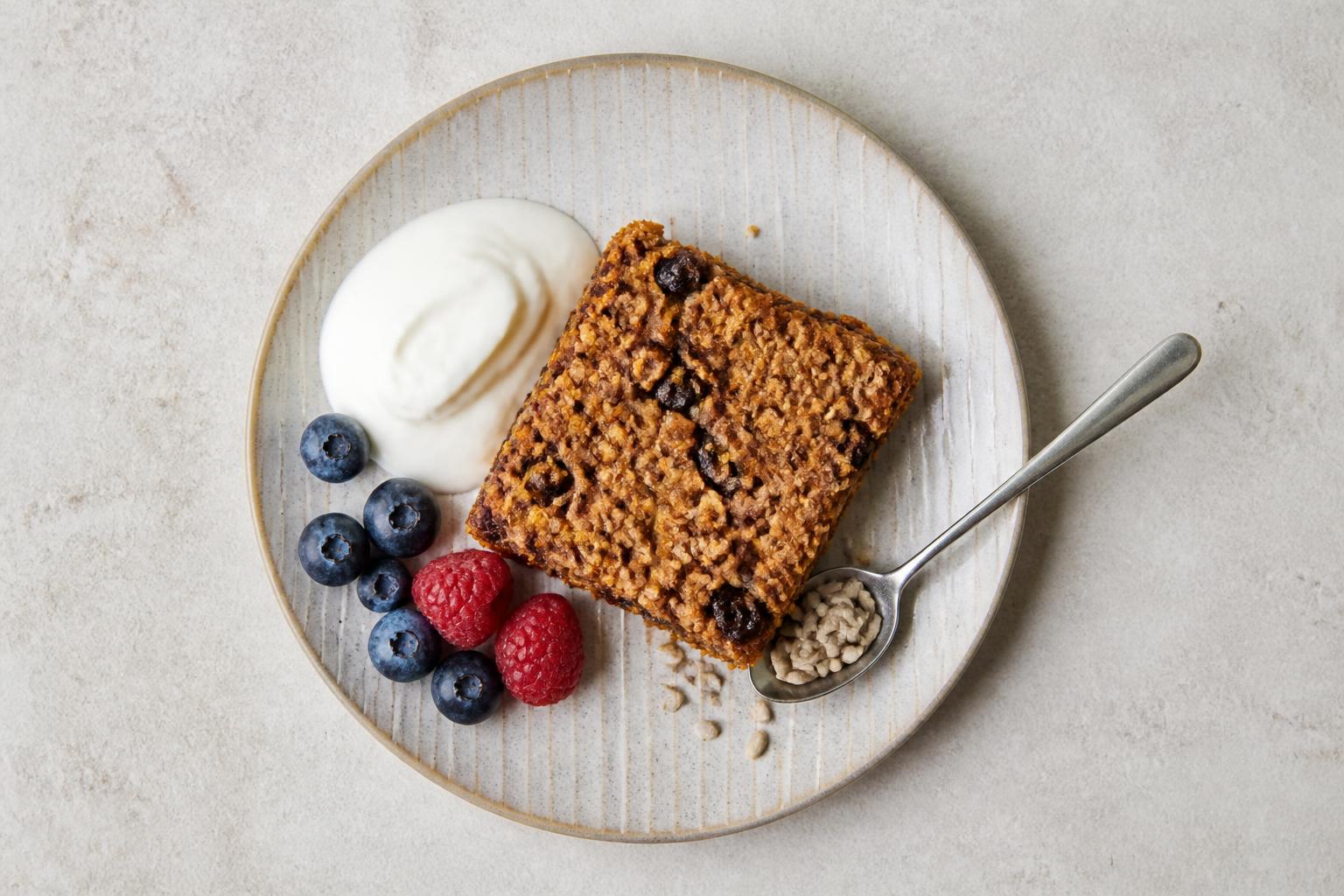
- porridge made with milk, topped with banana, berries, seeds or nut butter
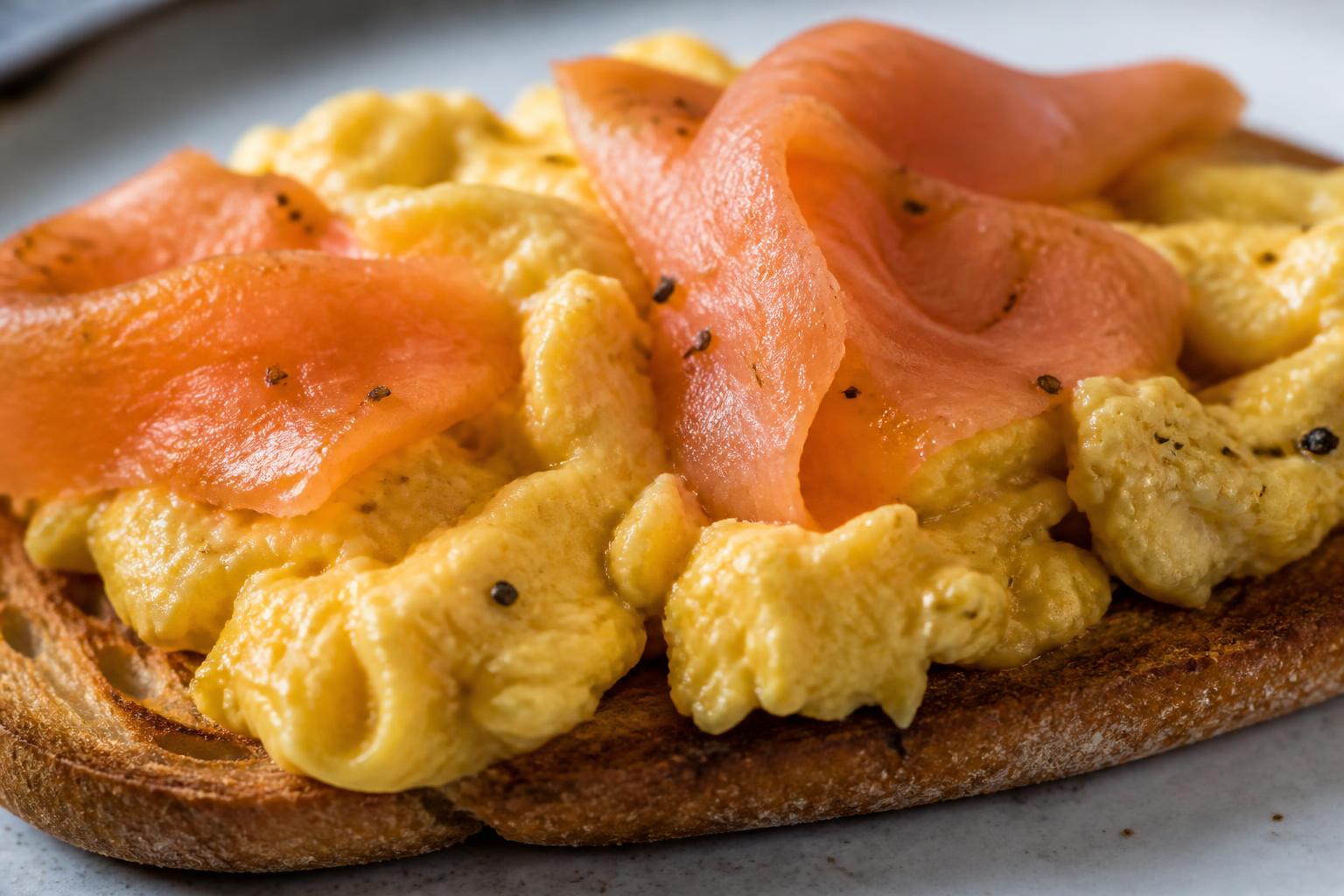
- wholemeal toast with eggs
- Greek-style yoghurt or a fortified alternative with fruit and oats
- wheat biscuit cereal or shredded wholegrain cereal with milk and fruit
- overnight oats
- beans on toast
If breakfast leaves you hungry within an hour, add protein or fat, not just more sugar. For example, pair toast with eggs rather than jam alone, or add nuts and yoghurt to fruit.
Lunch
Lunch often determines whether the rest of the day feels manageable.
A balanced lunch might be:
- a wholemeal wrap with chicken, falafel, hummus or cheese, plus salad
- soup with wholegrain bread and a piece of fruit
- leftovers from the night before
- a jacket potato with baked beans, cottage cheese or tuna
- a grain pouch mixed with chopped veg and a protein source
If you buy lunch out, look at what will actually keep you full. A sandwich or salad with a clear protein source, plus fruit or yoghurt, is often more useful than a light snack dressed up as lunch.
Dinner
Dinner does not need to be restaurant-worthy. The easiest structure is:
- one quarter protein
- one quarter starchy carbs
- roughly half vegetables or salad
That will not suit every meal exactly, but it is a decent visual guide.
Examples:
- salmon, potatoes and broccoli
- chilli with beans, rice and a side salad
- chicken curry with vegetables and rice
- lentil pasta bake with spinach
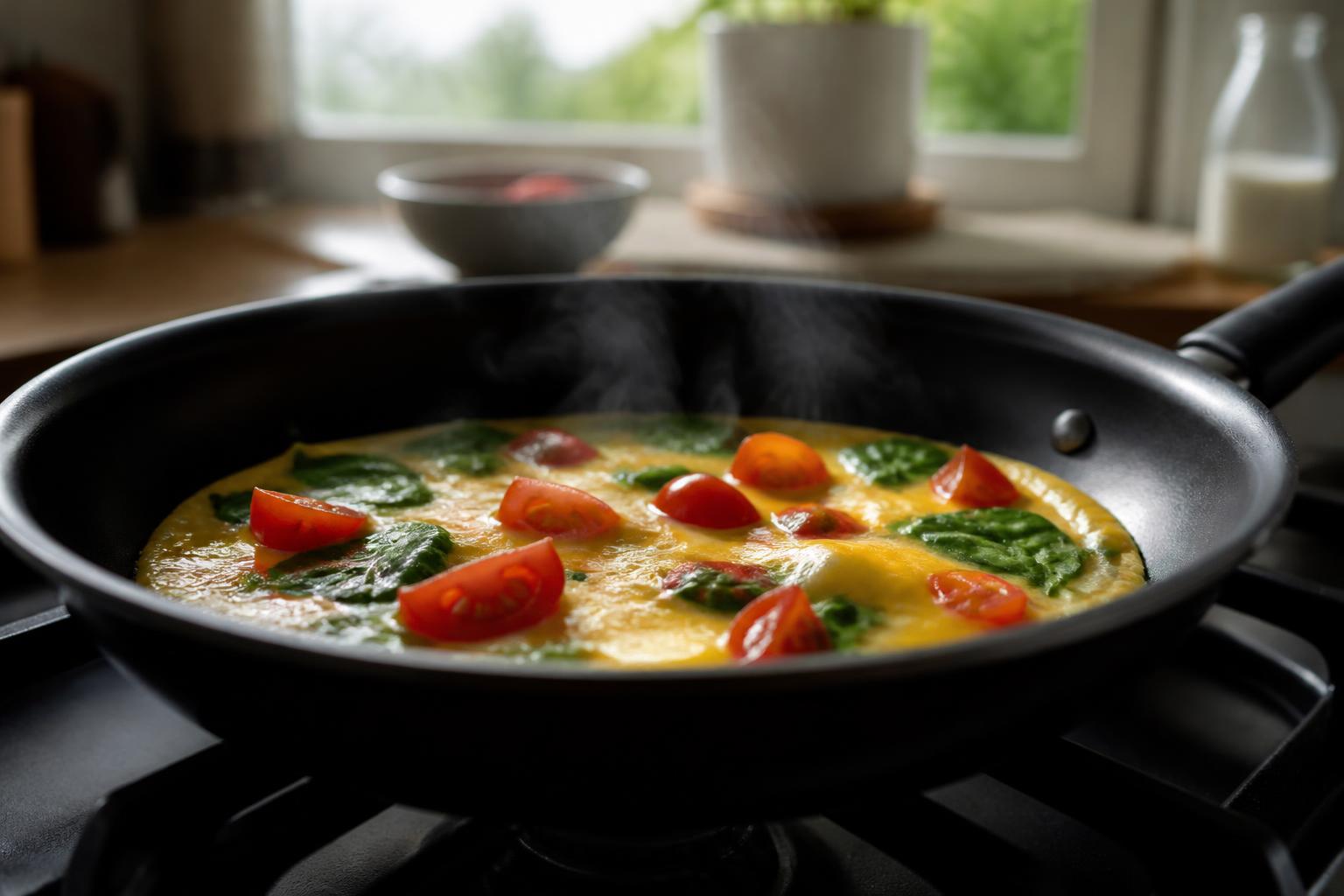
- omelette with potatoes and peas
- stir fry with noodles, mixed veg and tofu
If you struggle with ideas, our round-up of healthy meals you can cook without overthinking it focuses on meals that are genuinely repeatable on busy evenings.
Snacks
Snacks are not a problem in themselves. They are useful if there is a long gap between meals, if you are very active, or if you need something practical on the go.
More filling snack options include:
- fruit with peanut butter
- yoghurt
- oatcakes with hummus
- a handful of nuts
- boiled eggs
- cheese with crackers
- carrots and cucumber with dip
The point is not to ban biscuits or crisps forever. It is to make sure your default snacks do more for you than just filling ten minutes.
How to shop and read labels without getting lost
Food labels can be helpful, but only if you know what they can and cannot tell you.
In the UK, front-of-pack traffic light labels are voluntary, not mandatory, but many products use them. They show whether a food is low, medium or high in fat, saturated fat, sugars and salt, usually per 100g or per portion. They are useful for quick comparisons between similar products, such as two breakfast cereals or two ready meals.
The key phrase there is similar products. Comparing cereal with yoghurt, or soup with nuts, using only traffic lights does not tell you much.
Ingredient lists matter too. Ingredients are listed by weight, with the largest amount first. If sugar appears near the top in a product you thought was mainly oats or fruit, that tells you something. The same goes for products marketed as high protein or natural when the ingredient list suggests otherwise.
Portion information needs more care. Some packs highlight values “per portion”, but the portion may be much smaller than what many people actually eat. That is why it is often better to compare products per 100g first, then think about your real serving size. We explain that in more detail in our guide to comparing labels properly, per 100g or per portion.
A few practical rules help when shopping:
- Compare like with like.
- Check fibre as well as calories.
- Watch salt in soups, sauces, breads and ready meals.
- Look at added sugars in cereals, cereal bars and flavoured yoghurts.
- Do not assume “high protein”, “source of fibre”, “gluten free” or “plant based” means generally healthy.
Nutrition and health claims are regulated in the UK, although the rules have diverged in some areas from the EU since Brexit. Broadly, a claim such as “source of fibre” or “low fat” must meet defined criteria. That does not mean the product is balanced overall. A product can be low in fat and still high in sugar or low in fibre. “No added sugar” also does not necessarily mean low in sugar overall, because the food may still contain naturally occurring sugars.
Unit pricing is another overlooked tool. Looking at the shelf edge price per 100g or per kg often shows that a larger pack, a supermarket own brand, or a bag of plain ingredients is better value than a smaller product marketed as a health food. Our guide on spotting the better buy on your healthy food shop is useful if you want to make those comparisons more confidently.
How to make healthier eating work on a budget and busy schedule
Healthy eating does not require expensive “wellness” products. In many UK households, the most useful foods are ordinary staples.
Budget-friendly basics include:
- oats
- wholemeal bread
- potatoes
- rice and pasta
- tinned beans and lentils
- eggs
- frozen vegetables
- frozen berries
- tinned tomatoes
- peanut butter
- plain yoghurt
- canned fish
Frozen and tinned foods are especially helpful when time is tight. Frozen veg can be cheaper, lasts longer, and is often just as useful nutritionally as fresh. Tinned beans, chickpeas and tomatoes make quick meals possible without much prep. If you buy tinned vegetables or pulses, check the salt level if that is relevant to you, and drain or rinse where appropriate.
Planning helps, but it does not need to mean a colour-coded spreadsheet. A simple version is enough:
- choose three or four dinners for the week
- buy ingredients that overlap
- keep two emergency meals in the cupboard or freezer
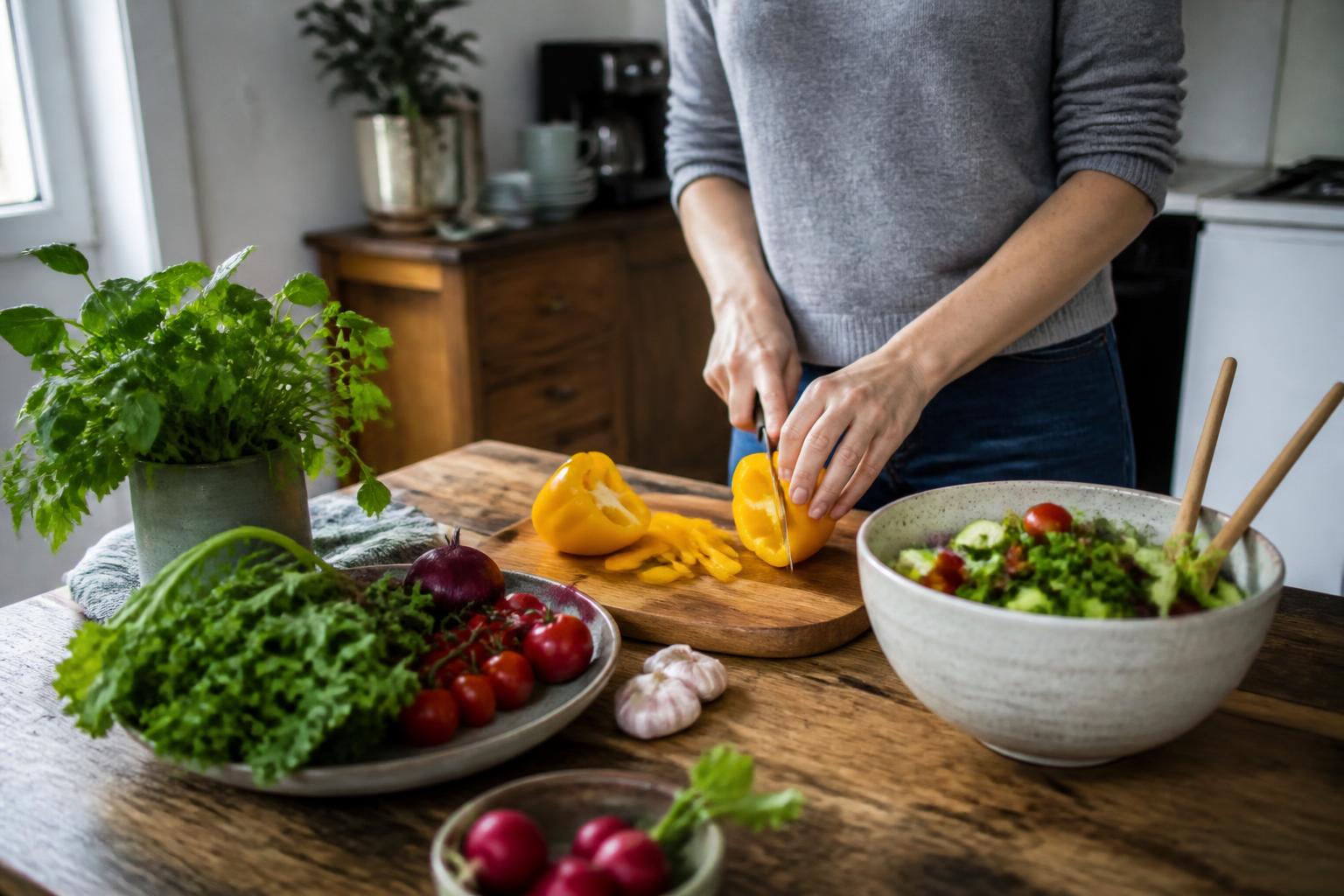
- prep one thing in advance, such as cooked rice, chopped veg or overnight oats
Batch cooking can save both money and effort if you choose meals that freeze well, such as chilli, curry, soup, bolognese or bean stew. Even cooking double rather than cooking from scratch every Sunday can make a difference.
Convenience food also has a place. A realistic healthy diet can include:
- microwave rice
- pre-washed salad
- frozen fish fillets
- ready-cooked lentils
- supermarket soup
- rotisserie chicken
- decent ready meals
The practical question is whether the convenience option helps you eat a more balanced meal than you would otherwise have had. If a ready meal plus extra veg is what gets dinner done, that can be a sensible choice.
Busy schedules also make repetition useful. Having the same two breakfasts, the same few packed lunches, and a shortlist of reliable dinners is not boring if it removes decision fatigue.
How to judge progress when the goal is better habits, not perfection
If your goal is better habits, progress will not always show up as a dramatic change on the scales, and it does not need to.
Useful signs that your eating pattern is improving include:
- you feel less ravenous between meals
- you have more stable energy through the day
- you rely less on emergency snacks or takeaways
- meals feel easier to organise
- you are eating a wider range of foods
- your digestion feels more settled
- you are thinking less in terms of “being good” or “being bad”
Setbacks are normal. Holidays, stressful weeks, illness, childcare, money pressure and work deadlines all affect how people eat. One takeaway, one weekend, or one rough week does not undo anything. The aim is to return to your basic habits at the next meal or the next day, not to compensate by skipping meals or starting another restrictive plan.
It is also worth noticing when healthy eating starts turning into rule-following for its own sake. If you feel anxious about eating out, guilty after ordinary foods, or trapped in cycles of restriction and overeating, the issue may no longer be just meal planning.
Most adults can make useful changes with general guidance, but some situations call for individual advice from a qualified professional. Seek personalised support from a registered dietitian or another appropriate clinician if you have a medical condition such as coeliac disease, diabetes, IBS, kidney disease, or food allergies, if you are pregnant and need tailored advice, or if you think disordered eating may be part of the picture.
Learning how to start eating healthy is usually less about finding the perfect diet and more about making your next few choices easier. Eat a bit more regularly. Build meals that fill you up. Use labels to compare products sensibly. Keep affordable staples on hand. Then repeat what works.
That is often enough to move your diet from scattered to steady, which is where healthier eating becomes much more sustainable.

Questions about this article or a correction to suggest? Get in touch. Read more about our editorial approach.