Healthy eating on an ordinary UK day is usually less about finding the perfect food and more about getting the basics right, most of the time. That means meals that are reasonably balanced, enough fruit and vegetables across the day, sensible portions, and foods that fit your budget, schedule and appetite. It does not mean cooking every meal from scratch, avoiding all convenience foods, or judging a day by whether you had a biscuit with tea.
When people look for healthy eating ideas, what they often need is not a list of “good” and “bad” foods. They need a way to make breakfast, lunch, dinner and snacks work in real life, with supermarket staples, packed lunches, rushed evenings and the occasional takeaway. That is what we are focusing on here.
What healthy eating looks like in everyday life
In practical UK terms, healthy eating means looking at your overall pattern of eating rather than trying to make one food carry too much importance. A bowl of sugary cereal does not make your whole diet unhealthy. A salad at lunch does not automatically make it healthy either. What matters is what your eating looks like across the week.
A useful starting point is the familiar UK public health picture of a balanced diet. In broad terms, that means:
- plenty of fruit and vegetables
- higher fibre starchy foods such as potatoes, bread, rice, pasta and cereals
- some beans, pulses, fish, eggs, meat or other proteins
- some dairy or dairy alternatives
- unsaturated oils and spreads in small amounts
- foods high in salt, sugar and saturated fat less often or in smaller amounts
That sounds simple because it is meant to be. The difficulty is applying it to normal days. In practice, healthy eating may look like porridge with fruit in the morning, a sandwich with salad and yoghurt at lunch, pasta with vegetables and beans or chicken in the evening, and a couple of snacks that actually keep you going.
It is also worth saying that healthy eating is not identical for everyone. Appetite, age, activity, culture, medical conditions and household routine all affect what works. Someone doing physical work may need larger portions of starchy foods than someone sitting at a desk all day. Someone with IBS may not tolerate the same foods as someone else. A parent feeding a family may need different solutions from someone cooking for one.
So when we talk about healthy eating ideas, we mean practical choices that improve the overall pattern, not rigid rules about individual ingredients.
A simple way to build meals without overthinking them
The easiest way to build meals is to stop aiming for perfection and use a repeatable structure. For most main meals, think in three parts:
- a source of carbohydrate for energy and fibre
- a source of protein for fullness and maintenance
- vegetables or fruit for volume, fibre and variety
You do not need to weigh every component. A visual guide is often enough. On many plates, about half vegetables or salad, about a quarter protein, and about a quarter starchy food is a useful pattern. That will not suit every meal or every person, but it is a sensible default.
For breakfast, the same principle applies. A breakfast that keeps people fuller usually includes some fibre and some protein. Examples include:
- porridge made with milk, topped with banana, berries, chopped apple or seeds
- wholegrain toast with peanut butter and sliced fruit
- eggs on toast with tomatoes or mushrooms
- Greek-style yoghurt or plain yoghurt with cereal and fruit
- overnight oats with milk or yoghurt and frozen berries
A breakfast can still be healthy if it comes from a packet. The question is whether it is filling, how much sugar it contains, and whether it contributes useful fibre or protein. Some cereals are mostly refined grains and sugar, while others offer more fibre and a more moderate sugar content. Comparing products side by side helps.
Lunch often becomes the weak point because it is squeezed between work and errands. A practical lunch does not need to be elaborate. Good formats include:
- sandwiches or wraps with chicken, tuna, egg, hummus or cheese, plus salad
- soup with wholemeal bread and fruit
- leftover chilli, curry or pasta in a microwave container
- grain pouches or rice with beans, vegetables and a dressing
- baked potato with beans, cottage cheese or tuna
The main thing is to include enough substance. A lunch of only leaves and raw vegetables often leaves people hungry by mid afternoon. Adding potatoes, bread, pasta, rice, beans, eggs, fish or meat usually makes the meal more satisfying.
Evening meals are where a simple formula helps most. Think of familiar combinations:
- salmon, potatoes and peas
- chicken, rice and stir-fried vegetables
- pasta with tomato sauce, lentils and grated cheese
- chilli with beans, rice and a side salad
- jacket potato with baked beans and broccoli
- tofu or paneer curry with rice and frozen vegetables
These are ordinary meals, not “diet food”. If a meal contains more cheese, creamy sauce or chips than you intended, that is not failure. It is just part of the wider pattern. Healthy eating works better when meals are normal enough to repeat.
Healthy snack ideas that are realistic between meals
Snacks are often treated as the problem, when in reality they are usually a sign that your day needs fuel. A snack can be useful if there is a long gap between meals, if you are active, or if your meals are small. The key is choosing snacks that are convenient and genuinely satisfying.
Filling snacks often combine at least two of these features:
- protein
- fibre
- some fat
- enough volume to feel like you have eaten something
That could mean:
- yoghurt with fruit
- an apple with peanut butter
- a banana and a handful of nuts
- oatcakes with cheese
- hummus with carrots, cucumber or crackers
- toast with peanut butter
- boiled eggs
- cottage cheese with tomatoes
- a small bowl of cereal with milk
Packaged foods are not automatically unhealthy, and it is not helpful to pretend they are. Supermarket snack aisles include products that vary hugely in nutrition. A protein yoghurt, a cereal bar, roasted chickpeas, popcorn, crackers and chocolate biscuits are all packaged foods, but they do not do the same job.
What matters is context. If you need something to keep in a desk drawer or bag, shelf stable options matter. Crackers, nuts, dried fruit, popcorn and oat bars can all have a place. If you need a snack that will actually tide you over, look for a bit more protein or fibre, rather than relying on something that is mostly sugar and disappears in three bites.
It is also worth noticing when a snack is really a small meal. If lunch was light and dinner is hours away, there is no reason to force yourself into a “light” snack if what you need is toast, soup or a sandwich. Calling it a snack does not make it nutritionally different.
How to use food labels for better everyday choices
Food labels are most useful when you are comparing similar products, not when you are trying to score foods as simply healthy or unhealthy. A yoghurt should be compared with other yoghurts. A cereal should be compared with other cereals. A ready meal should be compared with similar ready meals.
On UK packaging, the most useful parts of the label are usually:
- the nutrition table
- the ingredients list
- the traffic light colours on the front of pack, where present
- the serving size, checked carefully rather than taken on trust
The nutrition table gives values per 100g or per 100ml, and often per portion as well. In the UK, per 100g is usually the fairest way to compare two similar products because portion sizes set by manufacturers can differ. We explain this in more detail in our guide to comparing food labels properly using per 100g or per portion.
For cereals, useful things to compare include fibre, sugar and sometimes salt. A cereal with more fibre and less sugar may keep you fuller, especially if you eat it with milk or yoghurt and fruit. For yoghurts, compare sugar, protein and fat, keeping in mind that plain yoghurt contains naturally occurring milk sugars, while flavoured yoghurts may contain added sugar as well. For ready meals, look at saturated fat, salt, protein and whether the portion is enough for a full meal.
Front of pack traffic light labelling is widely used in the UK, though not mandatory on all foods. It can be a quick tool, especially for fat, saturated fat, sugars and salt. Red does not mean “never eat this”, and green does not mean “eat freely”. It simply helps you see which products are higher or lower in those nutrients.
The ingredients list can tell you things the nutrition table cannot. Ingredients are listed in descending order by weight. If sugar appears near the top of a breakfast cereal, that tells you something. If a tomato soup is mostly water and tomato purée with a little cream, that is useful to know. If a bread contains wholemeal flour as the main ingredient, that is usually a good sign if you want a higher fibre loaf.
Where UK and EU rules differ, the broad label structure remains similar, but some front of pack schemes are country specific. UK shoppers will most often see the traffic light system used voluntarily by brands and retailers. Imported products may present information differently, so the per 100g table becomes even more useful.
Healthy eating ideas on a budget and with limited time
Eating well on a budget is rarely about one clever swap. It is usually about building meals from affordable basics, using what keeps well, and reducing waste.
Frozen foods are one of the most practical tools for this. Frozen peas, spinach, mixed vegetables, berries and fish can be nutritious, easy to portion and less wasteful than fresh versions that spoil before you use them. Tinned foods are equally helpful. Beans, chickpeas, lentils, tomatoes, tuna and sweetcorn can turn cupboard ingredients into proper meals in minutes.
Useful cupboard foods include:
- oats
- wholewheat pasta
- rice
- noodles
- tinned beans and pulses
- tinned tomatoes
- nut butter
- crackers or crispbreads
- stock cubes
- herbs and spices
With those on hand, meals come together quickly. Pasta with tinned tomatoes and lentils. Rice with frozen vegetables and eggs. Toast with beans. Soup made from red lentils, carrots and stock. None of this is glamorous, but it works.
If time is tight, convenience can support healthy eating rather than undermine it. Pre-chopped vegetables, microwave rice, bagged salad, frozen stir-fry mixes and ready cooked grains all save time. The question is whether they help you eat better more consistently. If they do, they are doing their job.
A few habits make a difference:
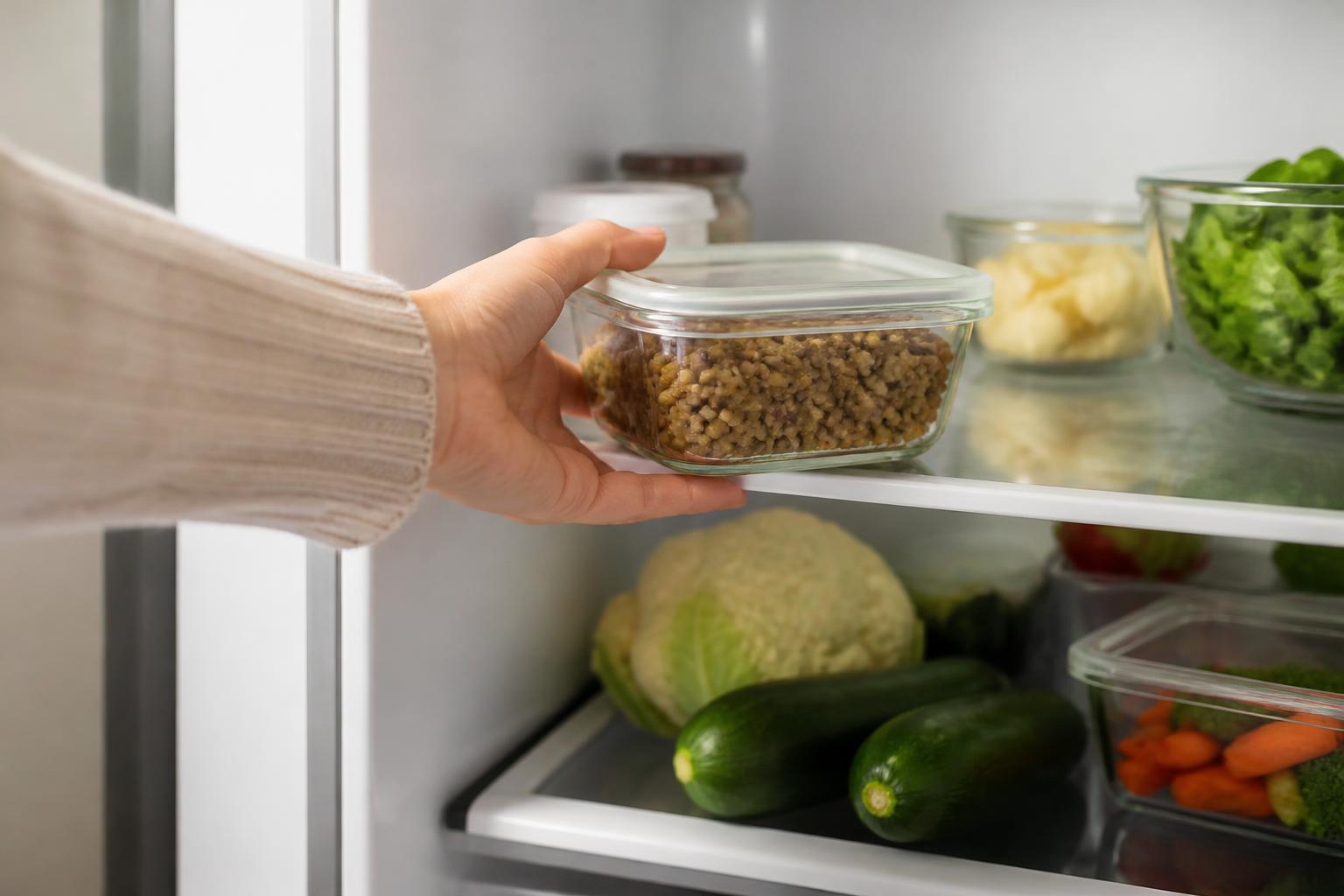
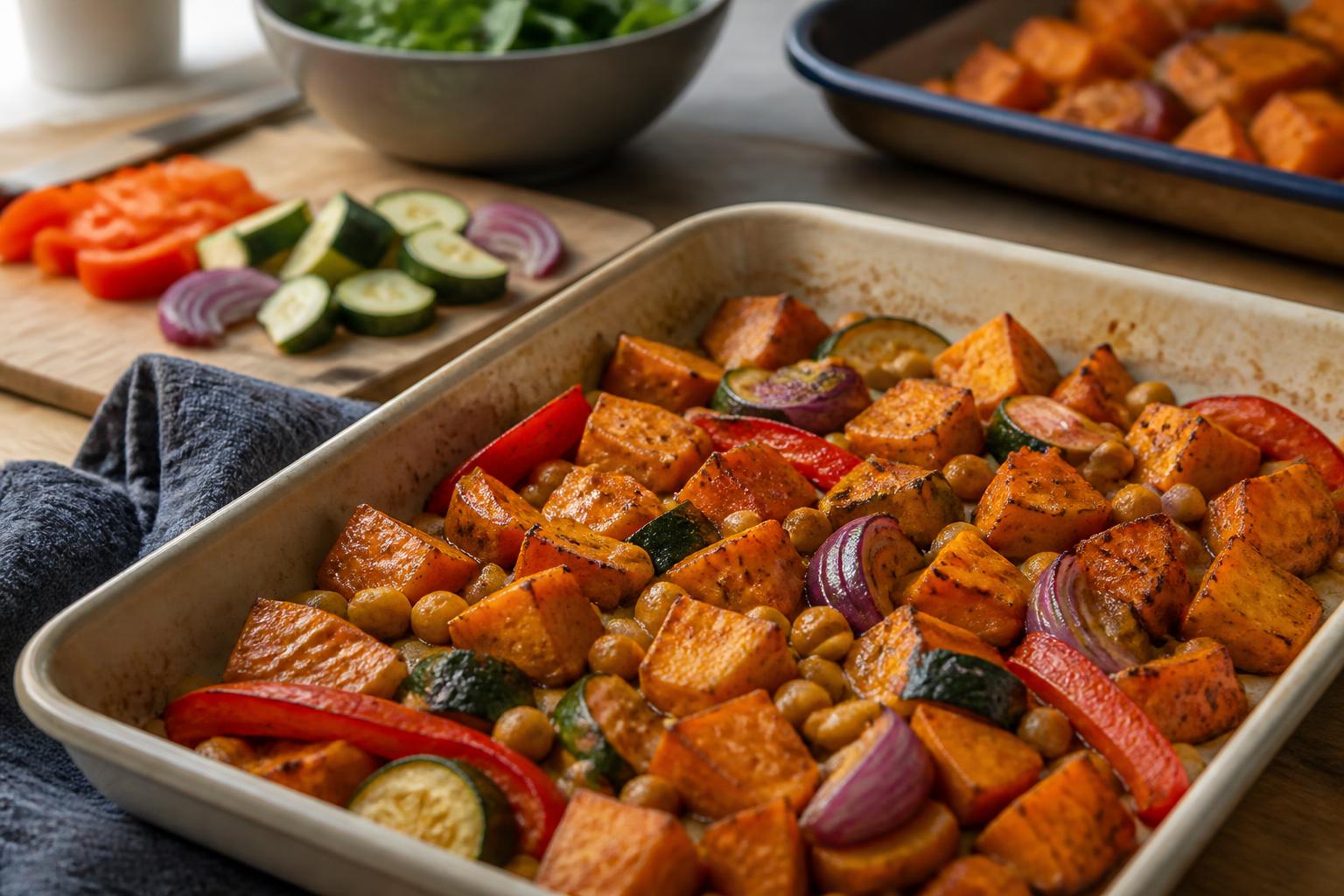
- cook enough for leftovers
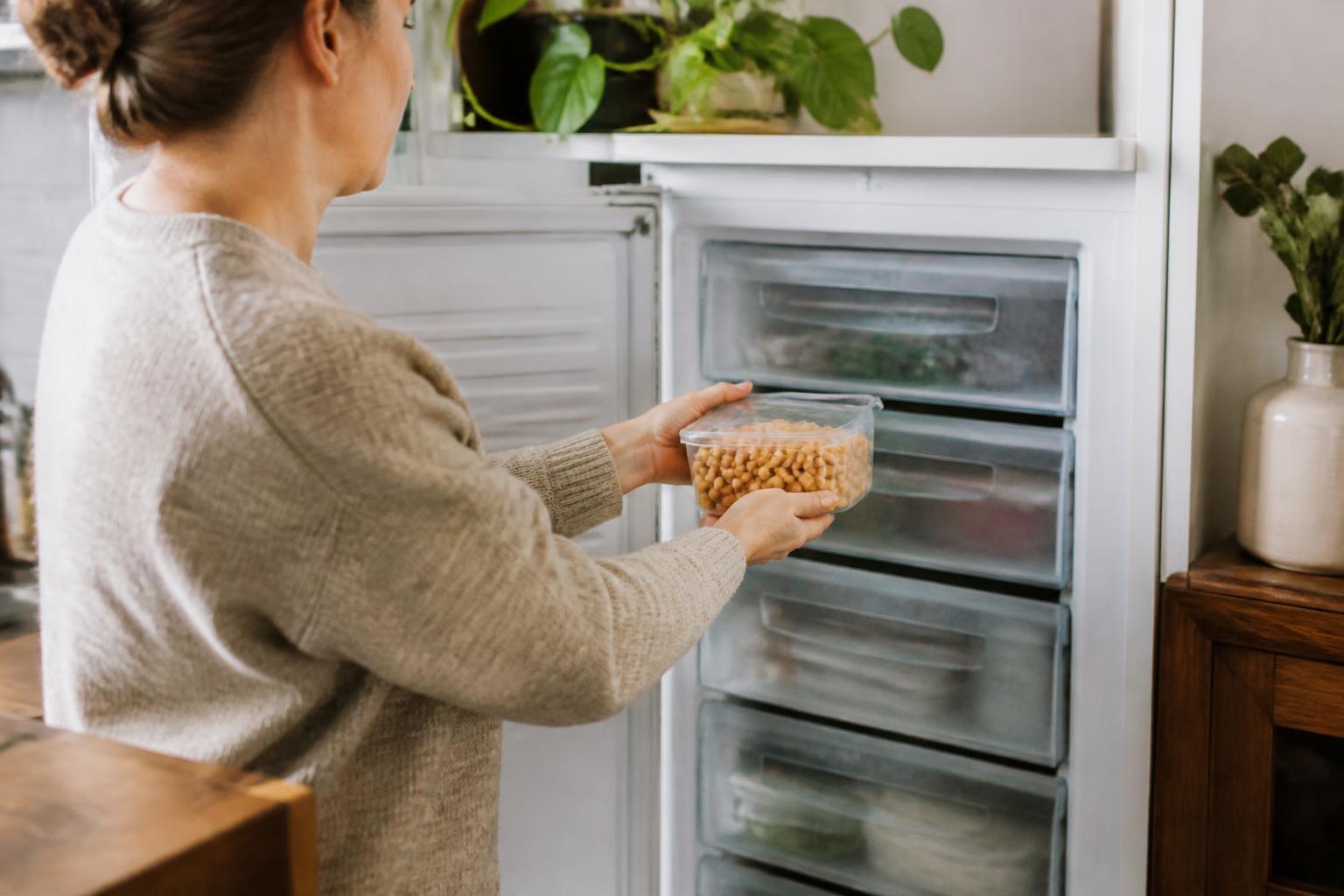
- keep one or two freezer meals for busy days
- use flexible ingredients across several meals
- buy fruit and vegetables in forms you will actually use
- plan only a few dinners at a time, rather than an idealised week
For example, a pack of tortillas can become wraps one day, quesadillas the next, and a quick pizza base later in the week. A roast chicken can become dinner, then sandwiches or pasta. A bag of potatoes can be baked, boiled, mashed or added to soup.
Budget eating also benefits from not chasing expensive “health” products. You do not need protein puddings, superfood powders or specialist granolas to eat well. Ordinary foods, bought with some consistency, usually do more for both nutrition and budget.
Where healthy eating advice can be unclear
This is the part many readers are quietly frustrated by. Healthy eating advice is often presented as if every question has a neat answer. It does not.
Take ultra-processed foods. The term is widely used, but it can create more confusion than clarity in everyday shopping. Some ultra-processed foods are easy to identify as occasional foods, such as sweets and fizzy drinks. Others are more mixed. Wholemeal sliced bread, baked beans, flavoured yoghurt and breakfast cereal may also fall into the category depending on the classification system used. That does not make them nutritionally identical, and it does not mean they all need the same response.
For ordinary UK eating, it is usually more useful to ask practical questions. Does this food help make a balanced meal? Is it high in salt, sugar or saturated fat compared with similar products? Does it provide fibre, protein or useful convenience? How often do I eat it, and in what amount? Those questions are more actionable than trying to sort your trolley into pure and impure categories.
Sugar is another area where messages get muddled. In UK guidance, the concern is mainly free sugars, such as those added to foods and drinks, and those naturally present in honey, syrups and fruit juice. That is different from the naturally occurring sugars in intact fruit and plain milk. So a fruit yoghurt with added sugar is not the same as plain yoghurt with berries, but neither should be judged on sugar alone. Protein, portion size and how the food fits into the day still matter.
Carbohydrates are often discussed as though they are one thing. They are not. Oats, lentils, white bread, sweets and chips all contain carbohydrate, but they differ in fibre, nutrients, how filling they are and how they are usually eaten. Rather than fearing carbs as a category, it makes more sense to look at the type, the portion and the meal around them.
Portion size is another genuinely difficult area. Pack sizes have changed over time, restaurant servings vary, and hunger is not identical from person to person. There is no single correct portion that applies to everyone. Labels can help, but manufacturer serving sizes can be unrealistic. That is why comparing products per 100g is often more reliable than relying on the stated portion alone, especially for cereals, yoghurts and ready meals.
The honest answer is that healthy eating has some firm basics and some grey areas. The basics are familiar: more fruit and vegetables, enough fibre, sensible portions, not too much salt, sugar and saturated fat overall. The grey areas are how that looks in packaged foods, convenience meals, snacks and modern shopping habits.
That is why the most useful healthy eating ideas are usually the least dramatic. Build meals from recognisable components. Use labels to compare like with like. Keep realistic snacks around. Rely on frozen, tinned and cupboard foods when life is busy. Aim for a pattern that is good enough to repeat, because that is what shapes how you eat in the real world.

Questions about this article or a correction to suggest? Get in touch. Read more about our editorial approach.