Camping food is healthiest when it does two jobs at once. It needs to keep well in a tent, car or cool box, and it needs to give you steady energy rather than a quick burst followed by hunger an hour later. In practice that usually means simple foods with a good mix of carbohydrate, protein, fibre and fluids, plus some fruit or vegetables that can survive being packed.
The easiest way to get this right is not to chase perfection. A realistic camping menu is built around foods you will actually carry, store safely and cook with the kit you have. If breakfast takes one pan, lunch can be eaten cold, and dinner uses a few sturdy ingredients with little waste, you are far more likely to eat well for the whole trip.
What makes camping food healthy in practice
When we talk about healthy camping food, we are not talking about specialist products or ultra-clean eating. We mean food that supports a day outdoors, travels well, and helps you avoid the common camping pattern of pastries at breakfast, crisps all afternoon and a very late, very beige dinner.
A healthy camping meal usually includes:
- A source of energy, such as oats, bread, wraps, potatoes, rice or pasta
- Protein, such as eggs, yoghurt, beans, lentils, fish, chicken, cheese, tofu or nuts
- Fibre, often from wholegrains, pulses, fruit, veg, seeds and nuts
- Some fruit or vegetables, fresh, tinned, dried or pre-prepped
- Fluids, especially water, and sometimes milk or long-life alternatives
- A level of convenience that matches the trip
Convenience matters more than many people admit. If food needs a chopping board, three burners and twenty minutes of washing up, it may be healthy on paper but not in practice. The better approach is to choose foods that are robust, quick to assemble and easy to portion.
For active days, energy density matters too. A long walk, a day of paddling or repeated trips carrying gear all increase appetite. Healthy food for camping should not leave you under-fuelled. Oats with peanut butter and banana can be a better breakfast than a low-calorie cereal if you will not eat again for hours. Equally, a lentil pouch with rice and tinned fish may be a more useful dinner than a salad that leaves you hungry.
Hydration is part of the picture. Tea and coffee count towards fluid intake, but plain water still needs planning. If you are camping without a reliable tap nearby, water becomes part of your food plan, not an afterthought.
How to plan meals around storage, weight and cooking kit
Before writing a shopping list, we find it helps to sort camping trips into three rough types. Each one changes what counts as sensible healthy camping food.
First, there is car camping with a cool box or campsite fridge. This gives you the most flexibility. You can take perishable foods for the first day or two, including milk, yoghurt, eggs, cooked chicken, hummus and grated cheese. You can also pack heavier items like fresh fruit, potatoes and tins without worrying too much about weight.
Second, there is lighter camping where you still have a stove but limited space. Here, shelf-stable foods matter more. Think oat sachets, nut butter, couscous, noodle pots with added veg and protein, tinned pulses, vacuum-packed grains, dried fruit and nuts.
Third, there is camping with very minimal kit, where meals need little or no cooking. In that case, wraps, oat bars, fruit, nuts, nut butter, tinned fish, ready-to-eat grains, hard cheese and long-life milk or soya drinks become the backbone.
A few practical checks make meal planning easier:
1. Start with cold storage
If you have a cool box, use it for the foods that genuinely need chilling. In UK food safety guidance, high-risk chilled foods include meat, dairy, cooked rice, cooked pasta and foods containing them. A cool box should stay cold enough with plenty of ice packs, but it is not as reliable as a fridge for long periods, especially in warm weather or if opened often.
Use the first 24 hours for the most perishable items. That might mean chicken wraps on day one, eggs on day two, and then shelf-stable meals after that.
2. Match food to your stove and washing-up tolerance
A single-burner stove changes what is realistic. One-pot meals are usually best. Couscous is easier than pasta because it only needs boiled water and a covered bowl or pan. Instant oats are easier than a cooked breakfast. Pouch rice and lentils save both fuel and washing up.
If you have no grill and no oven, avoid packing foods that only make sense with those. If your stove is slow, choose ingredients that heat quickly.
3. Watch pack weight and waste
Glass jars, full-size condiment bottles and large tins create dead weight and rubbish. For shorter trips, decant olive oil, spices and dressings into small leakproof containers. Use zip bags or reusable tubs for measured portions of oats, trail mix or pasta.
Fresh produce can be surprisingly efficient if you choose sturdy items. Apples, oranges, carrots, peppers and cherry tomatoes tend to travel better than soft berries or bagged salad.
4. Plan around shelf life, not just meal ideas
A good sequence is:
- Day 1 to 2, fresh chilled foods
- Day 2 to 3, sturdy fresh produce and opened ambient items
- Later days, long-life staples
This prevents the common problem of packing healthy ingredients that spoil before you get to them.
Best healthy camping food for breakfasts, lunches and evening meals
The easiest camping meals are built from common UK supermarket ingredients, with a short ingredient list and very little prep.
Breakfasts
Breakfast needs to be filling enough to last through a morning outdoors, especially if lunch will be late.
Porridge with extras
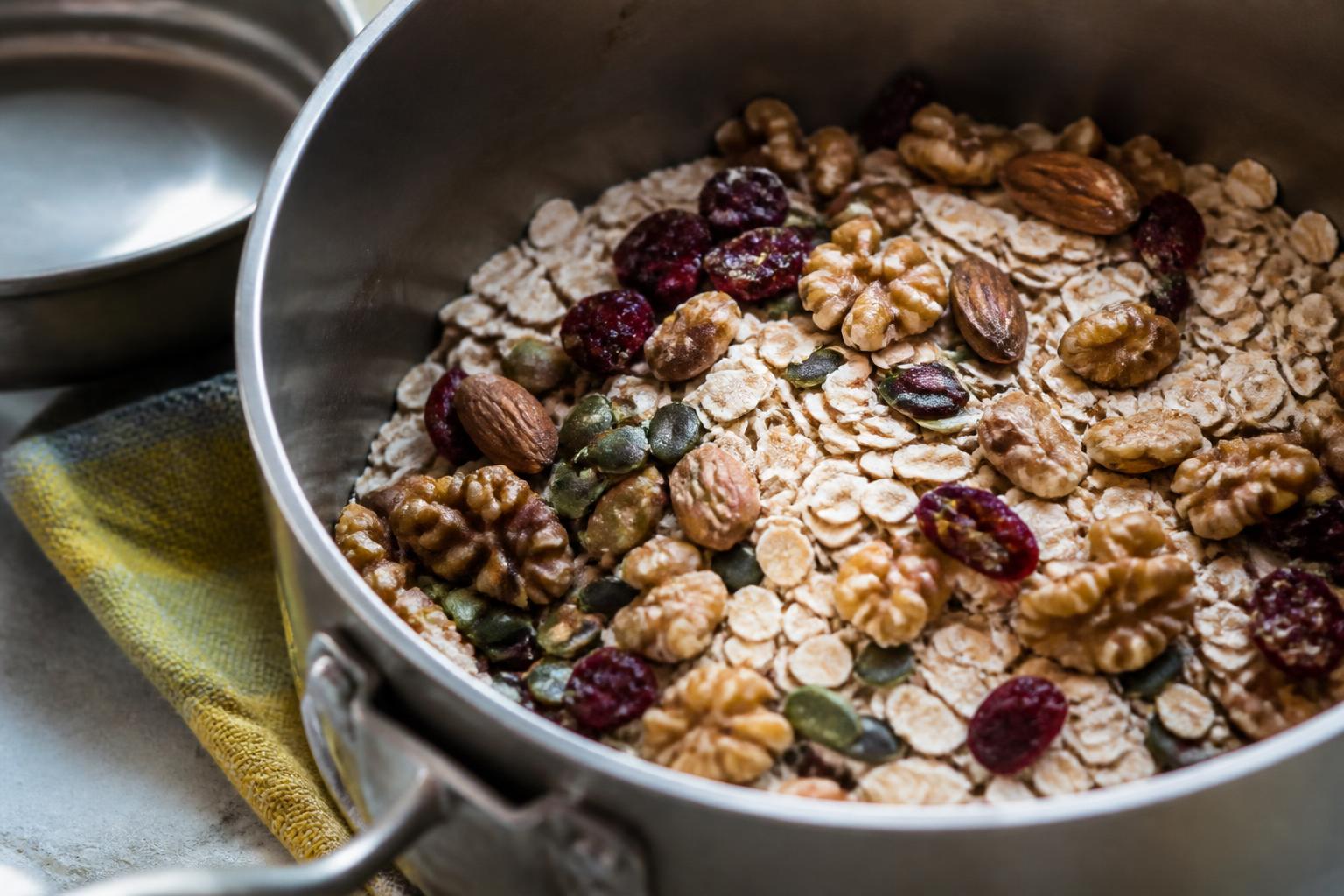
Oats are one of the most useful breakfast foods for camping. They are light, cheap and easy to portion. Make them with milk, long-life milk or water, then add banana, raisins, chopped apple, peanut butter, seeds or a spoonful of yoghurt if you have chilled storage.
Overnight oats in a tub
For campsites with limited morning time, mix oats with milk or yoghurt the night before. Add chia seeds, grated apple or berries if you can keep them chilled.
Eggs on toast or wraps
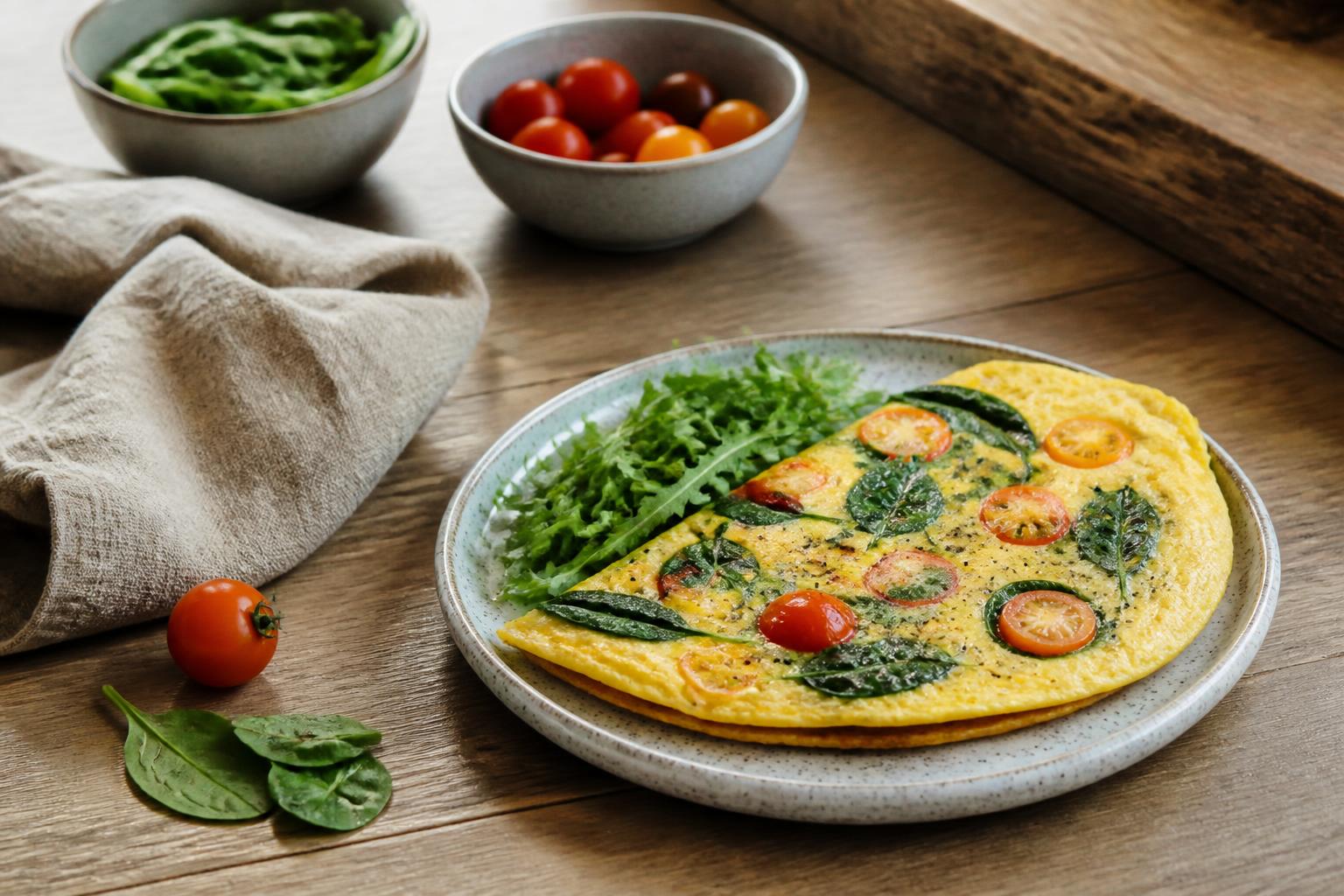
Eggs can work well for the first part of a trip if stored properly in a cool box. Scrambled eggs in a wrap with spinach or tomatoes make a solid breakfast with protein and carbohydrate.
Greek yoghurt, fruit and cereal
If you have cold storage, individual pots or a larger tub of yoghurt with fruit and a high-fibre cereal is quick and low-mess.
Breakfast bars or muffins with fruit
These are useful on early starts, but check what they actually provide. Some are little different from cake. We have covered what to look for in our guide to choosing a healthier breakfast muffin and how to make a healthier breakfast bar at home.
Lunches
Lunch on a camping trip needs to survive being packed in a day bag, and it should not leave you sleepy or still hungry.
Wraps with protein and crunchy veg
Wraps travel better than many loaves once opened. Fill them with hummus and grated carrot, tinned salmon and cucumber, cheese and tomato, or peanut butter and banana. If using chilled fillings, keep them cold until needed.
Pasta or grain salad
For car camping, cooked pasta, couscous or bulgur mixed with chickpeas, peppers, sweetcorn and a simple dressing works well. Eat it on the same day if it contains chilled ingredients and keep it properly cold. Cooked rice needs particular care because it can support bacterial growth if left warm. If you are not able to chill it promptly, use shelf-stable rice pouches and eat once heated.
Soup with bread or oatcakes
Tinned soup is heavier to carry but very easy if you have a stove. Add a drained tin of beans or lentils to make it more substantial.
Ploughman’s-style lunch
Apples, wholegrain crackers, hard cheese, chutney and tomatoes are practical and low effort. Harder cheeses usually travel better than soft ones, but they still count as chilled foods once cut and packed for the day.
No-cook lunch box
Try oatcakes, nut butter sachets, fruit, a carton of long-life milk, nuts and a pouch of ready-to-eat lentils or beans.
Evening meals
Dinner is where planning pays off. If you are tired, hungry and short on light, simple meals win.
Chilli with rice
Use a tin of beans or a mixed bean chilli, add chopped pepper or sweetcorn, then serve with pouch rice. This gives you carbohydrate, protein and fibre with almost no prep.
Couscous bowl with chickpeas
Couscous cooks quickly with boiled water. Stir through chickpeas, chopped tomatoes, olives and a little olive oil. Add feta on the first night if chilled.
Wholewheat pasta with tomato sauce and tuna
A jar of tomato sauce is heavy, so for shorter trips take a small container of passata or use a carton. Stir in tuna, lentils or cooked chicken. Add spinach if you are using it early in the trip.
Baked potatoes with easy toppings
If you have a campsite shop or access to a microwave this is easy, but on a stove it is less practical unless pre-cooked. Good toppings include beans, grated cheese, tuna and sweetcorn.
Noodles upgraded with protein and veg
Plain instant noodles can be improved with frozen edamame taken for the first night, tofu, egg or tinned fish, plus mushrooms, peas or pak choi if you can store them properly.
One-pan sausage and bean stew
For trips with a better cool box, cook reduced-fat sausages thoroughly and simmer with beans, tomatoes and onions. This is more of a first-night meal because of the chilled meat.
If you need breakfast ideas that fit a particular eating pattern, we have also covered healthy vegan breakfasts that keep you full for longer.
Which snacks travel well on a camping trip?
Good camping snacks need to do more than fill a gap. They should be easy to carry, not too crumbly or messy, and satisfying enough to stop you drifting into constant grazing.
Useful options include:
- Nuts and seeds
- Trail mix with dried fruit
- Roasted chickpeas or broad beans
- Oatcakes
- Wholegrain crackers
- Nut butter sachets
- Apples, oranges and bananas
- Dried apricots, dates or raisins
- Cheese portions for the first day if kept chilled
- Plain popcorn
- High-fibre cereal bars
- Dark chocolate in sensible portions
Snacks are most useful when they combine carbohydrate with either protein or fat. An apple on its own may not last long, but an apple with peanut butter or a handful of nuts usually does better. Oatcakes with cheese, a banana with nuts, or trail mix with some pumpkin seeds are all practical choices.
If you are walking, pocket-friendly foods matter. Soft fruit, yoghurt pots and crumbly pastries often create more mess than they are worth. For children or fussy eaters, familiar formats can help, but it is still worth checking labels for fibre, sugar and how filling the product is. We have looked at this more broadly in our guide to healthy eating that works for fussy eaters.
How to keep camping food safe outdoors
Food safety can undo the best meal plan if it is ignored. The main risks on a camping trip are poor chilling, inadequate hand hygiene, undercooking and unsafe water.
Chilling
In the UK, chilled foods should be kept cold, ideally at 5C or below in a fridge. A cool box is a temporary solution, not a perfect substitute. Use plenty of frozen ice packs, keep the lid closed as much as possible, and store the box in shade. Pack raw meat at the bottom in sealed containers so it cannot drip onto other foods.
If you are camping in the EU, food safety principles are similar, but specific public guidance can be phrased differently by country. The practical rule stays the same, keep high-risk foods cold and do not rely on a cool box for too long.
Do not put warm leftovers straight into a poorly chilled box and assume they are safe. If you cannot cool leftovers quickly and keep them cold, it is better not to save them.
Hand hygiene
Wash hands with soap and safe running water before preparing food, after using the toilet, after handling raw meat, and before eating. If proper washing is not possible, use hand sanitiser as a fallback, not a full replacement when hands are visibly dirty.
Bring:
- Soap
- A water container
- Paper towels or a clean towel
- Hand sanitiser
- Antibacterial wipes for surfaces
Cooking
Cook meat thoroughly until piping hot all the way through. Chicken should have no pink meat and juices should run clear. Burgers and sausages need proper cooking in the centre, not just colour on the outside.
If you are reheating food, reheat it until it is steaming hot throughout. Do not reheat the same food repeatedly.
Cross-contamination
Use separate utensils or wash them properly between raw and ready-to-eat foods. The same goes for chopping boards and plates. If space is tight, prepare ready-to-eat items first, then raw meat last, followed by a full clean.
Water
Do not assume all campsite or outdoor water sources are safe for drinking. Use clearly marked drinking water points. If you are wild camping or using an uncertain source, treat water properly with boiling, filtration or purification tablets according to the product instructions. Untreated water can cause stomach upset that will ruin a trip faster than any poor menu.
How to build a simple camping food list without overpacking
Overpacking usually happens when we shop by category instead of by meal. We buy bread, wraps, pasta, rice, cereal bars, biscuits and three breakfast options, then come home with half of it untouched.
A better method is to write the trip out day by day.
Step 1. Count meals and snacks
Work out:
- How many breakfasts
- How many lunches
- How many dinners
- How many walking snacks
- Whether you need drinks beyond water
A two-night trip for two people often means:
- 2 breakfasts
- 2 lunches
- 2 dinners
- 4 to 6 snack portions
- Tea, coffee and milk
Step 2. Choose one main option for each meal
For example:
- Breakfast 1, porridge with banana and peanut butter
- Breakfast 2, eggs on wraps
- Lunch 1, hummus and carrot wraps
- Lunch 2, soup with oatcakes and apples
- Dinner 1, bean chilli with rice
- Dinner 2, pasta with tomato sauce and tuna
That is enough variety for a short trip without duplication.
Step 3. Turn meals into quantities
Then write the actual list:
- 500g oats
- 4 bananas
- Small jar peanut butter
- 6 eggs
- 1 pack wraps
- 1 tub hummus
- 4 carrots
- 2 tins soup
- 1 pack oatcakes
- 4 apples
- 1 tin mixed beans or chilli beans
- 2 pouches rice
- 250g pasta
- 1 carton passata
- 2 tins tuna
- Oil, salt, pepper, tea bags, coffee
This is far easier to pack than a vague idea of eating healthily.
Step 4. Check overlap
Can the same food work in more than one place? Wraps can cover breakfast and lunch. Carrots can go into wraps and dinners. Peanut butter can be used at breakfast and as a snack. This cuts waste and saves space.
Step 5. Pack by storage type
Separate your food into:
- Chilled first-day foods
- Ambient staples
- Day bag snacks
- Cooking extras, such as oil, seasoning and washing-up kit
This makes setup easier when you arrive and stops chilled foods being left out while you hunt for a spoon.
Healthy camping food does not need to be elaborate. The best version is usually sturdy, simple and balanced enough to keep you comfortable outdoors. If your meals fit your storage, your stove and your appetite, you are far more likely to eat well and waste less.

Questions about this article or a correction to suggest? Get in touch. Read more about our editorial approach.