Children’s party food does not have to swing between two extremes, beige buffet food on one side and a worthy platter no one touches on the other. A healthier party spread usually works best when it keeps the familiar party feel, but shifts the balance a little. That means more filling savoury food, more fruit and veg in easy-to-eat forms, sensible drinks, and sweet things that still feel festive.
For most UK families, the aim is not to make a birthday tea look like a packed lunch. It is to offer food that children recognise, enjoy and can manage independently, while avoiding a table made up almost entirely of crisps, sweets and sugary drinks. Healthy party food for kids is usually about proportion, presentation and planning, not perfection.
What makes party food healthier without making it joyless?
A healthier children’s party table is one where the main spread includes a mix of carbohydrate foods, some protein-rich items, fruit or vegetables, and drinks that do not load the whole party with sugar. In practical terms, that might mean sandwiches or wraps, mini savoury bites, chopped fruit, cucumber and pepper sticks, yoghurt-based dip, water and no-added-sugar squash, with cake still included.
That approach matters because party food is often eaten quickly, while children are distracted and excited. If the table is built mostly around very sweet foods and salty snack items, some children fill up fast, then crash, while others end up grazing without ever really eating. A few more substantial options help steady that.
Healthier does not mean restrictive. It does not mean banning crisps, refusing birthday cake or trying to persuade six-year-olds that a bowl of plain celery is a treat. It means choosing where to make changes that children will accept. Swapping half the sweets for fruit skewers can work. Offering mini pitta triangles with hummus alongside sausage rolls can work. Replacing every recognisable party food with adult-style “clean eating” alternatives usually does not.
The easiest way to think about it is this. Keep the party cues, finger food, bright colours, a sweet finish, but improve the overall balance. Children are more likely to enjoy a spread that still looks generous and fun. We find that when healthier choices are folded into the table naturally, rather than announced as a project, they get eaten far more readily.
How do you build a kids' party table that children will actually eat?
Start with familiar foods, then widen the choice around them. Children tend to eat best at parties when they can spot a few things they already trust. That could be mini sandwiches, pizza fingers, chicken pieces, wraps, cheese cubes or plain breadsticks. Once those are in place, it is much easier to add fruit, vegetables and dips without the whole table feeling unfamiliar.
Child-friendly format matters as much as the food itself. Large salads, whole apples and adult-sized wraps are often left behind. Bite-sized pieces are more likely to go. Good examples include:
- sandwich quarters with simple fillings
- mini bagels with soft cheese
- wraps sliced into pinwheels
- cucumber batons
- halved strawberries
- melon chunks
- cherry tomatoes cut appropriately for age
- grated carrot in mini pots
- yoghurt dip or hummus in small bowls
Texture matters too. Some children are happy with crunchy raw vegetables, others prefer softer options. Steamed and cooled sweetcorn, roasted sweet potato wedges or mini corn on the cob rounds can be easier than a raw vegetable platter for younger guests.
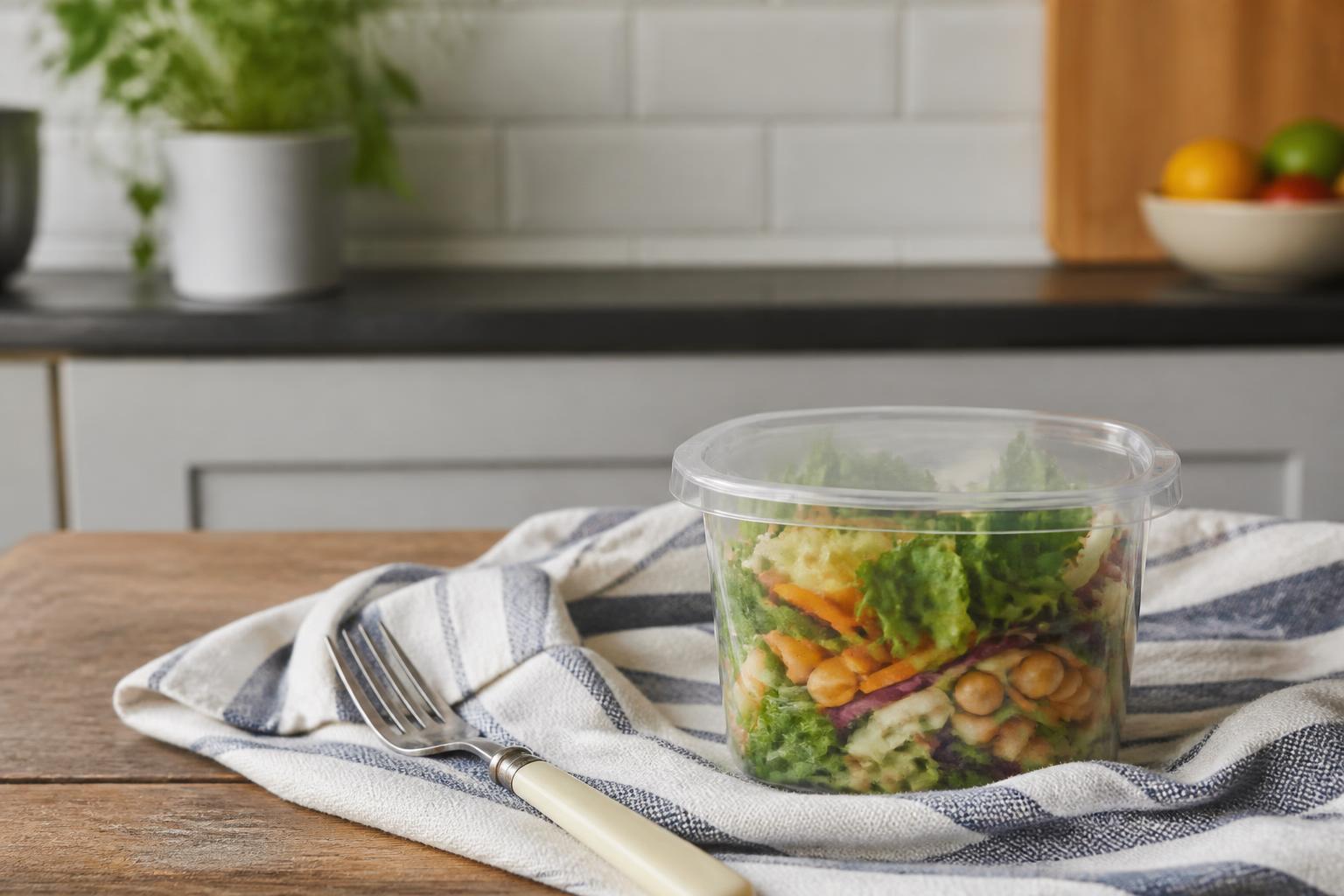
It also helps to make savoury foods filling enough that children do not rely on sweets to feel satisfied. A party table with only nibbles can lead to constant picking and more waste. More substantial savoury options might include pasta salad in little cups, mini frittata slices, baked potato wedges, savoury muffins, or rice salad with mild flavours. If the party runs across a meal time, these become even more important.
Presentation does a lot of work. Fruit threaded onto short skewers, wraps arranged like spirals, and vegetable sticks served with colourful dips feel more “party” than worthy. The same applies to labels and layout. Put the fruit and savoury options where children reach them first, then the sweets and cake later. That one change often improves what gets eaten without any speech from the adults.
If you are planning for school-age children, it helps to think in the same practical way as a good lunchbox or easy family tea. Our guides to healthy school-morning breakfasts kids will actually eat and healthy breakfasts for toddlers that actually get eaten use the same principle, familiar foods in manageable formats, with enough substance to keep children going.
Which drinks and sweet foods make sense at a party?
Drinks are one of the easiest places to reduce sugar without making the party feel mean. In many homes, children are perfectly happy with water if it is served well, in cups they can manage, with slices of orange or cucumber if you want it to look more festive. No-added-sugar squash is another practical option. Milk can work for very young children, though it is not usually the easiest party drink once children are moving around.
Fruit juice sounds wholesome, but it is still a concentrated source of sugar and acid. If you serve it, smaller amounts make more sense than free-pouring large cups all afternoon. Fizzy drinks are usually the least helpful option for a children’s party, especially when cake and dessert are already part of the plan.
Sweet foods are best handled strategically rather than eliminated. Birthday cake is part of the occasion for most families, and there is rarely much to gain from replacing it with something joyless. Where sugar reduction helps most is in everything around the cake. If children have already had squash, sweets, iced biscuits and chocolate treats before the candles come out, the overall sugar load climbs quickly. If cake is the main sweet moment, the balance is easier.
A practical approach is to choose one or two sweet items, not a whole dessert buffet. For example:
- birthday cake plus a fruit platter
- mini fairy cakes plus yoghurt and berries
- frozen yoghurt lollies plus a small tray of biscuits
- flapjack cut into tiny squares, if the rest of the table is light on sweet foods
Watch the language around “treats”. Children generally understand celebration food perfectly well. There is no need to present cake as naughty, or fruit as homework. A bowl of watermelon, grapes prepared safely, and strawberries can be very popular at a party if it is ripe, easy to grab and served cold.
If you are buying packaged foods, the label can help you compare like with like, especially for drinks, yoghurts, bars and dessert pots. We cover that kind of everyday comparison throughout our site, because small label-reading habits often make the biggest difference over time.
How much food do you need for a children's party?
The right amount depends on when the party falls, how long it lasts, and the age of the children. A two-hour party from mid-morning needs a different spread from a lunchtime gathering or an after-school birthday tea. The younger the children, the more unpredictable intake can be. Some will eat very little while playing, then want food at the end. Others will eat the first thing they see.
Rather than aiming for rigid numbers, plan around the role of the food. Ask first whether the table is meant to be a snack, a proper meal, or a light tea. If the party sits between meals, lighter finger food may be enough. If it covers lunch or tea, include several more filling savoury options so children can eat a real portion of something.
Variety matters more than sheer volume. Too many different items can create waste, especially if each is bought or prepared in a full-size pack. A smaller range, with enough of each item to look abundant, usually works better than a huge buffet where half the dishes are barely touched.
Timing helps too. Children often eat more successfully if savoury food is offered before the most exciting activity reaches its peak, or just after active play when they are ready to pause. If sweets are put out from the start, many children will go straight there and ignore the rest.
For mixed age groups, include at least some plain, soft, easy options for younger children, and some more substantial choices for older siblings. Teenagers invited to a family party can clear a platter fast, so if older children are coming, build that into the savoury side.
Waste can be reduced by choosing foods that can be reused safely later. Extra fruit can go into lunchboxes. Spare wraps or sandwiches may be useful for the next day if they have been handled and stored properly. Unopened dips, crackers and drinks are easier to keep than large bowls of mixed buffet food left out too long.
What about allergies, choking risks and food safety?
This is the part of party planning where detail matters. In the UK, packaged foods must declare the 14 major allergens by law. If you are serving bought items, keep the packaging until the party is over so you can check ingredients if a parent asks. If you are making food yourself, make a written note of what went into each dish if there is any chance a guest has an allergy.
Do not guess about allergies. Ask parents in advance, clearly and directly, whether their child has any food allergies, intolerances or medical dietary needs. An allergy is not the same as a preference, and cross-contamination matters. If you are preparing food for a child with a serious allergy, use clean equipment, fresh spreads and separate plates. For some families, the safest route is for the parent to provide the child’s food, and there is nothing unfriendly about that.
If a child has been prescribed an adrenaline auto-injector, make sure the supervising adult knows where it is and who is responsible for it. That is a practical point, not an overreaction.
Choking risk is separate from allergy risk and especially important with younger children. Whole grapes, cherry tomatoes, large blueberries, chunks of sausage, popcorn, whole nuts and hard sweets can all be problematic for small children. Prepare foods in age-appropriate shapes and sizes. Grapes and tomatoes should be cut lengthways for young children. Hard raw veg may need to be served in thinner sticks or lightly softened. Nut-free choices are often simpler for mixed groups anyway, particularly if younger siblings are present.
Food safety basics are straightforward but easy to overlook in party chaos. Wash hands before preparing food. Keep chilled foods refrigerated until needed. Do not leave perishable items sitting out for long periods, especially in warm weather. Use clean boards and knives, and keep raw meat away from ready-to-eat foods. If you are sending leftovers home, only do so if they have been stored safely.
Rules around allergen labelling are stricter for businesses selling food than for private hosts serving at home, but the practical standard should still be high. If you are hosting in a hired hall and using outside caterers, check who is responsible for allergen information and food handling.
Easy healthy party food ideas for kids
The most useful healthy party food for kids is simple, recognisable and easy to prepare ahead. These ideas work well for UK family parties and can be mixed according to age and timing.
For a buffet table:
- mini sandwich quarters with cream cheese and cucumber, egg mayo, or chicken and lettuce
- wrap pinwheels with soft cheese and grated carrot
- mini pitta pockets with hummus
- cheese cubes with cucumber half-moons
- baked potato wedges with yoghurt dip
- mini savoury scones
- pasta salad cups with peas and sweetcorn
- chicken goujons, homemade or oven-baked, cut to manageable size
- mini frittata squares with cheese and vegetables
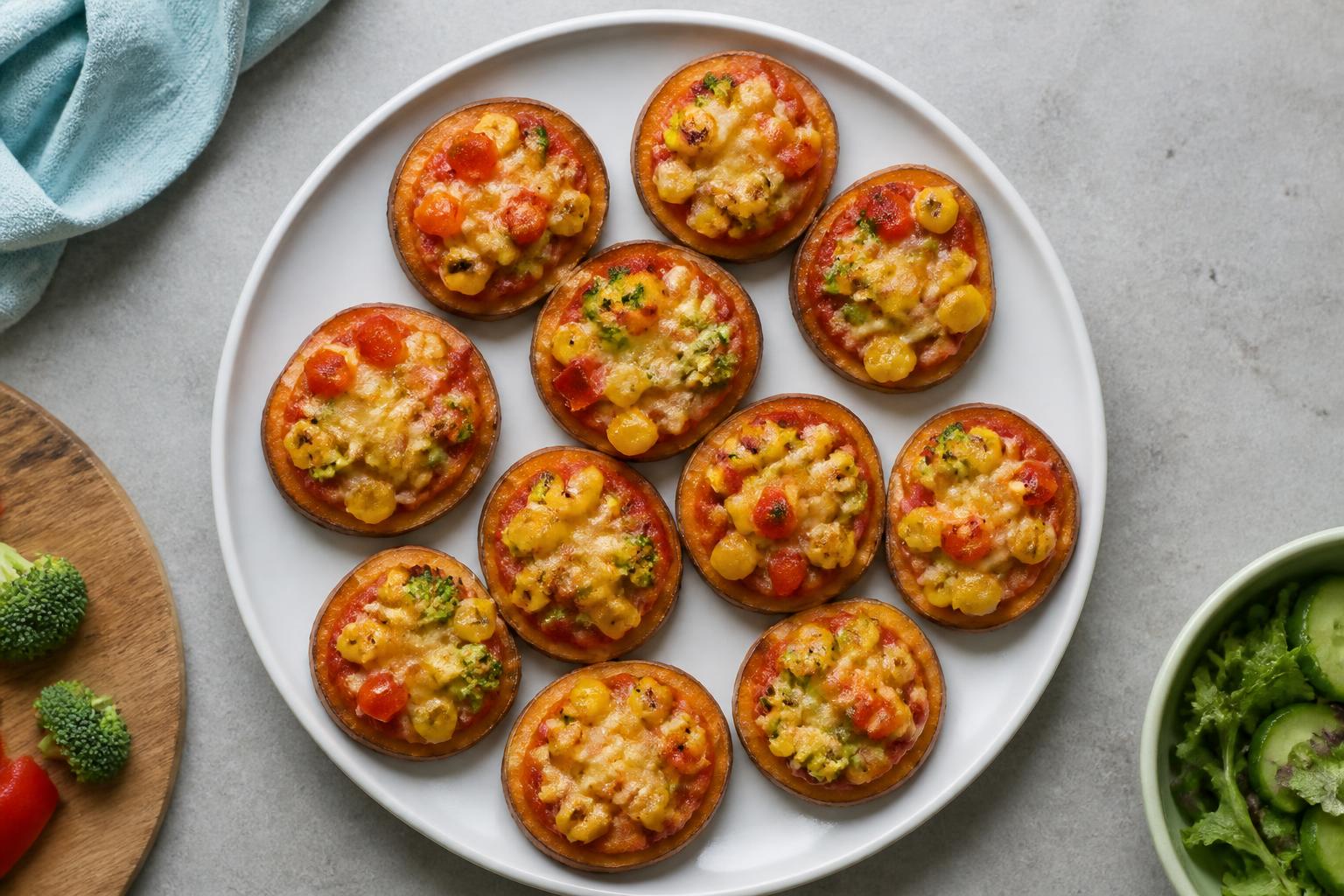
- roasted sweet potato bites
For fruit and vegetables:
- watermelon triangles with rind removed
- strawberry halves
- melon chunks
- kiwi slices
- grapes cut lengthways for younger children
- cucumber sticks
- pepper strips
- steamed and cooled carrot batons
- sweetcorn pots
- tomato halves, if suitable for the age group
For dips and extras:
- hummus
- plain yoghurt mixed with herbs
- soft cheese dip
- mild salsa for older children
- guacamole, if avocado is popular in your household
- breadsticks and oatcakes
For lunchbox-style individual portions:
- a half sandwich
- a few vegetable sticks
- fruit pieces
- one savoury item such as a mini muffin or frittata square
- one small sweet item
This format can be especially useful for picnics, hall parties or younger children who cope better with their own tray than a shared buffet.
For make-ahead options:
- pasta salad prepared the night before
- savoury muffins
- mini egg bites
- chopped fruit stored separately
- wraps assembled and sliced shortly before serving
- yoghurt bark frozen in advance and broken into pieces at party time
For sweet finishes that still feel balanced:
- birthday cake in modest slices
- fruit kebabs
- mini banana muffins
- plain yoghurt with berries and a little crushed biscuit
- frozen fruit yoghurt bites
If you need ideas that travel well or hold up outside the kitchen for a while, our guide to healthy camping food that packs well and keeps you going includes the same kind of practical thinking about portability, texture and waste.
The best party food is the food children will actually eat with pleasure. That usually means giving them enough familiar savoury choices to feel comfortable, enough fresh options to lighten the table, and enough sweetness to make the occasion feel special. Healthy party food for kids is rarely about one perfect recipe. It is about building a spread that works in real life, for real children, with a little more balance and no loss of fun.

Questions about this article or a correction to suggest? Get in touch. Read more about our editorial approach.