A healthy breakfast for kids before school does not need to be elaborate. In most households, the useful version is one children will actually eat, can be served without a battle, and gives them a mix of starchy carbohydrate, some protein, and a source of fibre. That might be porridge with fruit, toast with peanut butter and a banana, or plain yoghurt with oats and berries. The best option is usually the one that fits the child, the clock, and the school run.
It also helps to drop the idea that breakfast must look a certain way. Some children wake hungry and want a proper bowl of cereal or eggs on toast. Others manage only a few bites at home and do better with a second part of breakfast packed for later. A healthy breakfast for children before school is practical first. It should support the morning, not turn into another point of stress.
What makes a healthy breakfast before school?
For school-age children in the UK, a balanced breakfast follows the same broad principles as the rest of the day. We are looking for foods from the main food groups, with an eye on fibre and on keeping free sugars in check.
In practice, that usually means:
- a starchy carbohydrate base, such as porridge oats, wholegrain breakfast cereal, bread, crumpets, English muffins, oatcakes, or chapatis
- a protein food, such as milk, yoghurt, cheese, eggs, nut butter, or beans
- fruit or vegetables where possible
- a drink, usually water or milk
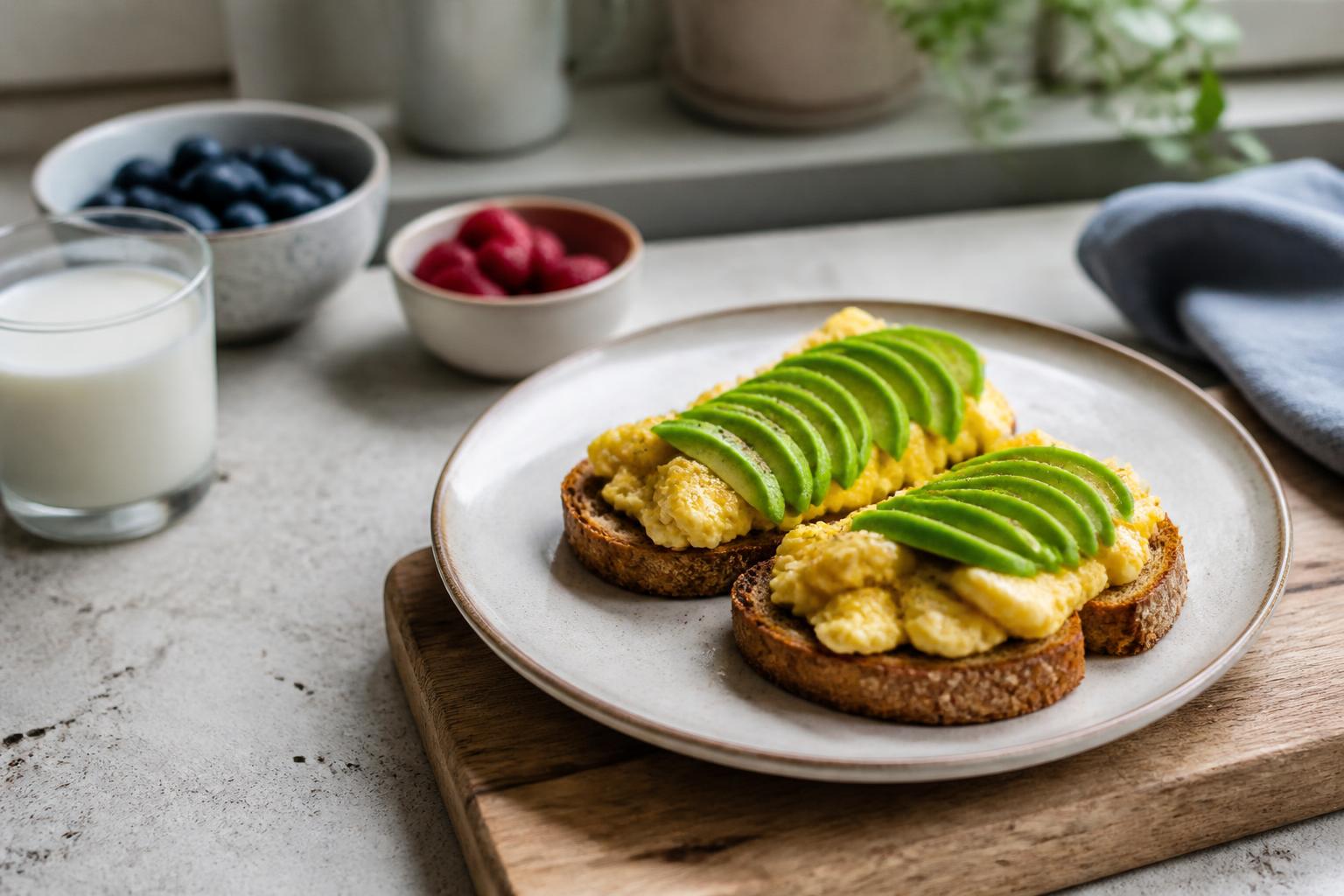
A breakfast does not need all of these in large amounts to be worthwhile. It just needs enough substance to be useful. For many children, cereal and milk with fruit is a perfectly reasonable start. For others, toast with scrambled egg works better because it is more filling.
Fibre matters because many children do not get enough across the day. Breakfast is one of the easiest places to add it. Oats, shredded wheat, wholemeal toast, bran-rich cereals, fruit, berries, chia seeds, and peanut butter can all help. If you want a practical way to compare packs, our guide on using food labels to add more fibre at breakfast and lunch shows what to look for on UK labels.
Free sugars matter too. In the UK, this means sugars added to foods, plus those in honey, syrups, and unsweetened fruit juice and smoothies. It does not mean the naturally occurring lactose in milk or the sugars inside whole fruit. A breakfast can be healthy without being sugar-free, but it is easy for sweetness to creep up when the meal is built from sweetened cereal, chocolate spread, flavoured yoghurt, juice, and a breakfast bar all at once.
That is why a good everyday pattern is to choose one main carbohydrate food, add a protein source, and keep sweet extras modest. For example:
- Weetabix with milk and sliced banana
- porridge with chopped pear and a spoonful of peanut butter
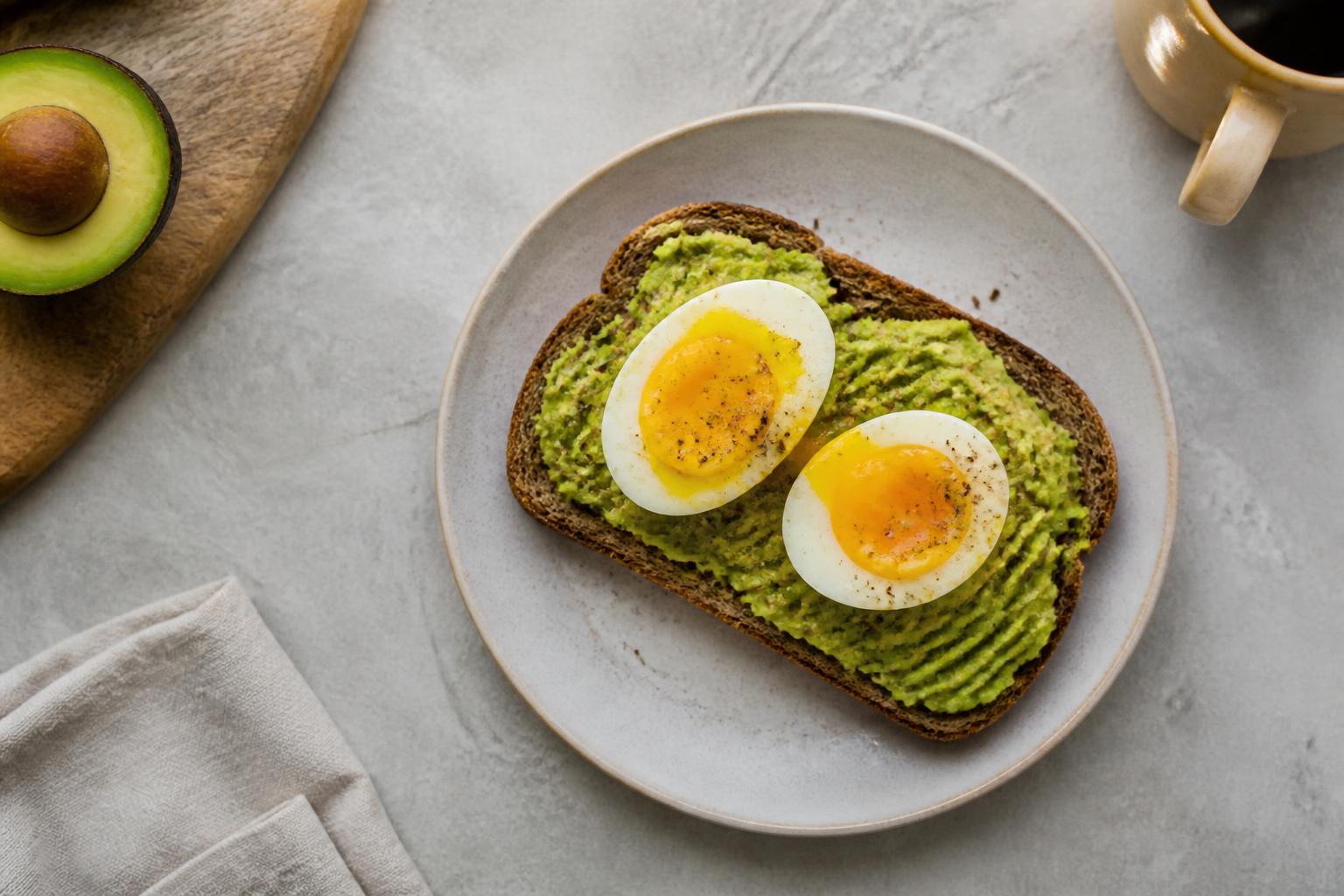
- wholemeal toast with egg and a few cherry tomatoes
- plain yoghurt with oats, berries, and a sprinkle of seeds
Do all children need breakfast before school?
Not every child wakes ready to eat, and that is normal. Appetite in the morning varies for straightforward reasons. Some children eat a larger evening meal. Some are tired, rushed, or not fully awake. Some younger children are hungry very early, while older children, especially teenagers, may not feel like food until later.
That said, breakfast is useful for many children because there can be a long gap between the evening meal and lunch at school. If a child has PE, a long commute, or an early start, having something to eat in the morning can make the day easier to manage. It can also reduce the urge to rely on whatever is quickest and sweetest later on.
The practical question is not whether every child must sit down to a full breakfast before leaving the house. The better question is whether they have enough food across the morning to stay comfortable and cope well until lunch.
For some children, that means eating at home. For others, it means splitting breakfast into two parts. A child who cannot face much at 7 am may do well with half a banana or a small yoghurt at home, then a cheese sandwich quarter, oatcakes, or a pot of overnight oats for mid-morning if school routines allow. Some schools have breakfast clubs, and for families with very early starts these can be genuinely helpful.
If a child regularly refuses breakfast and then becomes very hungry, shaky, irritable, or distracted by mid-morning, that suggests the routine needs adjusting. The answer may be an earlier bedtime, more time between waking and leaving, or a smaller first meal with a planned snack later. It does not necessarily mean forcing down a large bowl of cereal.
Breakfast ideas for rushed school mornings
Fast breakfasts work best when they are repetitive enough to be easy, but varied enough not to become tiresome. A few dependable formats usually cover most weekdays.
Bowl breakfasts
These are quick, familiar, and easy to portion.
- Porridge made with milk, topped with banana, apple, raisins, or frozen berries
- Wheat biscuit cereal or shredded wheat with milk and fruit
- Plain Greek-style yoghurt with oats and chopped fruit
- Overnight oats made the night before with oats, milk or yoghurt, and fruit
If you use packaged cereal, look at the fibre and sugar line rather than the front of pack marketing. A cereal marketed at children is not automatically the best choice.
Toast-based breakfasts
Toast is useful because it is fast and easy to adapt.
- Wholemeal toast with peanut butter and sliced banana
- Toast with scrambled egg
- Toast with baked beans
- Fruit toast with a thin spread of butter and a glass of milk
For children who prefer plain foods, toast with butter and a yoghurt on the side is still a workable breakfast.
Portable breakfasts
Some children eat better in the car, on the walk, or once they arrive at breakfast club.
- A banana and a small pot of yoghurt
- Oatcakes with cream cheese
- A homemade egg muffin
- A small wrap with peanut butter and sliced banana
- A sealed pot of overnight oats
Portable does not have to mean packaged bars. In fact, many breakfast bars are small, sweet, and less filling than they appear.
Prepare-ahead options
These reduce friction on busy mornings.
- Overnight oats in individual tubs
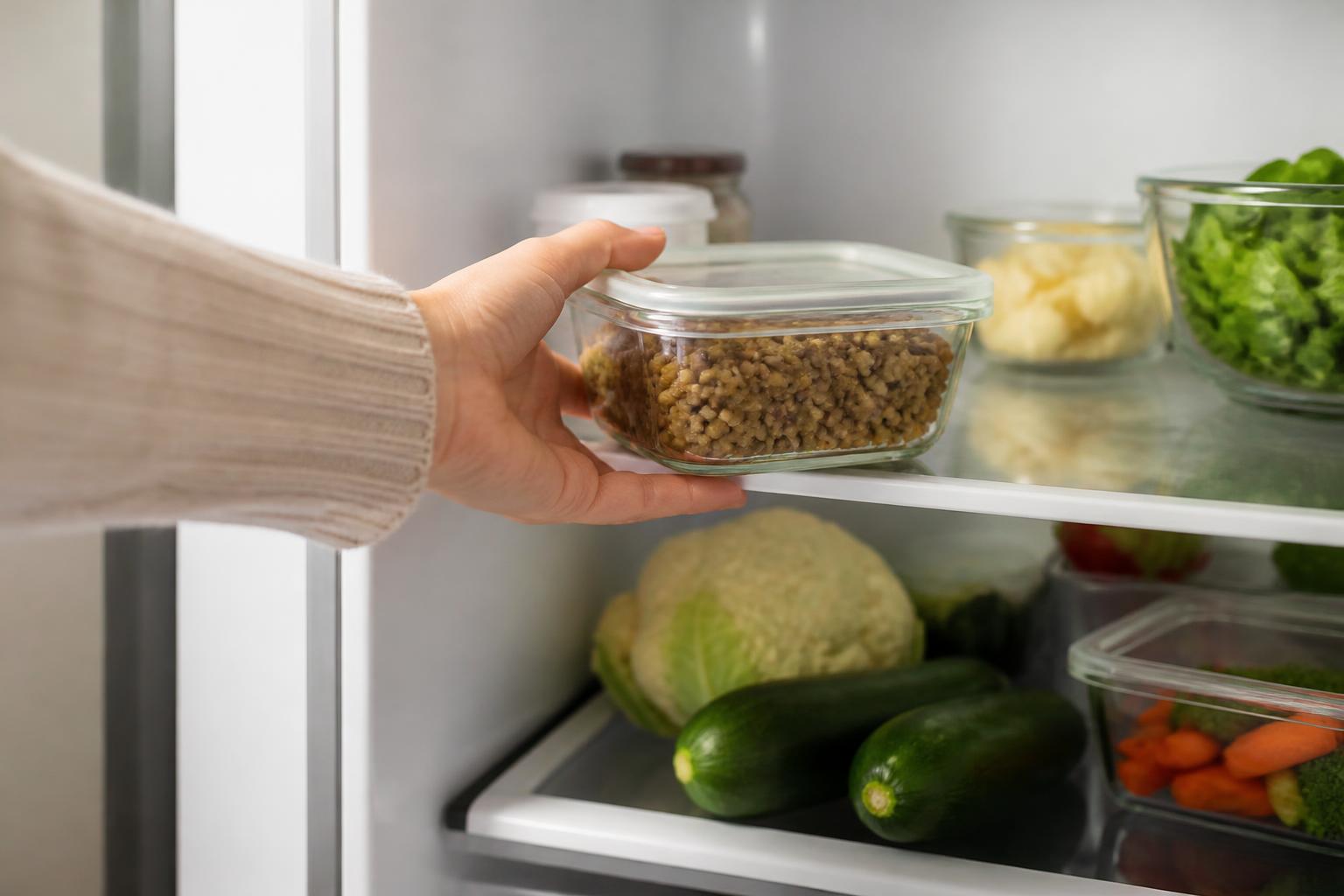
- Hard-boiled eggs cooked the night before
- Chopped fruit ready in the fridge
- Mini wholemeal pancakes made in batches and frozen
- Toasted muffins or crumpets ready to go under the grill
If you are trying to keep costs sensible as well as mornings calm, our guide on how to eat well for less in the UK is useful for building everyday meals from ordinary supermarket ingredients.
How to build a breakfast that keeps kids going
Children do not need a scientifically engineered breakfast, but the mix of foods does affect how long it feels satisfying and how practical it is to eat.
Carbohydrate is usually the backbone of breakfast. Bread, cereal, oats, and similar foods are easy to eat in the morning and provide quick, usable energy. The issue is not carbohydrate itself, but whether the meal is mostly refined, low-fibre, and sweet. A bowl of sugary cereal can disappear quickly and may not keep a child full for long. A bowl of porridge or a wholegrain cereal with milk and fruit often has more staying power.
Protein helps make breakfast more substantial. Milk, yoghurt, eggs, cheese, peanut butter, and beans all do this in slightly different ways. You do not need a large amount. Even a moderate portion can make a simple breakfast more satisfying.
Fat also has a place. Nut butter, full-fat yoghurt, cheese, seeds, and eggs can all help with fullness and flavour. The goal is not to chase low-fat at all costs, especially if that leads to a breakfast that is less satisfying and followed by more snacking an hour later.
Fibre is especially useful for school mornings because it adds bulk and tends to make a meal feel more lasting. Wholegrains, fruit, and seeds are the easiest breakfast sources. If a child will only accept one change, switching from a low-fibre cereal to porridge or a wholegrain cereal often makes a noticeable difference.
A simple formula is:
starchy base + protein + fruit or veg
For example:
- porridge + milk + berries
- toast + egg + tomato
- cereal + yoghurt + banana
- bagel half + cream cheese + cucumber
- beans on toast + fruit on the side
Drinks matter too. Water is fine. Milk can add protein and energy. Fruit juice is not the same as whole fruit, and in the UK even unsweetened juice counts towards free sugars. If you serve juice, keep it modest rather than treating it as the main part of breakfast.
Common breakfast pitfalls in everyday family routines
Many breakfast problems are not dramatic. They are small habits that add up.
One common issue is relying on very sweet foods and drinks because they are easy to persuade children to accept. Sweetened cereals, flavoured milk drinks, juice, pastries, and chocolate spread can all fit occasionally, but if they become the default, breakfast may end up low in fibre and less filling than expected.
Another pitfall is choosing foods marketed as healthy without checking what they are actually like. Breakfast biscuits, cereal bars, yoghurt pouches, and novelty cereals can look convenient, but convenience does not guarantee balance. Some are essentially snack foods in breakfast clothing.
Low-fibre choices are another routine problem. White toast with jam, a croissant, or a small bowl of puffed cereal may not be wrong, but they often do not keep children going for long on their own. Pairing them with something more substantial, such as yoghurt, eggs, peanut butter, or fruit, usually works better.
Oversized portions can be just as unhelpful. A child who is given more than they want first thing in the morning may start to resist breakfast altogether. It is often better to offer a smaller portion and allow seconds if they are still hungry. This matters especially with younger children, whose appetites can vary sharply from one day to the next.
There is also the trap of chasing novelty. Character-branded cereals, breakfast pouches, and shaped pastries can seem like an answer for fussy eating, but if breakfast depends on constant novelty it becomes expensive and harder to sustain. Most children do better with a short list of accepted staples rotated through the week.
Finally, watch the timing. A perfectly balanced breakfast is no use if there is no time to eat it. Ten calm minutes with toast and milk beats a rushed ideal breakfast that never gets touched.
How to adapt breakfast for age, routine and picky eating
The right breakfast changes with the child.
For younger children, smaller portions and simple textures are often best. Half a slice of toast with peanut butter, a small bowl of porridge, or a little yoghurt with fruit may be enough to start with. Young children can find large portions off-putting, especially soon after waking. Finger foods can help if they prefer to graze.
Primary-age children often do well with routine. The same two or three breakfasts on repeat can remove decision fatigue and reduce arguments. A weekday pattern such as porridge on Mondays and Wednesdays, cereal on Tuesdays and Thursdays, and eggs on Fridays is often easier than asking what they want every morning.
Older children and teenagers may need a different approach. Their appetites can be larger overall but later in the day. If they struggle to eat early, think about timing rather than assuming they are being difficult. A drinkable breakfast, such as a yoghurt pot with fruit and oats, or toast to take along, may be more realistic than a sit-down meal at the kitchen table.
For selective eaters, start with accepted foods and build from there. If a child only eats plain toast, try adding a glass of milk. If they accept one type of cereal, see whether fruit on the side is tolerated before changing the cereal itself. If texture is the problem, smooth yoghurt may work where lumpy porridge does not. If mixed foods are refused, serve components separately.
It also helps to separate nutrition from negotiation. We are not trying to win breakfast. We are trying to make the morning workable while gradually improving what is offered. Repeated exposure to ordinary foods matters more than pressure. A child who sees banana slices or porridge regularly is more likely to accept them eventually than one who is pushed into them after a standoff.
School routine matters as well. A child with a long bus journey may need a more substantial breakfast than one who has a short walk and an early snack break. A child with swimming before lessons may need something easy to digest but still filling, such as toast with peanut butter or a small bowl of oats and yoghurt.
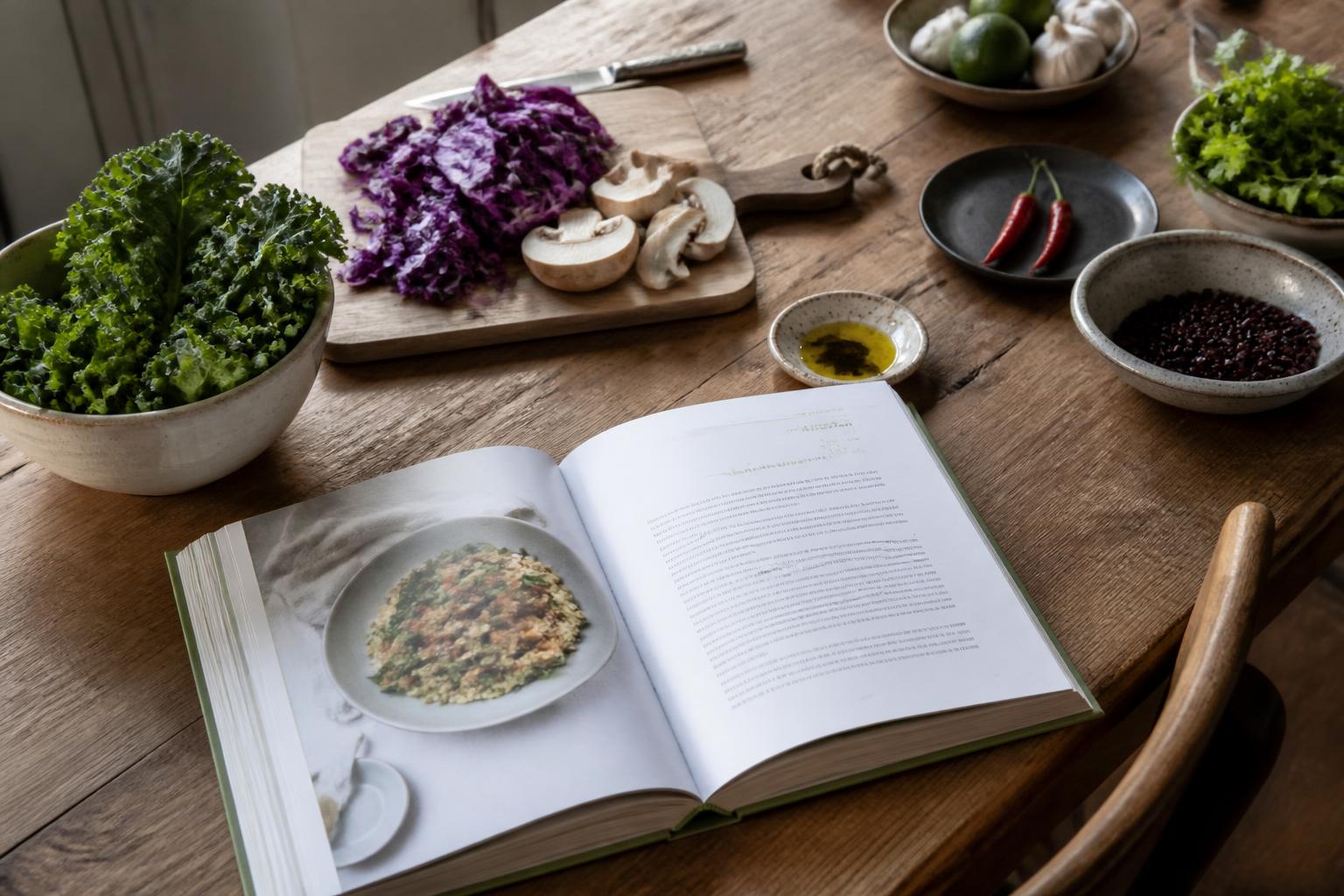
If you want more practical reading on realistic family food choices, our round-up of healthy eating cookbooks that suit real UK routines is a good place to start.
A healthy breakfast for kids before school is usually the one that is balanced enough, easy enough, and familiar enough to happen regularly. Wholegrains help, protein helps, fibre helps, and free sugars are worth keeping an eye on, but perfection is not the aim. The useful breakfast is the one that gets eaten, fits the morning, and leaves room for the rest of the day to go more smoothly.

Questions about this article or a correction to suggest? Get in touch. Read more about our editorial approach.