
A healthy eating plan does not need to be bought, downloaded behind a paywall, or followed with military precision to be useful. For most adults, a free plan that works is one built from ordinary foods, shaped around the week you actually have, and guided by sound UK advice rather than rules that collapse by Wednesday.
If you are looking for a healthy eating plan free of gimmicks, the most reliable starting point is simple. Aim for balance across the week, base meals on familiar staples, and use labels well enough to make steady choices in the supermarket. That is far more practical than chasing a perfect breakfast on Monday and giving up by Thursday.
What a free healthy eating plan should actually include
A realistic healthy eating plan should cover the basics of nourishment, routine, and flexibility. It should not depend on expensive products, precise meal timing, or a list of banned foods. In the UK, the broad framework most people will recognise is the Eatwell Guide. That means meals built mainly from vegetables, fruit, wholegrain or higher fibre starchy foods, beans and pulses, with moderate amounts of dairy or alternatives, and sensible portions of fish, eggs, lean meat, or plant proteins.
In practice, that does not mean every plate must look textbook-perfect. Balance over time matters more than whether one lunch was beige or one dinner was low on vegetables. If your Tuesday supper is pasta with tomato sauce and grated cheese, that is not a failed day. What matters is what the rest of the week looks like. A useful plan leaves room for leftovers, social meals, convenience foods, and the occasional takeaway without turning them into a crisis.
A solid plan should also reflect UK labelling and product norms. Here, front-of-pack traffic light labels are widely used and can help compare similar foods quickly. They are voluntary, not universal, but common enough to be useful. Ingredient lists are also presented in descending order by weight, which helps when you want to know whether oats, sugar, or oil are doing most of the work in a cereal bar or yoghurt pot.
For most healthy adults, a practical week includes:
- Regular meals, usually three main eating points, with snacks if genuinely helpful
- Fibre from foods such as porridge oats, wholemeal bread, potatoes with skins, beans, lentils, fruit and vegetables
- Protein spread across the day, rather than loaded into one meal
- Enough fluid, usually water, tea, coffee, milk, or sugar-free drinks according to preference
- Foods you will actually eat again next week
The plan also needs to respect real life. Shift patterns, school runs, office days, working from home, appetite changes, and cooking confidence all matter. A healthy eating plan that ignores those things is not really a plan, it is a menu fantasy.
If you want a broader look at how food guidance translates into daily life, our piece on healthy eating plans that fit ordinary UK routines goes into that in more detail.
How to build a week of meals without paying for a plan
The easiest way to build a free plan is to stop thinking in terms of seven fully original days. Instead, use a repeatable structure and rotate a small set of breakfasts, lunches, dinners, and snacks.
A good method is this:
For each main meal, include:
- A starchy base, ideally often wholegrain or higher fibre
- A source of protein
- One or more portions of vegetables or fruit
- A fat source where needed for cooking or flavour, in sensible amounts
That sounds basic because it is. Basic is what makes it repeatable.
For breakfast, choose two or three options and rotate them:
- Porridge made with milk or fortified plant drink, topped with banana, berries, or chopped apple
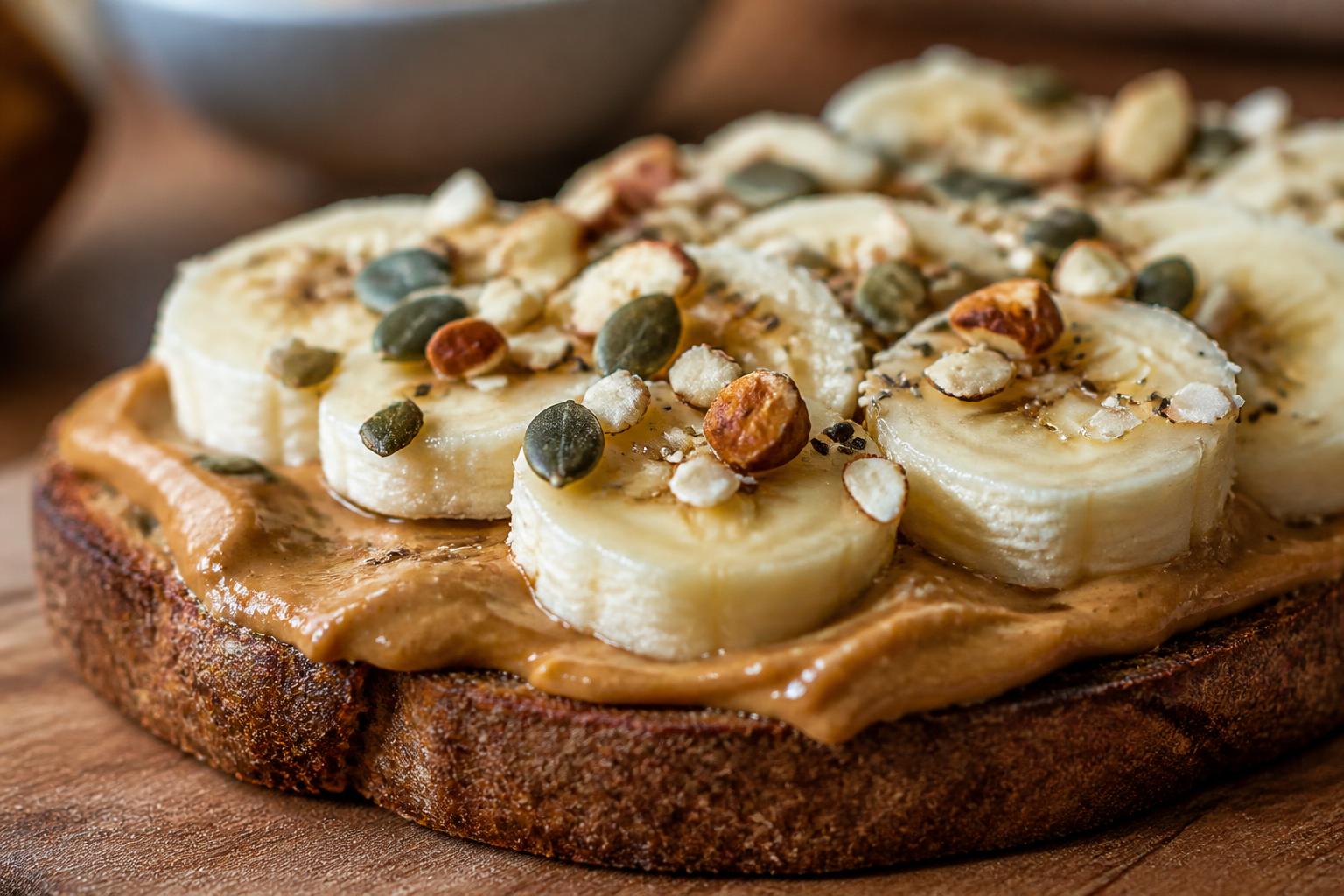
- Wholemeal toast with eggs, peanut butter, or reduced sugar baked beans
- Plain or lower sugar yoghurt with fruit and a handful of oats or high fibre cereal
For lunch, rely heavily on leftovers and assembled meals:
- Leftover chilli with rice
- Wholemeal wrap with chicken, hummus, salad and grated carrot
- Lentil soup with bread and fruit
- Jacket potato with cottage cheese, tuna, beans, or leftover curry
For dinner, keep a shortlist of easy formats:
- Stir-fry with vegetables, noodles or rice, and tofu, prawns, eggs, or chicken
- Pasta with tomato-based sauce, vegetables, and beans or mince
- Traybake of potatoes, peppers, onions and salmon or sausages, with extra greens on the side
- Curry using chickpeas, lentils, chicken, or fish with rice and frozen peas
- Omelette with mushrooms, tomatoes and toast
For snacks, think support rather than entertainment:
- Fruit
- Yoghurt
- A small handful of nuts
- Oatcakes with cheese or hummus
- Carrot sticks, cucumber, or cherry tomatoes
- Toast if you need something more substantial
Then build the week backwards from your schedule. If Tuesday is busy, that is the day for leftovers or a freezer meal, not a recipe with three pans and a blender. If Sunday is calmer, cook extra portions of chilli, soup, or lentil curry and use them later in the week.
Batch cooking helps, but it does not have to mean spending all Sunday filling identical plastic tubs. It can simply mean making four portions when you needed two. Cooked lentils, for example, are useful in soups, curries, salads, and pasta sauces, and if you are planning ahead, it helps to know whether you can freeze cooked lentils without ruining them.
A simple week might look like this:
Monday
Breakfast: porridge with apple
Lunch: leftover pasta bake and salad
Dinner: bean chilli with rice
Tuesday
Breakfast: yoghurt, oats and berries
Lunch: jacket potato with tuna and sweetcorn
Dinner: vegetable omelette and toast
Wednesday
Breakfast: wholemeal toast with peanut butter and banana
Lunch: lentil soup and fruit
Dinner: chicken stir-fry with rice
Thursday
Breakfast: porridge with banana
Lunch: leftover stir-fry
Dinner: baked potatoes with beans, cheese and broccoli
Friday
Breakfast: yoghurt and high fibre cereal
Lunch: hummus wrap with salad
Dinner: fish, peas and oven potatoes
Saturday
Breakfast: eggs on toast
Lunch: leftovers or soup
Dinner: pasta with tomato sauce, vegetables and grated cheese
Sunday
Breakfast: porridge with berries
Lunch: sandwich, fruit and yoghurt
Dinner: roast chicken or chickpea traybake with potatoes and vegetables
There is nothing glamorous there, and that is the point. A healthy eating plan free to build at home should survive an ordinary week.
How much variety do you really need?
Most people need less variety than social media suggests, but more variety than a diet built from ten identical beige foods. The useful middle ground is repetition with enough rotation to cover nutrients, fibre, and enjoyment.
It is perfectly fine to eat the same breakfast most days if it works for you. Porridge every weekday is not a nutritional failure. Nor is a repeated lunch, especially if it helps you avoid skipping meals or buying whatever is nearest at 2 pm. Repetition can make healthy choices easier because it removes decision fatigue.
Where variety matters more is across broader categories.
First, fruit and vegetables. Different colours and types bring different nutrients and fibre profiles. You do not need a rainbow at every sitting, but over the week it helps to vary leafy greens, orange vegetables, berries, citrus, tomatoes, beans, peas, onions, brassicas, and so on.
Second, protein sources. If all your protein comes from processed meat, that is a narrower pattern than one that includes beans, lentils, eggs, yoghurt, fish, chicken, tofu, and occasional lean red meat. Variety here can improve nutrient coverage and often helps with cost too.
Third, wholegrains and fibre sources. Oats, wholemeal bread, brown rice, wholewheat pasta, potatoes with skins, pulses, nuts, seeds, fruit and vegetables all contribute differently. If your only fibre source is one bowl of bran flakes, there is room to broaden the mix.
Fourth, enjoyment. Food monotony is one of the quickest ways to abandon a plan. You do not need endless novelty, but changing seasonings, sauces, textures, and formats makes repeated ingredients feel different. Chickpeas can become curry, hummus, traybake filling, or a salad addition. The same vegetables can be roasted, added to soup, folded into pasta, or used in a stir-fry.
If your household includes selective eaters, variety becomes a practical issue as much as a nutritional one. In that case, a small core of accepted foods with gradual expansion often works better than trying to overhaul everything at once. We cover that in healthy eating that works for fussy eaters.
How to keep a healthy eating plan affordable
Keeping a plan affordable starts with buying ingredients that can appear in several meals. Oats, potatoes, rice, pasta, wholemeal bread, eggs, tinned tomatoes, beans, lentils, frozen vegetables, onions, carrots, yoghurt, and seasonal fruit all earn their place because they are versatile.
Frozen and tinned foods are especially useful. Frozen peas, spinach, mixed vegetables and berries can reduce waste and make it easier to add produce to meals at short notice. Tinned tomatoes, chickpeas, kidney beans, sweetcorn, tuna and sardines can anchor quick lunches and dinners. In the UK, choose tinned fruit in juice rather than syrup if you are comparing options for everyday use, and check whether beans or vegetables are in brine, water, or a sauce, depending on what you want the rest of the meal to contain.
Own-label staples are often enough. You do not need premium branding for porridge oats, chopped tomatoes, brown rice, or frozen peas. What matters more is the ingredients list, the fibre content where relevant, and whether the product suits how you cook and eat.
Cost control also improves when you plan around waste points:
- Buy a small set of vegetables you know you will finish
- Use the freezer before food spoils
- Turn leftovers into lunches rather than side dishes no one touches
- Keep one or two cupboard meals available for weeks when shopping slips
Portion awareness matters here too. A multi-pack that looks economical can be poor value if half of it goes stale or uneaten. The cheapest food is not the one with the lowest shelf price, it is the one you actually use.
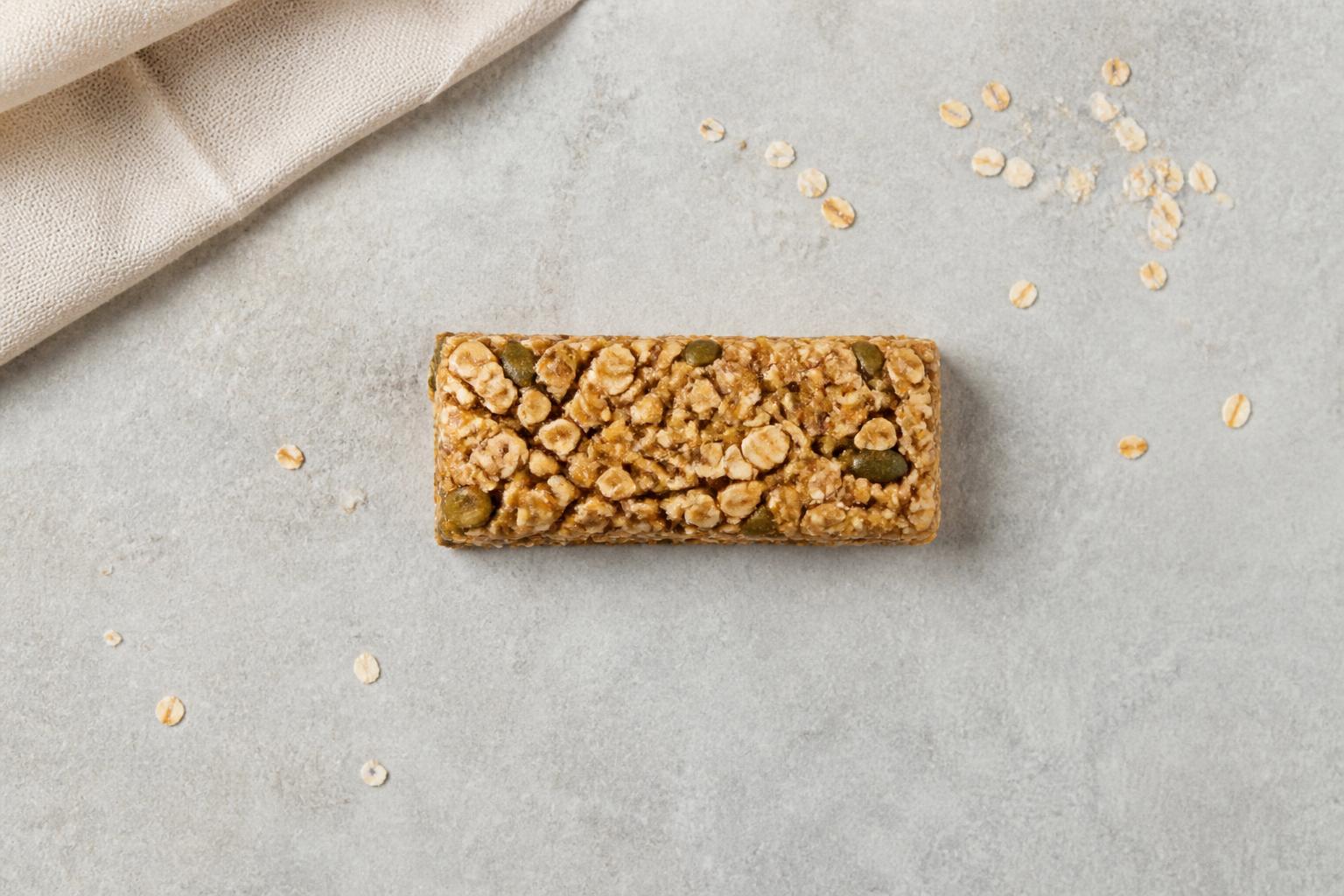
Label reading helps avoid paying for a health halo. Granola, smoothies, protein puddings, snack bars, and flavoured yoghurts can all look wholesome while being easy to overbuy and underuse. Sometimes plain yoghurt plus fruit is the simpler and more flexible purchase. Sometimes a standard loaf and a tub of peanut butter will serve you better than a stack of individually wrapped “better-for-you” snacks.
What labels and claims can help when choosing everyday foods?
For everyday shopping in the UK, front-of-pack traffic light labels are one of the most practical tools. They show whether a food is low, medium, or high in fat, saturated fat, sugars, and salt, usually per 100g or 100ml, with an indication of energy as well. They are most useful when comparing similar products, such as one tomato soup against another, or one breakfast cereal against the next shelf along.
They are less useful when comparing unlike foods. Cheese and breakfast cereal do different jobs. A red light on cheese does not make it a bad food, and a green light on a low-calorie soft drink does not make it nourishing. Context matters.
Ingredients lists can tell you even more. Ingredients are listed in descending order by weight at the point of manufacture. If sugar appears near the top of a cereal marketed as wholesome, that is worth noticing. If a “fruit” yoghurt is mostly skimmed milk, sugar, and flavouring with a small amount of fruit preparation, that tells you what you are buying.
Portion information needs a careful eye. Manufacturers can choose serving sizes, and those portions may not reflect what people actually eat. A cereal labelled as moderate in sugar per serving may look less moderate if you compare it per 100g or pour a larger bowl. The same applies to biscuits, crisps, and snack bars.
Nutrition and marketing claims can help, but they are incomplete on their own:
- “High in fibre” can be genuinely useful if you are comparing breads, cereals, or crackers
- “No added sugar” does not necessarily mean low in sugar overall
- “Source of protein” does not tell you much about the rest of the product
- “Gluten-free” is essential for some people, but not automatically healthier for everyone else
- “Natural” has no single nutritional meaning in this context
This is one area where UK and EU rules broadly align in principle because they share a history of food information standards, but there are practical differences in how products appear on shelves after Brexit. UK products may carry UK-specific markings, and front-of-pack traffic light labelling remains a common UK retail feature rather than an EU-wide mandatory format. So if you read international advice online, check that the label examples actually match what you see in British supermarkets.
When a general eating plan may not be enough
A general plan is suitable for many adults, but not all situations. If you have a medical condition, an allergy, or a life stage with specific nutritional needs, generic advice can be too broad.
That includes people managing:
- Coeliac disease or medically necessary gluten avoidance
- Food allergies
- Diabetes
- Kidney disease
- Inflammatory bowel conditions
- High cholesterol requiring more tailored dietary changes
- Eating disorders or a history of disordered eating
Pregnancy is another clear example. General healthy eating principles still apply, but so do specific recommendations on folic acid, vitamin D, foods to avoid, caffeine limits, and food safety. Infants and young children also need age-specific guidance, including different expectations around portion sizes, choking risks, and suitable foods.
If you need a restricted breakfast pattern for medical reasons, our guide to healthy gluten-free breakfasts that keep mornings simple may be a useful starting point, but condition-specific professional advice should always take priority where needed.
A free healthy eating plan is most useful when it stays in its lane. It can help organise meals, improve balance, and make shopping easier. It cannot diagnose symptoms, replace allergy advice, or tailor carbohydrate intake to diabetes medication.
The best free plan is not the strictest one. It is the one you can repeat with ordinary foods, ordinary time, and ordinary energy. Build around a few reliable breakfasts, flexible lunches, simple dinners, and sensible snacks. Use labels to compare, not to panic. Aim for balance across the week, not perfection in every meal. That is usually what works.

Questions about this article or a correction to suggest? Get in touch. Read more about our editorial approach.