Winter eating does not need to mean choosing between comfort and nutrition. Healthy winter food is usually the food that keeps us warm, satisfied and properly fed through darker, colder months without making every meal depend on beige convenience products. In practice, that means meals built from ordinary ingredients that give us a useful mix of fibre, protein, fats and carbohydrates, with enough volume and flavour to feel like proper meals.
For most UK households, the best winter approach is not a seasonal detox or a perfect meal plan. It is a repeatable way of eating that uses affordable staples, helps with fullness, and makes room for soups, stews, porridge, roasted vegetables, eggs, fish, pulses and yoghurt alongside the foods people already enjoy. The aim is balance across the day, not nutritional point-scoring at one meal.
What counts as healthy winter food in everyday UK eating
In everyday UK eating, healthy winter food is food that does three jobs well. It helps us meet basic nutritional needs, it keeps us satisfied for long enough to avoid constant grazing, and it fits the way people actually shop and cook in winter.
Season matters, but not in a rigid way. We do not need every ingredient to be fresh and British to make a winter meal a good one. Winter tends to bring a natural shift towards hot breakfasts, soups, casseroles, traybakes and one-pan meals. These can be very balanced if they include a source of fibre, a source of protein and enough carbohydrate to make the meal sustaining rather than tokenistic.
Satiety matters more in winter because many people feel hungrier when days are colder and darker, or when routines become more sedentary. A lunch of soup on its own may sound virtuous, but if it leaves us raiding the biscuit tin an hour later, it has not really done the job. A more balanced winter lunch might be vegetable and lentil soup with wholemeal toast and a spoonful of grated cheese, or tomato soup with a bean-based side and fruit afterwards.
Balance also means looking at the whole plate, not labelling single foods as good or bad. A baked potato is not less healthy because it is comforting. Porridge is not automatically balanced if it is made with very little oats and topped mainly with syrup. A fish pie can be a solid winter meal if it contains plenty of fish and vegetables, and is served in realistic portions. Healthy winter food is often familiar food, improved by ingredient choice and structure rather than reinvented from scratch.
In UK terms, it is also useful to think in line with the Eatwell Guide, even informally. That means basing meals largely on vegetables, fruit, wholegrains or higher fibre starchy foods, and including beans, pulses, fish, eggs, dairy or other protein sources regularly. Winter eating often gets easier when we stop trying to make every meal light and instead make it substantial in the right way.
Which winter ingredients are worth building meals around?
Some winter ingredients are especially useful because they are affordable, widely available in UK supermarkets, and easy to turn into filling meals.
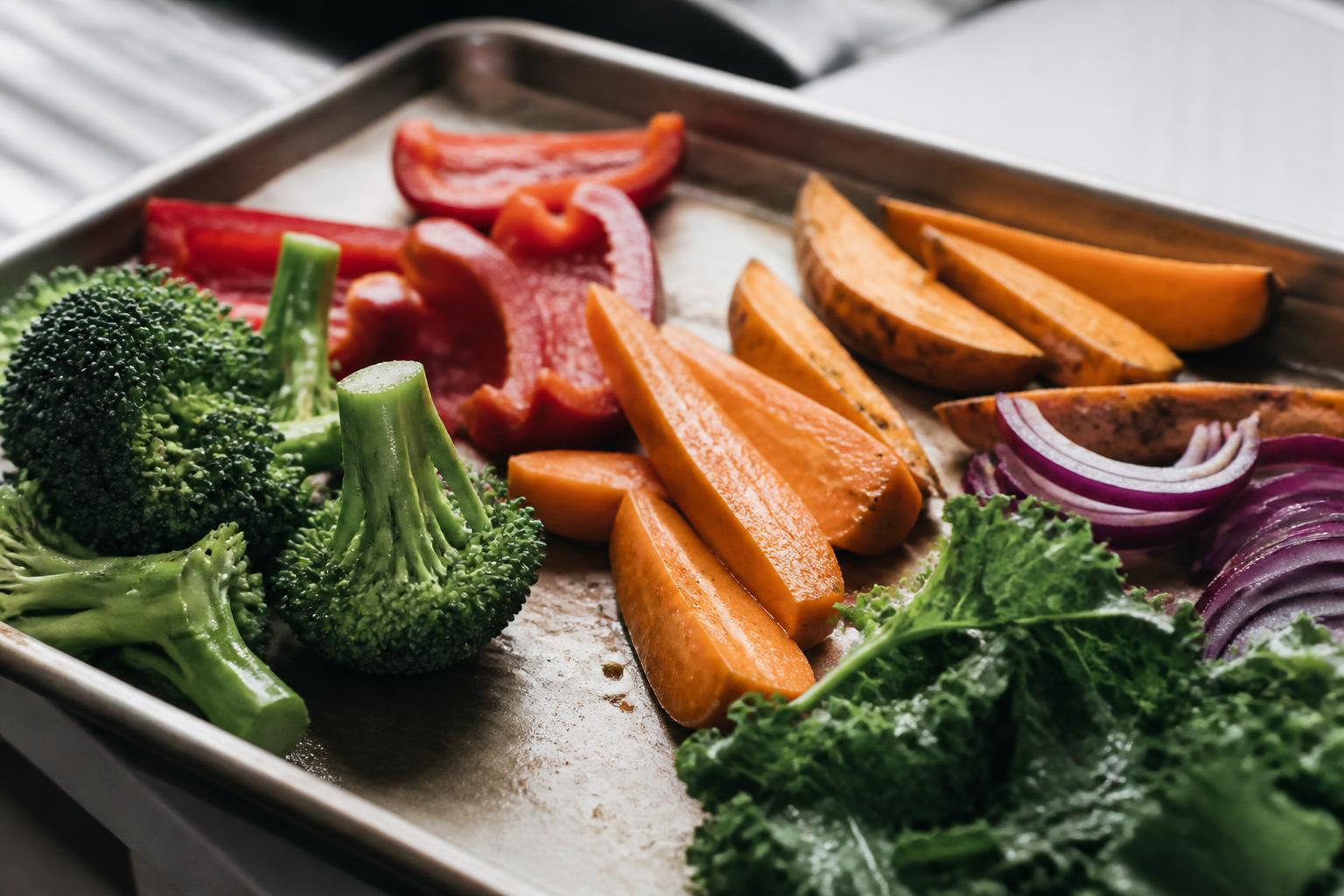
Root vegetables are high on the list. Potatoes, sweet potatoes, carrots, parsnips and swede all work hard in winter cooking. Potatoes are often underestimated because they are familiar, but boiled, baked or roasted potatoes are a practical source of carbohydrate, potassium and fibre, especially with skins on where suitable. Carrots and swede add bulk and sweetness to soups, stews and mash without much effort. Parsnips are denser and sweeter, so they work well mixed with other vegetables rather than treated as the only side.
Brassicas are another strong winter staple. Cabbage, kale, Brussels sprouts, cauliflower and broccoli stand up well to roasting, steaming, stir-frying and adding to soups. They are useful not because they are fashionable, but because they add fibre, texture and volume to meals that might otherwise be heavy on starch and light on vegetables. Shredded cabbage can stretch a stir-fry, cauliflower can bulk out a curry or bake, and sprouts roasted with onions become much more appealing than the boiled versions many people grew up with.
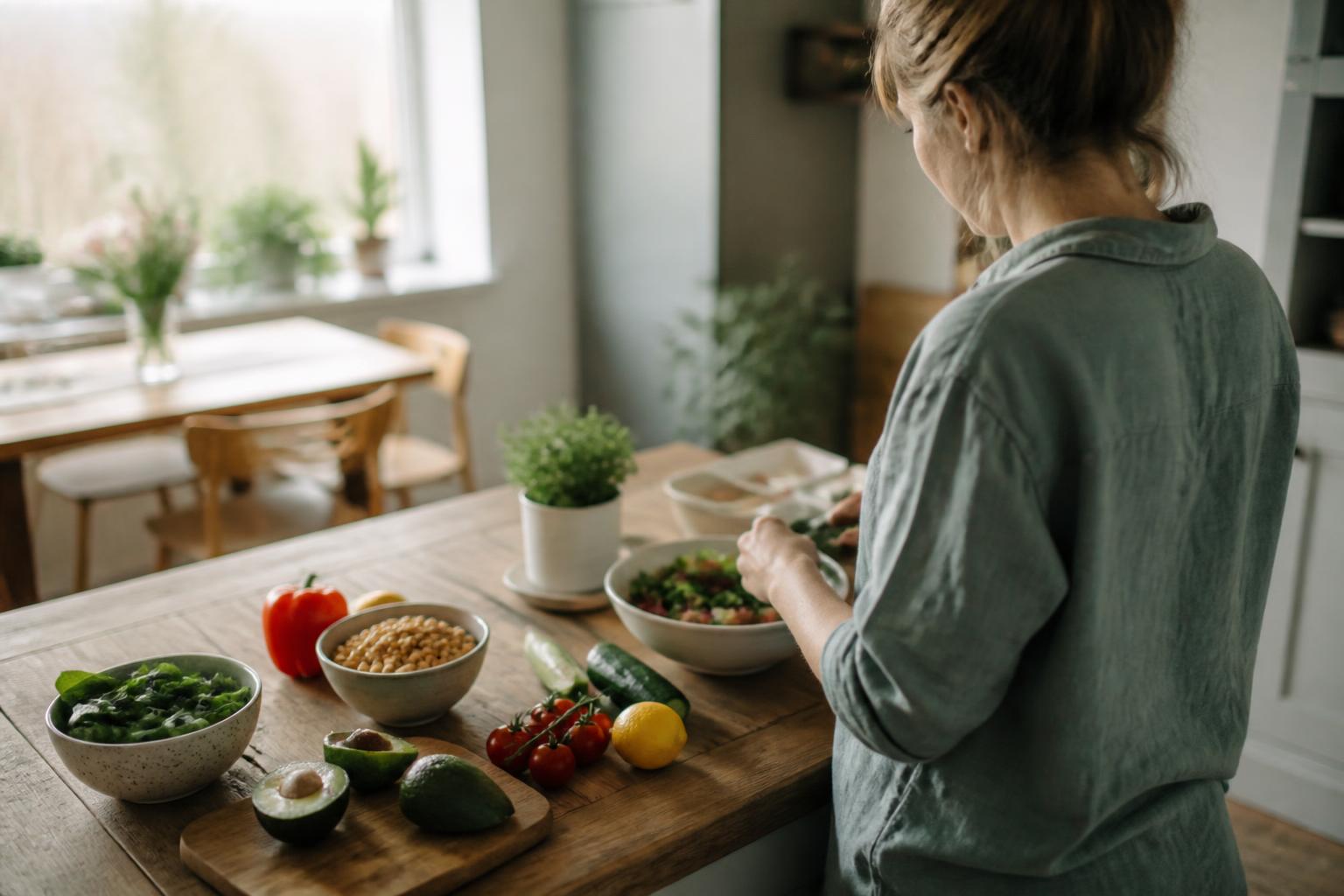
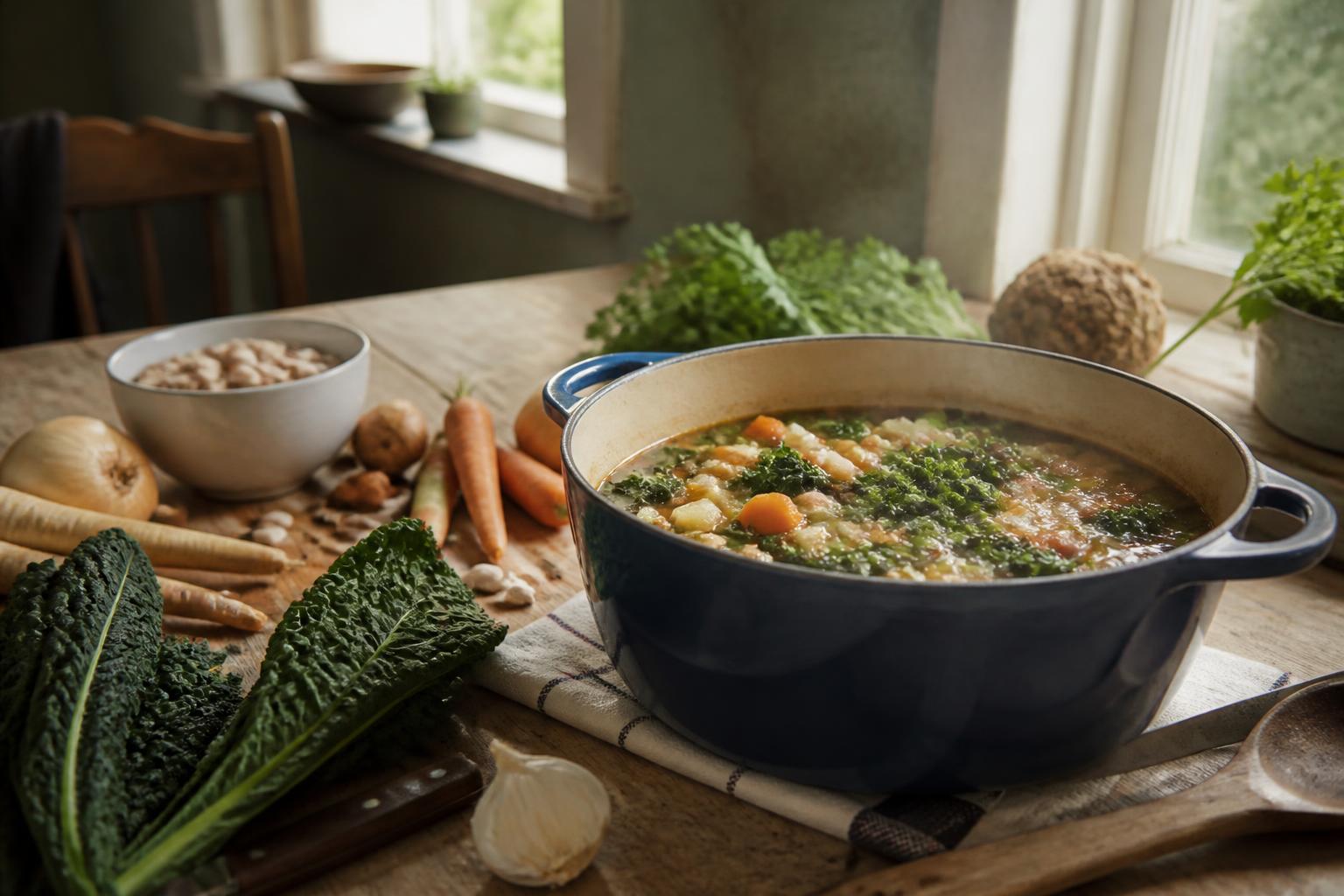
Pulses deserve a regular place in winter meals. Tinned chickpeas, kidney beans, butter beans and lentils are convenient, cheap and reliable. They add fibre and protein to soups, stews, curries and salads, and they can reduce the amount of meat needed without leaving a meal feeling sparse. A beef chilli with added beans, or a chicken casserole with butter beans, is often more balanced and more economical than a meat-heavy version.
Oats are one of the most practical cold-weather foods in the UK. Porridge is the obvious use, but oats can also go into overnight oats, homemade crumble toppings and some savoury recipes. They are inexpensive, store well and genuinely filling. For breakfast, they usually work best when paired with milk or yoghurt and fruit, rather than treated as a tiny base for sugary toppings.
Tinned fish is one of the most useful cupboard proteins for winter. Sardines, mackerel, salmon and tuna can turn toast, baked potatoes, pasta and grain bowls into proper meals in minutes. Oily fish such as sardines and mackerel are especially helpful if fresh fish is not something we buy regularly. Look at the format as well as the fish itself. Fish in spring water or tomato sauce may suit some meals better than heavily dressed options.
Yoghurt is another practical staple, especially plain or lower sugar varieties. It works at breakfast, as a snack, and as part of savoury meals. A dollop of yoghurt on soup, chilli or roasted vegetables can add protein and make a meal feel more complete. Greek-style and strained yoghurts are often more substantial, which can help with fullness.
Other winter workhorses include eggs, frozen peas, onions, tinned tomatoes, wholemeal bread, brown rice, pasta, peanut butter, seeds and frozen berries. None of these foods is dramatic, but that is the point. A realistic healthy winter food pattern is built from ingredients we can buy on a normal shop and use before they spoil.
How can you make winter meals filling without relying on ultra-processed convenience food?
The simplest way is to build meals around three things, fibre, protein and regular structure. If one of those is missing, winter eating often becomes snack-led and unsatisfying.
At breakfast, warmth and texture help. Porridge made with a decent portion of oats, milk and fruit is more filling than a small bowl of refined cereal. Adding chopped nuts, seeds or a spoonful of peanut butter can make it last longer. Eggs on wholemeal toast with grilled tomatoes or mushrooms also work well. If breakfast needs to be portable, yoghurt with oats and fruit is often more satisfying than a cereal bar.
At lunch, many people need more than a quick soup or sandwich made of little more than bread and spread. A filling winter lunch might be lentil soup with wholemeal toast, a baked potato with beans and salad, leftover stew, or a sandwich that includes a proper protein source such as egg, chicken, hummus or fish, plus fruit and yoghurt on the side. If lunch is too light, the afternoon often turns into a run of snacks.
Dinner is where structure matters most. A useful template is protein, vegetables and a carbohydrate source. That could be salmon, potatoes and broccoli, a lentil and vegetable curry with rice, or chicken traybake with carrots, onions and beans. A meal does not need to be low-carb to be balanced. In winter, including potatoes, rice, pasta or bread often makes the difference between a dinner that satisfies and one that leads to second helpings of snack food later.
Snacks can still have a place, but they tend to work better when they are chosen for staying power rather than just crunch. Yoghurt, fruit with nut butter, oatcakes with cheese, toast with peanut butter, or a boiled egg are all more useful than snacks built mostly from refined starch, sugar and flavourings.
This does not mean all convenience food is off the table. Some processed foods are simply practical ingredients. Tinned beans, frozen vegetables, plain microwave rice and ready-cooked lentils can make balanced meals easier. The issue is when meals rely mainly on products that are easy to overeat and do not offer much satiety for the portion. If you want ideas for small changes that still feel realistic, our guide to healthy food swaps that fit everyday UK eating is a useful place to start.
Ultra-processed foods also vary a lot. A wholegrain breakfast cereal with a short ingredient list is not in the same category, nutritionally or practically, as a pastry-based breakfast eaten on the go. A ready soup made mostly from vegetables and pulses is different from instant noodles that contribute little beyond refined starch and salt. The more helpful question is often, does this meal contain enough fibre and protein to keep us going, and does it resemble a meal or just a delivery system for flavour?
What can nutrition labels tell you about winter staples and convenience foods?
Nutrition labels can help, but they work best when we use them for comparison rather than trying to reduce every decision to a colour code.
In the UK, many packaged foods use front-of-pack traffic light labelling for fat, saturates, sugars and salt, along with energy. This system is voluntary, but widely used. It can be useful when comparing similar products such as soups, breakfast cereals, snack bars and ready meals. For example, if two tomato soups look similar, the traffic lights can quickly show which is higher in salt or sugar per 100g.
That said, traffic lights do not tell the whole story. Foods naturally high in fat, such as nuts or some fish products, may show amber or red for fat while still being nutritionally useful. Equally, a product can avoid red lights and still be poor at keeping us full if it is low in fibre and protein.
The back-of-pack nutrition table is where we can compare per 100g and, where given, per portion. Per 100g is usually the fairest way to compare products. Portion figures can be helpful, but portions set by manufacturers are not always realistic. With cereals in particular, the stated serving can look smaller than what many adults actually pour. If breakfast is a weak point, our guide on how to use food labels to add more fibre at breakfast and lunch goes into this in more detail.
Ingredient lists are just as useful as the numbers. Ingredients are listed in descending order by weight. If a vegetable soup lists water, carrots, lentils and tomatoes near the top, that tells us more than the front of the pack does. If a cereal marketed as wholesome is mainly refined flour with sugar appearing high up the list, that is worth noticing. Looking at ingredient order is especially helpful for soups, granolas, cereal bars and ready meals that use health-led packaging.
For winter staples, labels can help in a few practical ways:
For soups, compare salt and check whether the soup contains meaningful amounts of vegetables, beans or lentils, rather than being mostly water, starch and cream.
For cereals and porridge pots, compare fibre and sugar, and check whether wholegrain oats or wholegrain wheat appear prominently.
For ready meals, look at protein content, vegetable presence and salt. Some chilled ready meals are reasonably balanced, while others are mostly refined starch with a small amount of protein and very little veg.
For snacks, compare not just calories but whether the product offers anything that supports fullness. A higher fibre cracker or yoghurt may be more useful than a low-calorie snack that disappears in three bites.
Where UK rules differ from the EU generally, the practical point for shoppers is that labels on foods sold in Great Britain follow UK food information rules, while products sold in Northern Ireland may follow EU requirements more closely under separate arrangements. In day-to-day shopping, the main nutrition information format remains very similar, but details such as origin wording or regulatory references can differ. For most readers, the label-reading habits that matter are the same, compare like with like, check per 100g, and read the ingredient list.
How do you keep healthy winter food affordable and realistic?
Affordability usually comes from choosing versatile staples and reducing waste, not from chasing specialist health products. Healthy winter food can be one of the cheaper ways to eat if we build it around basics.
Frozen vegetables are one of the easiest wins. Frozen peas, spinach, mixed vegetables, green beans and berries are often cheaper than fresh, last much longer, and let us use only what we need. They are particularly useful in winter when fresh produce can feel expensive or spoil before we get through it.
Tinned produce matters too. Tinned tomatoes, beans, lentils, chickpeas and fish all reduce prep time and help keep meals on hand. A cupboard with tomatoes, beans, pasta, oats and a few tins of fish can cover a surprising number of meals when the weather is poor and shopping has been delayed.
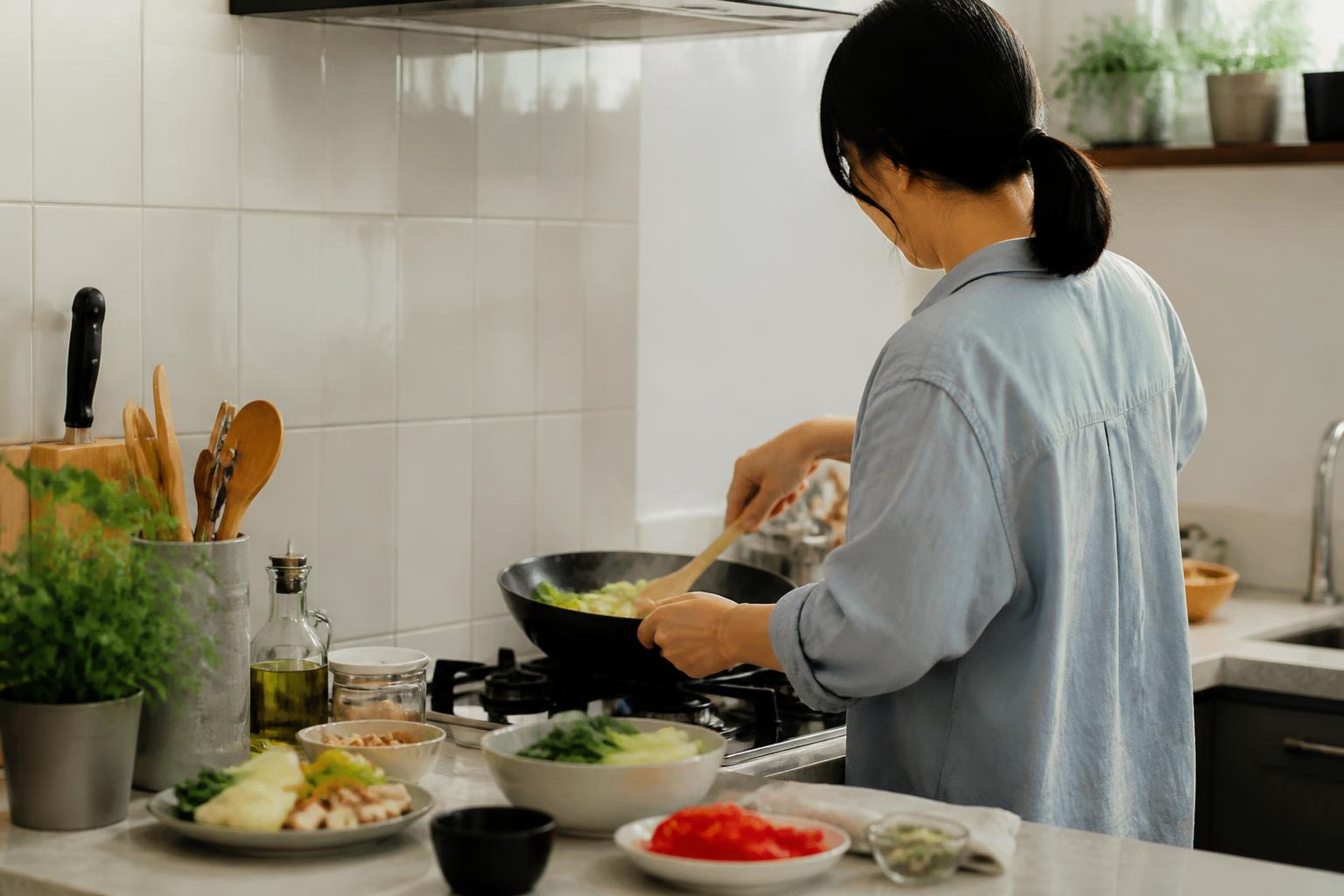
Batch cooking is often more realistic than daily cooking from scratch. A pot of lentil soup, turkey chilli, vegetable curry or bean stew can cover several meals and reduce the temptation to order takeaway or rely on expensive single portions. Batch cooking also helps with packed lunches, which is where many winter food budgets quietly drift.
Using cheaper proteins well makes a difference. Eggs, pulses, tinned fish and yoghurt generally offer good value. Meat can still fit in, but it often works better as part of a meal than as the centrepiece. A chicken and barley soup, or a beef and bean chilli, can stretch ingredients further while keeping meals balanced.
Carbohydrate staples also help keep costs sensible. Potatoes, oats, rice, pasta and bread are not filler to be apologised for. They are the backbone of many affordable, balanced winter meals. The key is to pair them with vegetables and protein so they do the job properly.
Reducing waste often comes down to planning overlap. If we buy a bag of carrots, can they go into soup, traybake and lunchboxes? If we open a tub of yoghurt, can it cover breakfast, snacks and a topping for chilli? If we cook potatoes, can leftovers become a frittata or soup the next day? This kind of loose planning is usually more sustainable than a detailed meal plan that collapses by Wednesday.
It is also worth being realistic about effort. Not every healthy winter meal needs to be cooked from raw ingredients. A balanced meal might use a carton of soup improved with beans, a bag of frozen veg added to noodles with egg, or a jacket potato topped with cottage cheese and tinned mackerel. Convenience is not the problem on its own. The question is whether the convenience choice still gives us a proper meal.
If winter eating has started to feel all or nothing, our piece on how to start eating healthy without overhauling everything may help. In most kitchens, the most durable changes are small ones, better breakfasts, more beans and vegetables in familiar dinners, smarter use of labels, and a few dependable staples always in the cupboard or freezer.
Healthy winter food is rarely about finding a single perfect ingredient. It is about making ordinary meals work harder for us, so that breakfast, lunch, dinner and snacks are warm enough, filling enough and balanced enough to carry us through the season.

Questions about this article or a correction to suggest? Get in touch. Read more about our editorial approach.