“Clean eating” can sound reassuring until it turns an ordinary supermarket shop into a test. Bread becomes suspect, tins seem second best and a meal out feels like breaking a rule. A more useful starting point is to ask what helps you eat a varied, enjoyable diet within the time and money available.
Food does not need a moral label. You can take an interest in ingredients and nutrition without sorting everything into good and bad categories or expecting every meal to be perfect.
Look at your overall pattern
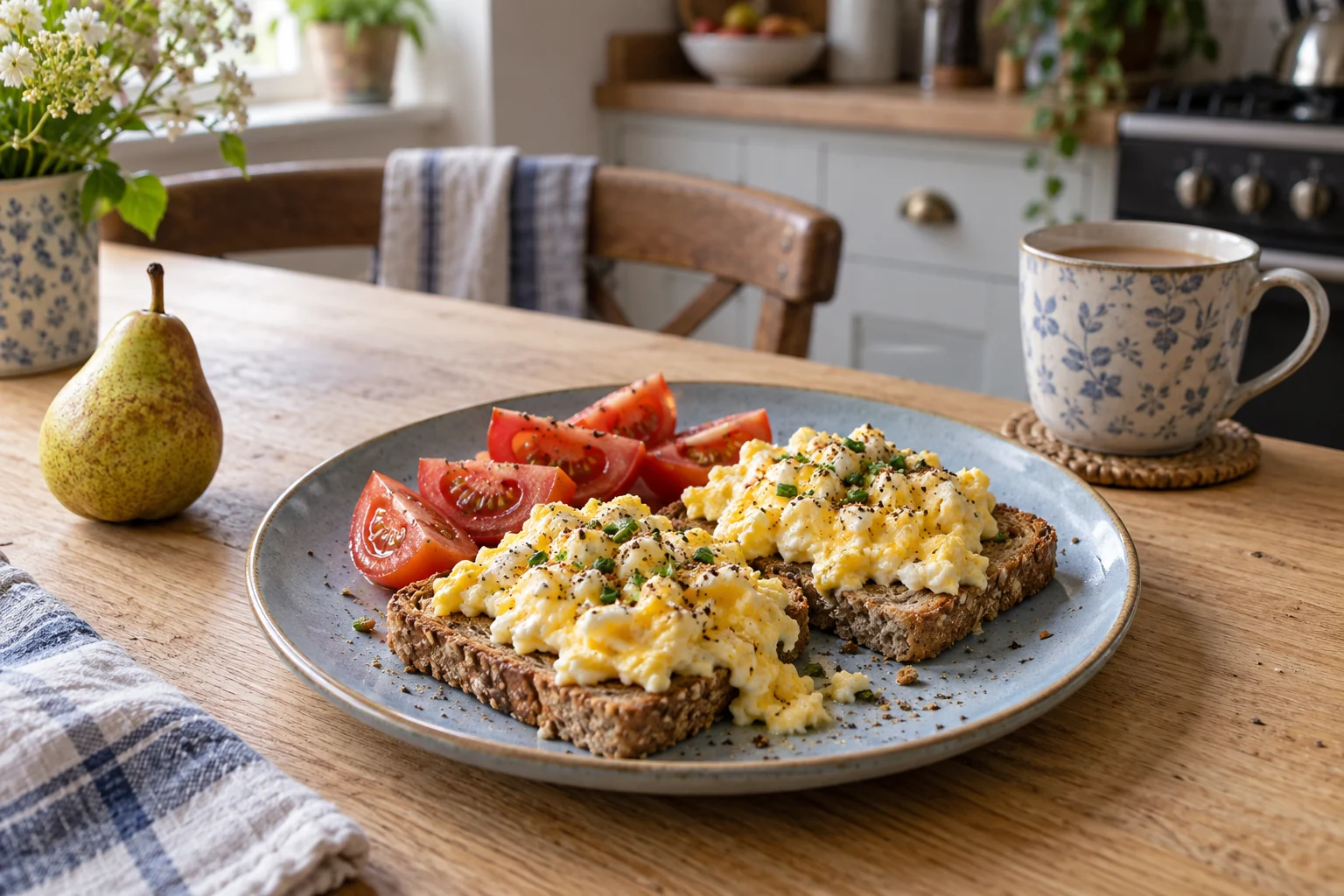
The NHS Eatwell Guide describes balance across a day or a week, rather than requiring the same proportions at every meal. That makes room for the fact that breakfasts, packed lunches and family dinners look different.
Start by looking at a few ordinary days. Are vegetables hard to fit into lunch? Is there rarely anything ready when you get home? Are you buying ingredients for meals you never have time to cook? These practical gaps are often more useful to address than searching for a new eating philosophy.
Choose one gap. Adding a bag of frozen vegetables to the weekly shop may be more helpful than planning five unfamiliar recipes.
Keep useful convenience foods
Processing is not a reliable shortcut for deciding whether a food deserves a place in your kitchen. The NHS explanation of processed foods includes familiar foods that can contribute to a balanced diet.
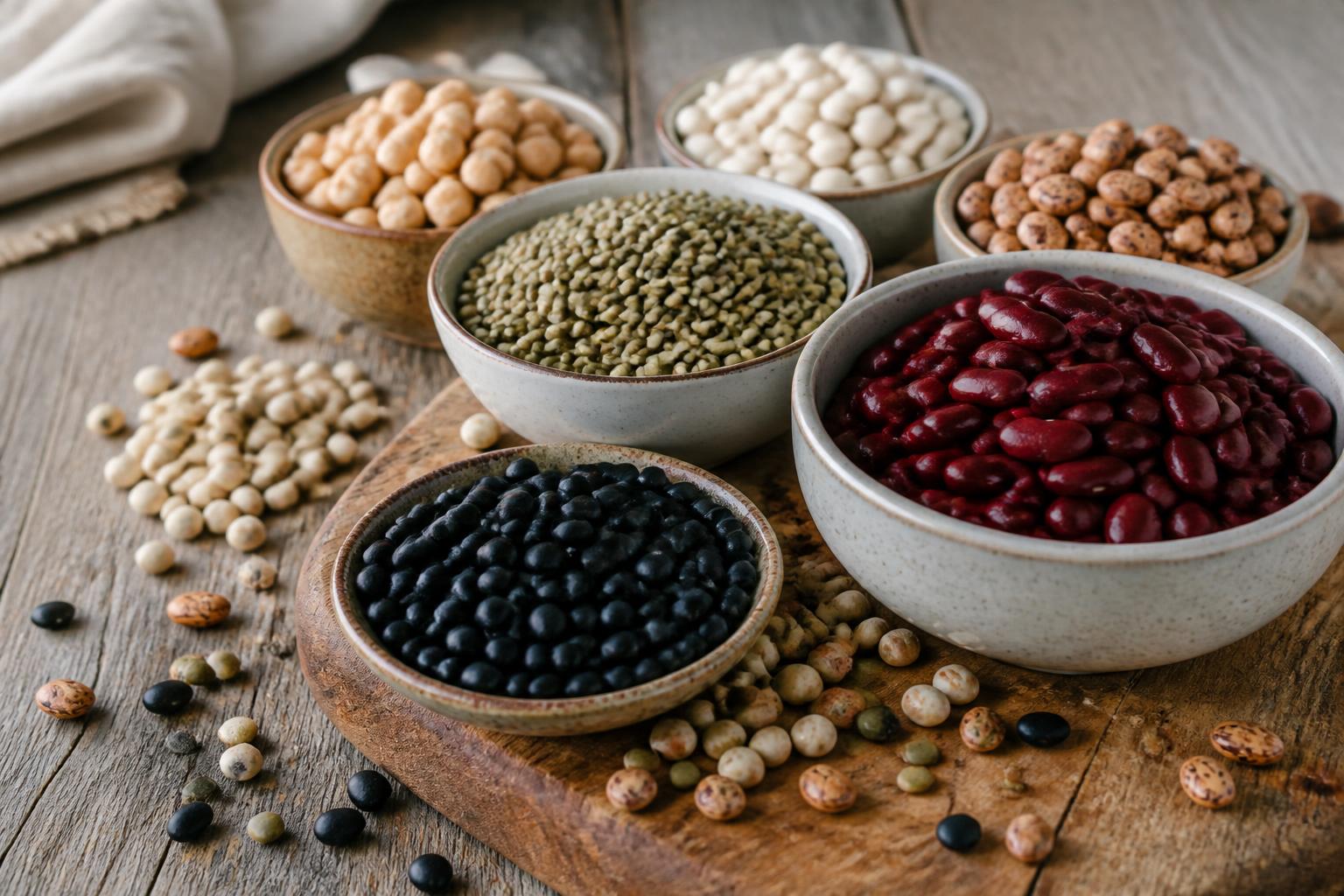
A tin of beans, a loaf of bread, frozen peas and plain yoghurt can all make everyday meals easier. Judge the actual product, its ingredients and how you use it. A long preparation time is not proof that dinner is better.
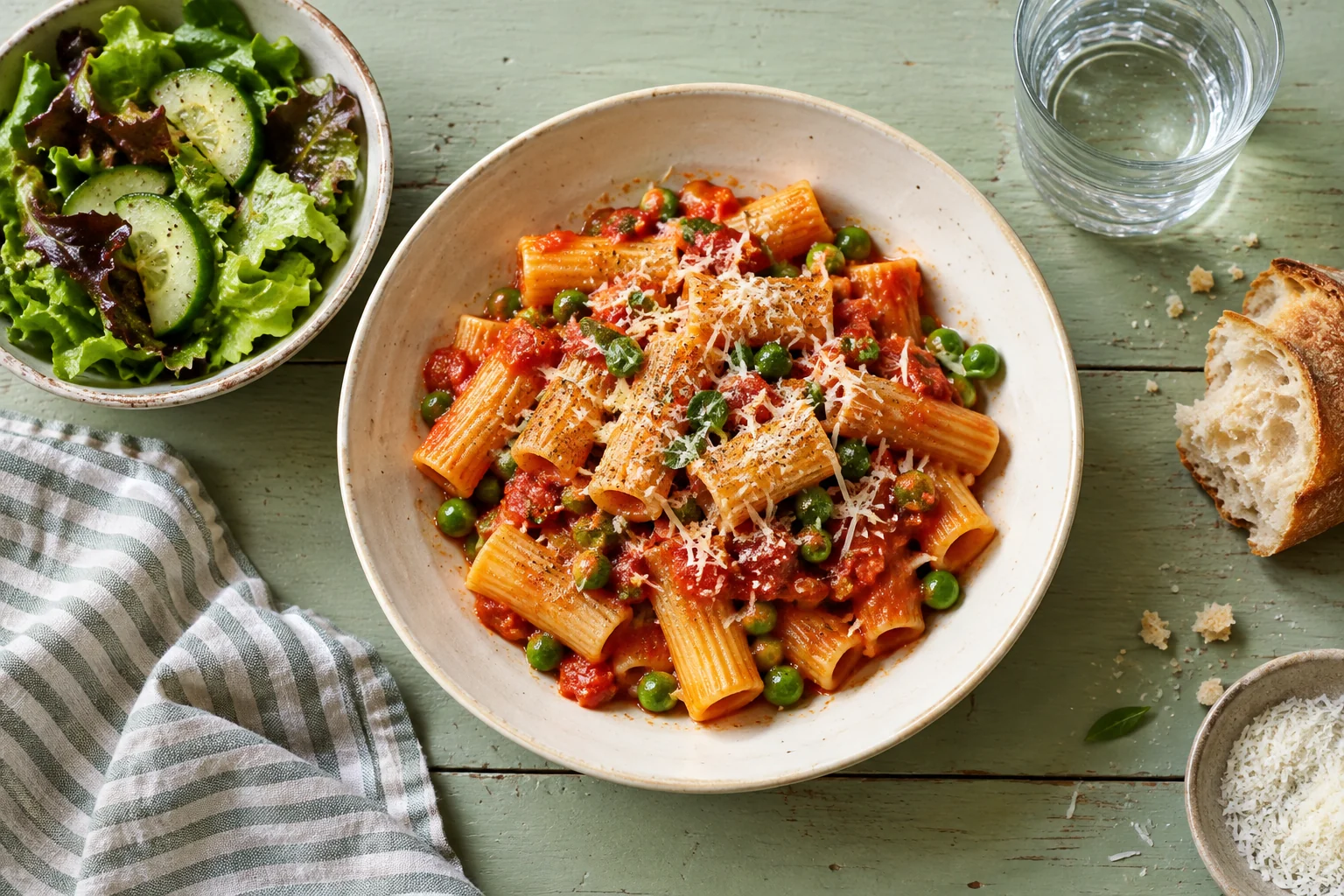
For a cupboard meal, combine a suitable cooked grain with beans, tinned tomatoes and vegetables. Or use a ready-made soup as the basis of lunch with bread and another food you enjoy. You are assembling a meal, not taking an exam in cooking from scratch.
Plan a few flexible meals
An inflexible seven-day menu can fail as soon as a meeting runs late. A smaller list of adaptable meals gives you more options.
Try choosing:
- One meal based around pasta, rice or potatoes.
- One meal using beans, lentils, eggs, fish or another protein food.
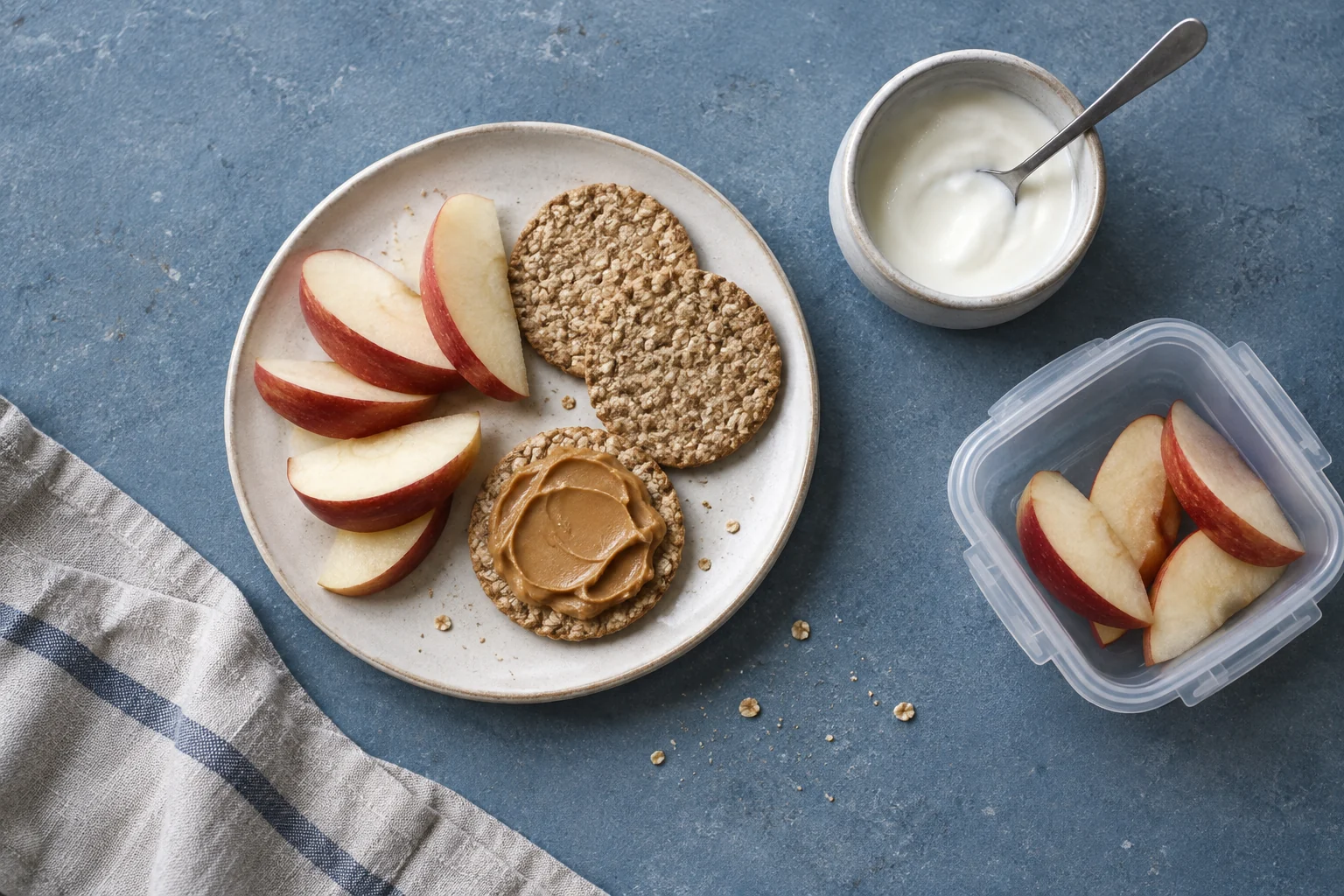
- One quick lunch you can assemble rather than cook.
- One freezer or cupboard backup for the day plans change.
Let ingredients overlap. Peppers could go into a tray bake, a sandwich or a pasta sauce. Plain yoghurt might accompany breakfast and a savoury meal. Overlap is useful when it reduces waste, not when it means eating a combination you dislike all week.
Use labels to answer a question
A label is most helpful when you know what you are comparing. If you want a less salty soup, compare salt per 100g between similar soups. If choosing breakfast cereal, consider fibre where listed, ingredients and the amount you would actually eat.
Do not compare a dry ingredient with a prepared meal as if the numbers describe the same thing. Water changes the weight of food, and serving sizes differ. A food's name, colour or “natural” wording cannot replace reading the packet.
You also do not need the lowest number in every column. Taste, cost, allergies, convenience and the rest of your diet remain part of the decision.
Add variety in manageable ways
Variety can mean using lentils in one meal and beans in another, choosing a different vegetable with dinner, or alternating the fruit you buy. It need not mean collecting expensive powders or ingredients with a short shelf life.
Keep a small list of swaps beside your shopping list: fresh spinach or frozen; chickpeas or butter beans; apples or pears. Substitutions make it easier to work with what is affordable and available.
The BDA healthy-eating guide supports including the main food groups. Unless there is a specific medical reason, removing an entire group is a bigger step than most everyday improvements require.
Make room for ordinary enjoyment
Birthdays, restaurant meals and favourite biscuits are part of life. You do not need to compensate for one meal by missing the next or declaring a fresh start on Monday. Return to the meals and routines that work for you.
If planning food begins to cause persistent anxiety, or rules are steadily narrowing what you feel able to eat, seek support from a suitable healthcare professional. For everyday planning, keep the aim modest: a kitchen with useful options, meals you enjoy, and enough flexibility for real life.

Questions about this article or a correction to suggest? Get in touch. Read more about our editorial approach.