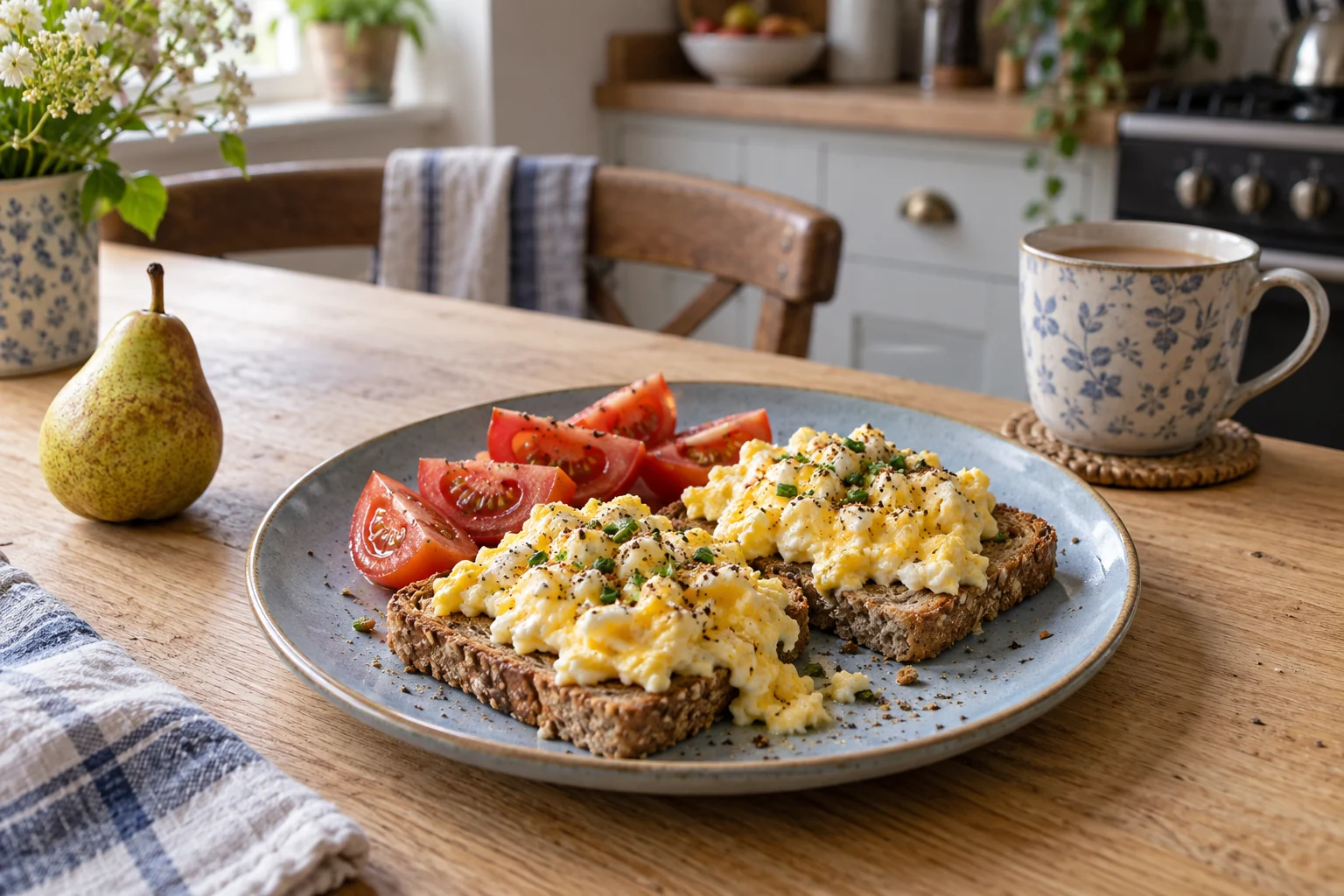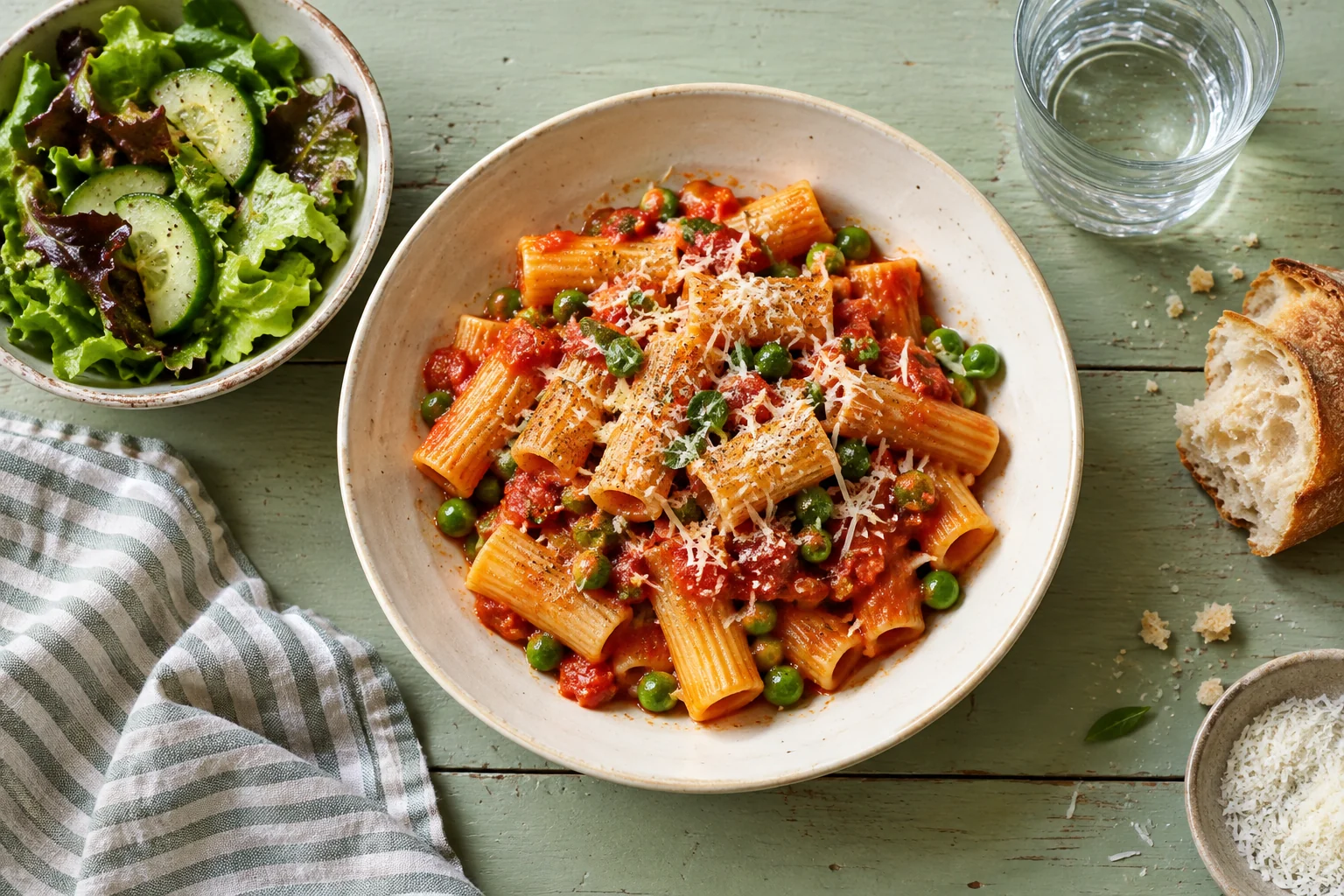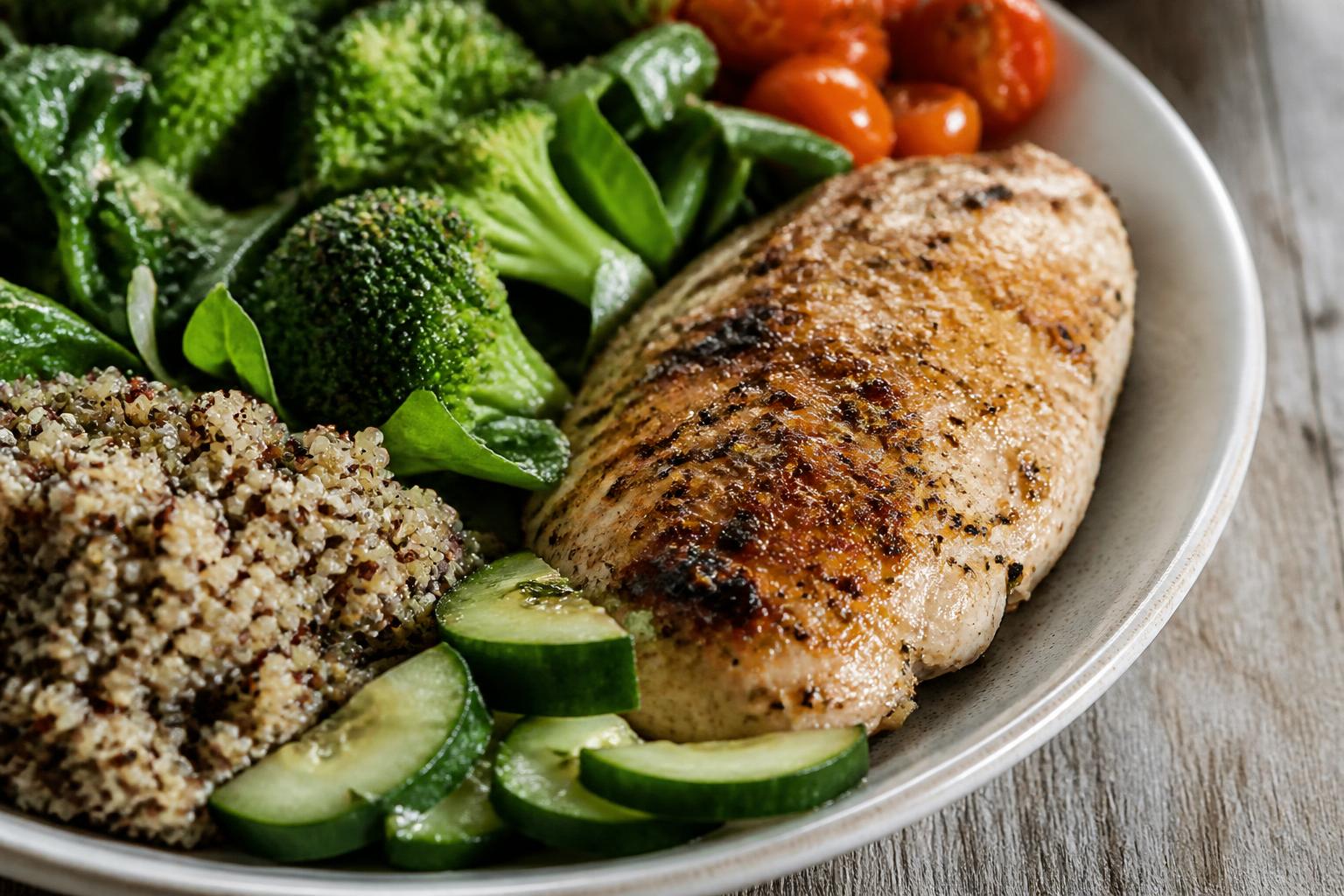
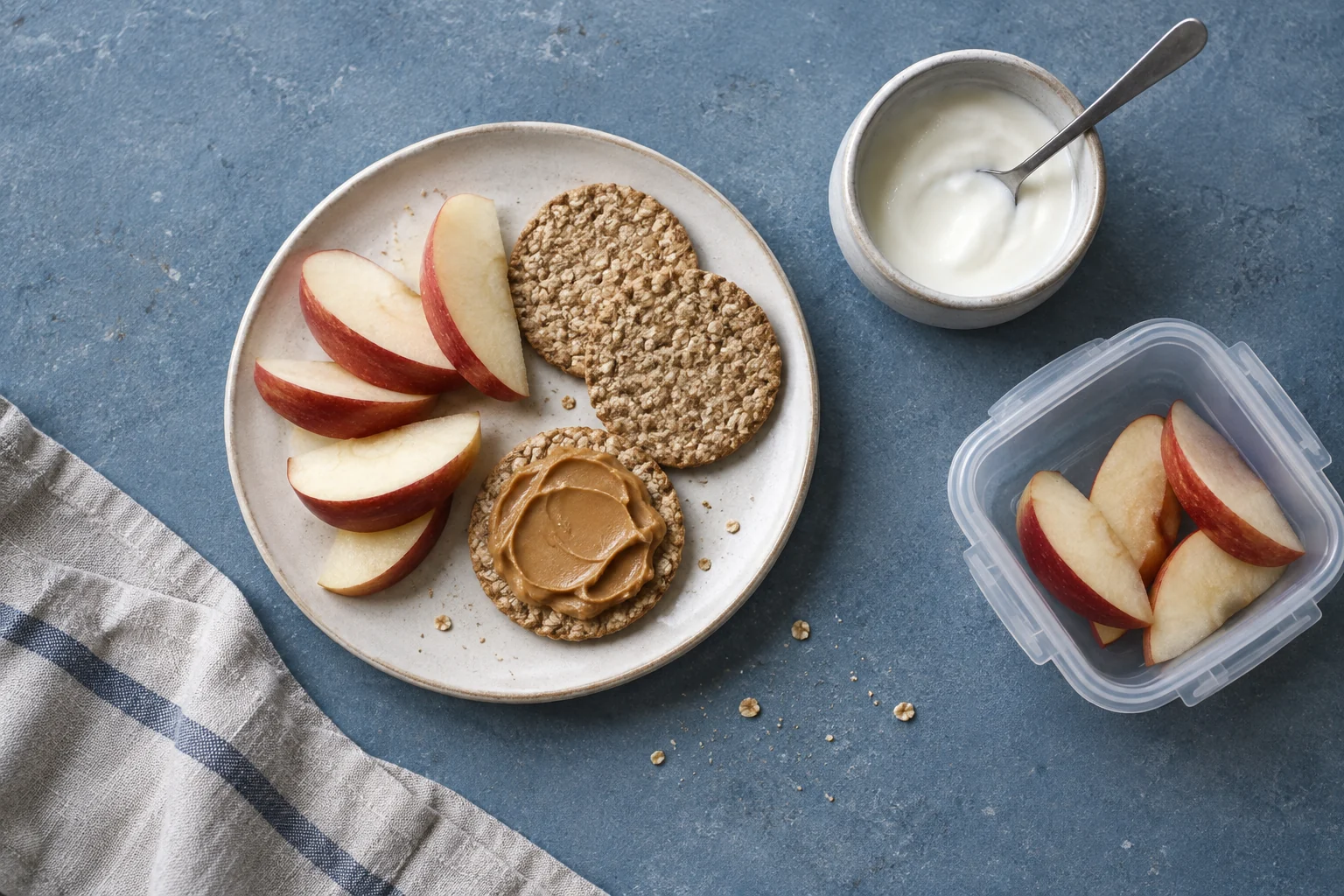
A snack can be something to tide you over until dinner, a welcome break on a busy afternoon or simply something you enjoy. It does not need to earn a health halo. The useful question is whether it suits your appetite, your plans and what is available.
There is no single snack everyone should eat, and no need to feel that choosing one food cancels out another. A flexible approach makes it easier to keep convenient options around without turning a small eating decision into a project.
Start with the situation
Think about when you tend to want a snack. Is lunch early and dinner late? Do you have a fridge at work? Are you carrying food in a bag all morning? Do you want something crunchy, something creamy or a more substantial small meal?
Those answers are more helpful than copying a stranger's snack list. A yoghurt pot may work at home; a banana and an oatcake may travel more easily. On a day when lunch was small, another piece of fruit alone may not be what you want.
The British Dietetic Association's snack guide suggests looking across the main food groups. That gives you a broad set of options, rather than a special category of products labelled as snacks.
Build a few combinations you actually like
For an everyday snack, try putting two familiar foods together. These are flexible ideas, with quantities left to your appetite:
- Apple slices with a spoonful of nut butter.
- A small bowl of plain yoghurt with fresh berries.
- Oatcakes with cheese or hummus.
- A slice of toast with peanut butter or mashed beans.
- Cucumber, pepper or carrot with a dip you enjoy.
- A handful of unsalted nuts alongside a satsuma.
- A small sandwich when you need something more substantial.
Check allergens when choosing or sharing food. Nut butter, dairy, sesame in hummus and gluten-containing grains will not suit everyone. Alternatives are most useful when they match the reason for the substitution: an allergy, a preference and a lack of fridge space are different problems.
Try one or two combinations first. A cupboard full of unfamiliar products is not necessary.
Keep crunchy choices in perspective
Crunch can come from fresh vegetables, toasted bread, crackers, nuts, roasted pulses or a packet of crisps. These are different foods, so it is unhelpful to assume that sharing a texture means they have the same ingredients or nutritional profile.
When comparing packaged options, look at like-for-like information. The NHS guide to reading labels explains that the per-100g column helps comparisons, while the portion column helps you understand the amount you actually eat. Check whether a pack described as two servings is an amount you would normally finish at once.
A vegetable illustration on the front is a starting point for a closer look. Read the ingredients and preparation method too, especially if salt, added oil or a coating matters to your choice.
Where dried fruit fits
Dried fruit is convenient, but it is worth thinking about when you eat it. NHS 5 A Day guidance recommends having dried fruit with meals because it can stick to teeth. Fresh fruit is a useful between-meal option.
For that reason, raisins stirred into breakfast or dried apricot pieces in a lunchtime grain bowl make practical alternatives to grazing from a packet all afternoon. If you buy freeze-dried fruit, follow its product information rather than assuming a handful is nutritionally interchangeable with the same volume of fresh fruit.
Set up a useful snack shelf
Choose a small number of foods that you regularly finish. Keep crispbread or oatcakes in a closed container, place fruit somewhere visible and put refrigerated options where you can find them. Follow storage instructions and date labels.
If you take snacks to work, packing them alongside lunch can be easier than remembering a separate task. Where chilling is needed, use appropriate cold storage rather than leaving a dairy pot in a warm bag.
A backup snack is useful for disrupted journeys or late meetings. It does not need to replace a meal you would rather sit down and eat.
Make room for enjoyment
Sometimes the food you want is a biscuit, chocolate or crisps. You do not need to disguise that choice as something else, or compensate for it afterwards. A pattern of eating is built over many meals and days.
Notice what works in practice: whether you enjoyed the snack, whether it was convenient and whether you were still hungry. Adjust the next choice accordingly. A useful snack routine should make your day easier, not give you another set of rules to follow.

Questions about this article or a correction to suggest? Get in touch. Read more about our editorial approach.