A healthy gut is not about chasing a miracle ingredient. In practical terms, it usually means food moves through comfortably, bowel habits are reasonably regular, digestion is not constantly troublesome, and your gut is home to a varied community of microbes that can do their job properly. For most people, the best food for a healthy gut is not one special product, but a pattern of eating built around fibre-rich plant foods, enough fluid, and some fermented foods if they suit you.
That approach is also far more realistic than trying to “fix” your gut with short cleanses or expensive supplements. Everyday foods such as oats, beans, vegetables, fruit, wholegrains, nuts, seeds and live yoghurt can support gut health over time, especially when they show up regularly rather than occasionally.
What people mean by a healthy gut
When people talk about gut health, they often mean several things at once. First, there is digestion itself. Food should be broken down and moved along without frequent pain, bloating, reflux, nausea or a constant sense that meals are not sitting well. Second, there are bowel habits. That means stools that are not persistently too hard or too loose, and a pattern that feels normal for you rather than erratic.
Comfort matters as well. A healthy gut is not just about avoiding a diagnosed condition. It is also about day-to-day ease, not feeling uncomfortably full after ordinary meals, not relying on laxatives without medical advice, and not planning your day around digestive uncertainty.
Then there is the gut microbiome, the huge mix of bacteria and other microbes living mainly in the large intestine. These microbes help break down parts of food we cannot digest on our own, especially certain fibres. In doing that, they produce substances that support the gut lining and are linked with wider health. We should be careful not to turn the microbiome into a buzzword, but it is a useful way to understand why varied plant foods matter. We are not only feeding ourselves, we are also feeding the microbes that live in the gut.
A healthy gut does not mean zero symptoms, perfect flat-stomach comfort, or a bowel movement on a rigid schedule. People vary. Travel, stress, illness, changes in routine, menstrual cycles and medicines can all affect digestion. The more practical goal is a settled pattern, good tolerance of everyday meals, and symptoms that are mild rather than persistent or disruptive.
The main types of food that support gut health
When we look at food for a healthy gut, four broad groups matter most, fibre, prebiotic foods, fermented foods and fluids. Each plays a different role.
Fibre
Fibre is the backbone of a gut-friendly diet. It adds bulk to stool, helps food move through the digestive system, and provides fuel for beneficial gut microbes. In the UK, many adults eat less fibre than recommended, so there is often room to improve simply by eating more beans, vegetables, fruit and wholegrains.
Not all fibre acts in the same way. Some types help soften stools by holding water. Some add bulk. Some are fermented more readily by gut bacteria. You do not need to memorise the chemistry, but it helps to know that variety matters. Relying on one “high-fibre” cereal while the rest of the diet stays low in plant foods is not the same as spreading fibre across the day.
It is also worth increasing fibre gradually, especially if your current intake is low. A sudden jump can cause bloating, gas and discomfort. More fibre works best when matched with enough fluid.
Prebiotic foods
Prebiotic foods contain fibres and compounds that feed beneficial gut bacteria. Common examples include onions, garlic, leeks, asparagus, oats, barley, beans, lentils, chickpeas, bananas and apples. These are ordinary foods, not specialist products.
What can prebiotic foods realistically do? They can help support a more favourable gut environment by feeding microbes that ferment these compounds. Over time, that may help bowel regularity and overall gut function. They are not an instant cure for bloating, and in some people, especially those with irritable bowel syndrome, certain prebiotic foods can trigger symptoms. That does not make them “bad”, but it does mean tolerance matters.
Fermented foods
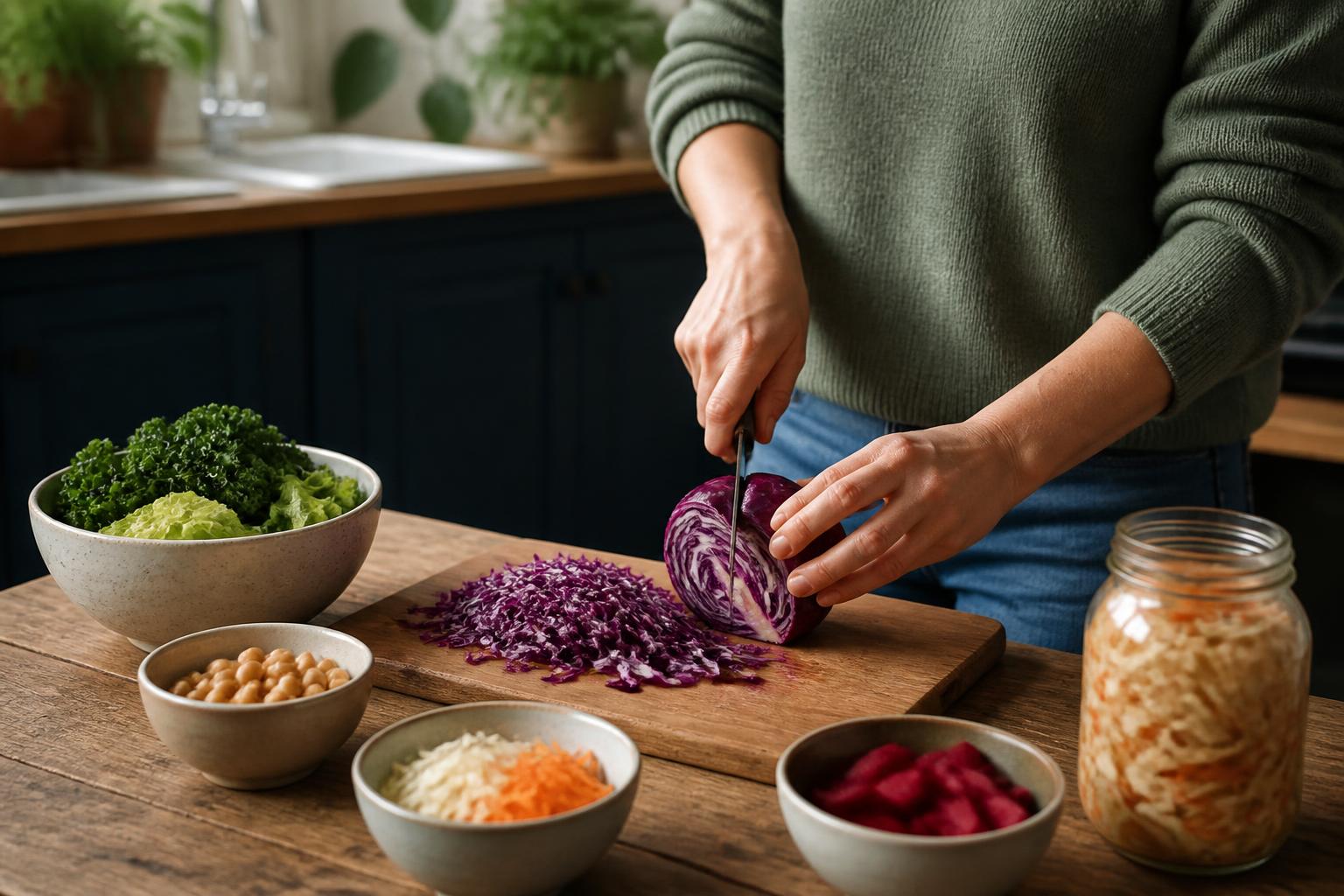
Fermented foods include live yoghurt, kefir, some soft cheeses, sauerkraut, kimchi, miso and tempeh. In UK supermarkets, the most familiar options are live yoghurt and kefir. These foods may contain live bacteria, depending on how they are made and whether they have been heat-treated after fermentation.
Fermented foods can be a useful part of a gut-friendly diet, but they are not magic. A pot of live yoghurt does not cancel out a generally low-fibre diet. What they can do is add useful live cultures and broaden the range of foods in the diet. For some people, they are also an easy, practical way to include a protein-rich snack or breakfast ingredient.
If you are buying yoghurt for gut support, it is worth checking the label for “live cultures” or “live yoghurt”. UK food labels can also be easier to interpret if you know how to compare values per 100g and per portion, especially when products differ in serving size.
Fluids
Fluid is often left out of gut health advice, but it matters. Fibre needs fluid to do its job properly. If you increase wholegrains, pulses and vegetables without drinking enough, you may feel worse rather than better.
Water is the obvious choice, but tea, coffee, milk and unsweetened drinks also contribute to fluid intake. Alcohol does not count as a gut health strategy, and very sugary drinks are not helping the broader quality of the diet. The main point is consistency. Drinking enough through the day supports normal bowel function far better than trying to “catch up” in the evening.
Everyday UK foods to put on the plate more often
The most useful food for a healthy gut is often the food already available in an ordinary UK shop. You do not need a specialist online order or a shelf full of powders.
Oats
Porridge oats, jumbo oats and oat-based muesli are easy wins. Oats provide fibre, including beta-glucan, and they pair well with fruit, nuts and seeds. Porridge with banana and ground flaxseed is a simple gut-friendly breakfast that asks very little of your routine.
Beans, lentils and chickpeas
Tinned baked beans, kidney beans, chickpeas, butter beans and green or red lentils are among the most useful ingredients for gut health. They provide fibre and resistant starch, and many also act as prebiotic foods. Tinned pulses are particularly practical because they are cheap, shelf-stable and quick to use.
Add chickpeas to salads, lentils to soups, butter beans to stews, or beans to jacket potatoes. If pulses tend to make you uncomfortable, start with small portions and build up.
Wholegrains
Wholemeal bread, wholewheat pasta, brown rice, barley, bulgur wheat, wholegrain breakfast cereals and seeded crackers can all help raise fibre intake. The point is not that every grain must be wholegrain, but that choosing wholegrain more often makes it easier to support bowel regularity without much effort.
In the UK, labels such as “multigrain” or “wheatgerm” do not automatically mean high fibre. Reading the nutrition panel is often more useful than relying on front-of-pack wording.
Fruit
Apples, pears, berries, oranges, kiwi fruit, bananas and dried fruit can all contribute to gut health. Fruit brings fibre, fluid and plant variety. Kiwi fruit is often mentioned for bowel regularity, while apples and pears provide useful fibre in a very ordinary format.
Dried fruit can help some people, but portions matter because it is easy to eat a lot quickly. A small handful of prunes, apricots or raisins can be useful, especially as part of breakfast or a snack.
Vegetables
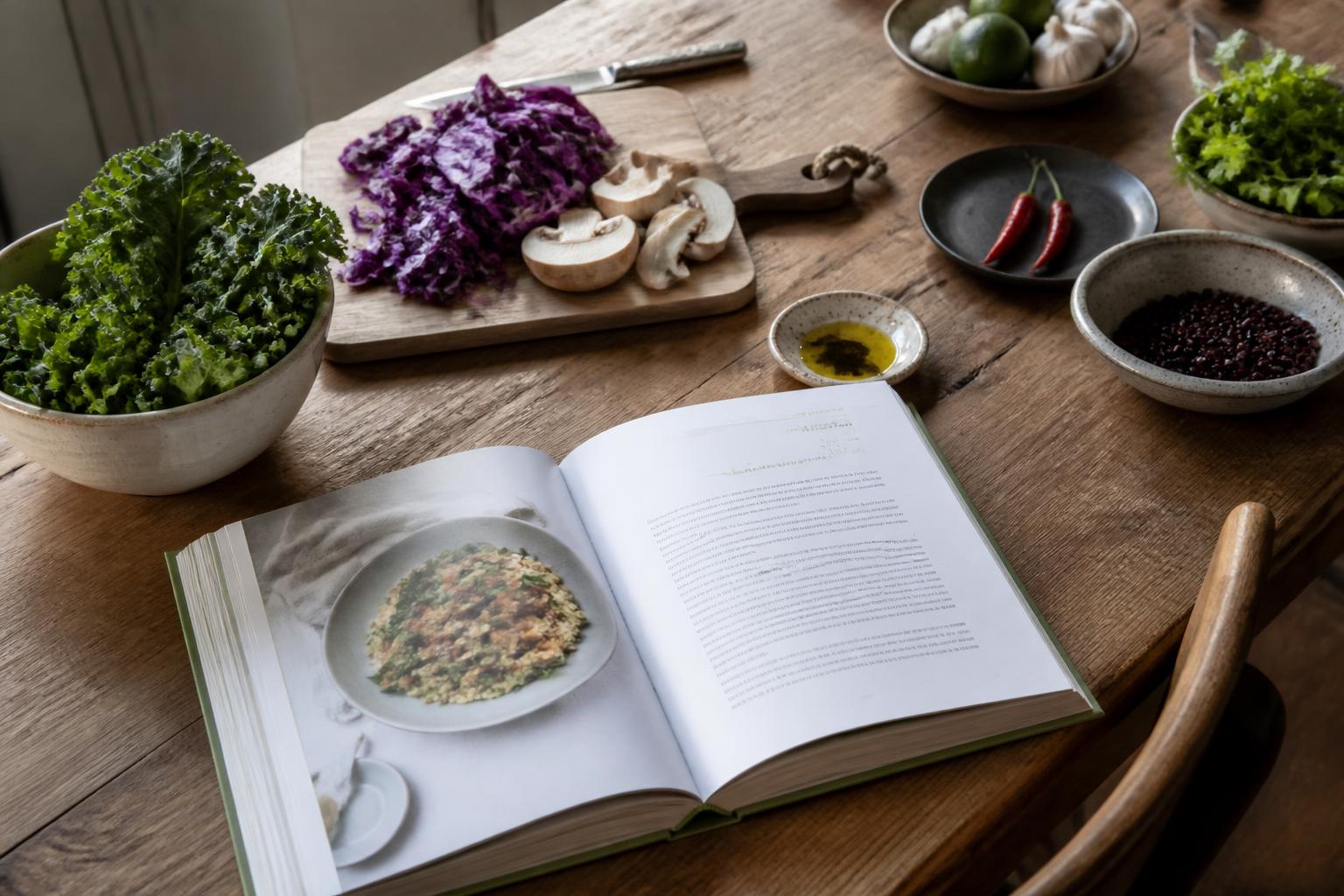
Vegetables support gut health partly through fibre and partly through variety. Leafy greens, carrots, peas, broccoli, cauliflower, cabbage, onions, leeks, peppers and sweet potatoes all have something to offer. Frozen vegetables count just as much as fresh for this purpose and are often easier to keep on hand.
A practical target is to make vegetables part of lunch and dinner by default, rather than treating them as optional extras.
Nuts and seeds
Almonds, walnuts, peanuts, chia seeds, flaxseed and pumpkin seeds can all help add fibre and plant diversity. Ground flaxseed is especially easy to stir into porridge, yoghurt or soup. Chia seeds work well in overnight oats. Nuts also make snacks more filling, which can help shift the day away from ultra-processed, low-fibre choices.
Live yoghurt and kefir
Live yoghurt is one of the most accessible fermented foods in UK shops. Unsweetened or lower-sugar versions are often the easiest to fit into everyday meals. Kefir can work similarly if you like the taste. A spoonful of live yoghurt with fruit and oats, or alongside a spicy meal, is a straightforward way to include fermented food without overthinking it.
How to build gut-friendly meals without overcomplicating it
The simplest way to eat for gut health is to combine three ideas, more plant variety, more wholegrains or pulses, and regular use of foods such as live yoghurt if they suit you. You do not need every meal to be perfect.
Breakfast
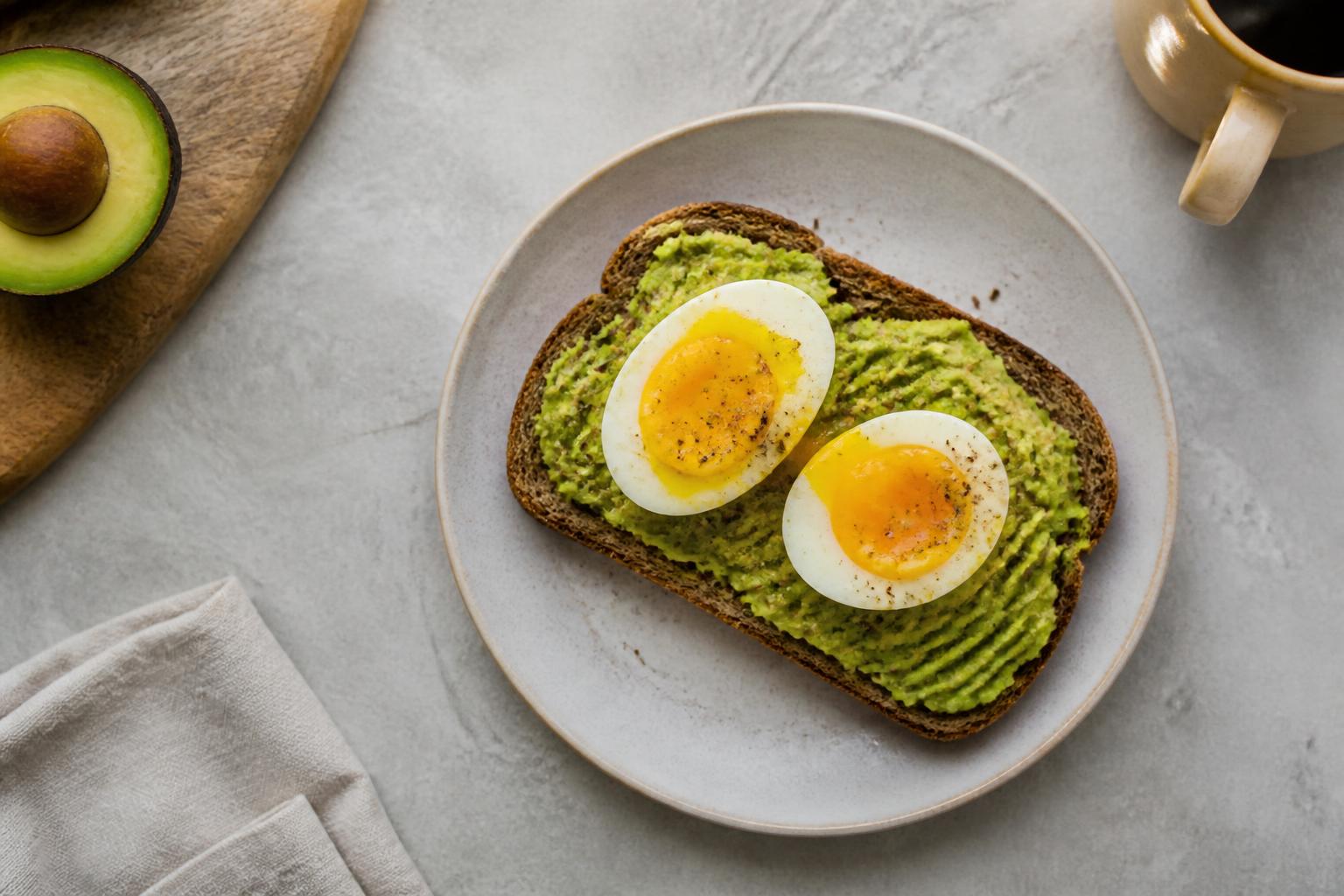
Breakfast is often the easiest place to start. Porridge made with milk or a fortified plant drink, topped with berries, banana and seeds, covers fibre, plant variety and fluid. Wholegrain toast with peanut butter and sliced pear also works. If you prefer something cold, live yoghurt with oats, chopped apple and walnuts is a practical option.
Lunch
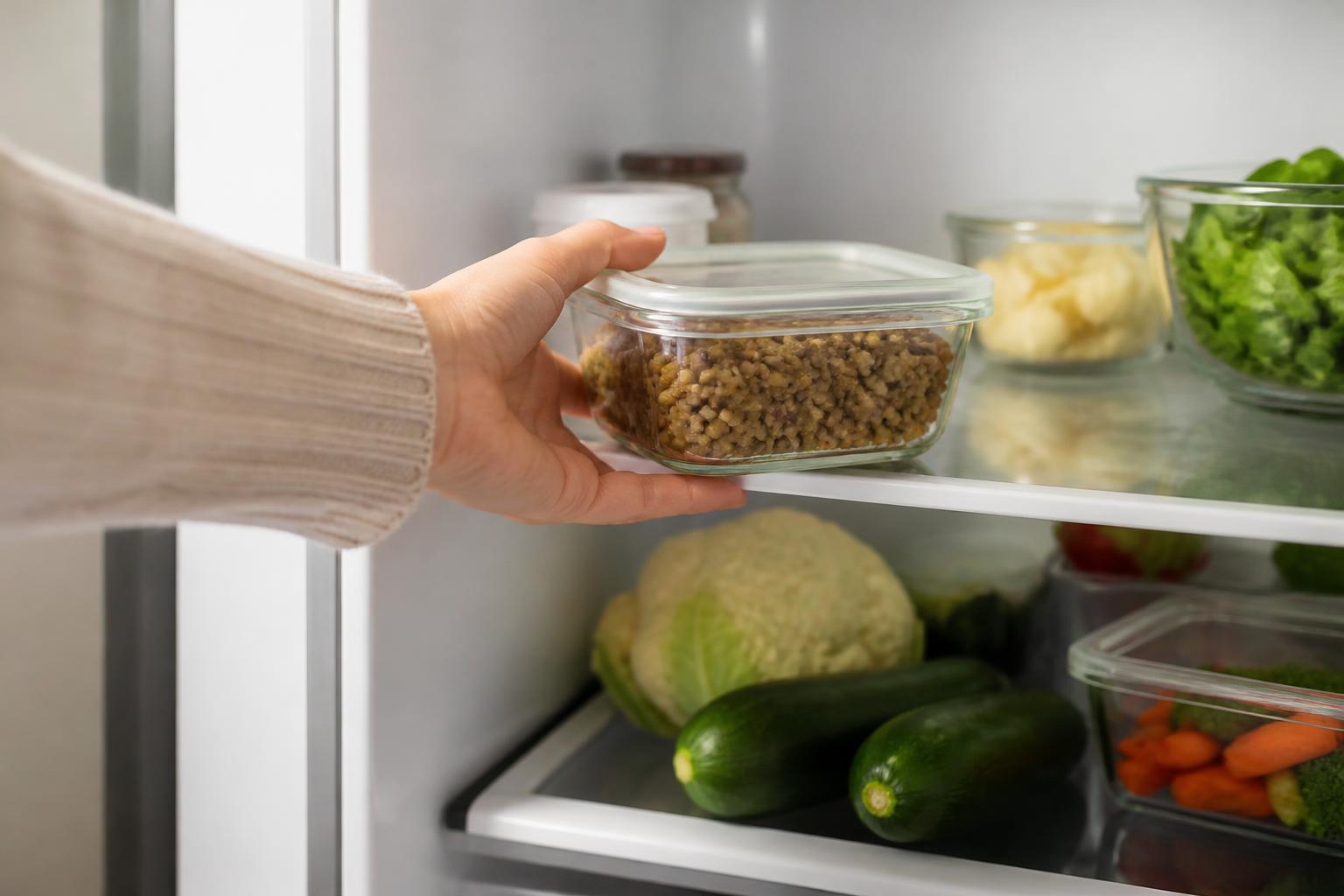
For lunch, think in combinations rather than recipes. Wholemeal bread with hummus and salad, lentil soup with oatcakes, or a grain bowl with brown rice, roasted vegetables and chickpeas all move things in the right direction. Leftovers count. A portion of last night’s bean chilli in a lunch box is often more gut-friendly than a low-fibre sandwich meal deal.
If you want ideas that keep the effort low, our guide to healthy meals you can cook without overthinking it is built around the same principle.
Dinner
At dinner, a simple formula helps. Start with a base such as potatoes, brown rice, wholewheat pasta or barley. Add a protein source such as beans, lentils, fish, eggs or chicken. Then add at least two plant foods, for example broccoli and peas, or aubergine and tomatoes. A spoonful of live yoghurt on a curry or chilli can bring in a fermented food without adding complexity.
Examples include:
- Wholewheat pasta with lentil bolognese and a side salad
- Baked potato with baked beans, grated cheese and steamed broccoli
- Stir-fry with brown rice, tofu or chicken, and mixed vegetables
- Vegetable and chickpea curry with rice and live yoghurt
Snacks
Snacks can either support gut health or quietly undermine it, depending on what usually fills the gap. Fruit with nuts, oatcakes with hummus, live yoghurt with seeds, or wholegrain crackers with peanut butter are all useful formats. They add fibre and plant variety without becoming “health food” in the faddy sense.
Keep variety realistic
People often hear that plant diversity matters and assume they need a completely different menu every day. In reality, repeating useful foods is fine. What matters is widening the range over time. If your usual week already includes oats, apples, lentils, carrots, broccoli, beans, nuts and yoghurt, that is a solid base. You can build from there with small additions such as barley in soup, seeds on breakfast, or an extra vegetable at dinner.
What food cannot do on its own
Food can do a great deal for digestion and bowel health, but there are limits. It is worth being clear about them.
First, probiotics are not a guaranteed answer. Some people find probiotic yoghurts, kefir drinks or supplements helpful. Others notice no difference. Effects depend on the strain, the dose, the person and the symptom. In the UK, probiotics are sold as foods or supplements, but broad claims about curing digestive problems should be treated cautiously.
Second, supplements are not a substitute for a low-fibre diet. A fibre supplement may have a place for some people, especially on medical advice, but it does not recreate the nutritional pattern of eating more pulses, vegetables, fruit and wholegrains. The same goes for greens powders and “gut shots”. They may sound efficient, but they rarely replace ordinary meals built from real ingredients.
Third, detox claims are mostly marketing. Your digestive system does not need a restrictive cleanse to be “reset”. In fact, suddenly cutting out major food groups or relying on juices can reduce fibre intake and make bowel habits less predictable. A steadier routine of balanced meals is usually more useful.
Fourth, individual response matters. Some foods commonly promoted for gut health can aggravate symptoms in certain people. Beans, onions, garlic, cabbage and fermented foods are obvious examples. If a food repeatedly causes pain, marked bloating or diarrhoea, forcing more of it is not sensible. The answer may be portion size, preparation method, or a different choice within the same broad category.
Finally, some symptoms need medical advice rather than more dietary experimentation. Speak to a GP if you have persistent abdominal pain, ongoing diarrhoea, constipation that does not improve, unexplained weight loss, blood in the stool, difficulty swallowing, new symptoms that last several weeks, or a major change in bowel habit without an obvious cause. The same applies if symptoms wake you at night or you are relying on over-the-counter remedies most days.
For everyday eating, the most reliable food for a healthy gut is still the least glamorous answer, regular meals built from fibre-rich plants, enough fluid, and foods you actually tolerate. That may not make for dramatic marketing, but it is usually what works.

Questions about this article or a correction to suggest? Get in touch. Read more about our editorial approach.