Finishing a run, class or strength session is a good moment to think about what comes next. For many people, the practical challenge is getting from exercise to dinner, a shower and the rest of the day without becoming rushed or uncomfortable.
Recovery is often presented as a collection of special products. A more useful starting point is a workable routine: have food available, think about drinks, allow time to rest and adjust plans if you feel unwell.
Match the plan to the activity
An easy local walk and a demanding training session do not create identical needs. Consider how long and hard you exercised, when you last ate and when your next meal will be.
The British Dietetic Association's sport guidance places particular importance on prompt refuelling when demanding sessions follow closely together. That is a different setting from an occasional fitness class with an ordinary meal afterwards.
Avoid copying an elite athlete's recovery shopping list without asking whether it solves a problem you actually have. If your training is intensive or you are preparing for a long event, a registered sports dietitian can help you make a specific plan.
Decide on food before you set off
The easiest post-exercise meal is often the one you already know you will make. Before leaving, check what is available and whether anything needs thawing or preparation.
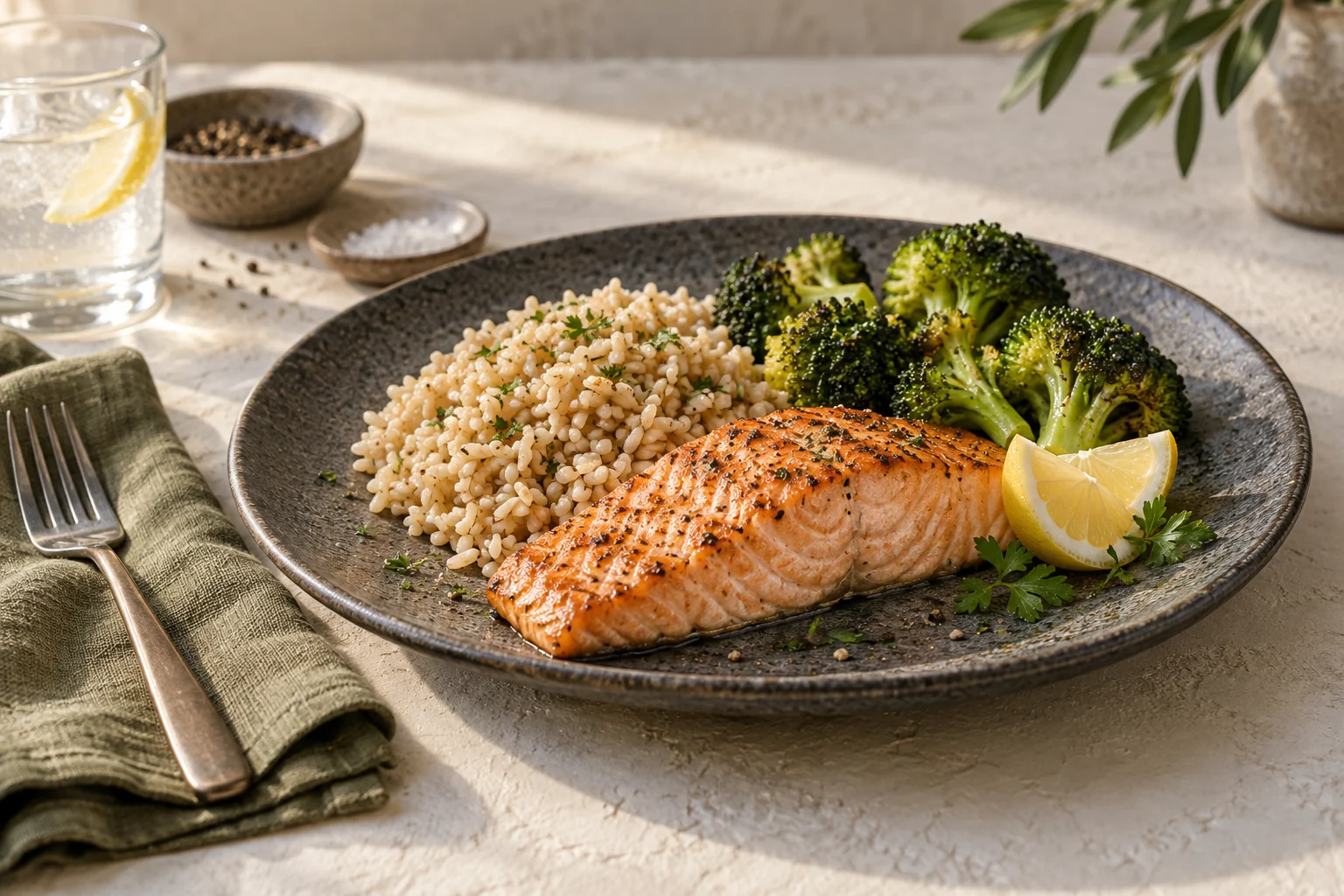
Breakfast after an early session might be toast with eggs or beans, or yoghurt with oats and fruit. A lunchtime session might fit around a sandwich and vegetables. After evening activity, a pasta dish, rice bowl or jacket potato can be straightforward.
These are flexible examples, with amounts guided by appetite and circumstances. They are not claims that every combination supplies the same nutrition or that a particular meal guarantees faster recovery.
Use a snack when it solves a gap
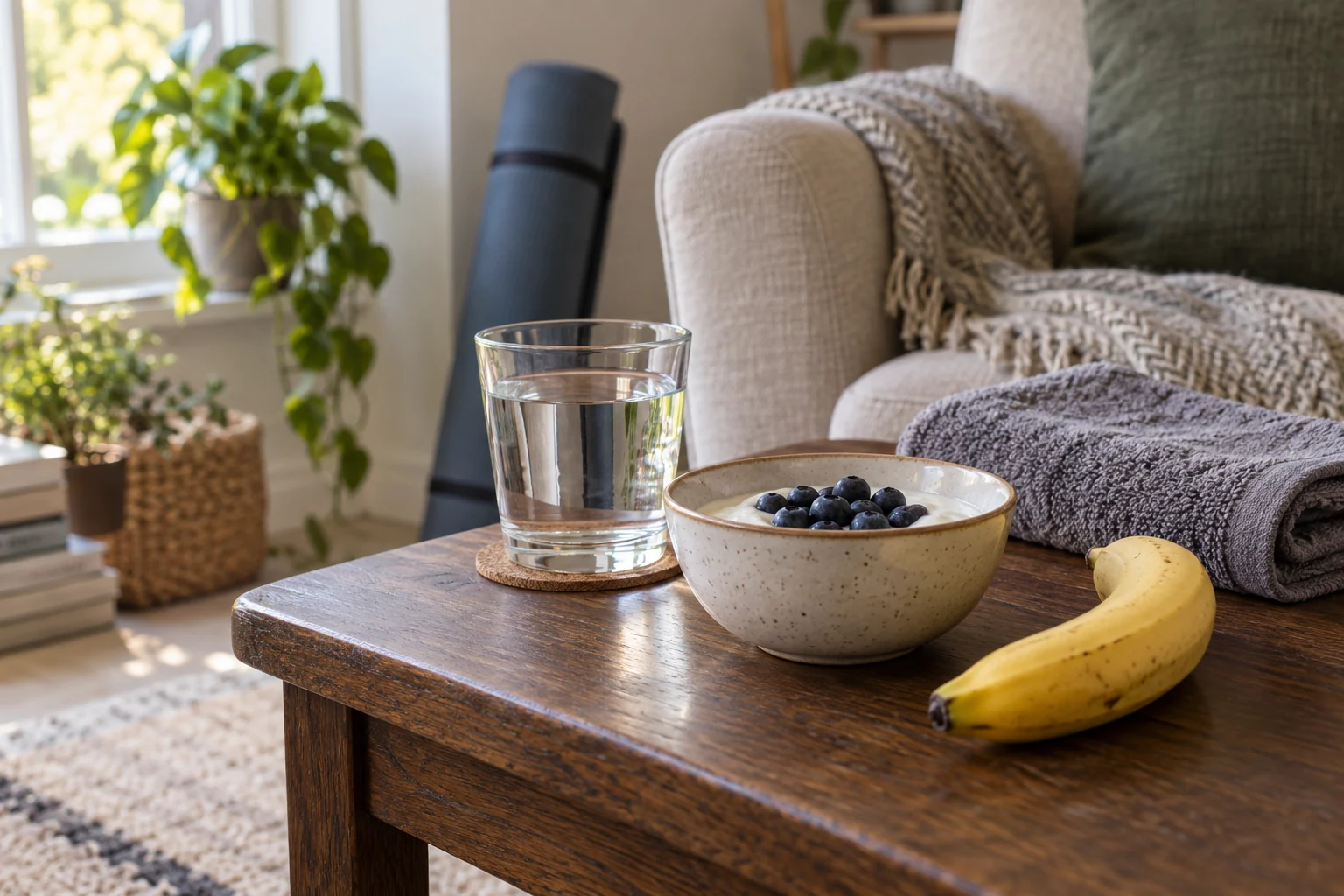
If dinner is soon, you may prefer to eat dinner. If you have a long journey home or the next meal is much later, having a snack available may be practical.
Think about where the food will be stored. A chilled yoghurt needs appropriate cold storage; an oatcake or piece of fresh fruit may be easier to carry. If you are packing a sandwich, take the filling's storage requirements seriously.
A snack can also be deliberately simple. You do not have to combine every food group in one small container or choose something labelled for sport.
Make drinking convenient
Keep water available before and after activity, and consider conditions such as heat and the length of the session. NHS guidance on hydration recommends replacing fluids lost through sweating and identifies water as a useful choice.
For ordinary activity, carrying a refillable bottle can remove the problem of having nothing to drink. More demanding exercise, particularly in difficult conditions, calls for a plan suited to the session.
Avoid forcing large quantities because an online routine specifies them. Individual needs vary, and medical advice about fluid intake takes priority.
Leave room for rest
Rest is not an extra task to earn after exercise. Look at your schedule as a whole: work, caring responsibilities, travel, sleep and training all occupy the same day.
A late class may be enjoyable, but if it regularly leaves you rushing dinner and bedtime, try changing one part of the arrangement. Prepare food beforehand, choose an earlier session when possible, or simplify the evening.
The NHS guide to sleep offers practical ideas for a regular sleep routine. No single meal can compensate for a schedule that leaves little opportunity to rest.
Make leftovers convenient and safe
Preparing an extra portion can help on exercise days. Keep the plan concrete: label it, know where it is stored and follow the relevant cooking and chilling instructions.
If reheating food, Food Standards Agency guidance says to heat it until steaming hot throughout and to reheat leftovers only once. Stir where appropriate so the middle heats as well as the edges.
A ready meal can also be useful. Follow its instructions and add something alongside if you want to make it a larger meal. Convenience does not have to be accompanied by an apology.
Review comfort, not promises
After a few sessions, ask whether the routine works. Were you left without food for longer than you wanted? Did you have a drink available? Was the evening manageable? Change the practical obstacle first.
Do not use a food routine to explain away persistent pain, unusual exhaustion or other symptoms that concern you. Pause activity and seek appropriate healthcare advice when needed.
A sustainable routine supports the activity you enjoy while leaving time and attention for the rest of your life. It should make the end of a session easier, rather than add another demanding programme to complete.

Questions about this article or a correction to suggest? Get in touch. Read more about our editorial approach.