The best food before a run is not a single ingredient. It is something familiar that fits the time available, the session you are planning and what feels comfortable for you.
A gentle run before breakfast and a long training session later in the morning are different situations. Planning around those differences is more useful than searching for one snack that promises to work for every runner.
Start with the session
Before choosing food, ask three questions: when did you last eat, how long do you expect to be out, and how demanding will the run be?
The British Dietetic Association's sport and exercise guidance identifies carbohydrate as an important fuel for exercising muscles. It also explains that general fitness can usually be supported by an ordinary balanced diet, while harder and longer training changes requirements.
That distinction matters when shopping. You do not automatically need specialist bars, gels or powders because you have started running. For demanding training, particularly long events, personalised advice from a registered sports dietitian can be more useful than buying a collection of products.
When you have a couple of hours
The BDA suggests a light meal or carbohydrate-rich snack two to three hours before exercise. Treat that as a planning reference and pay attention to your own comfort.
A familiar breakfast might be toast, porridge or a bowl of cereal. You can adjust what you add and how much you eat to suit the time available. This is not the moment to force yourself to eat a huge breakfast because you have heard that runners need one.
Imagine a weekend run at ten. Eating at home earlier gives you time to prepare, travel if needed and notice whether breakfast has settled. Compare that with eating a large meal just as you put your shoes on: the food might be identical, but the experience can be very different.
When the morning is rushed
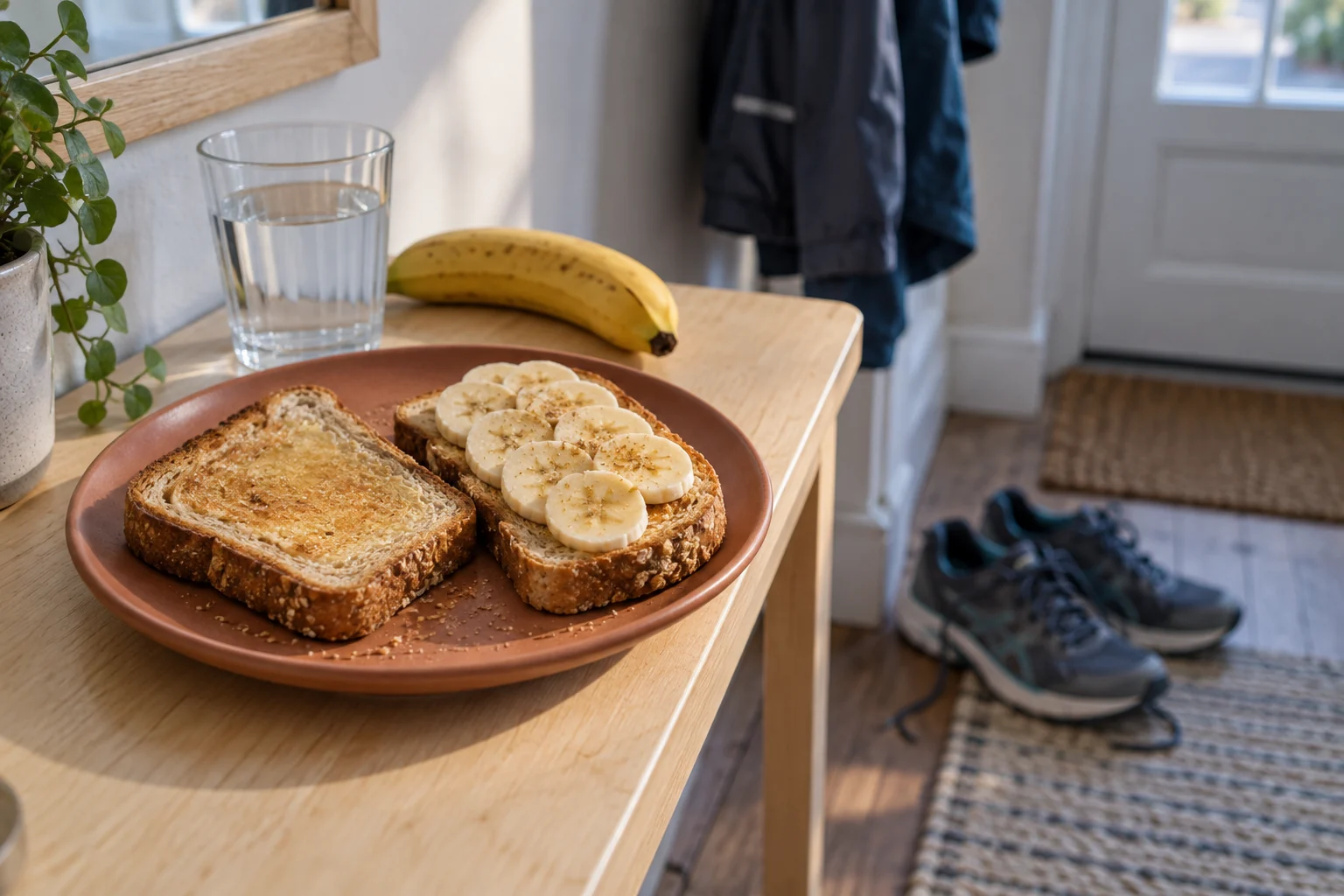
If you want to run soon after getting up, think about a small, familiar option rather than trying to fit a full breakfast into a few minutes. A piece of toast or part of a banana may be practical choices to try on an easy day.
These are examples, not prescribed portions or a promise of comfort. You might prefer to change the run time so you can eat first, shorten the session, or plan breakfast for your return. Your own medical needs take priority over a general running article.
Prepare the decision the night before. Set out what you need and check that there is food for afterwards too. A rushed morning is easier when it does not also involve discovering that the bread has run out.
Test the routine on ordinary days
Avoid making your first attempt at a new breakfast on race day. An ordinary training day gives you more room to change your mind, stay closer to home or stop if you feel unwell.
A simple note can help: what you ate, when you ate it, what the session involved and whether you felt comfortable. You do not need to record calories or turn every run into an experiment. Look for practical patterns, such as a particular meal feeling too large when eaten close to departure.
Try changing one thing at a time. If you alter the food, timing, route and pace together, it is difficult to know which change made the difference.
Think about drinks as part of the plan
Have drinking water available and consider the weather, route and access to refills. NHS hydration advice notes that activity and heat can increase fluid needs.
Avoid treating a very large drink immediately before departure as a substitute for drinking regularly. Equally, do not copy another runner's precise fluid quantity without accounting for your circumstances. Longer events need a more considered plan for food and fluids than a short local route.
Keep fruit choices practical
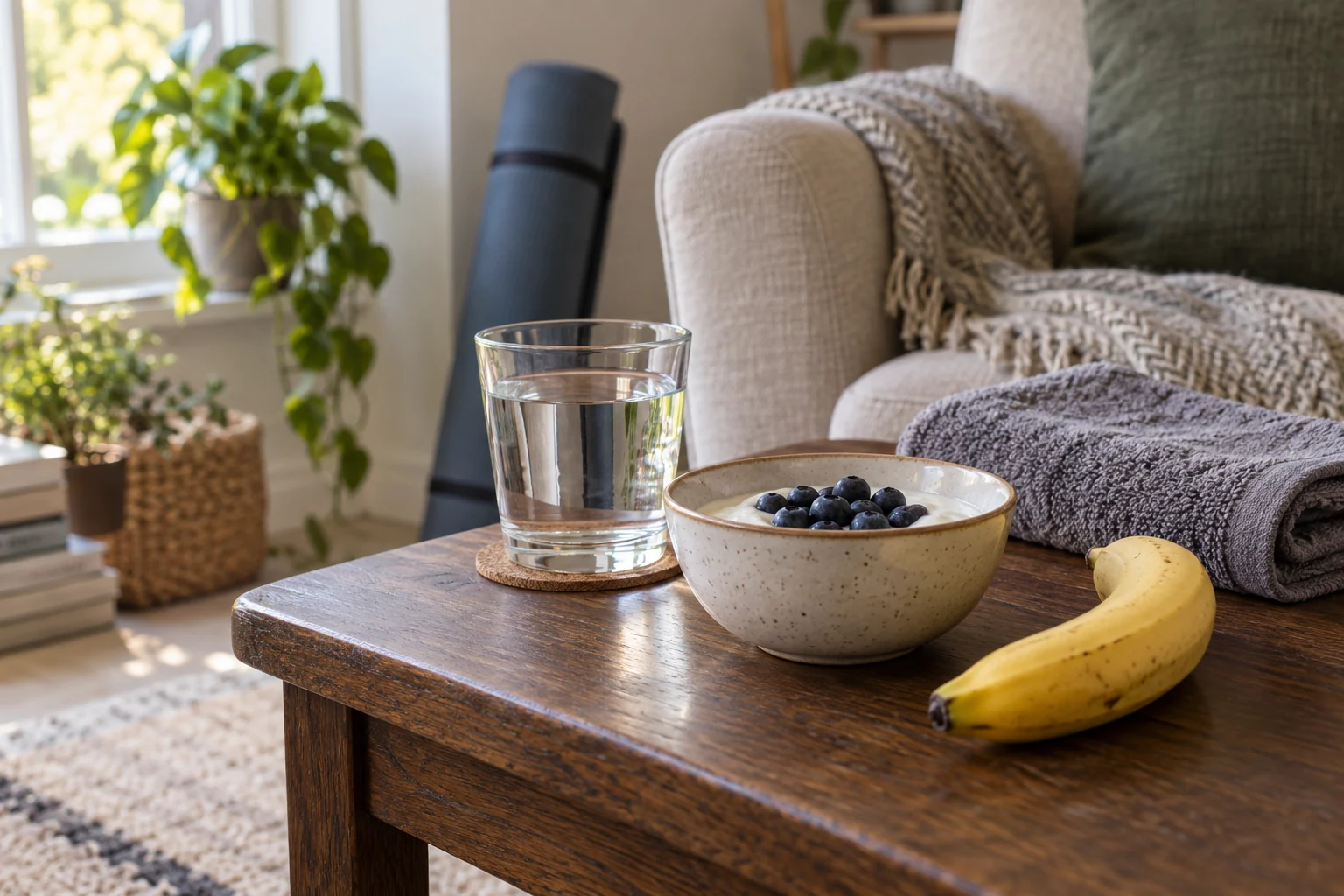
A banana is portable; soft berries may be easier in a breakfast bowl; a whole apple may be more appealing afterwards. Choose for taste, convenience and comfort.
Dried and freeze-dried fruit are different in volume and texture from fresh fruit. Read the serving information rather than assuming a whole pouch is equivalent to one fresh piece. There is no need to select the product with the most impressive front-of-pack claim.
Plan the return as well
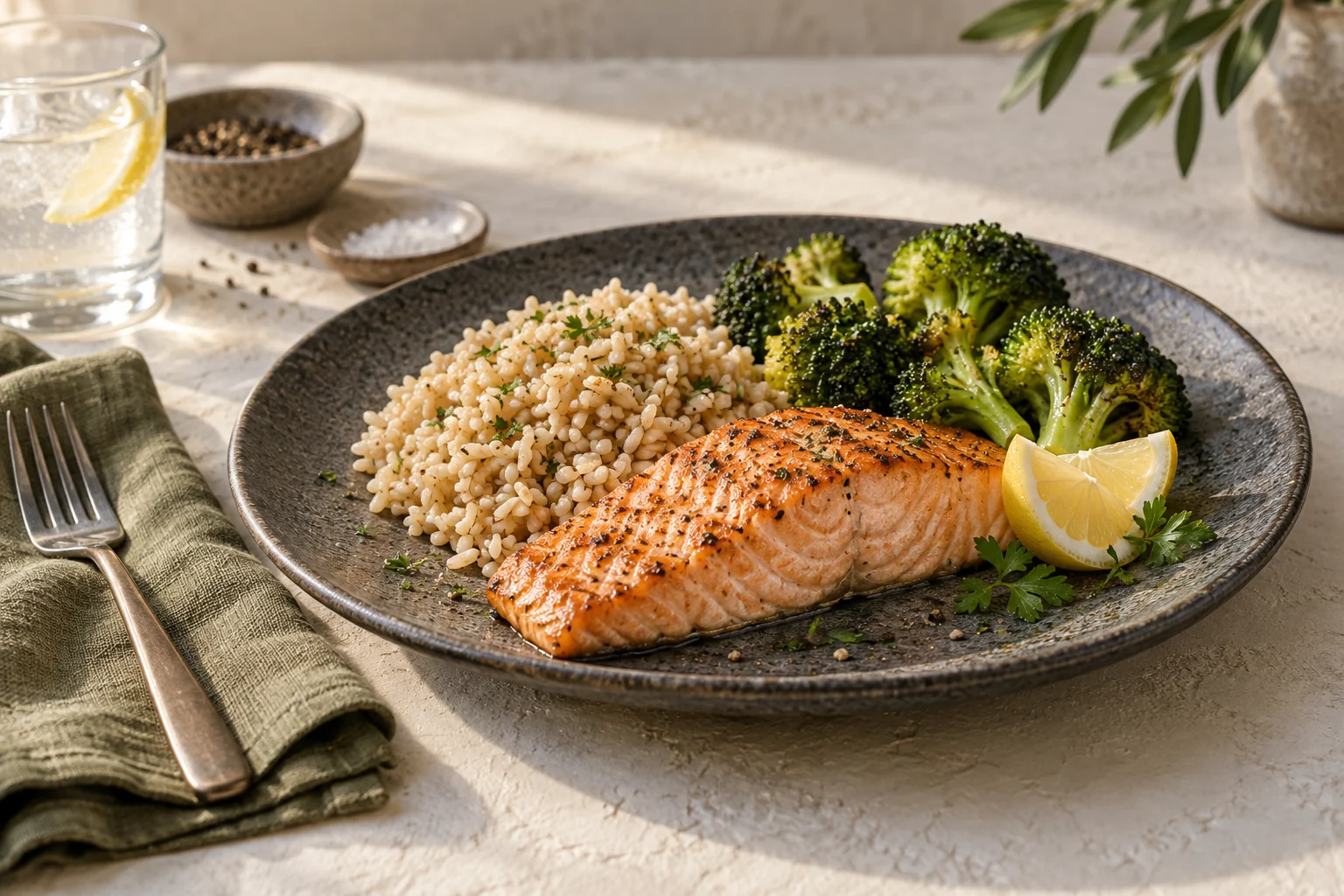
Have an ordinary meal or snack in mind for when you are back. Toast with eggs or beans, yoghurt with cereal, or leftovers for lunch are practical possibilities, depending on the time of day.
You should be able to eat, shower and carry on with your day without a complicated recovery ritual. If training becomes frequent, long or intensive, revisit the whole eating pattern with qualified support. The snack before the run is only one small part of that picture.

Questions about this article or a correction to suggest? Get in touch. Read more about our editorial approach.