
If you want to eat in a way that supports your eyes, the most useful approach is not to hunt for one miracle ingredient. A sensible pattern matters more. Foods that provide vitamin A, omega-3 fats, vitamin C, vitamin E, zinc, and the carotenoids lutein and zeaxanthin all have a place in normal eye function and the maintenance of vision.
That means everyday food for healthy eyes looks fairly familiar. Leafy greens, eggs, oily fish, dairy foods, orange vegetables, beans, nuts, seeds and fruit all contribute something worthwhile. None can promise perfect eyesight or prevent every eye condition, but together they can help cover the nutrients your eyes rely on.
Which nutrients matter most for healthy eyes?
A good place to start is with vitamin A. This is the nutrient most closely associated with normal vision, especially in dim light. It is involved in the function of the retina, and too little can affect how the eye adapts to darkness. In UK diets, vitamin A comes in two main forms. Preformed vitamin A is found in foods such as eggs, cheese and liver. Provitamin A carotenoids, especially beta-carotene, come from vegetables such as carrots, sweet potatoes, butternut squash and spinach, and the body can convert some of this into vitamin A.
Lutein and zeaxanthin are also worth attention. These are carotenoids found in the retina, particularly in the macula, the part of the eye responsible for detailed central vision. They are often discussed in relation to protection from oxidative stress and light exposure. The evidence around them is strongest when they are considered as part of an overall diet rich in vegetables and other nutrient-dense foods, rather than as isolated ingredients added to a product for marketing.
Omega-3 fats, particularly DHA, matter because the retina contains a high concentration of this fat. Oily fish is the main dietary source. There is also some interest in omega-3 intake for dry eye symptoms in some people, although results across studies are not entirely consistent. Even so, oily fish remains a practical choice because it contributes to overall diet quality as well as eye nutrition.
Vitamin C and vitamin E are antioxidants, and zinc helps support vitamin A metabolism and normal vision. These nutrients turn up repeatedly in discussions of eye health because they help protect cells from oxidative damage and support normal physiological processes. Citrus fruit, berries, peppers and potatoes contribute vitamin C. Nuts, seeds and vegetable oils provide vitamin E. Zinc is found in meat, shellfish, dairy foods, beans and wholegrains.
It is also worth mentioning riboflavin, found in milk, yoghurt, eggs and fortified breakfast cereals, because it contributes to the maintenance of normal vision. In the UK, fortified cereals can make a useful contribution here, though labels matter because products vary widely in sugar, salt and fibre. If you want a practical way to compare staples, our guide on using food labels to improve everyday breakfast and lunch choices is a good place to start.
The broad picture is simple. The strongest evidence does not point to one superfood. It points to a varied diet that regularly includes vegetables, fruit, healthy fats, protein foods and a mix of minimally processed staples.
What foods are worth putting on the plate?
For breakfast, eggs are one of the easiest options. They provide vitamin A, lutein, zeaxanthin and riboflavin. Scrambled eggs on wholemeal toast, a boiled egg with grilled tomatoes, or an omelette with spinach are all realistic weekday meals. Fortified breakfast cereals can also contribute vitamins and minerals, especially when served with milk or fortified plant alternatives, but they are worth checking for fibre and sugar rather than assuming every cereal marketed as healthy is much use nutritionally.
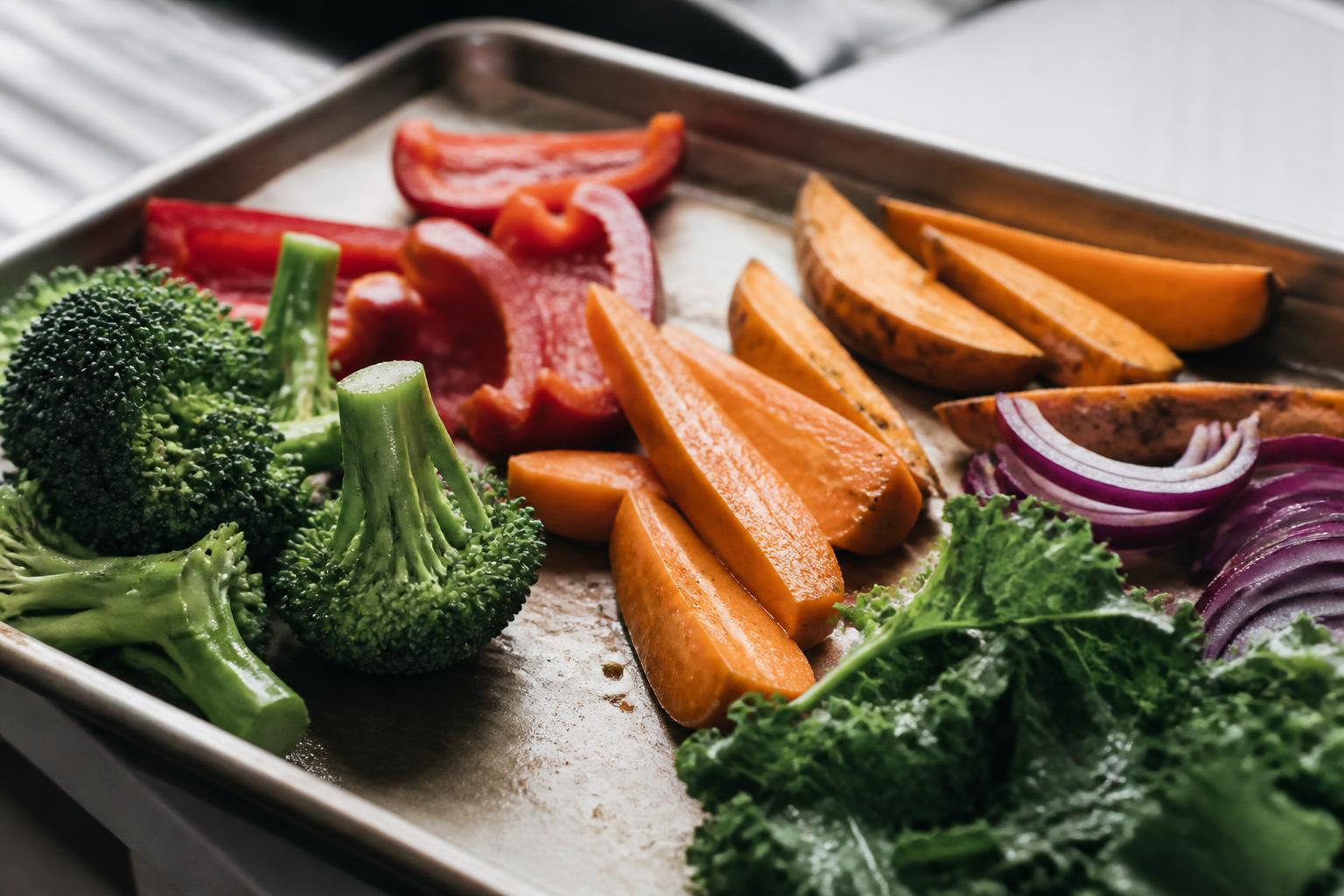
At lunch, leafy greens earn their place because they are among the best food sources of lutein and zeaxanthin. That does not have to mean a large salad. Spinach stirred into soup, watercress in a sandwich, kale added to a bean stew, or frozen peas alongside a jacket potato all count. Orange and red vegetables are useful too. Carrots, sweet potatoes and red peppers are easy sources of carotenoids and vitamin C.
For evening meals, oily fish is one of the most practical foods for healthy eyes. Salmon, sardines, mackerel, herring and trout all provide omega-3 fats, and tinned versions can be affordable cupboard staples. Sardines on toast, mackerel with new potatoes, or salmon with frozen vegetables are straightforward ways to include them. In the UK, the standard public health advice is to aim for at least two portions of fish a week, one of them oily. That is UK guidance, and while broad advice is similar elsewhere in Europe, details can differ by country.
Beans, lentils and chickpeas deserve more credit in this area than they usually get. They provide zinc, and often some iron, while helping build meals around fibre and steady energy. A chickpea curry with spinach, lentil soup with carrots, or beans on wholemeal toast can all support a generally eye-friendly eating pattern without relying on expensive ingredients.
Fruit helps too, especially citrus, kiwi, berries and melon for vitamin C. A clementine with lunch, berries on porridge, or a sliced kiwi with yoghurt is enough to make a useful contribution. Nuts and seeds, especially almonds and sunflower seeds, add vitamin E and healthy fats. A small handful as a snack, or sprinkled over porridge or salad, is an easy habit rather than a dramatic dietary overhaul.
Cupboard foods matter because they are what make consistency possible. Tinned tomatoes, frozen spinach, frozen mixed vegetables, tinned salmon, beans, lentils, wholegrain crackers and peanut butter can all help you build better meals quickly. If you are trying to make changes without turning every shop into a research project, our guide to healthy food swaps that suit ordinary UK eating can help keep it practical.
How do leafy greens, oily fish and eggs fit in?
These three foods come up so often because each covers a different part of the nutritional picture.
Leafy greens are repeatedly mentioned because they are among the richest dietary sources of lutein and zeaxanthin. Spinach, kale, spring greens and watercress are especially useful. These compounds accumulate in the eye, which is why they attract so much attention in eye-health advice. Greens also tend to bring folate, vitamin C and, depending on the variety, some beta-carotene. You do not need huge portions. Regular inclusion matters more than forcing down bowls of leaves you do not enjoy.
Oily fish is prominent because of its omega-3 content, particularly DHA and EPA. DHA is structurally important in the retina, and oily fish is the most direct food source. If you eat fish, this is one of the clearest ways to support that side of eye nutrition. Tinned sardines and mackerel are often better value than fresh fillets and are useful if you want something that keeps in the cupboard.
Eggs are often discussed because they provide several eye-related nutrients in one familiar food. They contain lutein and zeaxanthin, as well as vitamin A and riboflavin. The fat in the yolk may also help with absorption of these carotenoids. Eggs are especially useful for people who do not eat fish regularly, because they still offer a practical route to some of the nutrients associated with normal vision, even though they do not replace oily fish for omega-3 intake unless you are specifically buying omega-3 enriched eggs.
It is the combination that matters. A meal of grilled mackerel, potatoes and greens covers different nutritional bases more effectively than chasing one fortified snack bar that claims to support eye health. The same is true of simpler meals, such as an egg sandwich with watercress and red pepper, or lentil soup with spinach and a side of fruit.
Can diet lower the risk of age-related eye problems?
Diet may help support long-term eye health, but it is important to be clear about what that means. A nutritious diet is associated with better overall health, and some nutrients have been studied in relation to age-related eye conditions, especially age-related macular degeneration and cataracts. That does not mean food can guarantee prevention.
The evidence is strongest for broad dietary patterns rather than single foods. Diets rich in vegetables, fruit, fish, nuts and legumes appear more supportive than patterns built around highly processed foods with little nutritional value. Antioxidants and carotenoids are of interest because oxidative stress is thought to play a role in age-related damage. Omega-3 fats have also been studied for their possible role in retinal health.
There is some evidence for specific supplement formulations in people with certain stages of age-related macular degeneration, but that is not the same as saying everyone should self-prescribe supplements. Those products are used in particular clinical contexts, and they are not a substitute for a balanced diet. They also do not replace sight tests, medical advice or treatment.
For dry eye symptoms, diet may help some people, particularly where omega-3 intake is low, but dry eye can have many causes, including screen habits, environment, medications and underlying health conditions. If symptoms persist, food alone is not enough.
The sensible message is this. Eating well may help support the structures and functions your eyes depend on, and it may contribute to lower long-term risk as part of a healthy lifestyle. But it cannot promise that you will avoid cataracts, macular degeneration, glaucoma or other problems. Regular eye tests still matter, especially with age, family history, diabetes, high blood pressure, or any change in vision.
How can you build an eye-friendly diet without overthinking it?
The easiest way is to stop treating eye health as a separate special diet. Build meals in the same way you would for general health, then make a few choices that happen to favour eye-supporting nutrients.
Start with vegetables you will actually eat. Aim to include one green or orange vegetable in at least one main meal most days. That could be peas with fish fingers, roasted carrots with a chicken traybake, spinach stirred into pasta sauce, or a bag of mixed frozen vegetables added to a curry. Frozen options are often cheaper, keep well and are nutritionally useful.
Include fish if you eat it, but keep it realistic. Tinned sardines, salmon or mackerel are often easier than planning around fresh fish. A sandwich filling, pasta topping or jacket potato topping is enough. If you do not eat fish, focus on eggs, nuts, seeds and a generally varied diet. Plant sources such as walnuts, chia and flax provide ALA omega-3, though conversion to DHA is limited, so variety matters.
Use eggs as a flexible staple. They work at breakfast, lunch or dinner, and they pair well with greens and wholegrains. A spinach omelette, egg fried rice with peas, or poached eggs on toast with grilled tomatoes all fit ordinary UK routines.
Keep fruit visible and easy to use. Citrus fruit, berries and kiwi are useful, but so are apples and bananas if they help you eat fruit more regularly overall. Nutritional perfection is less important than consistency.
For snacks, think nuts, seeds, yoghurt, fruit, or wholegrain crackers with hummus rather than relying entirely on products marketed as functional health foods. Marketing often makes eye health sound more complicated than it is. In practice, the basics still do most of the work.
Budget matters, so lean on affordable staples. Frozen spinach, carrots, eggs, milk, tinned fish, beans, lentils, porridge oats and peanut butter all offer good value. You do not need exotic powders or premium supplements to eat in a way that supports your eyes. If you are trying to improve your overall pattern one step at a time, our advice on starting to eat more healthily without changing everything at once fits well here.
Finally, remember that food for healthy eyes is part of a wider picture. Smoking, blood pressure, diabetes management, UV protection and regular sight tests all matter. Diet helps most when it is steady, varied and ordinary enough to keep up. That is good news, because the foods that support your eyes are largely the same foods that support the rest of you too.

Questions about this article or a correction to suggest? Get in touch. Read more about our editorial approach.