If you want meals that genuinely support heart health, the basics are not exotic. The most useful pattern is built around vegetables, fruit, beans and lentils, wholegrains, nuts, seeds and fish, with most fats coming from oils such as rapeseed or olive rather than from butter, fatty meats or pastry. Just as important, it helps to keep an eye on salt, saturated fat and the easy drift into snack-heavy eating that crowds out better options.
That means a food healthy for heart support is usually one that brings something useful to the plate, such as fibre, unsaturated fats or less salt, rather than simply carrying a healthy-sounding claim. In everyday UK meals, the best results usually come from how foods work together across the day, not from one supposedly perfect ingredient.
What makes a food supportive of heart health?
When we talk about heart-friendly eating, four things matter most. Fibre, the type of fat in the diet, the amount of salt, and the overall eating pattern.
Fibre matters because it helps with cholesterol management, fullness and the general quality of the diet. Foods naturally rich in fibre, such as oats, beans, lentils, vegetables, fruit and wholegrains, tend to displace less useful options. In the UK, many adults do not get enough fibre, so building it into ordinary meals is one of the most practical changes we can make.
Fat quality matters more than simply chasing the lowest fat number on a packet. Unsaturated fats, including those found in nuts, seeds, oily fish, olive oil and rapeseed oil, are generally a better fit for heart health than diets high in saturated fat from butter, cream, fatty cuts of meat, pastries and many confectionery-heavy snacks. This does not mean every low-fat product is a good choice, or that every higher-fat food is a poor one. A handful of walnuts and a bag of crisps may both contain fat, but they are not doing the same job nutritionally.
Salt matters because high salt intake is linked with raised blood pressure, and blood pressure is one of the clearest cardiovascular risk factors. In the UK, much of the salt we eat comes from packaged foods, bread, sauces, processed meats, ready meals and takeaway patterns, not just from the salt cellar. That is why label reading can be more useful than simply trying not to add salt at the table.
Then there is the overall pattern. A meal of grilled salmon, potatoes and peas is not cancelled out by a square of chocolate afterwards, and a breakfast biscuit with a vitamin claim does not become heart-protective because the front of the pack says wholegrain. Looking at the whole day usually tells us more than fixating on one food. A supportive pattern is varied, mostly based on minimally processed staples, and realistic enough to repeat.
Which foods are most useful to build meals around?
The most useful foods are the ones that make ordinary meals better without making life harder.
Vegetables are at the top of that list. Frozen, fresh and tinned all count, provided tinned options are not heavily salted or packed in sugary sauces. Vegetables bring fibre, potassium and bulk to meals, which can help shift the balance of the plate without much effort. Keeping frozen peas, spinach, mixed vegetables or stir-fry mixes on hand makes it easier to add them to pasta sauces, curries, soups and quick dinners.
Fruit is another reliable staple. It is useful not because it is magically cleansing, but because it is a practical swap for less filling, more snackable foods. Bananas with porridge, berries on yoghurt, apples with peanut butter, or fruit packed into a lunchbox all help increase fibre and nutrient intake in a very ordinary way.
Pulses, including beans, chickpeas and lentils, deserve much more space in UK kitchens than they usually get. They are rich in fibre, often provide protein, and work well in soups, chillies, curries, stews and salads. Tinned lentils or beans can turn a thin meal into a more satisfying one in minutes. They also help reduce reliance on processed meats, which often bring more salt and saturated fat.
Wholegrains are worth building around because they can lift fibre intake without requiring a complete rethink. Oats, wholewheat pasta, brown rice, seeded bread, wholegrain breakfast cereals and grainy crackers can all help. Not every wholegrain product is automatically ideal, because some still contain a lot of sugar or salt, but they are often a better base than heavily refined alternatives. If breakfast is a weak point, our guide on using food labels to add more fibre at breakfast and lunch can help you compare options properly.
Nuts and seeds are useful in small amounts. They bring unsaturated fats, and they are easy to use in breakfasts, salads and snacks. A spoonful of ground flaxseed in porridge, a handful of unsalted almonds, or pumpkin seeds over soup can improve the nutritional balance of a meal without turning it into a project. Unsalted versions are usually the better everyday choice.
Oily fish, such as salmon, sardines, mackerel and trout, also has a place here. It provides omega-3 fats and can be a practical protein option if you enjoy it. Tinned sardines or mackerel are often more realistic for weekday lunches than fresh fillets. Fish is useful, but it is not mandatory. A heart-supportive diet can still be built well with beans, lentils, nuts, seeds and wholegrains if fish is not part of your routine.
Which foods are worth limiting rather than fearing?
It helps to think in terms of frequency, portions and patterns rather than good foods and bad foods.
Foods high in salt are worth watching because salt adds up quickly across the day. This includes processed meats, many ready meals, instant noodles, packet soups, takeaway pizzas, some breakfast cereals, flavoured rice packs, sauces and savoury snacks. None of these needs to be banned. The question is whether they are occasional conveniences or the backbone of the week.
The same goes for foods high in saturated fat. Pastries, pies, sausages, bacon, burgers, biscuits, cakes, chocolate-heavy snacks, cream and large amounts of cheese can all fit in a normal diet, but if they dominate lunches, snacks and convenience dinners, they can crowd out foods that do more for heart health. Swapping some of these for options based on pulses, fish, nuts or unsaturated oils is often more effective than trying to eliminate them entirely.
Ultra-processed snack patterns are worth noticing too. This is less about one ingredient list and more about habits. If a day is built around cereal bars, crisps, sweetened drinks, biscuits and grab-and-go pastries, the issue is not moral failure. It is that these foods often deliver a lot of salt, saturated fat or sugar while contributing little fibre and not much staying power. Hunger comes back quickly, and better meal choices get pushed aside.
That is why we find it more useful to ask, what is this food replacing? A microwave macaroni cheese is not the nutritional equal of a bean chilli with brown rice, but it may still be a more realistic choice than a takeaway if time is tight. Limiting is about steering the pattern, not chasing perfection.
How can you make everyday UK meals more heart-friendly?
This is where theory either becomes useful or gets ignored. The good news is that most improvements are simple swaps and additions.
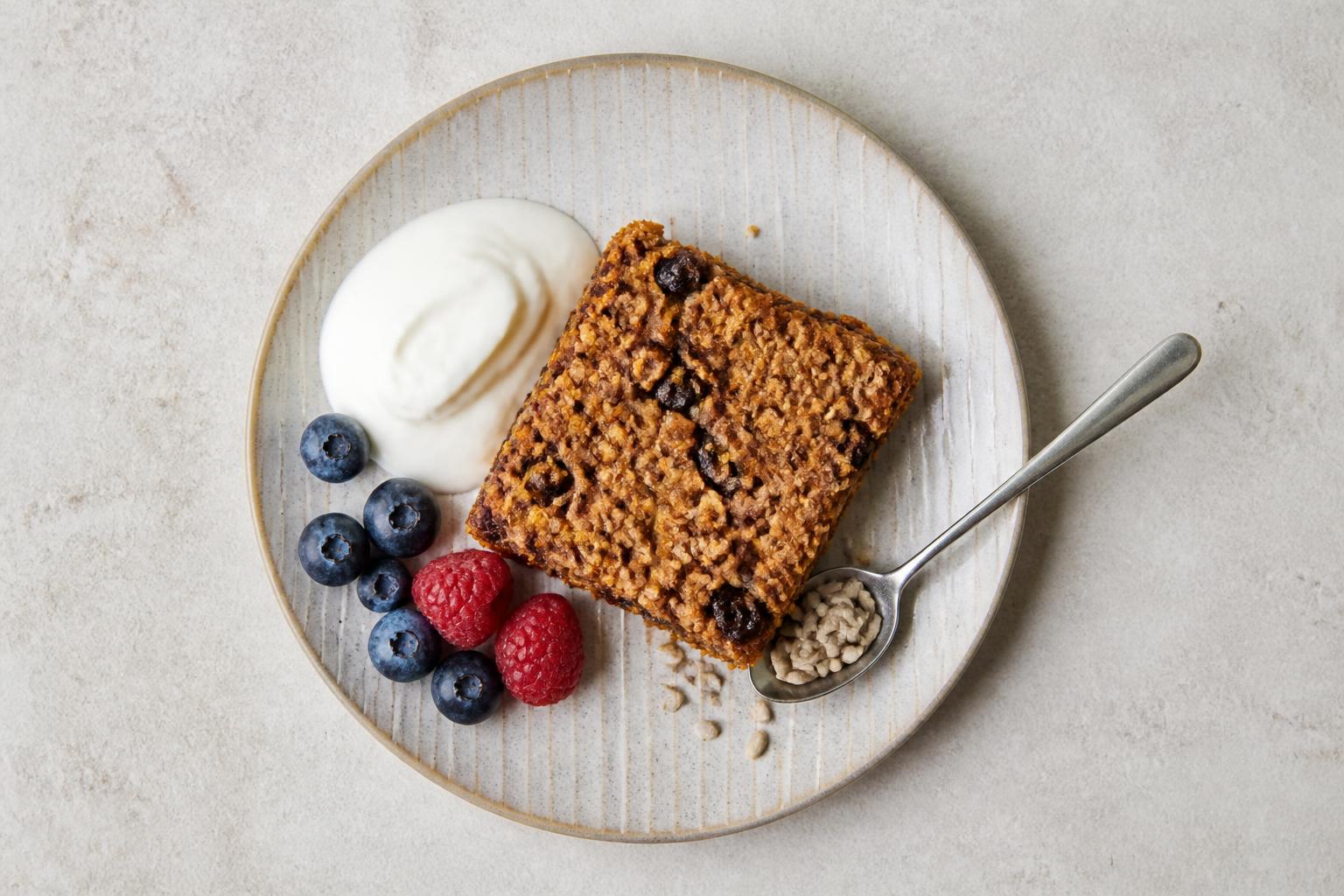
At breakfast, porridge made with milk or fortified unsweetened soya drink, topped with fruit and seeds, is one of the easiest upgrades. If you prefer toast, choose a higher-fibre loaf and add peanut butter, eggs, or mashed beans rather than relying only on butter and jam. For cereal, compare labels and choose one with decent fibre and less salt, then add fruit or yoghurt. A cooked breakfast can still work if it shifts away from frequent bacon and sausages towards beans, mushrooms, tomatoes and wholemeal toast.
For packed lunches, think base, protein, produce and crunch. A wholemeal wrap with hummus, chicken and salad works well. So does a lentil soup with seeded bread, or a grain bowl with chickpeas, roasted vegetables and a yoghurt dressing. Tinned fish on wholegrain crackers, a bean salad, or leftover vegetable curry can all be practical. If meal deals are part of the week, look for sandwiches with more vegetables and less processed meat, and consider swapping crisps for fruit, nuts or a yoghurt.
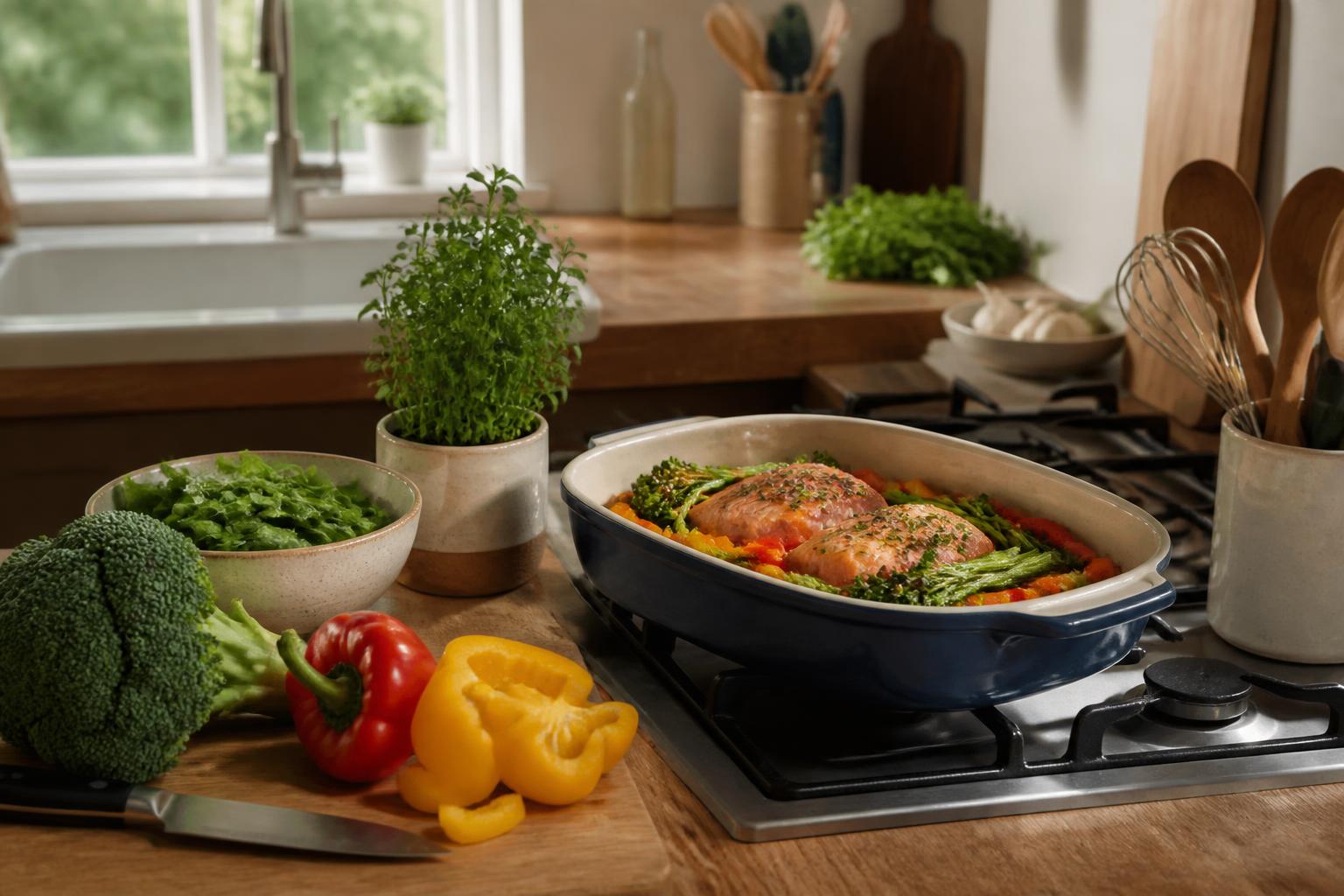
At dinner, small changes go a long way. Bulk out spaghetti bolognese with lentils and extra vegetables. Use rapeseed or olive oil instead of butter for cooking. Choose jacket potatoes with beans and salad over chips and cheese as a regular standby. Make curry with chickpeas or fish and add spinach. Turn a roast into a more balanced meal by loading up vegetables, keeping gravy and salty sides sensible, and not making processed meat leftovers the default for days afterwards.
Convenience choices matter because they are often where salt and saturated fat climb. When buying soups, ready meals, pasta sauces, baked goods or frozen foods, compare labels rather than relying on front-of-pack halo words. A tomato and lentil soup may be a much stronger choice than a creamy soup, but only if the salt is reasonable. A fish pie may be better than a pepperoni pizza in one brand and worse in another. This is where label literacy pays off.
If you want more ideas that fit real schedules, our pieces on healthy eating ideas that work on ordinary UK days and healthy meals you can cook without overthinking it go further into practical combinations.
How to read labels when choosing food for heart health?
UK labels are useful, but only if we use the right parts of them.
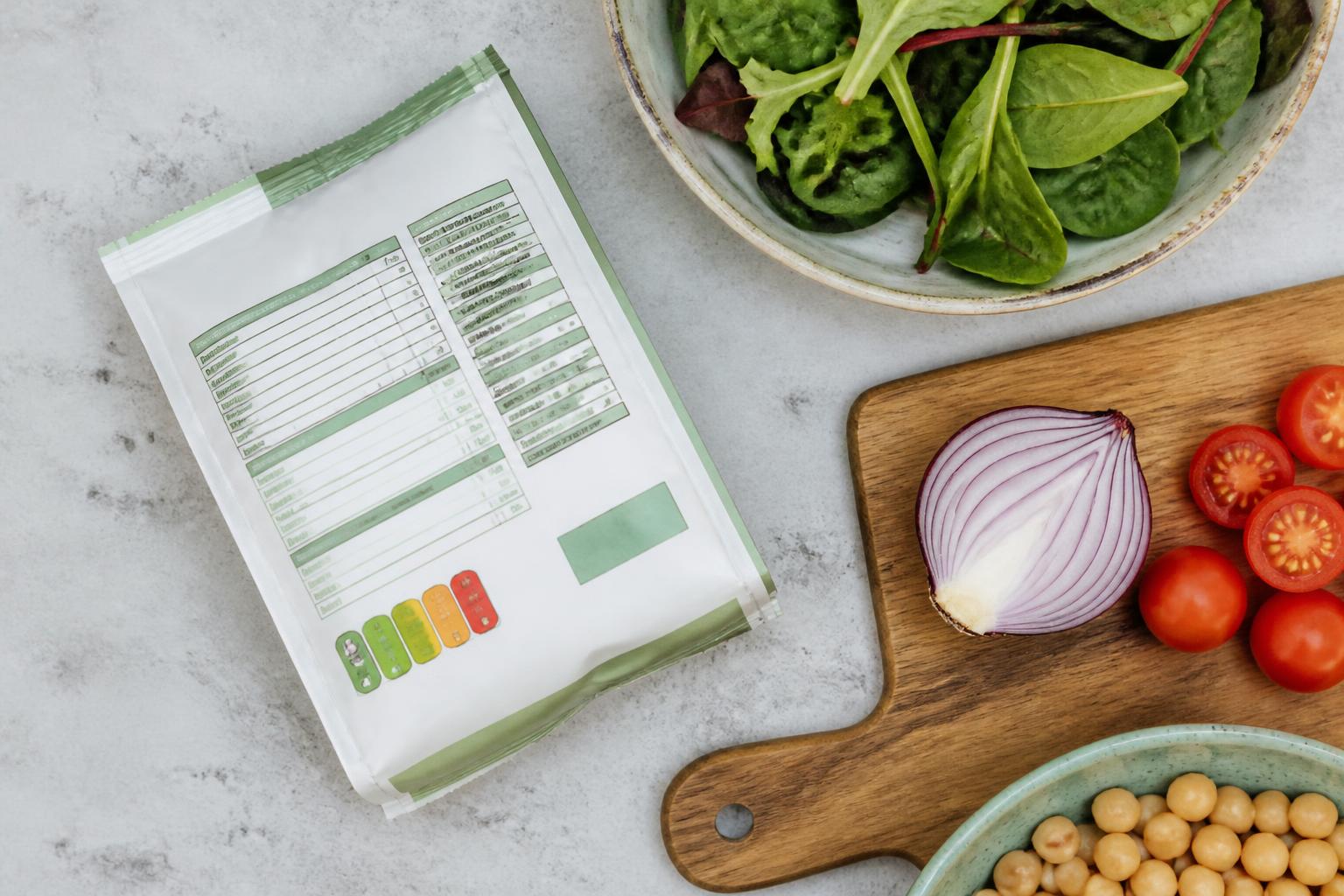
Start with the nutrition table per 100g or per 100ml. This is usually the fairest way to compare similar products, because portion sizes on packs can be unrealistically small. For heart health, the most useful lines to compare are salt, saturated fat and fibre. If you are choosing between two breads, soups or cereals, the per 100g figures will usually tell you more than the marketing on the front.
Front-of-pack traffic light labels can help with quick comparisons in the UK, especially for salt and saturated fat. They are not perfect, but they are practical. One important point is that this system is specific to the UK approach and is not identical across the EU generally, where front-of-pack formats vary by country and product. If you shop in imported food sections or travel often, do not assume the front of the pack will work the same way everywhere.
For salt, lower is generally better when comparing similar foods you eat often, such as bread, soups, sauces and ready meals. For saturated fat, the same principle applies, especially in products where there are easy alternatives. Fibre is the positive number worth seeking out, particularly in cereals, breads, crackers and lunch staples.
Ingredients lists also matter. They can tell you whether a brown-looking loaf is actually mostly refined flour, whether a yoghurt is full of added cream, or whether beans are sitting in a sugary, salty sauce. But ingredients lists do not tell you everything. They will not reveal, at a glance, whether one soup is meaningfully lower in salt than another. For that, you need the nutrition panel.
Be careful with claims such as source of fibre, natural, protein packed or made with wholegrains. They can be true and still distract from high salt or saturated fat. A granola can contain oats and nuts and still be less useful than a plain porridge oat base with fruit added at home. Our guide on comparing food labels properly by per 100g or per portion explains where shoppers often get tripped up.
What the evidence can and cannot tell you
Nutrition evidence is good at showing patterns, and much weaker at proving that one single food guarantees protection.
We can say with confidence that diets built around fibre-rich plant foods, unsaturated fats and sensible salt intake are associated with better heart health outcomes than diets dominated by salty, heavily processed, saturated fat-heavy foods. We can also say that replacing one type of food with another matters. Swapping butter for rapeseed oil, or processed meat for beans, fish or lentils, is more informative than asking whether one isolated food is healthy in the abstract.
What the evidence cannot do is promise that eating blueberries, oats or salmon will cancel out smoking, inactivity, unmanaged high blood pressure or a strong family history. It also cannot reduce heart health to one superfood, one supplement or one perfect meal plan. People respond differently, and health risk is shaped by the whole picture.
That is why we are careful not to oversell any single ingredient as a food healthy for heart protection all by itself. A bowl of porridge can be a very good breakfast. It is not a shield. A takeaway can fit into a balanced week. It is not automatically harmless because it contains vegetables. Real life is more mixed than headlines suggest.
If you have high blood pressure, raised cholesterol, diabetes, kidney disease, a history of cardiovascular disease, or you have been told to follow a medically specific diet, personal advice matters more than general food reading. In those cases, NHS guidance and your GP, practice nurse or dietitian should take priority over broad lifestyle articles. For everyone else, the most useful approach is still the least glamorous one, build meals around fibre-rich staples, improve fat quality, watch salt, and make changes you can actually repeat next week.

Questions about this article or a correction to suggest? Get in touch. Read more about our editorial approach.