Spanish food can fit everyday healthy eating very well, but it depends on which parts of the cuisine we mean. The strongest choices are usually the simplest ones, beans, lentils, chickpeas, vegetables, fish, olive oil, nuts, fruit and grain-based dishes that are not overloaded with salt, meat or rich sauces. In other words, healthy Spanish food is often closer to home cooking than to the big tapas spread or holiday restaurant meal many UK readers picture first.
That distinction matters. A traditional Spanish way of eating can include balanced ingredients and straightforward cooking, but packaged snacks, cured meats, pastries and deep-fried dishes are just as Spanish as a lentil stew or a tomato salad. If you want to bring more healthy Spanish food into ordinary UK meals, the useful question is not whether a dish is “authentic”, but how it is built, how often you eat it, and what the label or portion size tells you.
What counts as healthy Spanish food?
Healthy Spanish food is not one single menu. It is a pattern built around ingredients and meal habits that can support a balanced diet when they are used well. In practical terms, that usually means vegetables appearing often, pulses used regularly, fish in sensible portions, olive oil instead of butter or cream-heavy fats, nuts as part of meals or snacks, and fruit as an ordinary everyday food rather than an afterthought.
It also helps to separate three different ideas that often get blurred together.
First, there are traditional ingredients. Spain has a strong base of tomatoes, peppers, aubergines, onions, garlic, chickpeas, lentils, beans, rice, potatoes, olive oil, almonds, citrus fruit and seafood. On their own, many of these ingredients sit comfortably in a healthy eating pattern.
Second, there are meal patterns. A Spanish-style day of eating often includes a light breakfast, a more substantial lunch, and a later evening meal, with simple dishes built from a few ingredients. That is different from treating Spanish food as a series of snack plates, cured meats and drinks. The pattern can matter as much as the dish.
Third, there are restaurant expectations. In the UK, “Spanish food” often means tapas menus, croquetas, patatas bravas, aioli, chorizo, manchego, fried seafood and desserts. Those foods can be enjoyable, but they are not the full picture, and they are not always the strongest everyday choices. A tapas meal can easily become high in salt, oil and calories simply because several rich dishes arrive at once and portions add up before you notice.
So when we talk about healthy Spanish food, we mean Spanish ingredients and dishes that work well as regular meals, not the most indulgent version of the cuisine.
Which Spanish foods are usually the strongest everyday choices?
The best everyday choices are usually the least complicated.
Pulses are near the top of the list. Lentils, chickpeas and beans appear in many Spanish dishes and are useful in UK kitchens because they are affordable, filling and easy to keep on hand. A lentil stew with vegetables, a chickpea and spinach dish, or a bean-based soup gives you fibre and plant protein without relying on processed meat.
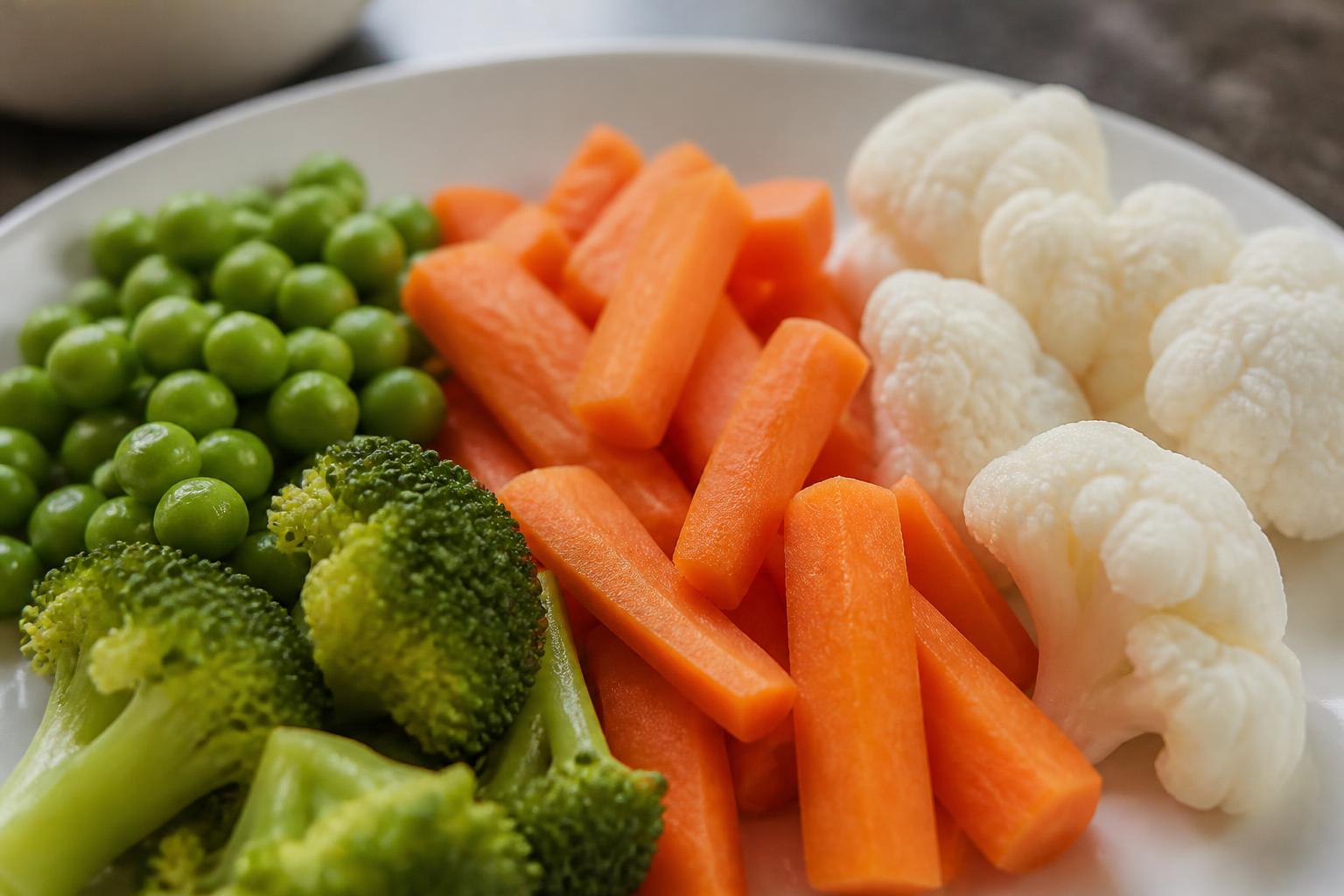
Vegetables are another strong foundation. Spanish cooking often uses vegetables in ways that are easy to repeat at home, grilled peppers, tomato-based sauces, sautéed greens, vegetable soups and mixed salads dressed with olive oil. These are practical, everyday formats rather than special occasion foods. If half the plate is made up of vegetables or salad, a Spanish-style meal usually becomes easier to balance.
Fish and seafood can also be excellent choices, especially when grilled, baked or stewed rather than battered and fried. Oily fish such as sardines are a particularly good example. Tinned fish can work too, provided you check the label for salt and the type of oil used. Tuna, sardines and mackerel in olive oil or spring water can be useful cupboard staples for quick lunches.
Olive oil deserves its place, but with proportion. It is central to many Spanish dishes and can be a sensible cooking fat or dressing. It does not need to be poured freely to count as Mediterranean. A measured amount on vegetables, salad, fish or beans is enough to give flavour and keep the meal in the Spanish style.
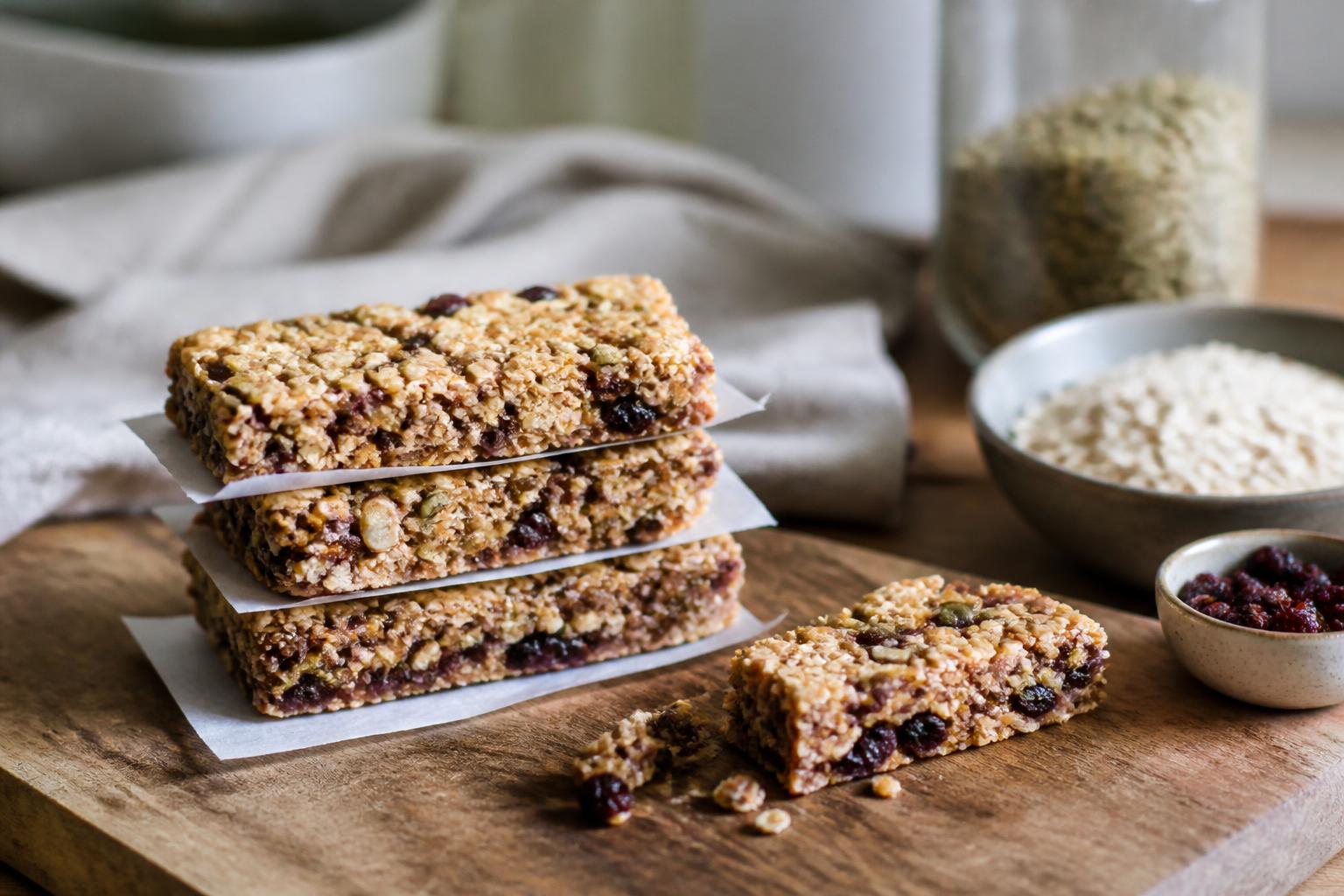
Nuts, especially almonds, are another practical option. A small handful can be a useful snack, or they can be added to salads and grain dishes for texture. The main point is portion size. Nuts are nutrient-dense, but still easy to overeat when they come salted or in large bowls.
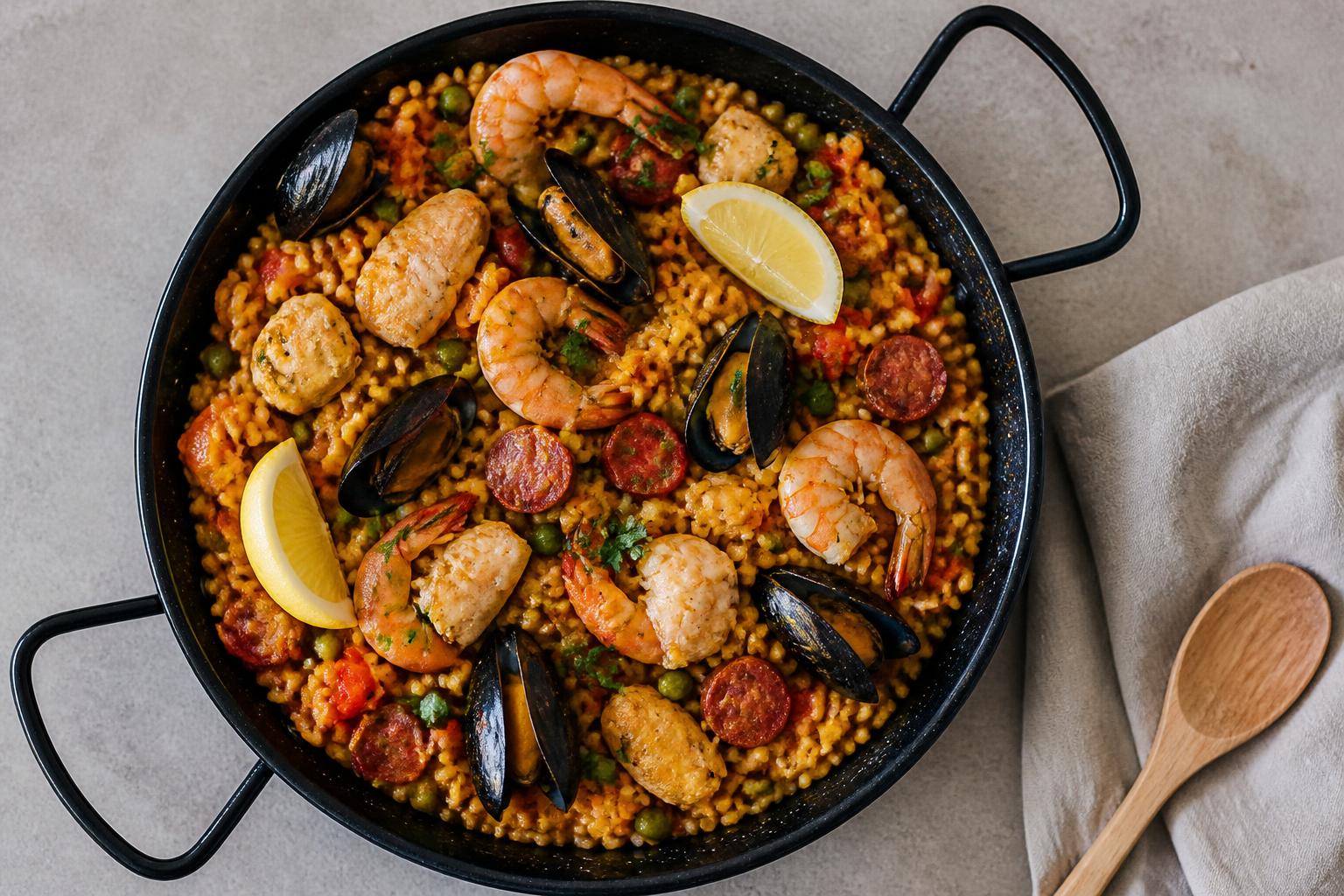
Simple grain and potato dishes can also work well. Rice with vegetables and beans, modest portions of potatoes with fish, or wholegrain bread alongside soup can all fit. The balance matters more than the ingredient itself. A rice dish heavy on vegetables and pulses is different from a pan dominated by processed meat and oil.
Yoghurt, fruit and tomato-based dishes are worth mentioning too. A breakfast of natural yoghurt with fruit and nuts is not uniquely Spanish, but it fits the same straightforward approach. Pan con tomate can also be a sensible light meal or breakfast if the bread portion is realistic and it is paired with something more substantial, such as eggs or yoghurt, when needed.
For readers trying to build better routines rather than chase perfect meals, our guide to healthy eating plans that fit ordinary UK routines is a useful next step.
Where do Spanish dishes become less healthy?
The pressure points are usually easy to spot once you know where to look.
Salt is one of the main ones. Cured meats such as jamón, chorizo and salchichón can bring a lot of flavour, but they can also push salt intake up quickly. The same goes for olives, anchovies, salted nuts, stock cubes, tinned sauces and some cheeses. A dish does not have to taste obviously salty to contain a lot of salt.
In the UK, packaged foods must show salt on the nutrition panel. In much of the EU, labels may present salt as well, but older references and some imported discussions still talk about sodium. If you come across sodium rather than salt, remember they are not the same figure. Salt is higher because it includes the chloride part as well. For UK shoppers, the important point is to compare products using the salt value actually shown on the pack.
Frying is another common issue. Spain has many good fried foods, from croquetas to calamares and fried potatoes. Frying itself is not a moral failure, but it changes an everyday dish into a richer one very quickly, especially when several fried items appear in the same meal. A grilled fish with salad is a very different everyday choice from fried fish, croquettes and potatoes on the same plate.
Processed meats deserve separate attention. Chorizo is often used as a flavouring in stews or rice dishes, but in practice it can become the main event. Using a small amount for flavour is one thing. Building a meal around large portions of processed meat is another. The same applies to bacon-like pork products and heavily cured sausages.
Rich sauces can also shift the balance. Aioli, creamy dressings, cheese sauces and oil-heavy toppings can make a vegetable or seafood dish much less moderate than it first appears. Tomato, pepper and garlic-based sauces are often the lighter route, provided they are not loaded with salt or sugar.
Pastries and sweet bakery items are a further pressure point. Magdalenas, ensaimadas, churros and filled pastries are part of the food culture, but they are treats rather than neutral breakfast staples. If they become a daily habit, they can crowd out more balanced options.
Then there is the tapas problem. Tapas are not automatically unhealthy, but the format encourages accumulation. Bread arrives, olives arrive, ham arrives, then croquettes, potatoes, cheese and fried seafood. Each dish may seem small, yet the total can easily become larger and saltier than a standard meal. Choosing two or three simpler dishes, such as grilled vegetables, beans and fish, usually works better than ordering broadly across the menu.
How can UK readers judge Spanish foods on a label?
If you are buying Spanish ingredients or prepared foods in the UK, treat them like any other packaged food. The front of pack may tell a story about tradition or premium quality, but the nutrition panel tells you what you are actually getting.
Start with the serving size, then check the values per 100g. Per portion figures are useful only if the portion is realistic. Per 100g lets you compare one jar, tin or snack directly with another.
For savoury foods, look first at salt. This is especially important for olives, tinned fish, cured meats, cheeses, soups, stock, sauces and ready-made tortilla. A product can seem simple and traditional while still carrying a lot of salt. If you want a fuller refresher on the basics, see our guide on how to read food labels for everyday healthier choices.
Next, check fat and saturated fat. Olive oil itself is not the same concern as butter or palm-based pastry fats, but some Spanish-style snacks, biscuits and pastries can be high in saturates. For cheese, pastries, croquetas and prepared tapas items, this matters more than it does for a bottle of olive oil.
Then look at sugars, especially in breakfast products, sauces and desserts. Tomato-based cooking sauces may contain more added sugar than you expect. Yoghurt desserts, sweet biscuits and breakfast pastries can also look modest until you read the panel.
Ingredients lists are just as important as the numbers. A jar of roasted peppers with pepper, water, vinegar and salt is a different proposition from a heavily sweetened, thickened or oil-packed version. A simple gazpacho with vegetables, olive oil, vinegar and salt is easier to judge than one with cream, added sugar or a long list of stabilisers.
For olive oil, the label question is less about whether it is “healthy” in the abstract and more about authenticity and intended use. Extra virgin olive oil is the least processed grade and is useful for dressings, drizzling and general cooking. It is still an oil, so the practical point is how much you use.
For tinned fish, compare the fish content, the packing medium and the salt. In spring water is often lighter, in olive oil can still be a good choice if drained, and in sunflower oil may simply be less desirable if you are specifically aiming for a Spanish-style pantry.
Traffic light labels can help, but not every imported product uses the same front-of-pack format. UK-made or UK-packed products are more likely to follow familiar labelling conventions. Imported foods sold here still need the required nutrition information, but the presentation may vary.
How can you build a balanced Spanish-style meal at home?
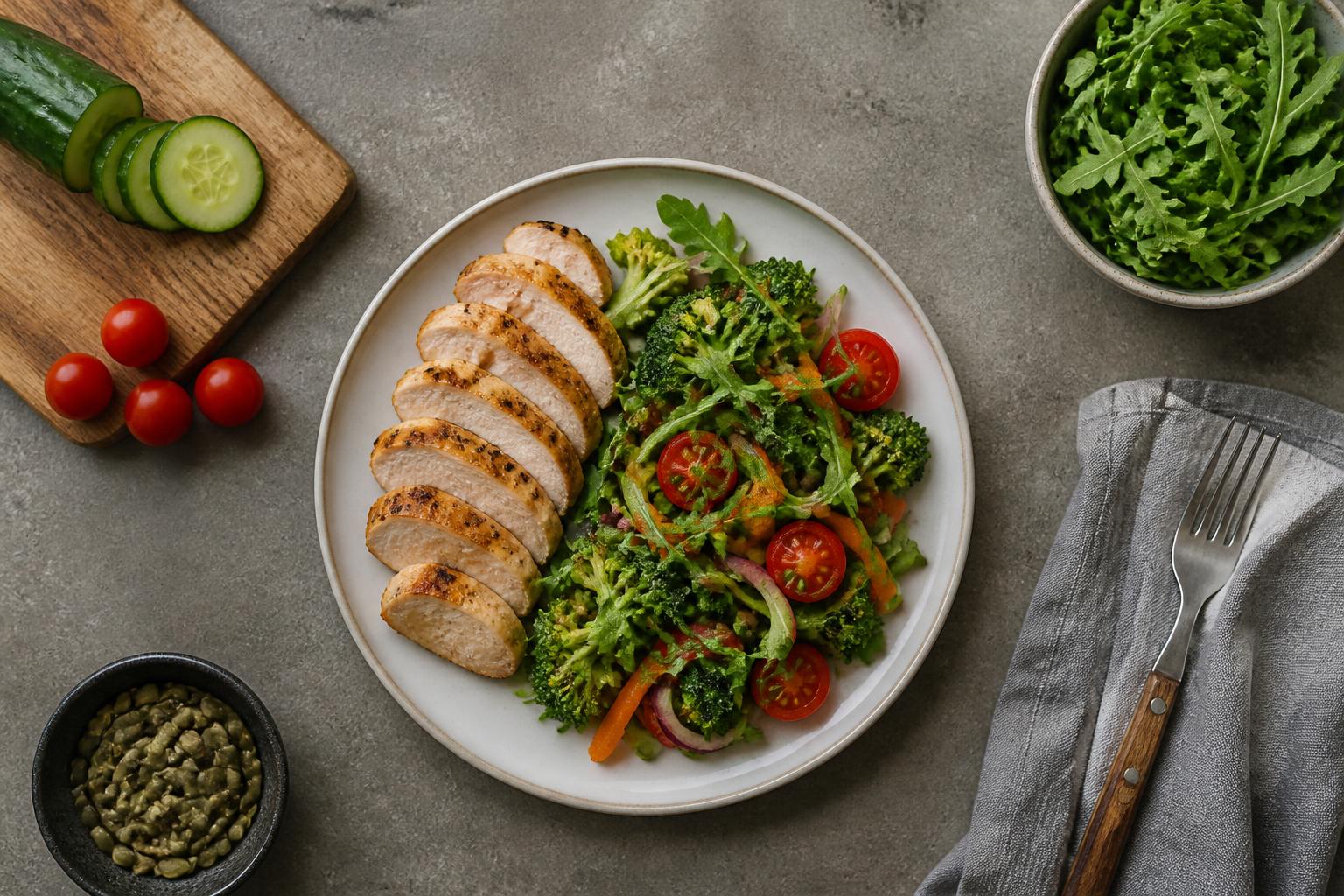
The easiest way is to think in components rather than recipes. Start with vegetables, add a protein source, include a sensible carbohydrate, then use olive oil, herbs, garlic, lemon or vinegar for flavour.
For breakfast, keep it simple. Toasted wholemeal bread with grated tomato and a drizzle of olive oil works well, especially with fruit on the side. Natural yoghurt with chopped fruit and a few almonds is another good option. If you want something more substantial, eggs with tomatoes and peppers can carry you through the morning without turning breakfast into a feast. For more practical ideas, our piece on healthy protein breakfasts that keep mornings practical may help.
For lunch, soups, salads and bean dishes are especially useful. A bowl of lentil and vegetable soup with wholegrain bread is easy to prepare ahead. So is a chickpea salad with tomatoes, cucumber, red onion, parsley and olive oil. Tinned sardines or tuna can turn a salad into a proper meal without much effort. If you like rice, try a vegetable-led rice dish with peas, peppers and beans, rather than a meat-heavy version.
For dinner, aim for a plate that looks domestic rather than restaurant-like. Grilled fish with potatoes and green beans is a strong example. So is a tray of roasted vegetables with chickpeas and a spoonful of yoghurt, or a tomato and white bean stew with spinach. A Spanish omelette can also fit well if you watch the oil and serve it with a substantial salad rather than bread and fried sides.
Snacks can follow the same pattern. Fruit, a few nuts, plain yoghurt, or vegetables with a simple bean dip are all better everyday choices than relying on pastries, crisps or salted tapas mixes. If you enjoy a Spanish-style grazing board, build it around cherry tomatoes, peppers, cucumber, hummus or bean dip, a few olives and some wholegrain crackers, with cured meats and cheese in smaller amounts rather than as the centre of the spread.
Portion balance matters just as much as ingredients. A healthy Spanish-style meal at home usually has one clear main protein or pulse element, plenty of vegetables, and one moderate source of starch. It does not need every appealing Spanish food on the table at once.
That is really the core of it. Healthy Spanish food is not a special category reserved for holidays or idealised Mediterranean living. It is often a set of ordinary ingredients used plainly and with some restraint. If you choose pulses often, keep vegetables in the foreground, use fish and olive oil sensibly, and stay alert to salt, frying and processed meats, Spanish flavours can fit very naturally into everyday UK meals.

Questions about this article or a correction to suggest? Get in touch. Read more about our editorial approach.