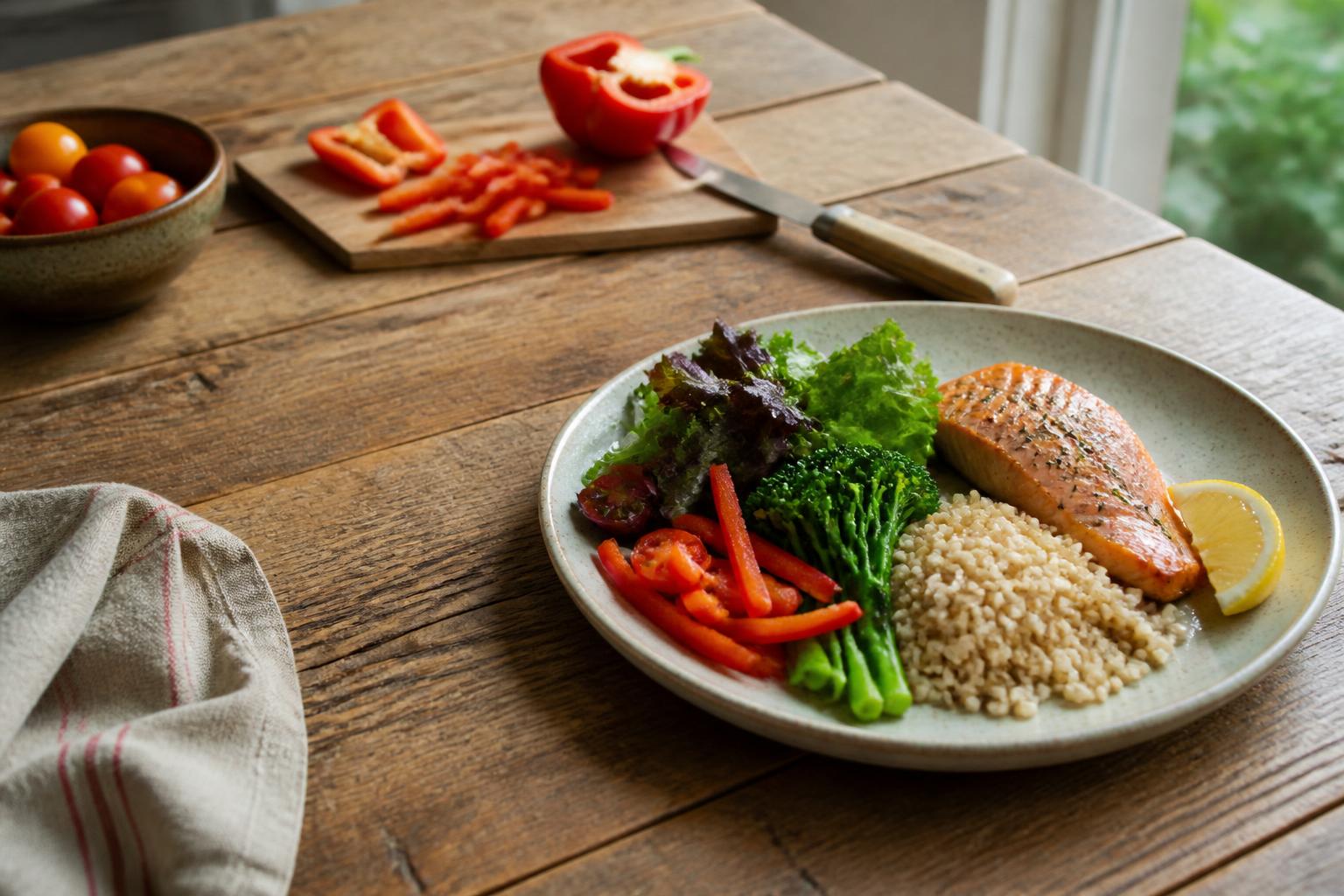
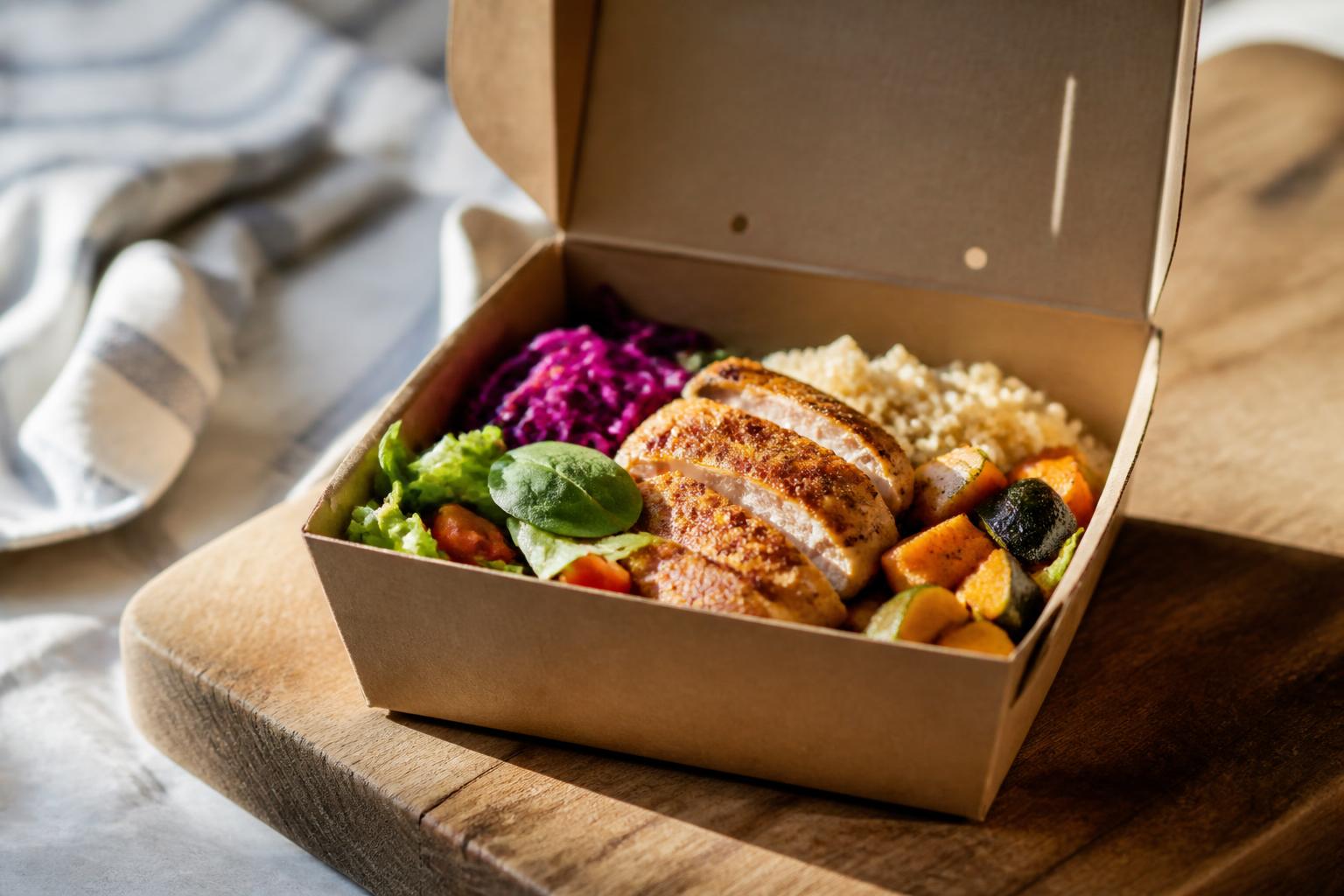
Choosing a healthier takeaway does not need a full nutritional audit. In practice, the best approach is to look for a meal that gives you a decent portion of protein, some vegetables or pulses, and a cooking method that is more likely to involve grilling, baking, steaming or stir-frying rather than deep frying. Then pay attention to the parts that usually push a meal up fastest, large portions, chips, creamy sauces, extra cheese, desserts and sugary drinks.
That matters because takeaway food is rarely sold with the same level of nutrition detail you would get on a supermarket pack. In the UK, large businesses with 250 or more employees must provide calorie information for non-prepacked food and drink sold in person and online, but that rule does not cover many independent takeaways. Even where calories are shown, they do not tell you everything about salt, saturated fat, fibre or how filling the meal will be. A healthier choice is usually about the overall pattern of the order, not one perfect menu item.
What makes a takeaway feel healthier in practice
A takeaway feels healthier when it looks more like an ordinary balanced meal and less like a collection of extras. UK healthy eating guidance is useful here because it gives people a realistic framework. We can borrow the same broad idea used in the Eatwell Guide, even when we are ordering from an app. Aim for a meal built around vegetables, beans, lentils or salad, with a sensible source of protein such as chicken, fish, eggs, tofu, beans or leaner meat, plus a moderate amount of starchy food such as rice, noodles, bread, potatoes or wraps.
That does not mean every meal has to be low calorie or stripped back. It means thinking about proportion. If half the order is chips, breaded sides and dips, the meal is unlikely to feel especially balanced afterwards, even if it includes a grilled main. If the meal includes vegetables as a genuine part of the dish, not just a token lettuce leaf, and the starchy side is not oversized, you are usually on firmer ground.
There are also a few practical markers beyond calories. Salt matters because takeaway food can be heavy on soy sauce, seasoning blends, cured meats, stock powders and cheese. Saturated fat matters because creamy sauces, butter-rich curries, pastry, fried coatings and processed meats can add up quickly. Fibre matters because meals with beans, vegetables, wholegrains or pulses tend to be more filling and sit better in an everyday routine. If you want a simple way to think about it, a healthier takeaway is often one that leaves you satisfied rather than sluggish, and does not make the rest of the day feel like nutritional damage control.
Food labels are less central with takeaway meals than with packaged food, but the same principles still help. If you already use labels to compare supermarket products, the habits carry over well. We cover that in our guide to healthy eating without overhauling everything, and the same calm approach works here too.
How to judge a menu before you order
Start with the cooking words. Menus tell you more than they seem to. Grilled, roasted, baked, steamed, poached and tandoori usually suggest less added fat than battered, breaded, crispy, crunchy, loaded, stuffed, creamy or cheesy. Stir-fried can still be a good option, but it depends on the sauce and the amount of oil used. Dry-fried dishes are often worth a look, especially if they come with vegetables.
Next, scan the menu structure rather than fixating on one item. A main can look reasonable until the standard meal deal adds chips and a full-sugar drink automatically. If a dish comes with two starches, for example rice and naan, or noodles and spring rolls, think about whether you would normally eat both. You do not have to ban either one, but choosing one main starch instead of two often improves the meal without making it feel restrictive.
Sides are where many orders drift. Onion rings, mozzarella sticks, prawn crackers, loaded fries, garlic bread with cheese and multiple dips can turn a moderate meal into a very heavy one before the main even arrives. If you want a side, choose the one you actually care about and skip the rest. A side salad, edamame, corn on the cob, plain rice, extra veg or a bean-based side often does more for the meal than another fried extra.
Sauces need a quick sense check. Tomato-based, chilli-based, herb-based and yoghurt-based sauces are often lighter than creamy, buttery or mayonnaise-based ones, but not always lower in salt. Sweet sauces can also bring a lot of sugar. A good rule is to keep sauces visible and separate where possible. If a dish is swimming in sauce, you lose control over how much you eat.
Menu wording can also hint at portion size. Sharing platters, feast boxes, loaded trays and family bundles are designed to feel generous, but they can make it harder to notice how much food is actually in front of you. If you are ordering for one, a standard main with one side is often enough. If you are ordering for two, one or two mains plus shared rice or a couple of sides may go further than expected.
And if calorie labelling is available, use it as one clue, not the whole answer. In the UK, mandatory calorie labelling applies to larger chains, not to all food businesses. It also does not apply in exactly the same way across Europe, so it is worth remembering that UK rules are specific here. A lower-calorie option can still be low in fibre and high in salt, while a higher-calorie meal with beans, veg and lean protein may fit better into normal eating.
Which takeaway choices are often the better bets
No cuisine is automatically healthy or unhealthy. The better choice usually comes down to the dish, the sides and the portion.
With Indian takeaway, tandoori dishes, grilled meats, lentil dals, chana dishes and tomato-based curries are often better bets than creamier options such as korma or dishes finished with lots of butter or ghee. Rice can be a more straightforward side than naan if you are trying to keep the meal lighter, though a plain chapati may be a moderate option too. If you love curry house flavours, a dal plus a grilled main and one rice between two people can work very well.
With Chinese takeaway, steamed rice, vegetable dishes, tofu, chicken with mixed vegetables, and soups can be useful starting points. Dishes described as battered, crispy or sweet and sour often become heavier because of both the coating and the sauce. Black bean, ginger and garlic, or chilli-based dishes may be better than deep-fried options, but watch the salt. Asking for sauce separately, where possible, can make a real difference.
With Thai food, stir-fries with vegetables, grilled skewers, clear soups and dishes based on lean protein can work well. Coconut-based curries are not off limits, but they are usually richer, so portion size matters more. Rice on the side is often enough without extra starters.
With kebab shops, a shish kebab, chicken kebab or grilled kofta with salad can be a much better option than a large doner with chips. Pitta is fine if you want it, but think about whether you need chips as well. Extra salad and less sauce usually improves the balance of the meal immediately.
With pizza, the better bets are often the simpler ones. Thin crust, vegetable toppings, chicken, tuna or prawns can be easier choices than stuffed crust, extra cheese and multiple processed meat toppings. A couple of slices with salad can feel like a normal meal. A large pizza with garlic bread, wedges and dip is where things escalate.
With burger takeaways, a standard burger can fit better into everyday eating than the menu language suggests, especially if it is grilled rather than fried. The issue is often the stack, double patties, bacon, cheese, mayo-heavy sauces and loaded fries. A single burger, regular fries to share, or swapping fries for corn or salad if available, is often the cleaner choice.
With fish and chip shops, grilled fish is not always available, but if it is, it is worth considering. If you want the classic order, portion size matters more than perfection. A regular portion of fish and chips shared between two, with mushy peas or beans, can be more balanced than each person ordering a large meal with extras. Watch the salt, because chip shop food can become very salty very quickly.
With Middle Eastern or Mediterranean takeaway, grilled chicken, lamb skewers, falafel, hummus, tabbouleh, fattoush and bean-based dishes can make a strong meal. Falafel is often deep-fried, so it is not automatically light, but paired with salad and a sensible amount of flatbread it can still be a good option.
Across all of these, the point is not to chase a perfect cuisine. It is to build a meal that resembles food you would happily eat on an ordinary Tuesday.
The parts of the order that change the meal most
If one part of the order shifts a meal from reasonable to heavy, it is usually not the main on its own. It is the combination of portion size, extras and drinks.
Portion size is the first lever. Restaurant and takeaway portions can be larger than what most of us would serve at home. That is especially true for rice, noodles, chips and pizza. Ordering one side to share, choosing a regular instead of large, or planning to keep half for later can make the same meal fit much better.
Sauces are the second. Mayo-based burger sauces, garlic mayo, creamy curry sauces, sweet chilli, sticky glazes and cheese sauces all add quickly because they are concentrated and easy to eat without noticing. Even healthier-sounding options such as hummus or peanut sauce can become substantial if the portion is large. If a sauce matters to the dish, keep it, but ask for it on the side if possible.
Chips and fried sides often have the biggest effect on calories and saturated fat, simply because they are dense, salty and easy to keep picking at. That does not mean chips are forbidden. It means they are usually the item to be deliberate about. If you really want them, have them and skip another extra. If you do not care much, that is the easiest place to lighten the meal.
Dips can be surprisingly significant because they feel like a small add-on. Garlic dip, ranch, blue cheese, chip shop curry sauce and sweet dips for desserts can all turn a moderate order into a much richer one. The same goes for cheese toppings and “loaded” add-ons.
Desserts and sugary drinks are often what take a takeaway beyond what most people intended. A milkshake, fizzy drink, cookie dough or ice cream can add a lot without making the meal more satisfying in the same way as proper food. Water, no-added-sugar drinks, or simply using what you already have at home usually keeps things simpler. If you want something sweet, it is often better to choose one dessert you will actually enjoy than add one by default because it is in a deal.
How to make a takeaway work for everyday eating
A takeaway does not need to sit outside healthy eating. It works best when it is treated as part of your normal routine rather than a break from it. That means thinking in patterns, not one-off purity.
Frequency matters, but not in a rigid way. If you have takeaway occasionally, the main question is whether the meal leaves room for the rest of your week to feel ordinary and balanced. If you order more often, then the details become more important, because repeated choices around portions, drinks and sides have more impact than the cuisine itself.
Leftovers are useful, not a sign that the meal failed. If a takeaway portion is large, boxing half for lunch the next day can be one of the easiest health wins available. The same applies to sharing. Two mains and a couple of vegetable sides between three people can be more satisfying than everyone having a large individual order plus extras.
Adding simple foods at home is another practical trick. A pizza with a bagged salad, a curry with extra microwaveable veg, or a kebab with chopped tomatoes and cucumber can shift the meal closer to what UK guidance would recognise as balanced, without pretending the takeaway itself has changed. This is often easier than trying to order the perfect meal from the menu alone.
It also helps to think about what the takeaway is replacing. If dinner is salty and low in vegetables, breakfast and lunch do not need to become punitive. They just need to be normal. Porridge, fruit, yoghurt, beans, soup, eggs, wholegrain toast, salads and leftovers all do that job well. Our guide to healthy eating ideas that work on ordinary UK days is useful if you want simple ways to steady the rest of the week.
And if you are trying to improve your food choices overall, takeaway decisions become easier when the basics at home are already in place. Having fruit, yoghurt, wholegrain cereals, beans, bread, eggs and frozen veg around gives you more flexibility before and after the meal. We cover some of that in our piece on adding more fibre at breakfast and lunch, which can help balance out meals that are naturally lower in fibre.
The simplest way to choose healthier takeaway food is to stop looking for a virtuous menu item and start building a decent meal. Pick a main that is grilled, baked, steamed or otherwise less heavy on frying. Make sure there is some protein and some veg or pulses. Keep an eye on chips, creamy sauces, dips, desserts and sugary drinks. Choose portions you would realistically eat at home, and let leftovers do some of the work.
That is enough for most people, most of the time. You do not need to overthink it. You just need a few reliable ways to spot the choices that change the meal most.

Questions about this article or a correction to suggest? Get in touch. Read more about our editorial approach.