When you start eating better, the changes are usually more ordinary, and more useful, than people expect. Most people do not wake up after three days feeling transformed. What often happens first is that appetite becomes steadier, digestion shifts, energy feels less erratic, and very sweet or salty foods can start to taste stronger than they used to. Over time, if the change also helps you eat an amount that suits your body, you may see changes in weight, blood sugar control, cholesterol, blood pressure and how well you feel day to day.
That is the practical answer to how your body changes once you start eating healthy. The short-term effects tend to be about comfort, hunger, bowel habits and concentration. The longer-term effects depend on what you changed, how consistent it is, and what your starting point was. Healthier eating is not one perfect plan. In UK everyday terms, it is usually about a better pattern, repeated often enough to matter.
What counts as eating healthy in everyday UK terms
In real life, healthier eating is not a fridge full of expensive ingredients and it is not cutting out every biscuit. It is a pattern that gives you enough energy, enough protein, enough fibre, and a good spread of foods across the week.
For most UK adults, that pattern looks broadly like this:
- regular meals rather than long gaps followed by overeating
- more vegetables, fruit, beans, pulses and wholegrains
- enough protein from foods such as fish, eggs, yoghurt, milk, tofu, chicken, lentils or beans
- more unsaturated fats from nuts, seeds, olive or rapeseed oil, and oily fish
- fewer foods that are easy to overeat because they are heavily processed, very salty, very sweet, or low in fibre
- drinks that do not quietly add large amounts of sugar or calories
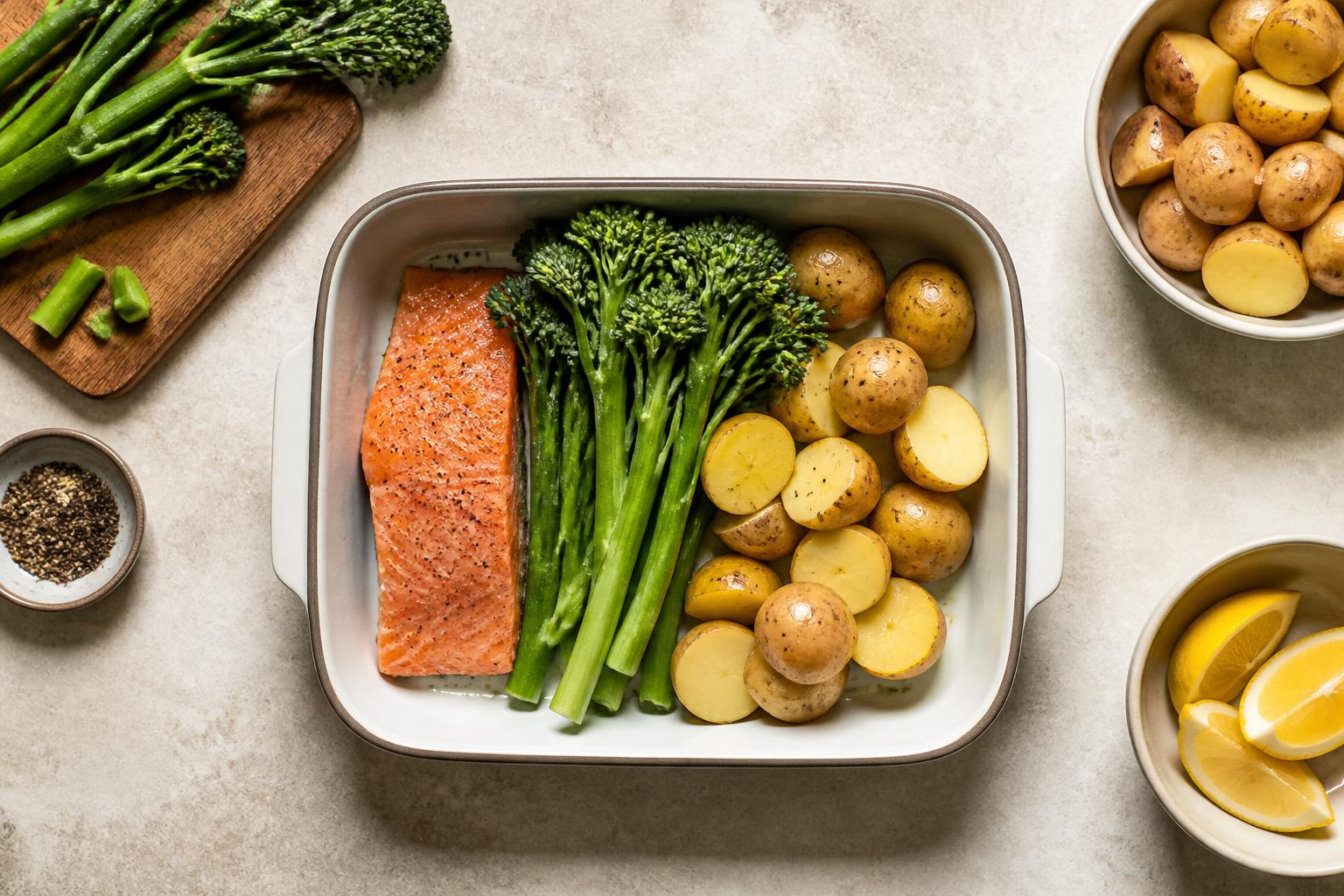
On a supermarket shop, that might mean switching from sugary cereal to porridge or a higher-fibre cereal, using wholemeal bread more often, adding beans to chilli or soup, choosing yoghurt over confectionery for one snack, or building a dinner around potatoes, rice or pasta plus veg plus a clear protein source.
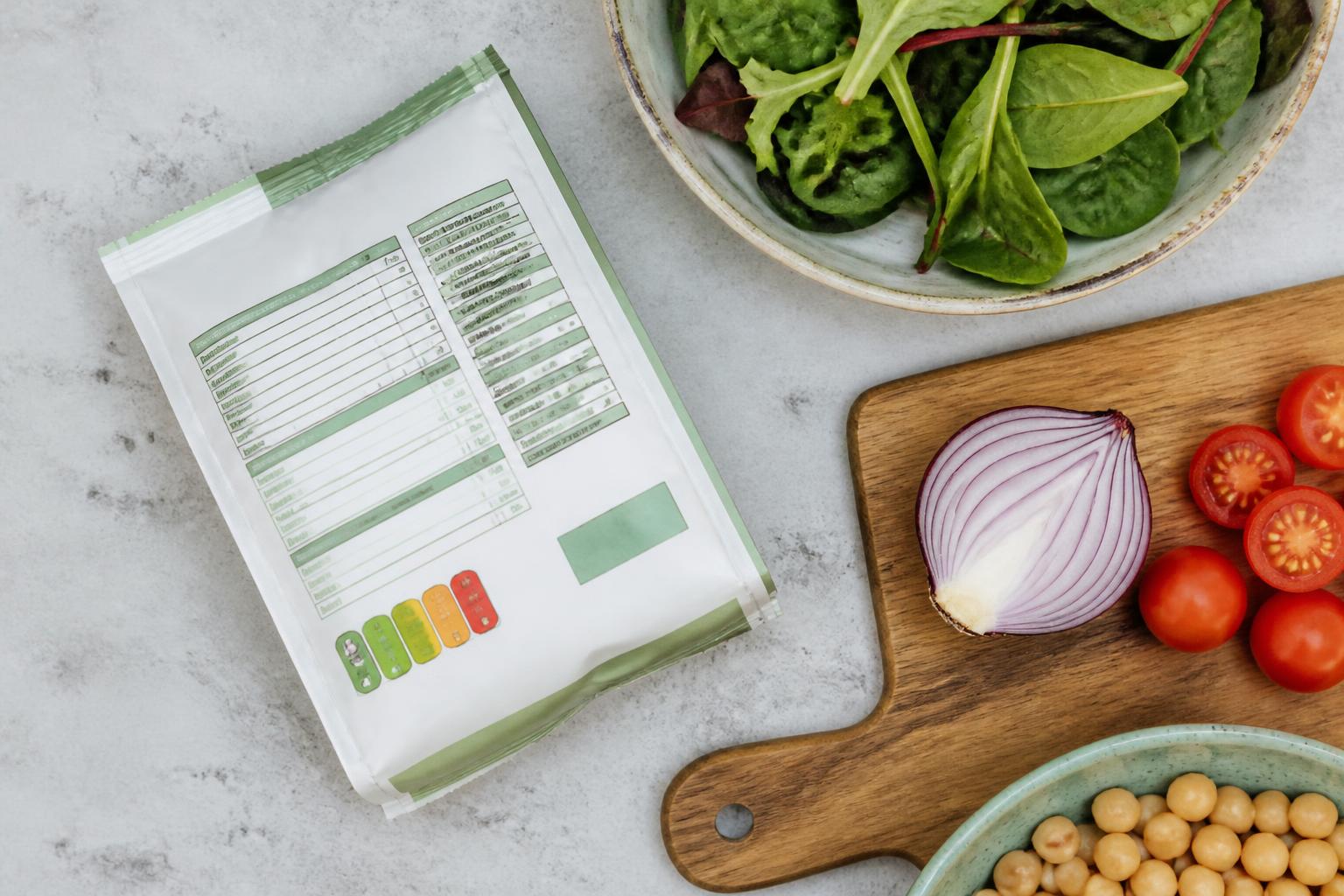
Labels can help, if you use them for comparison rather than chasing perfection. In the UK, front-of-pack traffic light labels are designed to show whether a food is higher or lower in fat, saturated fat, sugars and salt per 100g or 100ml. They are useful when you are comparing two similar products, such as two tomato sauces or two ready meals. The ingredient list also matters. If a product is sold as a wholegrain or high-protein option, check whether that claim is backed up by the actual ingredients and nutrition panel.
Portion and context matter too. Olive oil is a healthy fat, but it still adds energy. A high-fibre cereal bar may still leave you hungry if it is standing in for an actual lunch. A ready meal can fit into a healthy diet if it gives you decent protein, some veg, and a sensible amount of salt and saturated fat.
If you want a practical framework, our guide to using a healthy eating table for everyday meals can help you build meals without overcomplicating them.
What you might notice in the first few days and weeks
The first changes are often about appetite and digestion.
If your meals start including more protein and fibre, you may feel fuller for longer. A breakfast of toast and jam can disappear quickly, while porridge with milk and fruit, or eggs on wholemeal toast, often keeps people going better. That does not mean you need large meals. It means the meal works harder.
Cravings can also shift. If you are used to frequent sweets, pastries, crisps or sugary drinks, the first few days may feel noisy. You might think about food more, or feel disappointed by snacks that seem less exciting. That is common. Taste preference is adaptable. After a couple of weeks, many people find that very sweet foods taste sweeter than they used to, and they are less bothered by not having them every day.
Digestion often changes quickly. If you were eating little fibre and then suddenly add bran cereal, extra veg, lentils and fruit all at once, you may feel bloated or gassy. That is not a sign that healthier food is wrong for you. It usually means your gut is adjusting, or that you increased fibre faster than your system liked. A slower increase, plus enough fluid, is usually easier.
Bowel habits can become more regular. Fibre helps add bulk to stool and supports normal bowel function, but the type of fibre matters and so does fluid intake. Some people notice they go to the loo more often. Others find constipation improves over a few weeks. If bowel changes are severe, persistent, or come with pain, bleeding or unexplained weight loss, that is not one to self-manage indefinitely.
Hydration can feel different too. If you swap some fizzy drinks, energy drinks or frequent alcohol for water, milk, tea, coffee or sugar-free options, you may feel less thirsty and less prone to the slump that follows a very sugary drink. Darker urine, headaches and a dry mouth can all be signs you need to drink more, though they are not specific.
Day-to-day energy may improve, but not always immediately. If your previous routine involved skipping meals, then grazing on snacks, a more regular pattern often feels steadier within days. If, however, your version of eating healthy means under-eating, you may feel tired, irritable and hungry instead.
For realistic meal changes rather than a full reset, our piece on healthy eating ideas that work on ordinary UK days sets out options people can actually keep up.
Why energy, mood and concentration can feel different
Food affects how alert you feel, but usually through simple mechanisms rather than anything mystical.
The first is meal balance. A meal with carbohydrate, protein and some fibre tends to digest more steadily than one built mainly from refined starch or sugar. A jacket potato with beans and salad, or rice with chicken and vegetables, often leaves people feeling more even than a pastry grabbed on the go.
The second is regularity. Long gaps without eating do not suit everyone. Some people manage perfectly well with three meals a day. Others concentrate better with three meals and one planned snack. If your blood sugar dips because you have not eaten for hours, you may feel shaky, distracted or snappy. That is not a moral failure. It is a sign the pattern needs work.
The third is what gets displaced. If eating better means fewer ultra-processed snacks that are easy to eat quickly and not very filling, you may stop riding the cycle of spike, dip, snack, repeat. People often describe this as more stable energy. In practice, it usually means fewer moments of feeling absolutely ravenous or suddenly flat.
Mood can improve for ordinary reasons. Being less hungry, less bloated, less dehydrated and less reliant on sugar and caffeine swings can make anyone feel more level. It is sensible to stop short of claiming that better eating alone treats low mood or anxiety. Mental health is broader than diet, and persistent symptoms need proper support. But it is equally sensible not to dismiss food as irrelevant when your brain is part of your body.
Concentration may improve when meals are more consistent and less chaotic. That is especially true if lunch stops being an afterthought. Many adults function all morning on coffee, then eat a meal that is either too little or so heavy that it makes the afternoon harder. A better lunch does not need to be worthy or joyless. It just needs enough substance to do its job.
How your weight, blood sugar and heart health may respond
This is where changes are slower, and where people often expect more certainty than real life offers.
Weight change depends mainly on overall energy balance over time. Healthier food can help because it is often more filling for the calories, especially when it includes fibre, protein and foods that need actual chewing. But not all healthy foods are low in calories, and not all less healthy foods cause weight gain on their own. If you start eating better but also add large portions, frequent grazing or lots of calorie-dense extras, your weight may not change much.
Some people lose weight without trying very hard because their food becomes more satisfying and less easy to overeat. Others maintain weight but feel better, which is still a useful outcome. If you have been under-eating, eating better may mean weight stays stable or even rises a little as your intake becomes more adequate.
Blood sugar control can improve when meals are more regular, less sugary, and built around slower-digesting carbohydrates, fibre and protein. Swapping white toast and juice for porridge with nuts and berries, or having rice with a proper serving of protein and vegetables rather than eating carbohydrates on their own, may reduce sharp rises and crashes. For people with diabetes or prediabetes, this matters, but medication, timing and individual response matter too. If you take glucose-lowering medication, major dietary changes are worth discussing with your GP or diabetes team.
Heart health can respond to food quality even without dramatic weight loss. Eating less saturated fat and replacing some of it with unsaturated fats may help improve blood lipids. More soluble fibre from oats, beans, lentils and some fruit can help too. Reducing foods that are high in salt may support blood pressure, particularly if your intake was high to begin with. In the UK, this is one place where labels are genuinely useful, because comparing soups, sauces, breads and ready meals can reveal big differences in salt content between products that look similar.
Alcohol also matters here. If eating better goes hand in hand with drinking less, some people see improvements in blood pressure, sleep and weight management.
None of this is instant, and not every marker moves in the same direction at the same speed. If you want to know whether your cholesterol, blood pressure or blood sugar has changed, symptoms are not enough. You need actual measurements.
Why healthy eating can feel worse before it feels better
There are a few common reasons people decide that healthier eating is not working, when the real problem is usually pace, quantity, or expectations.
The first is too much fibre too quickly. A jump from low-fibre eating to large bowls of bran cereal, big salads, lentil soups and extra fruit can cause bloating, wind and abdominal discomfort. The answer is usually to increase gradually and drink enough fluid, not to abandon fibre altogether.
The second is under-eating. Some people clean up their diet by removing snacks, puddings, spreads, oils and larger portions, then wonder why they are tired and preoccupied with food. If your meals are mostly vegetables with a token bit of protein, you may simply not be eating enough. Healthy eating still needs enough energy.
The third is the adjustment away from highly sweet or salty foods. If you are used to strong flavours, ordinary food can taste flat for a while. This usually changes. Taste adapts. Give it time before deciding that yoghurt without added sugar, lower-salt soups, or fruit instead of sweets are permanently unsatisfying.
The fourth is confusing discomfort with failure. More frequent bowel movements after increasing fibre may be normal. Feeling a bit hungry before a meal may be normal too. Constant hunger, dizziness, weakness, or gastrointestinal symptoms that keep getting worse are not things to push through in the name of discipline.
There is also the social side. Eating differently can feel awkward if your routine is built around vending machine snacks, takeaway lunches or evening grazing. That friction is real. If a plan only works in perfect conditions, it usually will not last.
How to make changes your body can actually adapt to
The most useful changes are usually the least dramatic ones. Your body adapts better when you change the pattern, not when you declare war on your cupboards.
Start with one meal. Breakfast is often easiest. If your current breakfast leaves you hungry by 10am, add either protein, fibre, or both. That could mean porridge with milk, a spoon of seeds and fruit, or wholemeal toast with eggs. If breakfast is not your issue, work on lunch instead.
Use additions before removals. People often do better when they add a veg portion, add beans to a meal, or add a protein source to lunch, rather than focusing only on what to cut out. Additions improve fullness, which makes the rest easier.
Change snacks with a clear reason. If a snack is there because you are genuinely hungry, choose one that can bridge the gap, such as yoghurt, fruit with nuts, oatcakes with hummus, or toast with peanut butter. If the snack is mostly habit, changing the trigger may work better than finding a more virtuous version of the same thing.
Be realistic about convenience. Healthy eating in the UK often depends on what survives a commute, fits in a lunch bag, or can be made in 15 minutes after work. Frozen veg, tinned beans, microwave rice, soup, eggs and decent ready meals all have a place. For practical swaps that fit normal routines, see our guide to healthy food swaps for everyday UK eating.
Watch portions of foods that are nutritious but easy to overdo, such as granola, nut butter, cheese, oils and trail mix. This is not because they are bad foods. It is because they are dense foods, and a small extra can become a large extra without much notice.
Read labels where it helps, then stop. Compare cereals for fibre and sugar. Compare soups and sauces for salt. Compare yoghurts for added sugar and protein. But do not turn every shop into an audit. If you want a gentle starting point, our article on how to start eating healthy without overhauling everything is built around manageable shifts.
Finally, know when food advice should become medical advice. Speak to a GP, pharmacist or registered dietitian if you have diabetes, kidney disease, coeliac disease, inflammatory bowel disease, a history of eating disorders, unexplained weight loss, ongoing digestive symptoms, or you are considering a major dietary restriction. If tiredness, low mood or bowel problems persist despite a better eating pattern, do not assume food is the whole story.
What changes when you start eating better is not just your nutrient intake. It is often the rhythm of your day. Hunger becomes more predictable. Energy can feel steadier. Digestion may settle once your body adjusts. Longer term, your weight and health markers may move in a better direction if the pattern suits your needs and you can keep doing it. That is the useful standard, not perfection.

Questions about this article or a correction to suggest? Get in touch. Read more about our editorial approach.