Chinese-style meals can fit very comfortably into a healthy weeknight routine. The simplest version is not about trying to make every dish low calorie or cutting out familiar ingredients. It is about using plenty of vegetables, choosing a sensible amount of protein and carbohydrate, keeping sauces in proportion, and relying on cooking methods that build flavour without turning the meal heavy.
That matters because broad assumptions about “Chinese food” are rarely useful. A steamed fish with greens and rice is very different from a deep-fried dish coated in a sweet sauce, just as a light noodle soup is different from a large takeaway portion of salt-rich fried noodles. If you are looking for healthy Chinese food recipes to cook at home, the practical details matter more than the label.
What makes a Chinese-style recipe feel healthier
A healthier Chinese-style recipe usually comes down to four things, cooking method, ingredient balance, portion size, and how often the richer elements appear.
Cooking method changes a lot. Steaming, quick stir-frying, simmering in broth, and baking can all produce strong flavour without the weight that comes from deep-frying or using large amounts of oil. A dish does not need to be dry or austere to feel lighter. Ginger, garlic, spring onions, chilli, vinegar, sesame, stock and fermented ingredients all add impact quickly.
Ingredient balance is the next piece. Many home cooks think first about the protein or the sauce, but vegetables often make the biggest difference to how balanced the meal feels. A bowl that is half vegetables, with a moderate serving of rice or noodles and a clear portion of chicken, tofu, prawns or fish, tends to work better than a plate built mostly from refined carbohydrates and sauce.
Portion size matters too. Even a fairly balanced stir-fry can become less healthy if it is built for four but eaten by two. Chinese-style meals are easy to over-serve because rice, noodles and sauces scale up quickly. Measuring dry rice, dividing noodles before cooking, and serving sauce as part of the recipe rather than adding extra at the table can keep the meal in proportion without making it feel restricted.
It is also worth being careful with sweeping claims. There is no single nutritional profile for Chinese-style cooking. Regional traditions vary widely, and British home versions vary again. In the UK, what people think of as Chinese food often includes takeaway habits, larger portions, and sweeter or saltier sauces than a simple home-cooked dish would use. So when we talk about healthier options, we mean practical choices in the kitchen, not a judgement on an entire cuisine.
The ingredients that shape nutrition most
Oil is one of the first ingredients to watch because it changes energy density very quickly. Stir-frying does not require the pan to be flooded. A small amount of rapeseed oil or groundnut oil is often enough if the pan is properly heated and the ingredients are prepared in advance. Sesame oil is best treated as a finishing flavour rather than the main cooking fat, because a little goes a long way.
Sauces can shift a dish from balanced to salt-heavy or sugar-heavy in a few spoonfuls. Soy sauce, oyster sauce, hoisin, black bean sauce and ready-made stir-fry sauces all bring flavour, but many are concentrated sources of sodium. In the UK, nutrition labels make this easier to spot. If you compare products, look at salt per 100g and remember how much you are likely to use in one meal. The same applies to sugar in sweeter sauces. Mixing smaller amounts of stronger sauces with stock, rice vinegar, citrus or water often gives better balance than pouring in a whole packet.
Rice and noodles are not a problem in themselves, but the type and quantity matter. White rice is perfectly workable in a balanced meal, though brown rice can add more fibre and a slightly fuller texture. Noodles vary more than many people expect. Egg noodles, wheat noodles, rice noodles and instant noodles all behave differently nutritionally. Instant noodles are often the least balanced option because the noodles may be pre-fried and the seasoning sachets can be very high in salt. For everyday cooking, plain dried noodles usually give you more control.
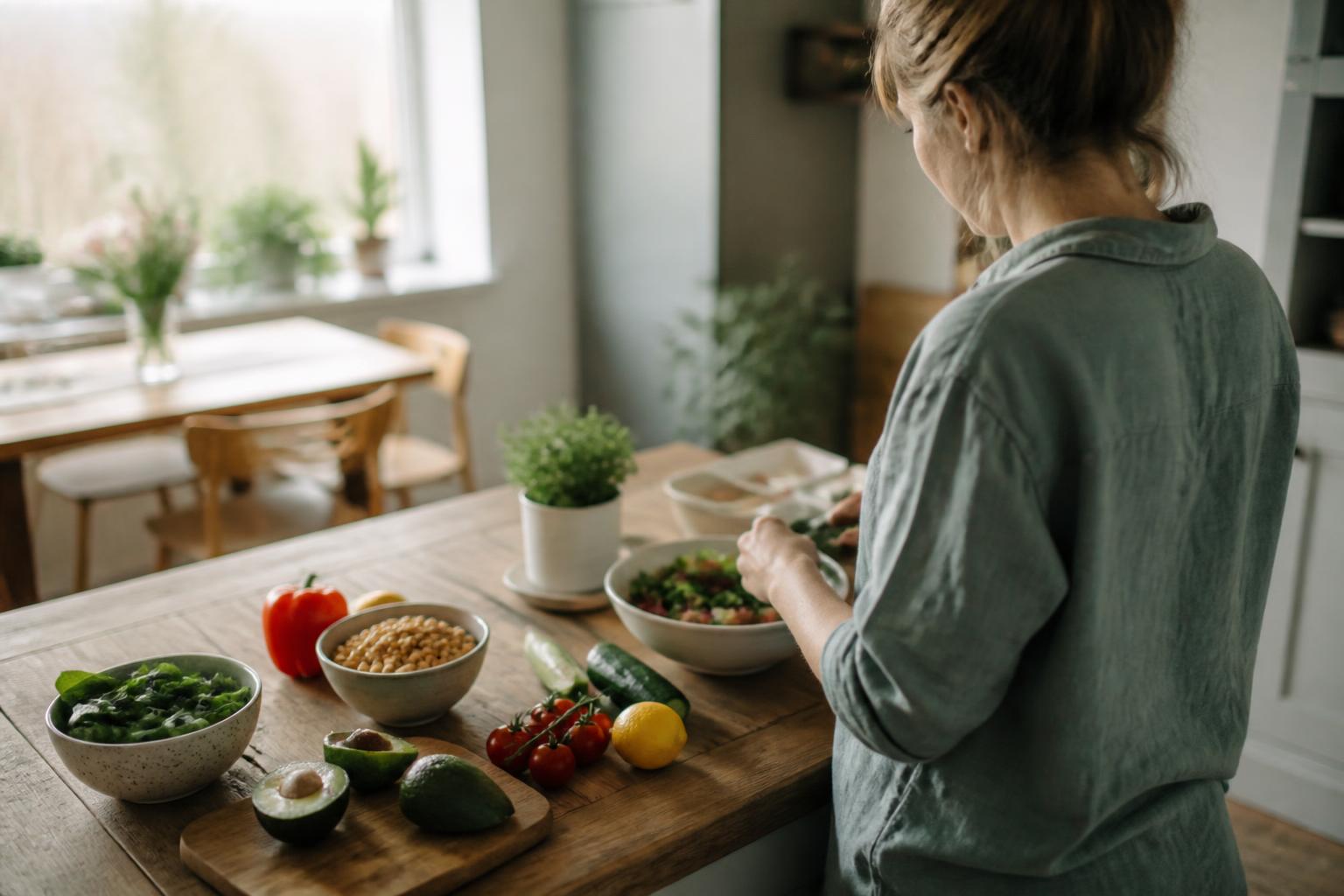
Vegetables are where many Chinese-style recipes can improve most easily. It is common for takeaway-style versions to include some vegetables but still be led by batter, meat, noodles or sauce. At home, we can reverse that. Pak choi, broccoli, mushrooms, peppers, sugar snap peas, cabbage, carrots, aubergine and frozen stir-fry mixes all work well. Using several colours and textures helps the meal feel generous rather than worthy.
Protein choices also shape the meal. Chicken breast, turkey mince, prawns, white fish, salmon, eggs, tofu and edamame can all fit easily. Tofu is especially useful because it takes on flavour well and works with steaming, braising and stir-frying. If using fattier cuts of meat, the dish can still be balanced, but it helps to pair them with more vegetables and a lighter hand on oil and sauce.
For readers trying to improve everyday eating without rebuilding their whole diet, the same basic principles apply here as elsewhere. We use the same habits we set out in how to start eating healthy without overhauling everything, small changes to routine ingredients often do more than dramatic recipe rules.
Cooking methods that keep flavour without overloading the dish
Steaming is one of the most straightforward ways to keep a Chinese-style meal light while still tasting complete. Fish fillets, tofu, dumplings, greens and even chicken can all be steamed with ginger, garlic and spring onion. The flavour comes from aromatics and a small finishing sauce rather than from a heavy coating. A steamed sea bass or cod fillet with pak choi and a measured spoonful of soy-based dressing is a very different weeknight meal from a battered fish in sticky sauce.
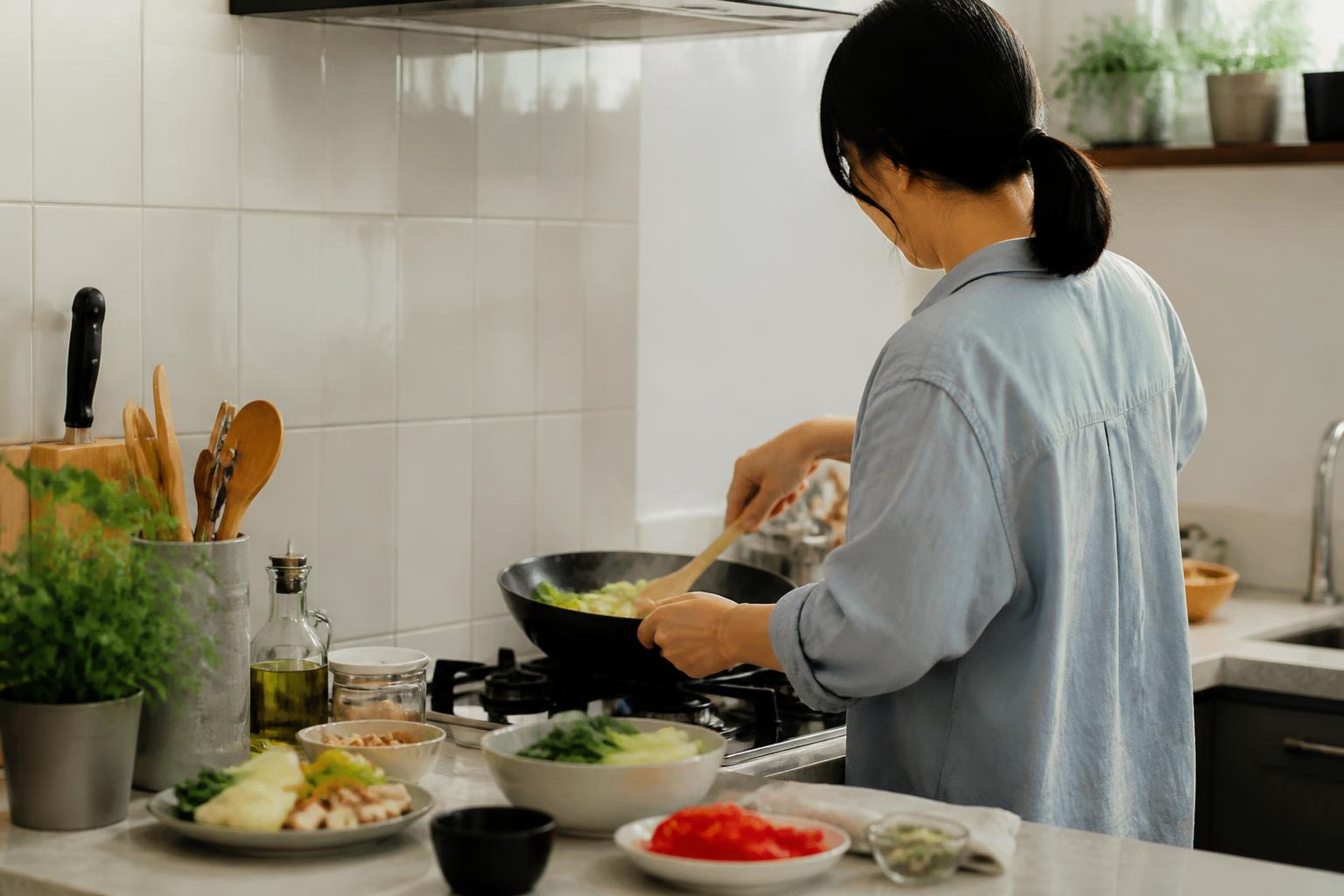
Quick stir-frying works well too, provided it stays quick. The healthier part is not the wok itself, it is the short cooking time, high heat, and modest amount of fat. If the pan is overcrowded, ingredients release water and the cook often compensates with more oil or more sauce. Cooking in batches, slicing ingredients evenly, and having the sauce mixed before you start all help keep the dish cleaner and brighter.
Baking is often overlooked in Chinese-style home cooking, but it is useful for meatballs, salmon, chicken thighs and tofu. It can replace shallow-frying for dishes that still need browning. A tray of soy, ginger and garlic salmon with roasted broccoli and a side of rice gives much of the flavour profile people want, with less hands-on oil than pan-frying.
Broth-based cooking is another strong option. Clear soups with noodles, greens and protein can be filling without becoming heavy. The key is to build the broth carefully. Use stock, ginger, garlic, spring onion, mushrooms and a measured amount of soy or miso, then add vegetables generously. The result is comforting and practical, especially on a weekday.
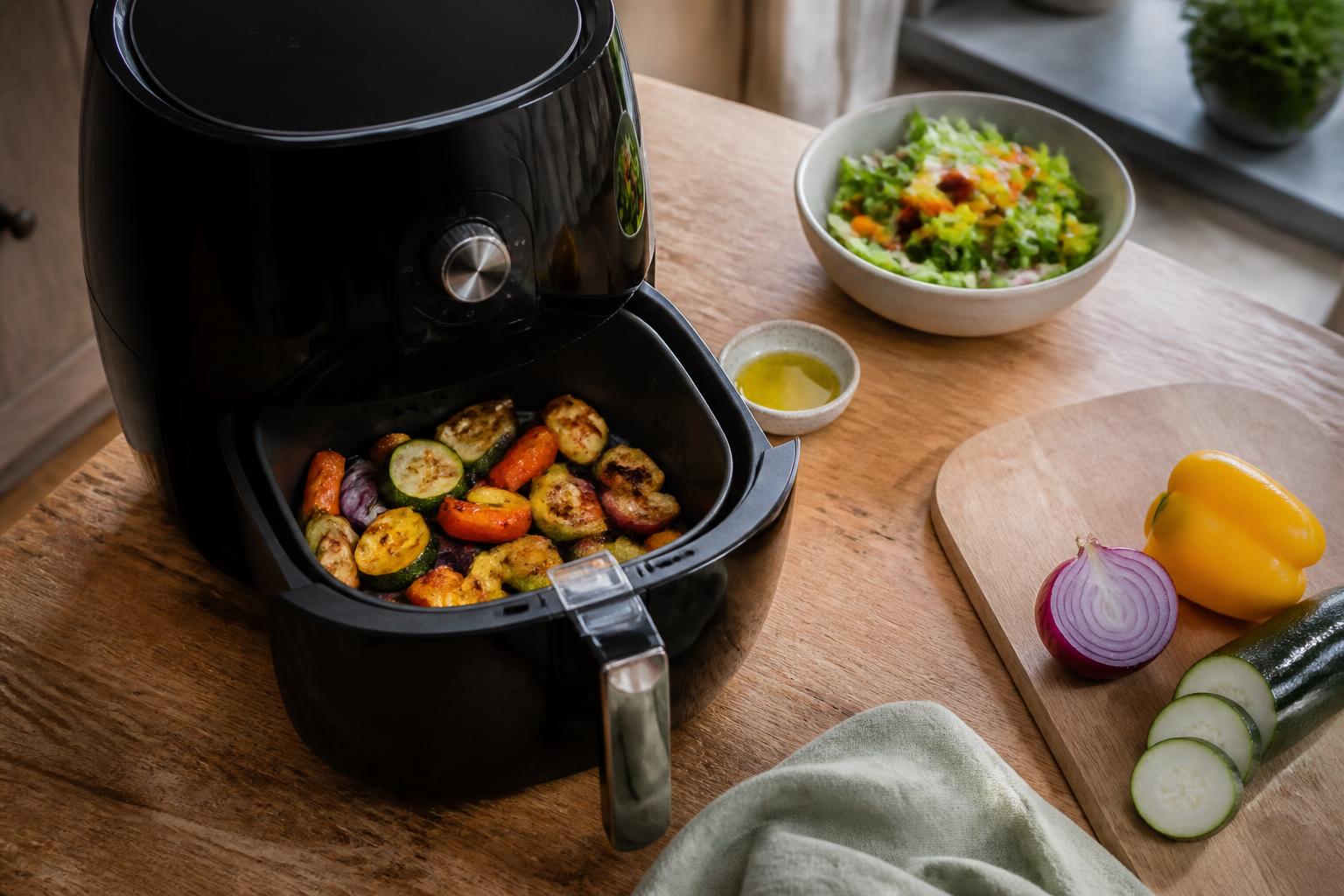
Air frying can also help with textures that people usually associate with deep-frying. For readers interested in that approach, we have covered making air-fried food a healthier everyday option. It is particularly useful for tofu, chicken pieces and vegetables that benefit from crisp edges.
How to build balanced Chinese-style meals at home
A simple framework makes weeknight cooking easier. We tend to think in four parts, vegetables, protein, carbohydrates, and sauce.
Start with vegetables as the largest part of the pan or bowl. For two people, that often means at least two substantial vegetable choices, not just a handful of sliced peppers. One bulky vegetable and one quicker-cooking one works well, for example broccoli and mushrooms, cabbage and carrots, or pak choi and sugar snap peas.
Add a clear source of protein. For most home meals, that may be tofu, chicken, prawns, eggs or fish. You do not need a large amount if the dish includes enough vegetables and a side of rice or noodles. Marinating briefly in ginger, garlic, soy and a little cornflour can improve texture without requiring a heavy sauce later.
Choose the carbohydrate with intent rather than by habit. Rice is often easiest to portion. Noodles can be equally balanced, but they are easy to overcook and over-serve. If fibre is a priority, brown rice or higher-fibre noodle choices can help, and label reading is useful here in the same way it is at breakfast or lunch. Our guide to using food labels to add more fibre is relevant well beyond cereal packets.
Then finish with sauce as seasoning, not as the bulk of the meal. A good rule is to aim for enough sauce to coat, not enough to pool. Combining soy sauce with rice vinegar, stock, chilli, garlic, ginger and a touch of honey or sugar usually gives better control than relying on a bottled sauce alone.
For a realistic UK kitchen, frozen vegetables, microwave rice, tinned sweetcorn, shelf-stable noodles and ready-pressed tofu can all play a part. Healthy cooking does not require restaurant equipment or a specialist supermarket trip. It requires a bit of planning and a willingness to let vegetables and aromatics do more of the work.
Healthy Chinese-style recipe ideas worth repeating
A vegetable-led stir-fry is the obvious starting point because it is flexible and fast. Use broccoli, mushrooms, peppers and mangetout with tofu or chicken, then add a sauce made from reduced-salt soy sauce, garlic, ginger, rice vinegar and a small amount of cornflour mixed with water. Serve with a measured portion of rice. If you want more richness, add cashews or sesame seeds sparingly rather than doubling the oil.
Steamed fish is one of the easiest healthy Chinese food recipes for a weeknight because the prep is minimal. Put cod, haddock or sea bass in a steamer or covered pan with ginger and spring onion, steam until just cooked, then spoon over a light dressing of soy sauce, hot oil and coriander. Serve with pak choi and rice. The dish feels complete because the aromatics are doing the work.
Tofu and aubergine can be very good if handled carefully. Aubergine absorbs oil quickly, so roast or air fry it first instead of frying it heavily in the pan. Then combine with crisp tofu, garlic, chilli and a black bean style sauce loosened with stock. Add plenty of greens on the side to stop the dish becoming too soft and sauce-led.
Egg fried rice can also be made lighter than many people expect. Use cooked rice that has cooled, add peas, spring onions, mushrooms and shredded cabbage, and keep the oil measured. One or two eggs can flavour a whole pan. If you want more protein, add prawns or diced tofu rather than more oil or extra sauce.
Lighter noodle soups are worth repeating because they are economical and adaptable. Start with stock, ginger, garlic and mushrooms. Add greens such as spinach or pak choi, then noodles and a protein like shredded chicken, tofu or prawns. Finish with spring onions and chilli. Keep an eye on the seasoning, because stock plus soy can become salty quickly.
Chicken and vegetable lettuce cups are another useful format. Minced chicken or turkey cooked with water chestnuts, mushrooms, ginger and garlic can be spooned into lettuce leaves with a modest drizzle of sauce. They work well with rice on the side if you want a more substantial dinner.
A final reliable option is a tray-baked soy and ginger salmon with tenderstem broccoli and carrots. It is not a traditional Chinese dish, but it uses familiar flavourings in a practical British weeknight format. That matters, because meals people actually repeat are more useful than ambitious recipes that get cooked once.
Common pitfalls in supposedly healthy Chinese-style cooking
The first pitfall is sauce quantity. A recipe may start with lean protein and lots of vegetables, then lose balance under a large amount of sweet chilli sauce, hoisin or soy. This is where “healthy” versions can mislead. The ingredient list sounds sensible, but the final dish is still very salty or sugary because the sauce has taken over.
Deep-frying is another obvious issue, but shallow-frying can move in the same direction if the pan keeps being topped up with oil. Crispy textures are enjoyable, but they are best treated as occasional rather than automatic. If you want that finish more often, baking or air frying is usually easier to manage.
Oversized portions are especially common with noodles, rice and takeaway-style recipes. A reasonable amount of rice alongside a vegetable-heavy dish is one thing. A large bowl of noodles with only token vegetables is another. If the meal is built mostly from refined carbohydrate, it can be less satisfying than expected and easier to overeat.
Hidden sodium deserves attention too. Soy sauce, oyster sauce, stock cubes, miso, ready-made marinades and pre-seasoned noodles can all stack up in the same dish. In the UK, salt is listed clearly on nutrition labels, which makes comparison practical. If you are trying to support heart health or simply cut back a bit, choosing lower-salt products and using acid, chilli, garlic and herbs for extra flavour can help. We explore that broader pattern in heart-healthy foods that work in everyday meals.
The final pitfall is assuming that homemade automatically means balanced. Cooking at home gives us control, but it does not guarantee moderation. A homemade sweet and sour dish can still be sugar-heavy, and a home stir-fry can still contain more oil than needed. The useful question is not whether the recipe is authentic or homemade, but whether the final plate has a sensible mix of vegetables, protein, carbohydrate and seasoning.
The good news is that Chinese-style cooking adapts very well to healthier weeknight habits. Keep the vegetables generous, the sauces measured, the cooking fast or gentle, and the portions realistic, and these meals can be some of the easiest balanced dinners to make at home.

Questions about this article or a correction to suggest? Get in touch. Read more about our editorial approach.