Air frying can make everyday meals lighter, but the appliance itself does not turn any food into a healthy choice. What matters most is still the food you put in, how much oil, salt and coating it carries, and how much of it you eat. Used well, an air fryer can help with crisp textures, quicker cooking and smaller amounts of added fat, which is why it can support healthier habits at home.
For most people, the best route to healthy food in an air fryer is simple. Cook more vegetables, beans, fish, lean poultry and potatoes from basic ingredients, and rely a bit less on heavily breaded freezer foods and oversized snack portions. The air fryer is a tool, not a nutrition shortcut, but it can be a very useful one.
What makes air-fried food healthier or not
Air fryers work by circulating very hot air around food, which helps the surface brown and crisp. That often means you can use less oil than deep frying or shallow frying in a pan. In practical terms, that can reduce the amount of added fat in a meal.
But lower oil use is only one part of the picture. A plate of chips, breaded chicken bites and mozzarella sticks cooked in an air fryer can still be high in calories, salt and refined coating. Equally, salmon fillets, aubergine, chickpeas or potato wedges cooked with a light brushing of oil can fit very comfortably into a balanced diet.
The main things that decide whether air-fried food is healthier are:
- the base ingredient
- the portion size
- how much oil is added
- whether there is a thick batter or breadcrumb coating
- the salt content
- what you serve it with
That is why healthy food in an air fryer usually starts with ordinary ingredients rather than products designed to look virtuous on the box. A chicken breast, a tray of mixed vegetables, or a halved sweet potato gives you far more control than a ready-coated freezer item.
It also helps to think in meal patterns rather than single foods. Air-fried chips alongside a burger and sugary drink tell a different nutritional story from air-fried potatoes served with grilled fish, peas and a yoghurt-based dip. The appliance does not change that wider context.
Texture can be another hidden issue. Crisp food is easy to overeat because it feels light and snackable. That matters with things like air-fried tortillas, coated nibbles, halloumi fries and seasoned chickpeas. Even when the ingredients are better than a takeaway version, portions still deserve attention.
If you are trying to improve your routine without making eating feel complicated, our guide to healthy eating ideas that work on ordinary UK days takes the same practical approach. The healthiest air fryer habits are usually the ones that fit normal weekdays.
Which foods work best in an air fryer
The most worthwhile foods for an air fryer are the ones that benefit from dry, fast heat and a crisp finish without needing a lot of fat. In British kitchens, that usually means vegetables, potatoes, some proteins and a few simple snack options.
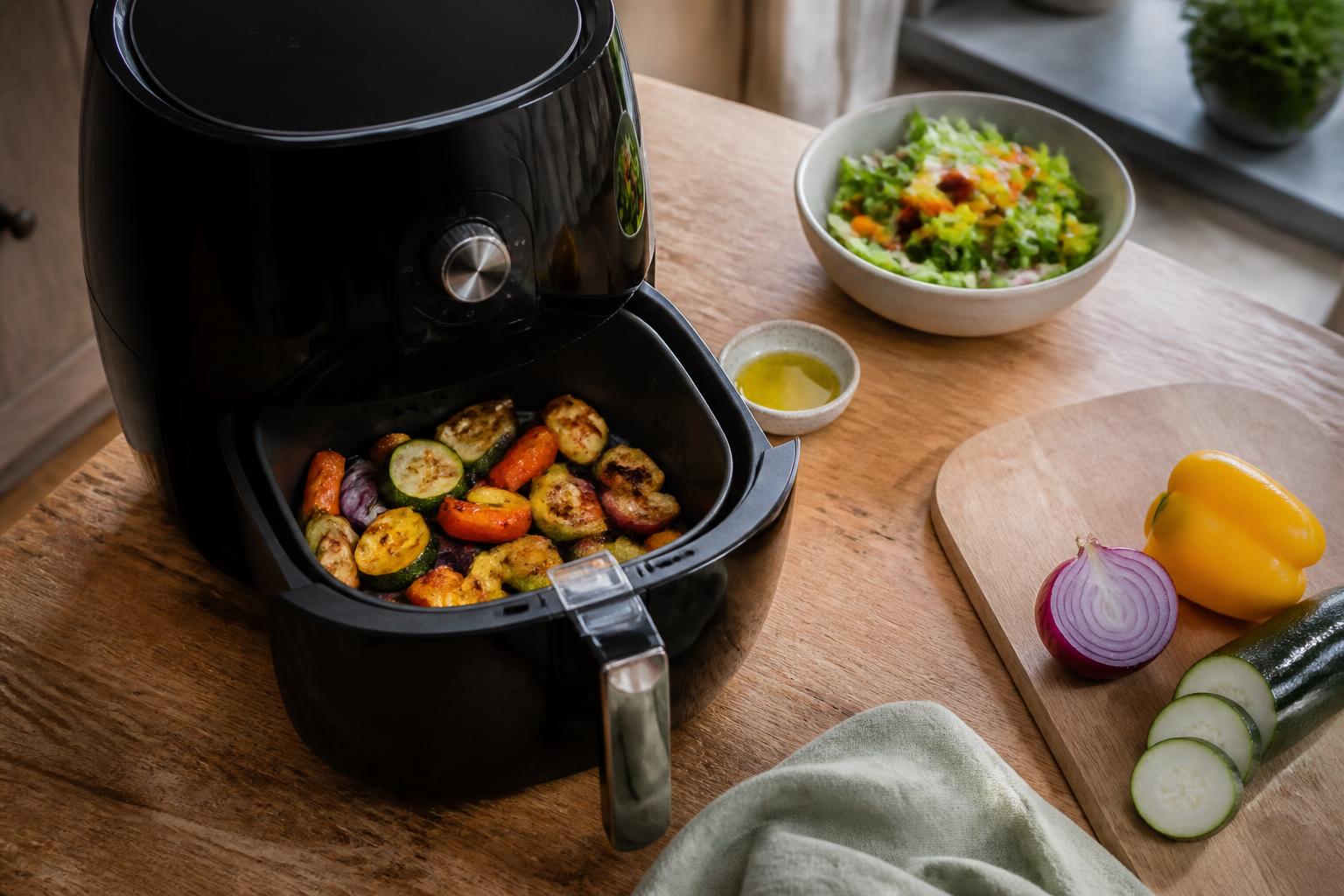
Vegetables are one of the best uses. Broccoli, cauliflower, carrots, courgettes, peppers, aubergine, Brussels sprouts and green beans all work well. They brown more readily than they do in a steamer, which can make them easier to eat more often. A small amount of oil helps with colour and texture, but you do not need much. Seasoning after cooking can also help you avoid adding too much salt before the food has reduced in volume.
Potatoes are another strong option. Homemade chips, wedges and roast potatoes can be excellent in an air fryer, especially if you parboil first or soak cut potatoes and dry them well. Nutritionally, potatoes themselves are not the problem people often assume. The issue is usually how much fat and salt they pick up, and what they replace on the plate. Air-fried potatoes can be a practical everyday carbohydrate, especially with skins left on for extra fibre.
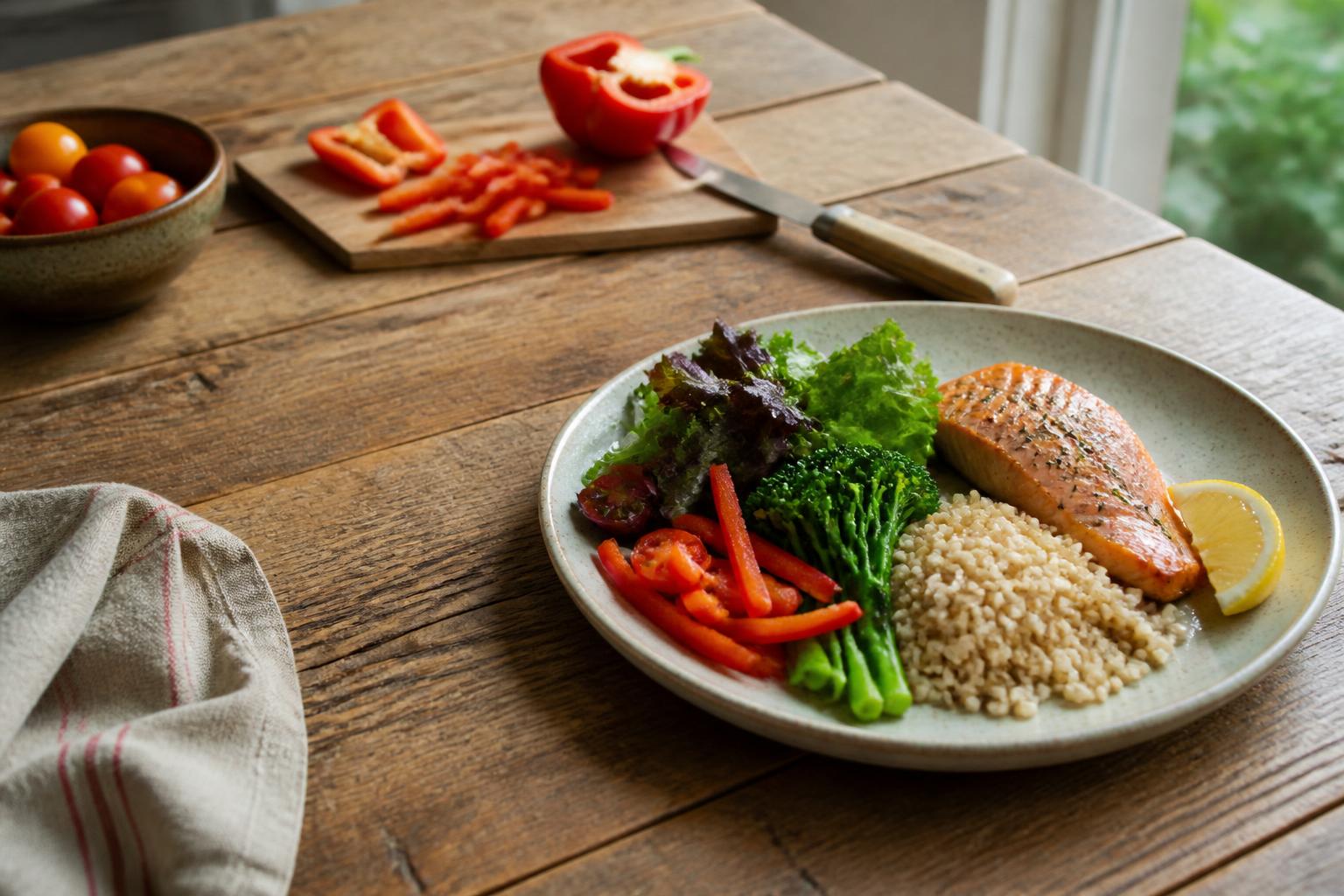
Fish works particularly well, especially salmon, cod loin, haddock and white fish fillets with a light crumb rather than a heavy batter. Oily fish brings useful fats, and the air fryer can cook it quickly enough to make it realistic on a weeknight. For more on using fat well rather than simply cutting it at all costs, see our guide to healthy fats in food and how to use them daily.
Chicken thighs, chicken breast and turkey pieces also suit air frying. The key is to avoid relying on thick coatings and sugary marinades. A yoghurt and spice marinade, or a little rapeseed or olive oil with paprika, garlic and lemon, is often enough.
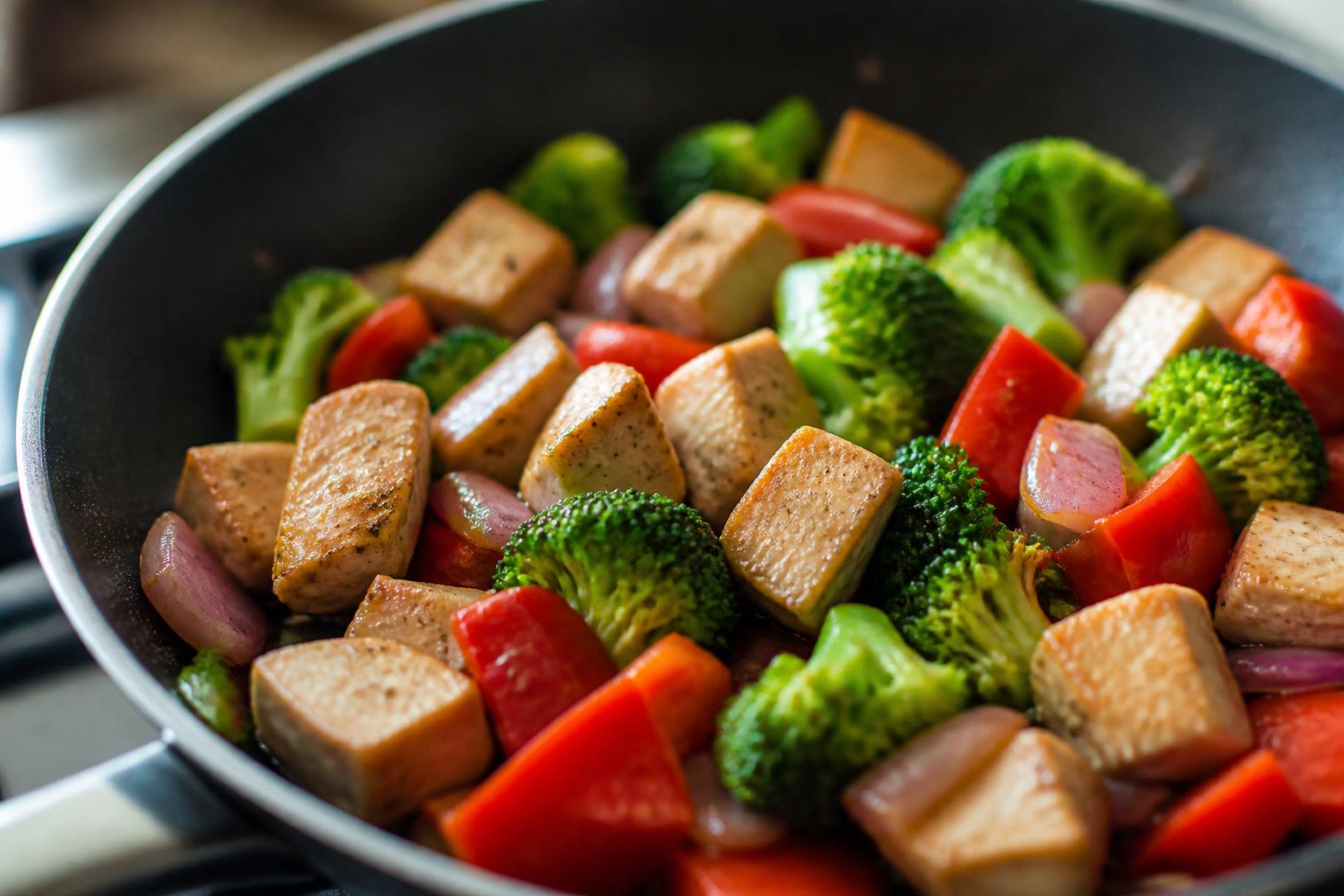
Tofu can be surprisingly good in an air fryer. Pressed and cubed tofu crisps well with a little oil or cornflour, making it easier to add plant protein to stir fries, grain bowls and wraps. Likewise, chickpeas can be air-fried for crunch, though they are best treated as a topping or small snack rather than a free food.
Some of the least useful foods are those already highly processed and sold specifically for the air fryer. Not all are poor choices, but many are still fundamentally the same breaded, salty freezer foods people have always bought. The cooking method may be tidier, but the nutrition profile may not be much better.
Good everyday uses include:
- vegetable sides
- potato wedges or roast potatoes
- salmon and white fish
- chicken pieces without heavy coating
- tofu
- reheating leftovers that need crispness, such as roast vegetables or falafel
Less useful as regular staples:
- heavily breaded freezer snacks
- pastries and desserts
- processed meats
- products with lots of cheese, batter or added salt
- foods that encourage grazing rather than a proper meal
How much oil do you really need
Usually, much less than you would use in a frying pan. For many foods, a light spray or a teaspoon tossed through a whole basket is enough. Some foods, especially those with natural fat such as salmon, chicken thighs or sausages, may need none at all.
That said, zero oil is not always the best result nutritionally or practically. A small amount of oil can help vegetables brown properly, improve mouthfeel and stop food drying out. If food comes out pale, tough or unsatisfying, people often compensate by adding more sauce, eating a larger portion, or returning to more processed options. A modest amount of oil can make healthier cooking more sustainable.
The type of oil matters less than the quantity in most home cooking, but flavour and smoke performance still count. In the UK, rapeseed oil is a practical choice for many people because it is neutral and suits high-heat cooking. Olive oil can also work well for many air fryer foods, particularly vegetables, though a very delicate extra virgin oil may be better saved for dressing after cooking.
A few practical points help:
- toss oil onto the food, not into the basket
- use enough to lightly coat surfaces, not drench them
- add oil before cooking when it helps browning
- add flavouring oils sparingly after cooking if that gives better taste with less total fat
Less oil does not automatically mean healthier if the food becomes dry, unpleasant and more likely to be replaced with something saltier or more processed. The best result is often the least oil that still produces a satisfying meal.
Be careful with aerosol sprays if your manufacturer advises against them, as some can damage non-stick coatings. A refillable oil mister or simply using your hands or a bowl to coat food lightly is often more reliable.
What to watch on labels and nutrition claims
If you buy frozen foods or ready-made products for the air fryer, the front of pack can make them sound lighter than they really are. Phrases like “crispy”, “protein-packed”, “source of fibre” or “cooks with no added oil” do not tell you whether the product is high in salt, heavily refined, or still calorie-dense.
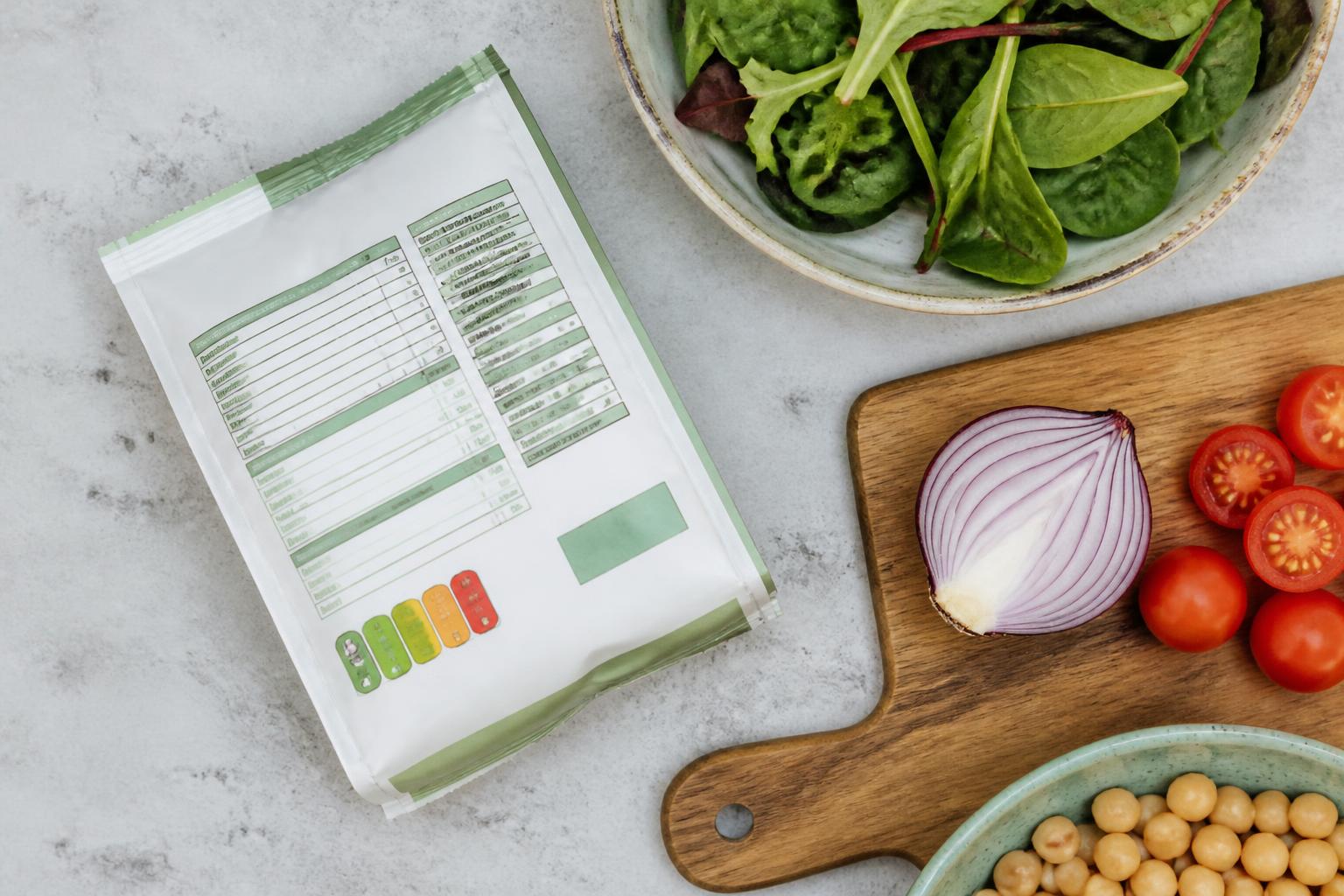
In the UK, the quickest starting point is the nutrition label per 100g, not just per portion. Per portion figures can look modest when the stated portion is smaller than what most people would actually eat.
When comparing products, check:
- calories per 100g
- fat and saturates per 100g
- salt per 100g
- fibre
- protein
- the ingredient list, especially where coating, sugar and starch appear
Traffic light labelling on the front of pack can help, although not every product carries it. A product can still look acceptable at first glance if the serving size is tiny, so it is worth reading beyond the colours.
For salt, UK labels may show salt directly. That is easier for shoppers than sodium-only labels sometimes seen elsewhere. If you are comparing products sold more widely, remember that UK consumers usually see salt, not sodium, on retail packaging. This is one area where label presentation can differ from non-UK markets.
The ingredient list often tells the real story. If the first few ingredients are potato or chicken, followed by oil and seasoning, that is one thing. If the list quickly becomes flour, starches, multiple oils, dextrose, flavourings and stabilisers, you are looking at a more engineered product.
Be wary of the phrase “air fryer friendly”. It often means the product browns well in that appliance, not that it is especially nutritious. The same goes for “no need to add oil”. If the food has already been pre-fried or contains added fat in the coating, extra oil may not be needed because the product already carries it.
This is also where fibre can get lost. White breadcrumb coatings, refined wraps, potato flakes and starch-heavy snacks can make a meal crisp without making it filling. If you want your air fryer meals to keep you going, pair them with higher-fibre foods such as beans, vegetables, wholegrain sides or salads. Our piece on using food labels to add more fibre at breakfast and lunch is useful here because the same label-reading habits carry over to evening meals and snacks.
Food safety and cooking limits to know
An air fryer is not a shortcut around basic food safety. Food still needs to reach a safe internal temperature, especially meat, poultry and reheated leftovers. Browning on the outside is not proof that the centre is cooked.
For chicken, sausages and other high-risk foods, check that the middle is piping hot and that juices run clear where relevant. A food thermometer is the most reliable option, especially for thicker pieces. This matters because air fryers can brown quickly, and basket crowding can create uneven cooking.
Do not overload the basket. Hot air needs room to circulate. If food is piled too deeply, some pieces may crisp while others stay undercooked. Cooking in batches is slower, but safer and usually gives a better result.
Reheating also needs care. Leftovers should be reheated until piping hot all the way through. The air fryer is excellent for restoring crispness to foods like roast potatoes or vegetable fritters, but dense foods can warm on the outside before the centre catches up. Stirring, turning, or finishing with a short rest can help.
There is also a browning limit worth knowing. Very dark, over-browned starchy foods are not the goal. Potatoes, breaded foods and other carbohydrate-rich items should be cooked to a golden yellow or light brown rather than taken as dark as possible. Chasing maximum crispness can reduce the practical health benefit.
Some foods are simply not ideal in an air fryer. Wet batters tend to drip before they set. Large whole chickens can cook unevenly in smaller machines. Leafy greens can blow around and scorch. Rice, pasta and pulses that need boiling are not suitable unless already cooked and being reheated or crisped.
It is also worth saying that air fryers are not the best tool for every nutrition goal. If you are trying to eat more soups, stews, pulses, poached fish or soft cooked vegetables, other methods may suit better. Healthy eating is not supposed to become a crispness contest.
The most useful way to think about air frying is as one method among several. It is especially good for quick vegetables, practical proteins and lighter versions of familiar foods. It is less helpful when it nudges you towards beige freezer foods simply because they are convenient.
If you want to make healthier eating feel more realistic overall, not just in one appliance, our guide on how to start eating healthy without overhauling everything sets out the same principle. Small, repeatable changes usually do more than dramatic kitchen upgrades.
Air-fried food becomes a healthier everyday option when we use the appliance to cook better basics more often, not when we expect it to redeem foods that were never much help nutritionally in the first place. Use it for vegetables, potatoes, fish, chicken and simple homemade meals, keep an eye on labels when buying convenience products, and let taste and practicality work with nutrition rather than against it.

Questions about this article or a correction to suggest? Get in touch. Read more about our editorial approach.