
Bulking does not have to mean takeaway pizzas, family bags of crisps and feeling permanently overfull. If the aim is to gain muscle rather than simply body weight, the most useful approach is to eat a little more than you burn, keep protein high enough to support training, and choose foods that make that extra intake easier without pushing diet quality to the floor.
That is where healthy food for bulking matters. You need enough energy to grow, but you also need meals you can repeat for weeks, digestion that still works, and food choices that bring protein, carbohydrate, fats, vitamins and minerals with them. In practice, that usually looks less like a “dirty bulk” and more like larger portions of ordinary foods, plus a few well chosen extras.
What healthy bulking actually means
Bulking, in practical terms, means eating in a calorie surplus so your body has enough energy to support muscle gain. The key phrase is calorie surplus, not unlimited eating. If you consistently eat more than you need, body weight will go up. The quality of that gain depends on training, total intake, protein, sleep and how aggressive the surplus is.
A healthy bulk is usually controlled rather than dramatic. You are not trying to see the scale jump as quickly as possible. You are trying to give yourself enough extra energy to train well, recover well and add muscle over time, while limiting unnecessary fat gain.
That distinction matters because indiscriminate overeating often creates two problems. First, it makes day to day eating feel heavy, uncomfortable and unsustainable. Second, it can crowd out better foods. It is easy to hit a surplus with pastries, pints of ice cream and fast food, but that does not automatically support better training performance, better micronutrient intake or better digestion.
For most people, healthy bulking means:
- keeping meals regular
- increasing portions before adding lots of “cheat” foods
- choosing energy-dense foods that still offer nutritional value
- keeping strength training consistent and progressive
- accepting that muscle gain is slower than simple weight gain
It also helps to stop thinking in perfect or imperfect terms. A healthy bulk does not require every meal to be textbook clean. It means the overall pattern is doing its job. A homemade pasta dish with mince, olive oil and cheese can be excellent bulking food. So can porridge made with milk, nut butter and fruit. So can a sandwich, yoghurt and a banana when that is what fits the day.
Which foods make bulking easier without lowering diet quality
The best healthy foods for bulking are usually foods that do at least two jobs at once. They provide energy, but they also bring protein, useful fats, carbohydrate, calcium, iron, potassium or other nutrients that support training and recovery.
Protein staples
Protein is easiest to manage when it comes from foods you already eat regularly. Useful options include:
- chicken thighs or breast
- lean beef or beef mince
- turkey mince
- salmon, mackerel, tuna and sardines
- eggs
- Greek yoghurt or skyr
- cottage cheese
- milk
- tofu, tempeh and edamame
- beans, lentils and chickpeas
For bulking, fattier protein sources can be especially helpful because they add energy without requiring huge portion sizes. Salmon, whole eggs and beef mince are often more practical than relying only on the leanest cuts.
Carbohydrate staples
Carbohydrates support training quality and make it easier to eat enough overall. Good staples include:
- oats
- rice
- pasta
- potatoes and sweet potatoes
- bread, wraps, bagels and crumpets
- breakfast cereals
- fruit, especially bananas, grapes, mango and dried fruit
- beans and pulses
These foods are not all equal in fibre or volume, and that can be useful. Oats, potatoes and pulses are nutritious, but very high fibre choices at every meal can make a bulk harder. Lower volume options such as white rice, pasta, bagels and some breakfast cereals are often easier to eat in larger amounts.
Fats that raise energy intake efficiently
Fats are the easiest way to increase calories without making meals enormous. Useful options include:
- olive oil
- rapeseed oil
- avocado
- nuts
- nut butters
- seeds
- tahini
- olives
- full fat dairy in suitable portions
A spoon of olive oil stirred through pasta, nut butter on toast, or seeds added to yoghurt can make a meaningful difference. If you want a clearer sense of where these fit into everyday eating, our guide to healthy fats in food and how to use them daily is a useful place to start.
Dairy and dairy alternatives
Dairy can make bulking simpler because it combines protein, carbohydrate and fat in one item, depending on the product. Practical choices include:
- semi-skimmed or whole milk
- Greek yoghurt
- cheese
- kefir
- fromage frais
- milk powder added to porridge or smoothies
Fortified soya yoghurt and soya milk can play a similar role for people who do not use dairy. In the UK, fortified dairy alternatives often provide added calcium and sometimes vitamin B12 and vitamin D, but labels vary, so it is worth checking.
Snacks and drinks that genuinely help
Snacks are useful when meals alone are not enough. Better options for bulking include:
- toast with peanut butter
- yoghurt with granola
- trail mix
- cheese and crackers
- hummus with pitta
- flapjacks
- fruit with nuts
- smoothies made with milk, oats, fruit and nut butter
Drinks can also help because they take up less stomach space than another full plate of food. Milk, smoothies and drinkable yoghurt are often more useful than relying on supplements. If your overall diet still needs work, it is worth keeping the basics solid first, much as we set out in how to start eating healthy without overhauling everything.
How much protein, carbohydrate and fat do you need?
Healthy bulking is easier when you stop treating macros as a mystery. You do not need a perfect ratio, but you do need sensible ranges.
Protein
For muscle gain, a useful evidence-based range is around 1.6 to 2.2 grams of protein per kilogram of body weight per day. Most people trying to bulk do well somewhere within that range.
Protein supports muscle protein synthesis and recovery from training. It also helps make meals more balanced, which matters when appetite is inconsistent. Spreading protein across the day is usually more practical than trying to cram it into one evening meal.
For example, someone weighing 75 kg might aim for roughly 120 to 165 grams per day, divided across breakfast, lunch, dinner and one or two snacks.
Carbohydrate
Carbohydrate needs vary more because they depend heavily on training volume, body size and appetite. For people doing regular resistance training, around 3 to 5 grams per kilogram per day is often a useful working range, with some needing more.
Carbohydrates matter because they help maintain glycogen stores, support training performance and make it easier to sustain a calorie surplus. If your sessions feel flat, you are constantly sore, or you struggle to add volume in the gym, low carbohydrate intake is one possible reason.
This does not mean every meal needs to be built around giant bowls of rice. It does mean that regular sources of bread, oats, pasta, potatoes, rice and fruit usually make bulking easier than trying to do it on protein and vegetables alone.
Fat
Dietary fat is not just filler. It helps with hormone production, energy intake and absorption of fat-soluble vitamins. A practical minimum is about 0.6 grams per kilogram of body weight per day, with many people landing comfortably higher, often around 20 to 35 per cent of total intake.
If fat is too low, food can become difficult to eat in sufficient amounts. If fat gets very high, it can crowd out carbohydrate and make training feel underfuelled. The useful middle ground is to include fats deliberately, not accidentally.
Putting the three together
A simple order of priorities is:
- Set total calories high enough for a surplus.
- Hit a reliable protein intake.
- Use carbohydrate to fuel training and recovery.
- Use fat to make the diet satisfying and energy-dense.
That is more helpful than chasing an exact split. In real life, a good bulking diet often looks like ordinary meals with a decent protein source, a generous carbohydrate portion, vegetables or fruit, and some added fat.
How to build meals that are easier to eat consistently
Consistency matters more than any single “perfect” bulking meal. If a meal plan looks ideal on paper but leaves you too full to repeat it, it is not a good plan.
Breakfast
Breakfast is often the easiest place to add calories early, especially if appetite is better in the morning. Useful options include:
- porridge made with milk, topped with banana, honey and peanut butter
- eggs on toast with avocado and fruit
- Greek yoghurt with granola, berries and nuts
- bagels with eggs and cheese
- overnight oats with chia seeds and dried fruit
If you struggle with appetite, liquid or softer breakfasts can help. A smoothie with milk, oats, banana, yoghurt and nut butter is often easier to manage than a full cooked breakfast.
Lunch
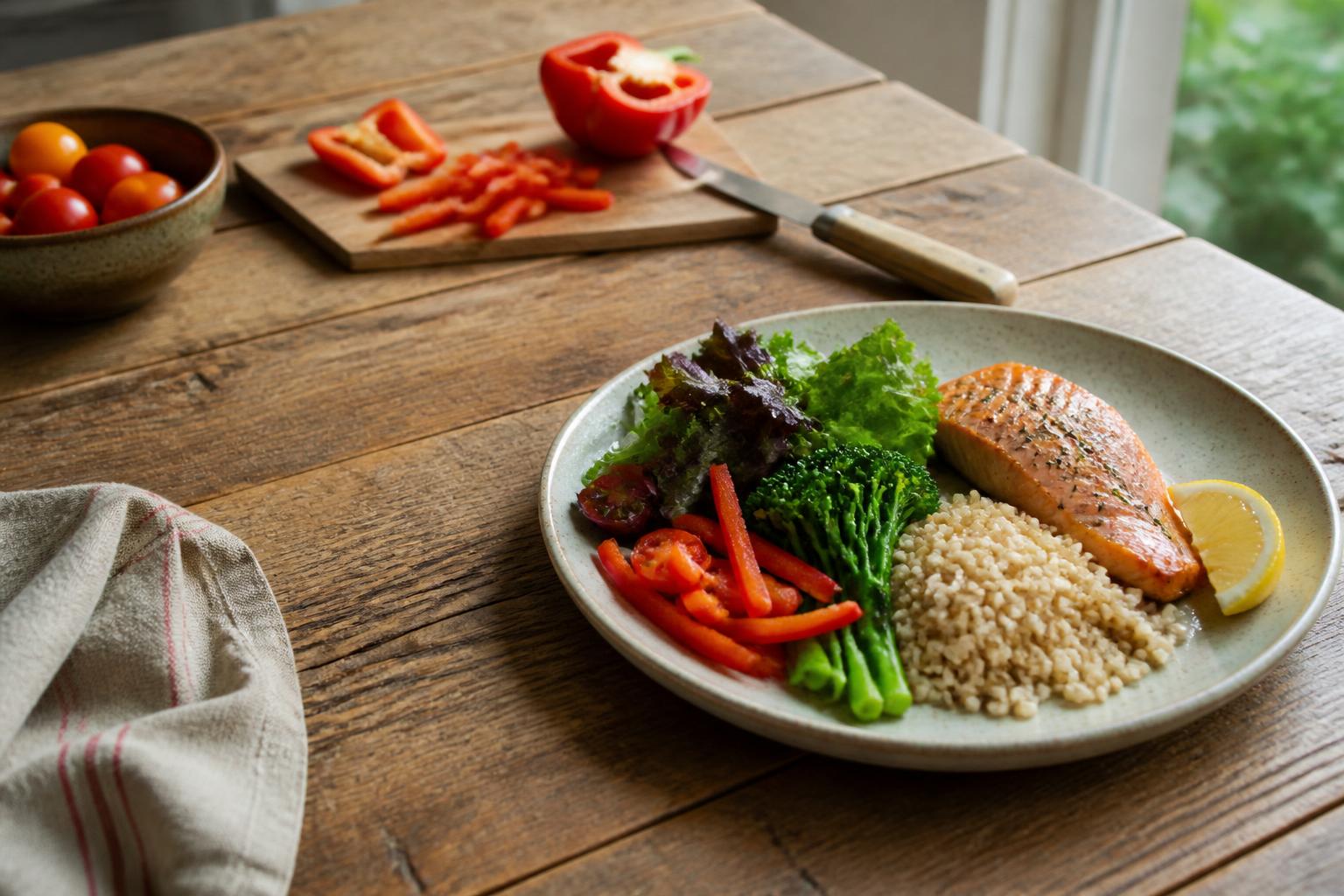
Lunch needs to be practical enough for workdays. Good bulking lunches usually combine a protein source, a carbohydrate base and an easy extra for calories:
- chicken rice bowl with olive oil dressing
- pasta with tuna, sweetcorn and mayonnaise
- jacket potato with beans and cheese
- wraps with chicken, hummus and avocado
- couscous or quinoa salad with salmon and feta
If you rely on meal deals or takeaway lunches, aim for combinations that still do the job. A sandwich, yoghurt, fruit and a milk-based drink can sometimes be more useful for bulking than a “lighter” lunch that leaves you hungry an hour later. Our piece on healthy eating ideas that work on ordinary UK days covers this kind of everyday decision making in more detail.
Dinner
Dinner is where many people naturally eat their largest meal, so it makes sense to use it well:
- chilli with rice, avocado and grated cheese
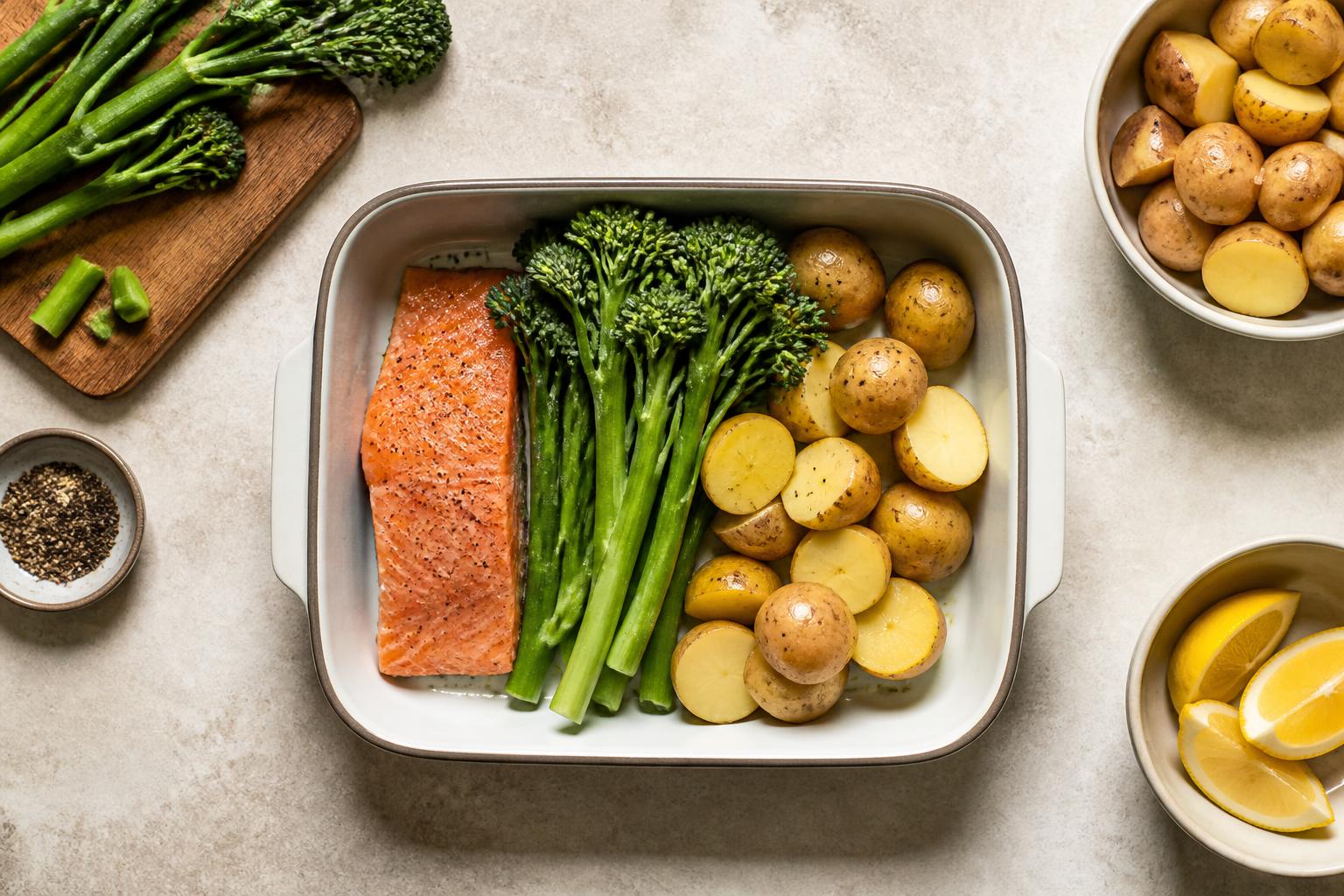
- salmon with potatoes and vegetables, plus olive oil or butter
- beef mince pasta bake
- chicken curry with rice and naan
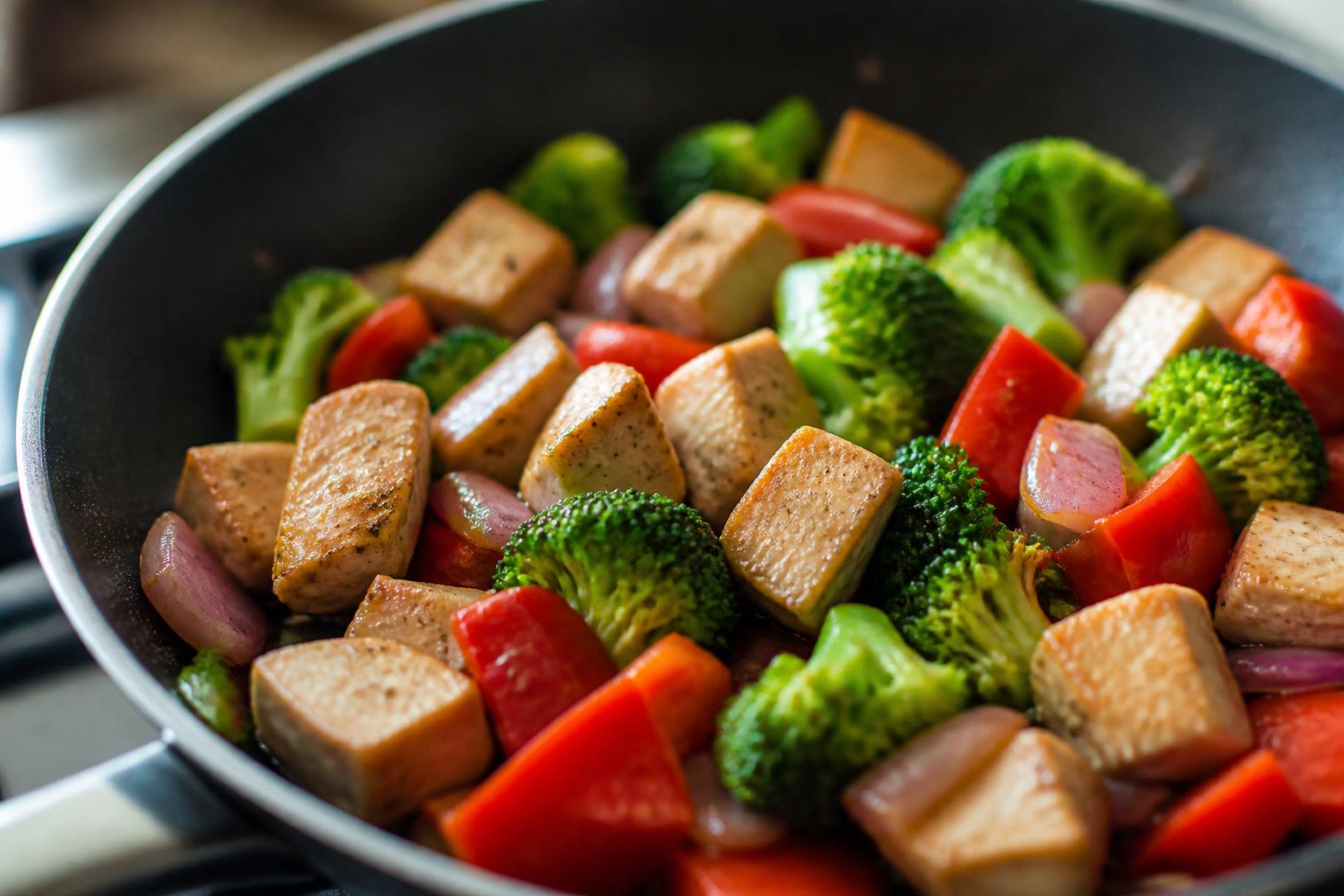
- tofu stir fry with noodles and cashews
The easiest way to increase intake is often to enlarge the carbohydrate and fat portions, not just the protein. Doubling chicken while keeping the same amount of rice is usually less comfortable than keeping the chicken sensible and adding more rice, oil, sauce or bread on the side.
Snacks
Snacks are not a failure of meal planning. During a bulk, they are often what keeps intake high enough. Useful options include:
- cereal with milk
- peanut butter on toast
- yoghurt and granola
- cheese toasties
- nuts and dried fruit
- banana with a protein yoghurt
- oat bars or flapjacks
Choose snacks by convenience as much as nutrition. Food you can carry, keep at work or eat quickly between tasks is often the food that actually gets eaten.
Make meals easier, not just bigger
A few practical tricks help:
- use oils, dressings, cheese and spreads to raise energy without huge extra volume
- keep some lower fibre carb options in the mix if very filling foods slow you down
- repeat successful meals instead of chasing novelty every day
- batch cook staples such as rice, pasta, potatoes and mince dishes
- keep backup foods at home and at work
This is also where label reading can help. Looking at calories per serving, protein per pot, and portion size gives you a clearer sense of what will genuinely support your intake.
What can go wrong when trying to bulk on a healthy diet?
The most common bulking problems are not dramatic. They are the small mistakes that make intake drift too low or food choices become hard to sustain.
Low appetite
Some people simply do not feel hungry enough to eat in a surplus. In that case, “eat clean” can become a trap if it means huge salads, very lean proteins and mountains of fibrous vegetables.
The answer is not to abandon diet quality. It is to make your food denser. Use milk instead of water in porridge. Add olive oil to cooked meals. Choose bagels over very seedy bread when you need something easier to get down. Include smoothies, yoghurts and snack foods that still offer nutritional value.
Too many shakes, not enough meals
Shakes are useful, but they are a supplement to a diet, not the diet itself. Relying on them too heavily can mean less fibre, less chewing satisfaction, less variety and less practice building proper meals.
A homemade shake with milk, oats, fruit and nut butter can be a good addition. Four shakes and random snacks in place of meals usually is not.
Fibre overload
High fibre diets are often positive for health, but during a bulk they can become self-defeating. If every meal contains large amounts of pulses, wholegrains, vegetables, seeds and fruit, you may feel full long before you have eaten enough.
That does not mean fibre is bad. It means the dose matters. Mixing higher fibre foods with easier options often works better. If this is a recurring issue, our guide on using food labels to add more fibre at breakfast and lunch is helpful for understanding where fibre adds value without accidentally overdoing it.
Poor planning
Bulking usually fails on busy days, not ideal ones. If there is nothing ready at home, nothing portable in your bag and no fallback at work, intake drops quickly.
A little planning goes a long way:
- keep milk, yoghurt, eggs, bread and nut butter in regularly
- batch cook one or two main meals
- store easy snacks where you will see them
- buy lunch with your intake in mind, not just what sounds lightest
Unrealistic expectations
Muscle gain is slow. Weight gain can be fast, but that does not mean it is all muscle. If you push the surplus too hard because you want visible changes immediately, you usually just make the process less comfortable and less precise.
Healthy bulking works best when you accept the timescale. You should expect a gradual process, regular training, and some adjustment along the way. If body weight is not moving at all, intake may need to rise. If it is climbing quickly and performance is not improving much, the surplus may be too large.
The useful mindset is simple. Eat enough, train properly, review honestly, and keep the food pattern sustainable. Healthy food for bulking is not about making the process restrictive. It is about making it repeatable, effective and easier to live with than a junk-heavy approach.

Questions about this article or a correction to suggest? Get in touch. Read more about our editorial approach.